
Quick Answer: Inflatable vs. Traditional Baby Chairs
Choosing between an inflatable baby chair and a traditional floor seat depends on your family’s daily routine, living space, and your baby’s developmental stage. If you prioritize portability, easy storage, and a temporary seat for travel or visits to relatives, an inflatable baby chair offers a highly flexible and budget-friendly solution. These air-filled seats can be deflated in minutes, making them ideal for homes with limited space or families who are frequently on the move.
Conversely, a traditional baby chair—constructed from rigid plastic, wood, or structured fabric—is better suited for parents seeking a permanent, sturdy fixture for the nursery. These chairs provide robust, consistent postural support for daily activities and integrate seamlessly with your existing nursery furniture set. Because there is no single option that fits every household, evaluating your specific lifestyle, space constraints, and your baby’s physical milestones will guide you to the right choice.
Core Differences: How Each Chair Functions in Daily Life
The fundamental distinction between these two seating options lies in their structural materials and design. Inflatable baby chairs are typically made from heavy-duty, air-filled PVC or vinyl. This construction creates a soft, cushioned environment that conforms slightly to the baby’s body, offering a low-profile seating experience. Because they rely on air pressure, these chairs are incredibly lightweight and easy to shift from room to room.
Products mentioned in this guide
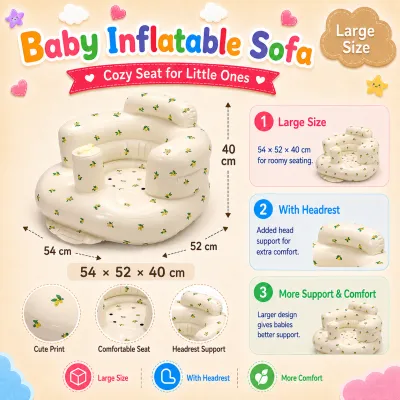
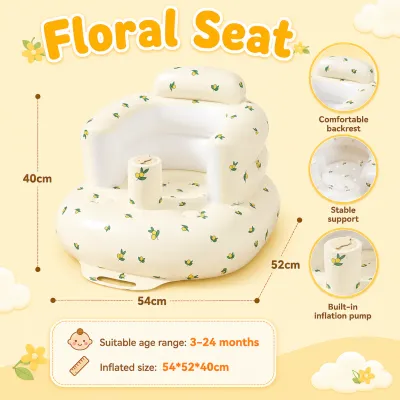
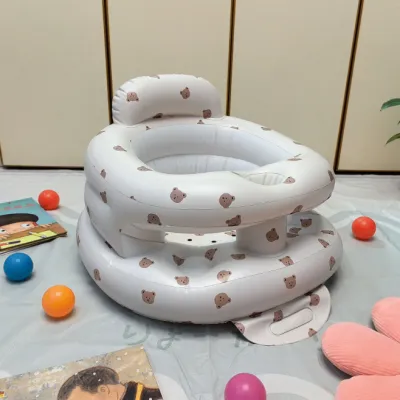
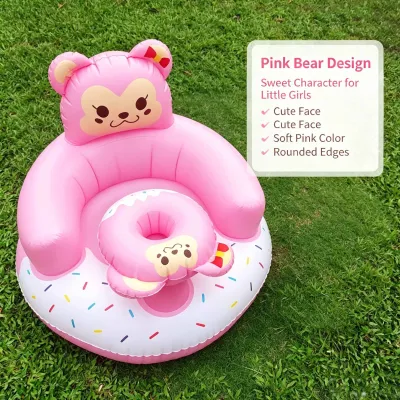
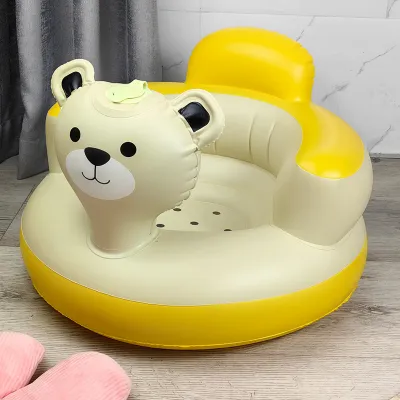
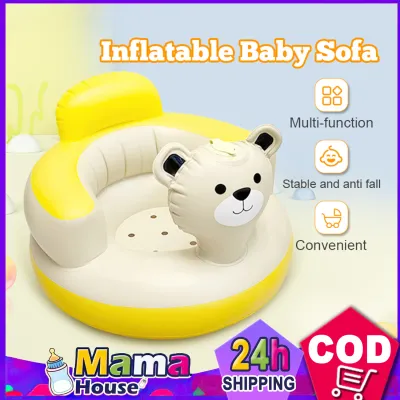
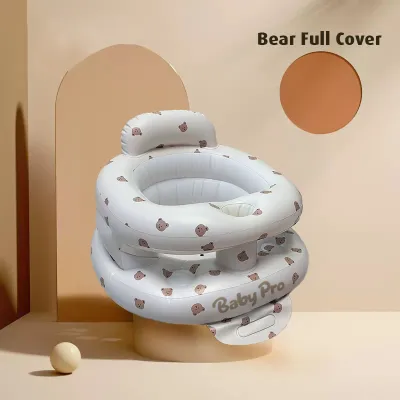
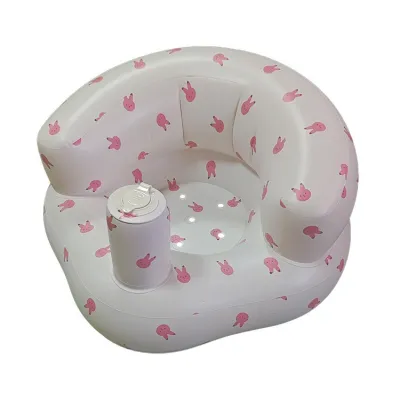
Prices are valid at publication and may change. Please refer to the product page for the latest price.

Traditional baby chairs utilize solid materials such as molded plastic, finished wood, or metal frames paired with structured fabric covers. This rigid architecture ensures that the seat maintains its shape regardless of the baby’s movements. The firm base and backrest provide a highly structured seating posture, which helps keep the baby upright and stable during supervised play or relaxation.
In daily life, these material differences dictate how and where each chair is used. An inflatable model excels as a temporary, supervised lounging spot on the floor, especially in warm, humid tropical climates where a lightweight, non-fabric surface feels cool against the skin. It is also highly convenient for quick outdoor sessions on a shaded patio or balcony.
Traditional chairs, on the other hand, function as reliable, stationary hubs within the home. They are designed for consistent, daily floor play, allowing babies to interact with toys from a stable, elevated vantage point. While they lack the bouncy, cushioned feel of an inflatable seat, their solid construction offers a predictable level of support that does not fluctuate with temperature or air pressure changes.
Safety, Stability, and Developmental Suitability
When introducing any seating accessory to your nursery, safety and developmental readiness must be your primary considerations. Before purchasing or using any baby chair, always locate the manufacturer’s label or instruction manual to verify the exact weight, height, and age limits. Relying solely on general age recommendations can be misleading, as babies grow and develop at vastly different rates.
Base stability is a critical factor that varies significantly between the two designs, particularly depending on your home’s flooring. Inflatable chairs, being lightweight, rely on a wide, low-profile base to prevent tipping. On smooth tiled or wooden floors, they can sometimes slide if the baby kicks or wiggles vigorously. Traditional chairs often feature heavier bases or rubberized non-slip grips that anchor them more securely, making them less prone to sliding on hard surfaces, though they still require careful placement on flat, level ground.
Harness systems and restraints play a vital role in keeping your baby secure. Many traditional floor seats feature three-point or five-point adjustable safety harnesses that physically secure the baby’s hips and torso. Inflatable options may rely on deep, contoured seating wells or built-in central pillars to keep the baby in place, sometimes without a formal harness. Regardless of the restraint design, never leave your baby unattended in any floor seat; constant adult supervision is mandatory to prevent accidental falls or tipping.
It is equally important to recognize the physical milestones that indicate your baby has outgrown a floor seat. Once your baby begins to roll over, crawl, or attempt to pull themselves up to a standing position, any floor seat can become a tipping hazard. A baby who has developed the core strength to twist or lean forcefully can easily destabilize a lightweight inflatable chair or even a traditional seat, signaling that it is time to transition to other supervised floor activities.
Space Management and Nursery Integration
Integrating new baby gear into your home requires a realistic assessment of your available space and aesthetic preferences. Traditional baby chairs have a permanent physical footprint and can add visual bulk to a small nursery. Because they do not fold down easily, they must remain a visible part of your room’s layout, requiring dedicated floor space even when your baby is not using them.
However, this permanent presence can be an advantage if you want to maintain a cohesive nursery theme. Many traditional chairs are designed with high-quality wood finishes or neutral fabric colors that complement cribs, changing tables, and wardrobes. They function as true furniture pieces, adding to the room’s overall design while remaining ready for immediate use without any setup.
In contrast, inflatable baby chairs are the ultimate space-savers. When deflated, they fold down into a compact package that can easily fit into a dresser drawer, a closet shelf, or a diaper bag. This makes them exceptionally convenient for families living in compact apartments or condominiums where floor space is at a premium.
This portability also makes inflatable chairs an excellent companion for travel or weekend visits to grandparents. You can easily pack the deflated chair, transport it without hassle, and inflate it using a manual pump or built-in air valve once you arrive. This flexibility allows you to provide a clean, familiar seating spot for your baby no matter where you are, without cluttering your vehicle or storage areas.
Cleaning, Maintenance, and Long-Term Durability
Keeping baby gear clean is a daily task that can be simplified by choosing the right materials. Inflatable baby chairs, with their smooth PVC or vinyl surfaces, are incredibly easy to clean. Spills, drool, and minor messes can be wiped away instantly with a damp cloth and mild soap. This quick-drying nature is particularly beneficial in humid tropical environments, where damp fabrics can easily develop musty odors if not dried thoroughly.
Traditional baby chairs often require a bit more effort to maintain, especially those with fabric covers or intricate plastic crevices. While many fabric covers are removable and machine-washable, the process of stripping, washing, and air-drying them takes time. Plastic and wooden frames must also be wiped down regularly, with special attention paid to joints and harness straps where food crumbs or dirt can accumulate.
Long-term durability and maintenance checks differ greatly between the two types. For inflatable chairs, you must regularly inspect the material for slow air leaks, punctures, or degradation around the inflation valves. Sharp toys, pet claws, or rough surfaces can easily compromise the airtight seal, requiring immediate repair or replacement of the chair to prevent sudden deflation during use.
Traditional chairs do not suffer from puncture risks, but they require their own structural inspections. Over time, you should check for loose screws, cracked plastic, or fraying harness straps that could compromise safety. Fabric seams should be inspected for tearing, and wooden components should be checked for splinters or finish wear. Understanding these maintenance needs helps ensure that whichever chair you choose remains safe and functional throughout its usable lifespan.
Decision Framework: Which Chair Fits Your Needs?
To help you make the final decision for your nursery, consider this practical checklist based on your household’s specific priorities:
Choose an inflatable baby chair if:
- You have limited nursery floor space and need a seat that can be deflated and stored out of sight.
- You travel frequently, visit relatives often, or need a lightweight seating option for outdoor use.
- You are looking for a cost-effective, temporary lounging solution for supervised floor play.
- You prefer a surface that can be wiped clean and dried almost instantly.
Choose a traditional baby chair if:
- You want a sturdy, permanent piece of nursery furniture that matches your existing decor.
- You prioritize highly structured, consistent postural support for your baby's daily floor activities.
- You prefer a heavier, slip-resistant base that remains stable on various indoor flooring surfaces.
- You want a robust safety harness system that physically secures your baby during supervised play.
When to look for alternative options:
- Neither chair type is suitable if your baby requires specialized physical or orthopedic support; in such cases, consult a pediatrician or pediatric physical therapist.
- Avoid both options if your baby has already reached the manufacturer's maximum weight or height limits, or has mastered rolling and crawling.
- Always verify that the specific model you choose displays valid safety certifications on its packaging and matches your baby's current developmental stage before use.
Frequently Asked Questions (FAQ)
Can an inflatable baby chair be used for feeding?
Inflatable baby chairs are generally not recommended for feeding unless the manufacturer explicitly states otherwise in the instruction manual. Safe swallowing and digestion require a highly stable, upright posture that keeps the baby’s hips, spine, and neck aligned. Because inflatable chairs rely on air pressure, they can sag or shift under the baby’s weight, potentially causing them to slouch or lean back, which increases the risk of choking. For mealtimes, it is always safest to use a dedicated high chair or a rigid feeding seat designed specifically to support an upright posture.
At what age or milestone should a baby stop using a floor seat?
A baby should stop using a floor seat as soon as they reach the manufacturer’s specified weight or height limits, or when they achieve key mobility milestones. Age is only a general guideline; physical milestones are much more critical. Once a baby can roll over, crawl, or attempt to pull themselves up to stand, they can easily tip the seat over by shifting their weight. Additionally, when a baby can sit up completely independently without any support, they no longer require a floor seat and can transition to standard floor play on a play mat or a secure booster seat at the table.
Community discussion
Share your experience or ask a question. Comments are reviewed before publication.