
Finding the right wet wipe for sensitive skin in the Philippines can be a trial-and-error process, especially with the wide variety of brands available in local pharmacies and online marketplaces. Indoplas, a brand highly regarded for its medical-grade supplies, offers wet wipes that many consumers consider for daily hygiene and baby care. However, there is no single “best” wet wipe for all sensitive skin, as individual reactions depend entirely on specific ingredient triggers, skin barrier health, and environmental factors. Choosing between Indoplas and other leading brands requires a careful look at packaging labels, ingredient lists, and material textures rather than relying solely on brand familiarity.
To make an informed decision, you must understand what goes into these products and how they interact with compromised skin. This guide provides a practical framework to evaluate Indoplas wet wipes against other popular options in the market, helping you identify the right product for your family’s specific skin needs.
Essential Criteria for Sensitive Skin Wet Wipes
When shopping for wet wipes to use on sensitive skin, the ingredient list on the back of the pack is your most important tool. Many commercial wipes contain synthetic fragrances, alcohol, and harsh preservatives that can easily disrupt the skin barrier, leading to redness, itching, or contact dermatitis. For sensitive skin, you should actively look for formulations labeled as fragrance-free and alcohol-free. It is important to note that “unscented” does not always mean fragrance-free; unscented products may still contain masking fragrances to hide the chemical smell of other ingredients.
Products mentioned in this guide
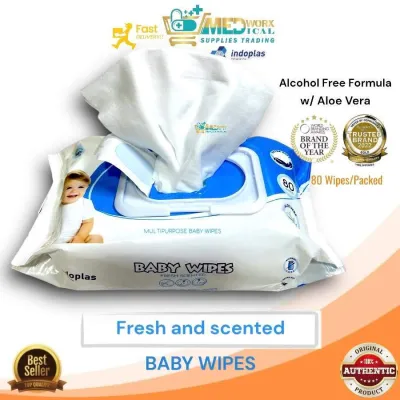
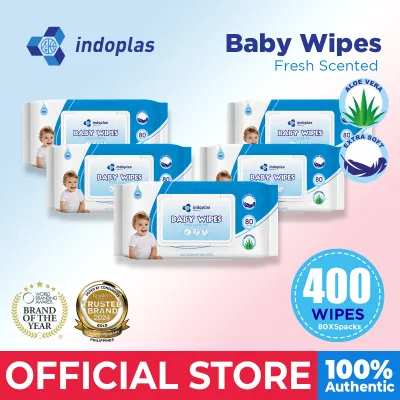
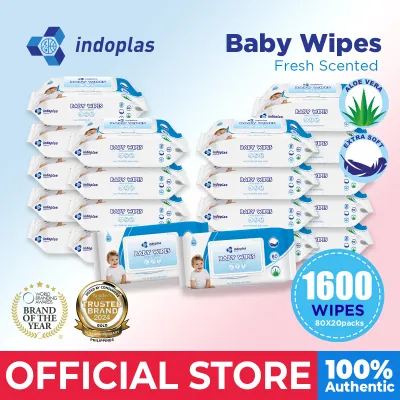
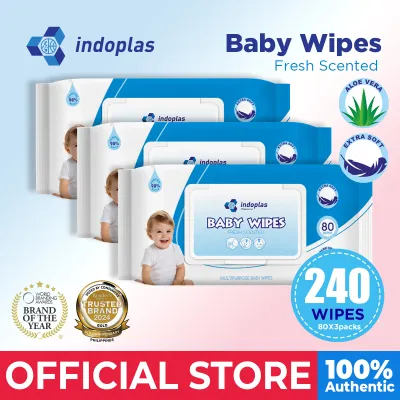
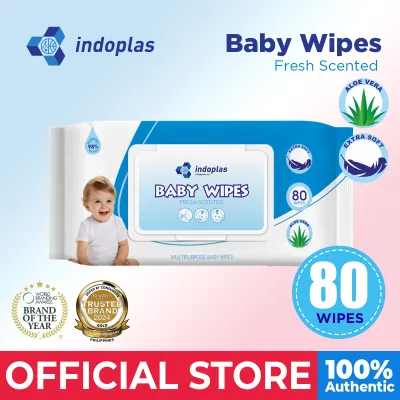
Prices are valid at publication and may change. Please refer to the product page for the latest price.
Preservatives are necessary in wet wipes to prevent the growth of bacteria and mold in a moist environment, but some preservatives are safer than others. Avoid products containing methylisothiazolinone (MI), parabens, or formaldehyde-releasing preservatives, which are known allergens. Instead, look for milder preserving systems or food-grade preservatives. Additionally, check the label for humectants like glycerin or skin-conditioning agents that help retain moisture without leaving a sticky, irritating residue.
Material texture and thickness play a critical role in minimizing physical irritation. In the hot and humid Philippine climate, sweat and friction can make the skin highly sensitive to chafing. A wipe that is too thin or rough requires repeated wiping to clean a soiled area, which physically damages the outer layer of the skin. High-quality wipes typically use a blend of soft fibers, such as viscose or polyester, and feature a higher thickness (measured in grams per square meter) to provide a gentle, cushiony barrier between your hand and the skin.
Finally, consider the pH level of the wipe formulation. Healthy skin has a slightly acidic pH, typically around 5.5, which helps maintain the acid mantle and protect against harmful bacteria. Wipes that are explicitly labeled as pH-balanced help preserve this natural protective barrier, whereas highly alkaline formulations can strip the skin of its natural oils and cause severe dryness.
Evaluating Indoplas Wet Wipes for Sensitive Skin
To assess whether Indoplas wet wipes are suitable for your sensitive skin needs, start by examining the physical packaging of the specific variant you plan to buy. Because Indoplas manufactures several types of wipes, you must verify the exact claims printed on the label. Look for terms like “hypoallergenic,” “dermatologically tested,” or “suitable for sensitive skin.” These claims indicate that the formulation has undergone basic safety screening, though you should still verify the full ingredient list to ensure it does not contain any personal allergy triggers.

Next, observe the physical characteristics of the wipes upon opening a fresh pack. Take note of the thickness and structural integrity of a single sheet. A good wipe for sensitive skin should feel soft to the touch, stretch slightly without tearing immediately, and hold a consistent level of moisture. If the wipe feels dry, it will cause excessive friction; if it is dripping wet, it may leave behind too much liquid, which can trap humidity in skin folds and lead to heat rashes or maceration.
It is also essential to check the manufacturer’s intended use case and age recommendations on the packaging. Some Indoplas wipes may be formulated for general surface sanitizing or adult hand hygiene, containing higher concentrations of alcohol or antibacterial agents that are too harsh for an infant’s diaper area or sensitive facial skin. Always ensure the product documentation or packaging explicitly states that the wipes are safe for cosmetic, baby, or sensitive skin application before use.
Comparing Indoplas with Other Popular Wipe Brands
When comparing Indoplas with other mainstream wet wipe brands in the Philippines, material feel and durability are key differentiators. Many premium baby wipe brands utilize specialized embossed patterns, such as honeycomb or wave textures, designed to lift dirt and moisture in a single pass. Compare this to the surface of Indoplas wipes; a completely smooth sheet may require more physical pressure to clean effectively, whereas a textured sheet might clean faster but could feel slightly more abrasive if the fibers are not sufficiently soft.
Ingredient transparency varies significantly across brands. Some leading international and local brands provide highly detailed ingredient lists, explaining the source and purpose of each component, such as purified water, organic chamomile, or aloe vera extracts. When evaluating Indoplas against these competitors, compare the presence of these soothing agents. While a simple water-and-preservative formula is excellent for minimizing allergy risks, some users find that wipes infused with natural anti-inflammatory ingredients provide better relief for skin prone to redness.
Packaging quality is another practical factor that directly impacts skin safety, especially in tropical conditions. High humidity and heat can cause the adhesive on simple sticker closures to degrade quickly, allowing air to dry out the wipes and exposing them to airborne mold spores. Many leading brands feature a rigid plastic flip-top lid (hard cap) over the dispensing opening. If you are comparing Indoplas to other brands, check if the packaging offers a secure, airtight seal. A reliable hard lid ensures that the last wipe in the pack remains as moist and sterile as the first, preventing the risk of using contaminated sheets on sensitive skin.
Value for money is also a major consideration for daily use. While premium sensitive-skin brands often come with a higher price tag, calculating the cost per sheet (for example, comparing a pack that costs ₱1.50 per wipe to one that costs ₱3.00 per wipe) can help you balance your budget. However, a cheaper wipe that is very thin may require you to use three sheets instead of one premium, thick sheet, making the more expensive option more cost-effective and gentler on the skin in the long run.
Decision Framework: Choosing the Right Wipe for Your Needs
To simplify your purchasing decision, use a condition-based approach to choose between Indoplas and alternative brands. Your choice should align with your specific skin tolerances, budget, and daily usage scenarios.
Choose Indoplas wet wipes if:
- The specific variant's ingredient list is free from your known skin allergens and matches your preference for a straightforward, functional formulation.
- You prefer a brand with a strong medical-supply heritage and find their physical sheet thickness and moisture level comfortable for your daily cleaning routine.
- The price point fits your household budget for high-volume, everyday hygiene tasks.
Choose an alternative leading brand if:
- You or your child require specific third-party organic certifications, biodegradable materials (such as bamboo-based fibers), or specialized pediatric approvals.
- You prefer formulations that include active soothing ingredients like calendula, colloidal oatmeal, or chamomile to help calm active skin irritation.
- You require a highly secure, rigid plastic lid packaging to prevent drying out during outdoor travel or long-term storage.
Regardless of the brand you choose, safety must come first. If you are dealing with severe skin conditions, broken skin, open rashes, or diagnosed contact dermatitis, do not rely on commercial wet wipes for cleaning. Stop using all wipes immediately and consult a pediatrician or dermatologist in the Philippines to receive a proper diagnosis and a safe, medically approved skin care regimen.
Safe Usage, Patch Testing, and Storage Tips
Before fully introducing any new wet wipe brand, including Indoplas, to your daily routine, performing a patch test is highly recommended. This simple step helps you identify potential allergic reactions before applying the product to larger or more sensitive areas of the body.
To conduct a patch test, follow these steps:
- Extract a single wipe from the newly opened pack.
- Gently swipe the wipe over a small, clean, and discreet area of skin, such as the inner forearm or the side of the neck.
- Allow the liquid to dry naturally on the skin without washing it off.
- Monitor the area closely for 24 to 48 hours.
During the monitoring period, watch for any signs of an adverse reaction. If you observe redness, swelling, small bumps, itching, burning, or unusual dryness, discontinue use of the product immediately. Wash the affected area thoroughly with clean, cool water and avoid applying any other cosmetic products until the irritation subsides.
Proper storage is essential to maintain the safety and efficacy of your wet wipes, especially in warm climates. Store your wipe packs in a cool, dry place away from direct sunlight, heat sources, and damp environments like bathroom floors. Never leave a pack of wipes inside a hot car, as extreme heat can degrade the preservative system, rendering it ineffective and allowing bacteria to multiply inside the pack. Always ensure the plastic lid or adhesive sticker is pressed down firmly and sealed completely after every use to prevent evaporation and contamination.
Frequently Asked Questions (FAQ)
Are baby wipes safe for adults with sensitive skin? (FAQ)
Yes, baby wipes are generally safe and often highly beneficial for adults with sensitive skin. Because baby wipes are formulated for the delicate, thin skin barrier of infants, they typically contain fewer harsh chemicals, fragrances, and artificial dyes than standard adult personal care wipes. Adults with conditions like eczema, rosacea, or dry skin can use these mild formulations to clean their hands, face, or body without stripping away natural moisture. However, adults should still read the ingredient label carefully, as some baby wipes contain specific preservatives or botanical extracts that can trigger contact allergies in sensitive adult skin. Additionally, because adult skin is thicker and produces more sebum, baby wipes should not completely replace adult-specific facial cleansers for daily skincare routines.
Can I use wet wipes as a substitute for washing with water? (FAQ)
Wet wipes should not be used as a permanent substitute for washing with clean water and a mild soap or cleanser. Wipes are designed for convenience, quick cleanups, and on-the-go hygiene when running water is unavailable. While they physically lift away surface dirt and sweat, they also leave behind a thin film of surfactants, moisturizing agents, and preservatives on the skin. Over time, this residue can accumulate, potentially clogging pores, trapping bacteria, and causing localized irritation, especially in sensitive areas or under hot, humid weather conditions. For heavy soiling, diaper changes, or daily bathing, rinsing thoroughly with clean water is always the safest and most effective way to maintain skin barrier health and prevent irritation.

Community discussion
Share your experience or ask a question. Comments are reviewed before publication.