
When it comes to your child’s health, determining whether a specific supplement like Immunomax is safe requires looking closely at their age, the specific product formulation, and how strictly you follow the recommended dosage guidelines.
While many parents seek out immune-support supplements to help protect their children from common schoolyard illnesses, dietary supplements are not universally safe for all pediatric age groups. A child’s metabolic pathways, liver, and kidneys are still developing, meaning their bodies process active compounds differently than adults. Therefore, you must carefully verify the ingredient profile, concentration, and suitability of any product before administration.
Before introducing Immunomax or any new dietary supplement to your child’s routine, it is essential to consult a licensed pediatrician. This professional guidance is especially critical if your child has underlying health conditions, such as autoimmune disorders, or is currently taking other prescription or over-the-counter medications that could interact with the supplement.
Products mentioned in this guide
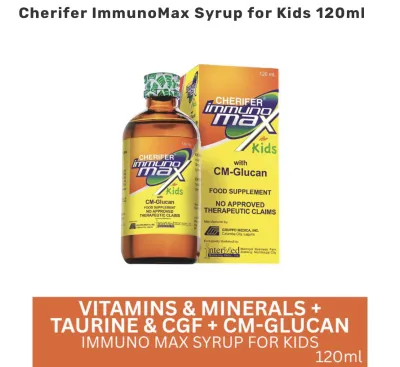
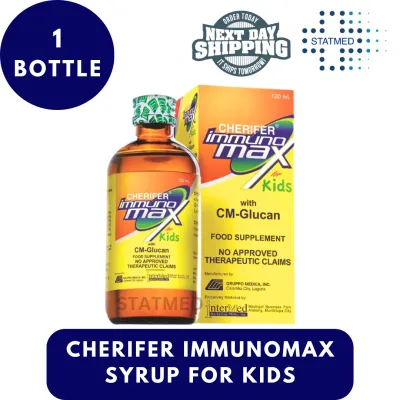
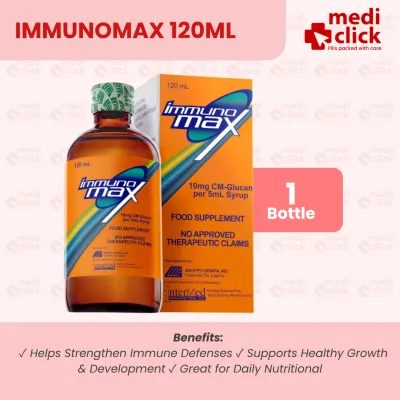
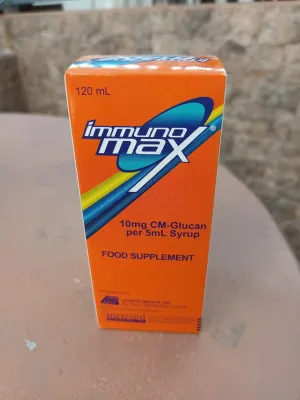
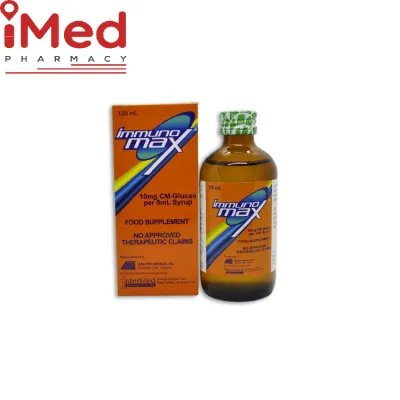
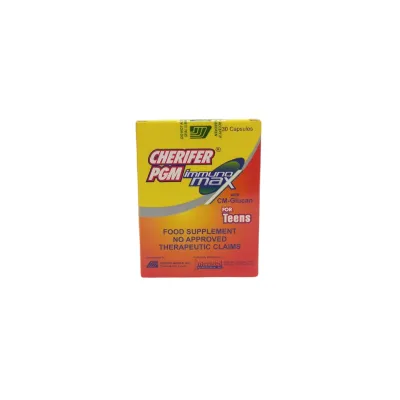
Prices are valid at publication and may change. Please refer to the product page for the latest price.
Age Guidelines: Matching the Supplement to Your Child's Stage
Children’s nutritional needs and safe upper intake limits for active ingredients change rapidly as they grow. A dose or formulation that is perfectly safe for a teenager could easily overwhelm the system of a toddler or infant. Because of these distinct developmental differences, manufacturers design specific pediatric formulations with lower concentrations and safer delivery methods, such as syrups instead of large capsules.
To ensure your child’s safety, you must strictly read the product label for the minimum age requirements and the corresponding pediatric dosage charts. These charts are typically categorized by age brackets or weight ranges, which provide a much more accurate guide for safe administration than age alone.
Never attempt to split adult capsules or measure out a fraction of an older child’s dose to approximate a portion for a toddler. This practice is highly dangerous and frequently results in inaccurate dosing, which can lead to accidental toxicity or systemic strain on your child’s developing organs.
When administering liquid formulations, always use the exact measuring syringe, dropper, or dosing cup provided in the product packaging. Avoid using standard household kitchen spoons, as their volumes vary widely and cannot guarantee a precise dose.
Always prioritize the exact dosage instructions provided on the official packaging or the specific, customized regimen prescribed by your child’s pediatrician. Relying on general internet guidelines, parenting forums, or social media recommendations can expose your child to incorrect and potentially harmful dosing advice.
Crucial Precautions: Allergies, Diet, and Medication Interactions
Before giving your child any new supplement, you must perform a thorough allergen check by reviewing the complete list of ingredients. Pay close attention not only to the active ingredients but also to the inactive ingredients, binders, preservatives, and flavorings. Pediatric syrups and chewables often contain artificial colors, sweeteners, or fruit flavorings that can trigger sensitivities or allergic reactions in susceptible children.

Another vital consideration is the risk of dietary overlap, which can lead to hypervitaminosis or mineral toxicity. If your child is already consuming heavily fortified foods, specialized infant formula, or other daily multivitamin supplements, adding another product can easily push their daily intake past safe limits. Many immune-support supplements contain added vitamins or minerals, like Vitamin C or Zinc, which require strict adherence to recommended daily allowances.
Active ingredients in supplements can also interact with prescription or over-the-counter medications, either reducing their effectiveness or causing adverse side effects. Always inform your pediatrician about every medication, syrup, or herbal remedy your child is currently taking before starting a new supplement.
Additionally, check the product packaging for local regulatory approval marks, such as registration with the Food and Drug Administration (FDA) of the Philippines. Verifying these marks ensures that the specific batch has met national safety, quality, and manufacturing standards, protecting your family from counterfeit or substandard products.
Potential Side Effects and Clear Signals to Stop Use
While pediatric supplements are formulated to be gentle, some children may still experience mild, transient side effects as their bodies adjust. These common reactions often include mild stomach upset, temporary nausea, or harmless changes in urine color, which are typically not a cause for alarm if they resolve quickly.
However, parents must remain alert for severe warning signs that indicate a serious adverse reaction or an allergic response. Seek immediate emergency medical attention if your child exhibits any of the following symptoms:
- Hives, red skin rashes, or intense itching
- Swelling of the face, lips, tongue, or throat
- Difficulty breathing, wheezing, or rapid respiration
- Severe, persistent vomiting or diarrhea
- Unusual lethargy, extreme drowsiness, or confusion
Establish a strict operational rule for your household: stop giving the supplement immediately if any unusual or concerning symptoms appear. Do not attempt to lower the dose or wait to see if the symptoms improve on their own; instead, consult your healthcare provider before considering resuming use.
It is also important to understand that the absence of immediate side effects does not guarantee long-term safety. If a supplement is administered in doses that exceed the recommended daily allowance over an extended period, it can cause gradual, cumulative strain on your child’s organs that may only become apparent over time.
Safe Storage and Administration Practices at Home
Preventing accidental misuse starts with secure storage practices at home. Always store all vitamins and supplements completely out of reach and sight of children, preferably in a locked cabinet or a high shelf. Pediatric syrups and chewables are often formulated to taste sweet and appealing, which makes them a major risk for accidental overdose if a child manages to access the bottle.
In tropical environments like the Philippines, high humidity and heat can rapidly degrade the quality and stability of supplements. Keep the product in a cool, dry place away from direct sunlight, and make sure the bottle cap is tightly sealed after every single use to prevent moisture from spoiling the contents.
When administering the supplement, follow the label’s specific instructions regarding timing and food intake. Some formulations are best taken with meals to minimize potential digestive discomfort and optimize the absorption of key nutrients, while others may require an empty stomach for maximum efficacy.
Remember that dietary supplements are designed to complement, not replace, a balanced, nutrient-rich diet. A strong, resilient immune system is built primarily on a foundation of diverse whole foods, including fresh fruits, vegetables, lean proteins, and whole grains, which provide a complex matrix of essential nutrients that no single bottle can replicate.
Finally, make it a habit to perform a quick quality check before every dose. Check the expiration date printed on the packaging, and inspect the liquid or capsules for any unusual changes in color, texture, consistency, or odor, which could indicate that the product has spoiled or degraded.
Frequently Asked Questions (FAQ)
Can I give Immunomax to my toddler?
Toddlers have highly specific nutritional requirements and developing bodily systems that differ significantly from older children. You must check the specific product packaging of the formulation you have to verify the minimum age requirement. Always consult your pediatrician before giving any such supplement to a toddler, as safe upper intake limits are much lower for this age group, and certain physical formats may present choking hazards or administration challenges that require professional guidance.
What should I do if my child accidentally takes too much?
If your child accidentally consumes more than the recommended dose of any supplement, treat the situation as an emergency. Contact a local poison control center or seek immediate medical attention at the nearest emergency room. Be sure to bring the exact product packaging with you so that the attending healthcare professionals can quickly review the precise ingredients, active concentrations, and inactive binders to determine the safest course of treatment.
Does this supplement replace the need for a healthy diet?
No, a dietary supplement can never replace the necessity of a healthy, balanced diet. Supplements are designed only to fill specific nutritional gaps or provide targeted support, and they lack the complex matrix of dietary fiber, essential macronutrients, and diverse phytonutrients found naturally in whole foods. To support your child’s long-term immune health and overall development, prioritize a diet rich in fruits, vegetables, and whole grains, and use supplements only as a supportive measure under the direct guidance of a healthcare professional.
Community discussion
Share your experience or ask a question. Comments are reviewed before publication.