
Determining whether a dietary supplement like Immunomax Cherifer is safe for your child requires a careful look at the product label, your child’s specific developmental stage, and professional medical guidance. While many parents in the Philippines consider multi-vitamin and supplement options to support their children’s growth and immune systems, no single product offers a universal safety guarantee. Safety depends heavily on administering the correct dosage for your child’s age, verifying the integrity of the packaging, and ensuring there are no overlapping ingredients with other supplements they may be taking. Before introducing any new syrup or drops to your child’s daily routine, understanding how to read the manufacturer’s instructions and recognizing potential side effects is essential for their well-being.
Understanding Immunomax Cherifer and Its Intended Use
When selecting a supplement for your child, the first step is to thoroughly examine the product packaging to understand exactly what ingredients are included. Immunomax Cherifer typically combines vitamins with specific formulations such as Chlorella Growth Factor (CGF) and CM-Glucan, which are marketed to support growth and immune function. Parents must look closely at the active ingredients list on the box or bottle to identify any components that their child might be sensitive to. Because formulations can vary between different product lines—such as drops for infants and syrups for older children—verifying the exact ingredient profile on your specific bottle is a critical safety practice.
In addition to the ingredients, parents must verify the manufacturer’s stated purpose and target age group directly on the label. Supplements are formulated differently to meet the distinct nutritional needs and metabolic capacities of infants, toddlers, and school-aged children. Giving a formula intended for older kids to a toddler can lead to accidental nutrient imbalances or digestive strain. Always check the front panel and the detailed product insert to confirm that your child falls squarely within the manufacturer’s recommended age bracket before opening the bottle.
Products mentioned in this guide
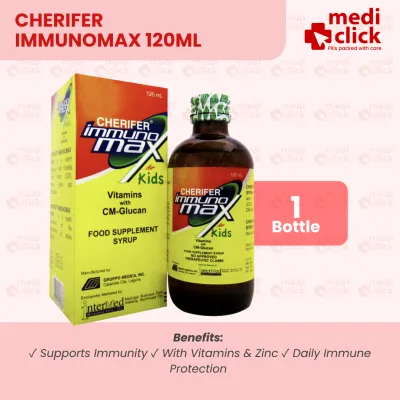


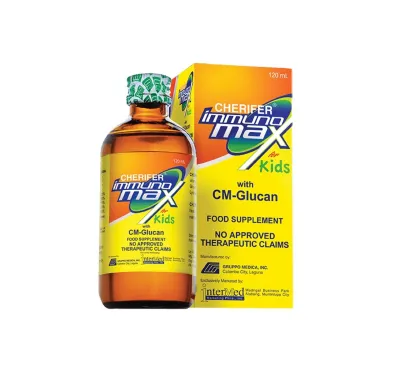
Prices are valid at publication and may change. Please refer to the product page for the latest price.
Physical inspection of the product is equally vital, especially in warm and humid tropical climates. High humidity and heat can compromise the stability of liquid vitamins, potentially leading to spoilage or a reduction in efficacy. Before purchasing or administering the supplement, inspect the outer box for any signs of tampering and ensure the safety seal under the cap is completely intact. Check the expiration date printed on the bottle or box, and avoid using any product that is past this date, has a broken seal, or exhibits an unusual odor, color change, or consistency.
Age, Dosage, and Label Precautions
Accurate dosing is one of the most critical factors in ensuring the safe use of any pediatric supplement. Parents should locate the specific age brackets and corresponding dosage measurements printed on the product insert or the back of the bottle. These guidelines are carefully calculated by the manufacturer based on average physiological development and nutritional requirements. Never assume that a dose can be guessed or scaled down intuitively for a younger child; always rely strictly on the written instructions or the direct advice of your pediatrician.

To maintain accuracy, always use the specific measuring tool provided in the product packaging, such as the calibrated dropper, syringe, or measuring cup. Household spoons, such as teaspoons or tablespoons used for dining, vary widely in size and shape and can easily lead to under-dosing or dangerous over-dosing. If the packaging does not include a measuring tool, consult a pharmacist to obtain a standardized pediatric oral syringe or medicine cup. Wash the measuring tool thoroughly with clean water and dry it completely after each use to prevent bacterial growth, particularly in warm environments.
Parents must also pay close attention to any manufacturer warnings regarding concurrent use with other substances. Certain vitamins and minerals can interact with prescription medications, over-the-counter drugs, or even specific foods, affecting how the body absorbs them. If your child is currently taking any medication or is on a specialized diet, check the product label for contraindications. Keeping a detailed record of everything your child consumes can help you identify potential interactions before they cause discomfort or health issues.
Potential Side Effects and Observable Signs
While many children tolerate dietary supplements well, introducing any new product can occasionally trigger mild reactions as their digestive systems adjust. Parents should monitor their child closely for mild digestive changes during the first few days of starting the supplement. These changes may include temporary stomach upset, mild nausea, gas, or slight alterations in bowel movements, such as constipation or looser stools. Keeping a daily log of what your child eats alongside their supplement schedule can help you determine if these digestive shifts are temporary adjustments or persistent issues.
Skin reactions are another important category of observable signs that parents must watch for. A mild allergic response or sensitivity to an ingredient in the supplement can manifest as a sudden skin rash, hives, localized redness, or itching. Check your child’s skin periodically, especially around the face, neck, and torso, after they take their dose. If you notice any unusual skin changes, it is best to pause the supplement and observe whether the irritation clears up, which can provide valuable information for your pediatrician.
Additionally, parents should track any noticeable changes in their child’s daily behavior, sleep patterns, energy levels, or appetite. Some children may experience temporary changes in energy, becoming slightly more active or, conversely, showing signs of mild lethargy if a supplement does not agree with them. A sudden decrease in appetite or a disruption in their usual nap and nighttime sleep schedules can also indicate that the supplement is causing mild internal discomfort. Documenting these behavioral patterns allows you to provide clear, objective details to a healthcare professional if you decide to seek advice.
When to Stop Use and Seek Medical Advice
Knowing when to discontinue a supplement is vital for protecting your child’s health. Parents must stop administering the supplement immediately if they observe any signs of a severe allergic reaction. These critical warning signs include difficulty breathing, wheezing, swelling of the face, lips, tongue, or throat, severe dizziness, or persistent, violent vomiting. If any of these symptoms occur, seek emergency medical attention immediately, as severe allergic reactions can escalate rapidly and require urgent professional intervention.
For children with underlying health conditions, such as kidney issues, metabolic disorders, or chronic allergies, a pediatrician must be consulted before any supplement is introduced. Children who are taking prescription medications also require professional clearance, as active ingredients in supplements can alter the efficacy of prescribed treatments. A healthcare provider can evaluate your child’s specific medical history and determine if the supplement is appropriate, ensuring that you do not inadvertently complicate an existing health condition.
When dealing with persistent, worsening, or unclear symptoms, parents should always rely on professional medical evaluation rather than advice from online forums or social media groups. While online communities can offer peer support, they cannot replace the diagnostic expertise of a qualified pediatrician who understands your child’s unique health profile. If your child experiences ongoing discomfort, digestive issues, or behavioral changes that do not resolve after stopping the supplement, schedule an in-person consultation to get an accurate assessment and a safe path forward.
Frequently Asked Questions (FAQ)
Can Immunomax Cherifer be taken with other daily vitamins?
Before combining multiple supplements, parents must carefully compare the ingredient lists of all products to identify any overlapping vitamins or minerals. Many pediatric supplements contain similar baseline nutrients, such as Vitamin A, Vitamin D, zinc, or iron. Giving your child multiple products with overlapping ingredients can easily lead to exceeding the safe daily upper limits established for their age group. To prevent accidental toxicity, consult a pharmacist or pediatrician to verify if the combined dosages of all planned supplements are safe and appropriate for your child’s specific age and weight.
What should I do if my child misses a dose?
If your child misses a scheduled dose of their supplement, the safest approach is to check the product label or insert for specific manufacturer instructions. In most cases, general supplement guidelines recommend skipping the missed dose entirely if it is close to the time for the next scheduled administration. Parents must avoid doubling the next dose to make up for the missed one, as a double dose can overwhelm a child’s digestive system and increase the risk of side effects. If you are uncertain about how to adjust the schedule, consult a healthcare provider or pharmacist for personalized guidance.
Community discussion
Share your experience or ask a question. Comments are reviewed before publication.