
Parents naturally want to support their children’s health, especially during school seasons, changing weather, or periods of physical growth. When considering a supplement like Immuno Max for kids, safety is the primary concern. Determining whether this supplement is safe for your child depends entirely on verifying the specific product formulation, matching it to your child’s exact age and weight, and consulting a pediatrician. Because children’s bodies process vitamins, minerals, and active compounds differently than adults, you must never assume a supplement is safe without carefully reading the manufacturer’s packaging and understanding the active ingredients.
Before introducing any new product into your child’s daily routine, it is essential to establish a clear understanding of what the supplement contains and how it aligns with your child’s nutritional needs. This guide outlines the essential steps to verify product safety, determine correct dosages, monitor for potential side effects, and safely store the supplement in tropical environments.
Understanding the Supplement and Its Intended Use
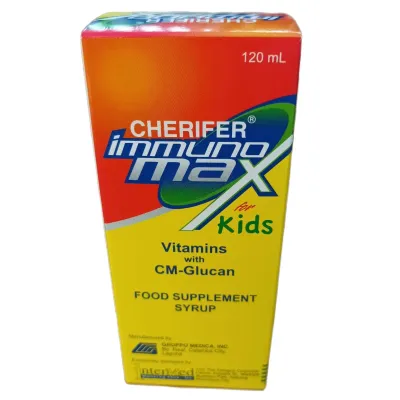
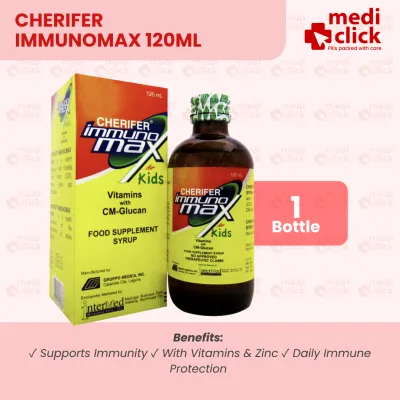
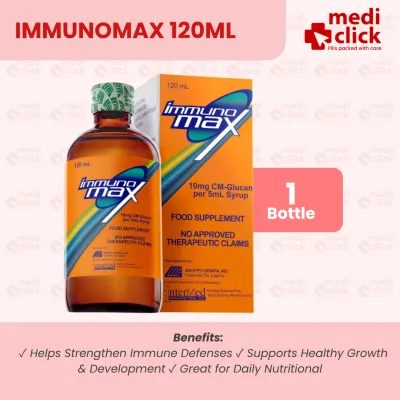
When looking at Immuno Max for kids, the first step is to identify the exact formulation you have purchased. Manufacturers often produce multiple variants under similar brand names, ranging from infant drops to syrups for older children, as well as high-strength capsules meant solely for adults. Giving a child the wrong variant can lead to accidental over-supplementation, which can strain their developing liver and kidneys. Always check the front panel of the packaging for specific age indicators, such as ‘for kids’ or ‘pediatric formula,’ before opening the bottle.
Products mentioned in this guide
Prices are valid at publication and may change. Please refer to the product page for the latest price.
Next, turn the packaging over to read the active ingredients list and the supplementary facts panel. Many immune-support supplements contain active compounds like CM-Glucan (carboxymethyl beta-glucan), which is intended to support the body’s natural defenses, alongside essential vitamins like Vitamin C or zinc. By reading this panel, you can identify exactly what nutrients your child will consume. This is crucial because many children already receive adequate vitamins from fortified milk, cereals, and a balanced diet of fruits and vegetables. Adding a high-dose supplement on top of a nutrient-rich diet might exceed the daily recommended intake for certain vitamins.
Finally, verify the manufacturer’s stated health claims against your child’s actual nutritional requirements. Supplements are designed to fill nutritional gaps, not to replace wholesome meals. If your child is generally healthy, active, and eating a diverse diet, they may not require daily supplementation. Consulting a pediatrician will help you determine if your child genuinely needs an immune booster or if their current diet is already sufficient to support their growth and immune function.
Age Guidelines: Determining the Right Age and Dosage
To ensure your child’s safety, you must locate the minimum age requirement explicitly printed on the product label. Pediatric supplements are carefully formulated to match the metabolic capabilities of specific age groups. For instance, infant drops are highly concentrated so that babies only need to swallow a small volume, whereas syrups for toddlers and older children are formulated with different concentrations. Never give a syrup designed for older children to an infant, and never guess the dosage for a child who falls below the minimum age stated on the packaging.

Distinguishing between pediatric-specific formulations and adult versions is a critical safety boundary. Adult supplements often contain much higher concentrations of active ingredients, as well as binders, excipients, or herbal extracts that are unsafe for a child’s digestive and metabolic systems. Even if you attempt to calculate a smaller portion of an adult dose, the distribution of active ingredients in a tablet or capsule may not be uniform, leading to an unsafe dose. Always purchase the specific pediatric version of the supplement.
Once you have confirmed that the product is age-appropriate, use the manufacturer’s provided dosing chart to determine the correct amount. Dosing charts are typically organized by age brackets or weight ranges. Because children of the same age can vary significantly in weight, checking the weight-based recommendation is often the safest approach. Always use the measuring cup, syringe, or dropper included in the product packaging. Standard kitchen spoons vary widely in volume and should never be used to measure liquid medication or supplements.
Key Precautions and Potential Side Effects to Monitor
While active ingredients are the main focus, parents must also check the inactive ingredients list for potential allergens and sensitivities. Pediatric syrups often contain additives to improve taste, color, and shelf life. Look closely for ingredients such as sucrose, artificial sweeteners, food dyes, or preservatives like sodium benzoate. If your child has a known sensitivity to specific food colorings or has been diagnosed with conditions like diabetes or fructose intolerance, these inactive ingredients could trigger an adverse reaction.
Even when given at the correct dosage, some children may experience mild side effects as their bodies adjust to a new supplement. Monitor your child for signs of digestive discomfort, such as mild stomach aches, nausea, flatulence, or changes in bowel movements. Additionally, keep an eye on their energy levels and behavior. While some supplements are intended to support overall vitality, any sudden, unexplained changes in your child’s daily patterns should be noted and discussed with a healthcare professional.
Another critical precaution is checking for potential interactions with other substances your child consumes. If your child is currently taking prescription medications, daily multivitamins, or other dietary supplements, combining them with a new product could lead to adverse interactions. For example, combining multiple supplements that both contain zinc or Vitamin C can easily lead to exceeding the safe upper limit for those specific nutrients. Always share a complete list of everything your child consumes with your pediatrician before starting a new regimen.
How to Safely Introduce and Monitor the Supplement
When you are ready to introduce the supplement, a cautious, step-by-step approach is the safest method. If your pediatrician agrees, consider starting with the lowest suggested dose for your child’s age group. This conservative approach allows your child’s digestive system to adapt and helps you identify any immediate sensitivities or allergic reactions before administering a full dose. Keep the initial dose consistent for a few days while keeping a close eye on their physical response.
During the first week of administration, maintain a simple daily log of your child’s physical, behavioral, and digestive health. Note the exact time you gave the supplement and observe whether they experience any changes in appetite, skin appearance, sleep patterns, or stool consistency. If you notice mild changes, such as a slightly upset stomach, it may help to adjust the timing of the dose, but always consult your doctor before making any changes to the recommended routine.
Proper storage is also vital to maintain the supplement’s potency and ensure household safety. In tropical climates like the Philippines, high humidity and ambient temperatures can quickly degrade liquid syrups or cause active ingredients to lose their efficacy. Store the bottle in a cool, dry place, ideally below 30°C, and away from direct sunlight. Most importantly, keep the supplement in a locked cabinet or on a high shelf completely out of your child’s reach. Pediatric syrups are often sweet and pleasantly flavored, making them highly appealing to curious toddlers who might mistake them for candy or juice.
When to Stop Use and Consult a Pediatrician
As a parent, you must be ready to stop administering the supplement immediately if you observe any red-flag symptoms. Severe adverse reactions require urgent medical attention. If your child develops unexplained skin rashes, hives, swelling of the face, lips, or tongue, difficulty breathing, persistent vomiting, or severe lethargy, discontinue the supplement right away and seek emergency medical care. These symptoms can indicate a serious allergic reaction or systemic intolerance.
Children with underlying health conditions require an extra level of caution. If your child has a compromised immune system, an autoimmune disorder, chronic kidney or liver issues, or is recovering from a major illness, you must never introduce an immune-support supplement without explicit clearance from their specialist. In some cases, stimulating the immune system can interfere with ongoing medical treatments or exacerbate underlying chronic conditions.
Finally, remember that dietary supplements should not be a permanent, unmonitored fixture in your child’s routine. As your child grows, their nutritional needs, dietary habits, and immune resilience will naturally evolve. Schedule periodic reviews with your pediatrician—such as during regular immunization visits or annual physical exams—to discuss whether continuing the supplement is still necessary, or if your child’s nutritional needs are now fully met by their daily diet.
Frequently Asked Questions (FAQ)
Can I Give the Adult Version to My Child by Adjusting the Dose?
No, you should never give an adult version of any supplement to a child by attempting to lower the dose. Adult formulations are highly concentrated and may contain active ingredients, binders, or chemical excipients at levels that are toxic to a child’s developing organs. Additionally, splitting capsules or guessing liquid fractions from adult bottles is highly inaccurate and carries a severe risk of accidental overdose. Always purchase a dedicated pediatric formulation that matches your child’s age and weight.
Should the Supplement Be Taken With Food or on an Empty Stomach?
You should always refer to the specific instructions printed on your product’s label, as administration guidelines depend on the active ingredients. Generally, giving vitamins and immune supplements alongside a meal or shortly after eating can significantly reduce the likelihood of stomach upset or nausea. Taking supplements with food also helps the body absorb fat-soluble nutrients more effectively, though some specific immunomodulators may require administration on an empty stomach as directed by a doctor.
What Should I Do if My Child Accidentally Takes Too Much?
If your child accidentally consumes more than the recommended dose, act immediately but remain calm. Do not attempt to induce vomiting, as this can cause further irritation or aspiration risks. Retrieve the product packaging so you can identify the exact ingredients and concentration, then immediately contact your pediatrician, visit the nearest hospital emergency room, or call a local poison control center. Keep the bottle with you so the medical staff can see exactly what was ingested.
Community discussion
Share your experience or ask a question. Comments are reviewed before publication.