
Choosing the right sipper for your daughter during her weaning journey is a crucial step in her physical development. As she transitions from breast or bottle feeding to complementary foods, her oral motor skills, hand-eye coordination, and swallowing patterns undergo rapid changes. Matching her current developmental milestones with the appropriate cup design—whether a soft spout, a weighted straw, or a 360-degree rim—ensures she learns to drink independently while protecting her emerging teeth and supporting her speech development.
Introducing a cup is not just about hydration; it is an active learning process. In the early stages of weaning, water is introduced primarily for practice rather than volume, helping her get used to new textures and mechanics. By understanding the specific benefits and design features of each cup type, you can make informed choices that minimize spills, prevent frustration, and keep your little one safe and comfortable.
Quick Guide: Matching Sipper Types to Weaning Milestones
Navigating the transition from milk feeds to independent drinking is much easier when you align your purchases with your daughter’s physical milestones. While age ranges provide a helpful baseline, every child develops at her own pace. Observing her physical capabilities is a far more reliable way to decide when to introduce a new cup type than relying solely on the age printed on the packaging.
Products mentioned in this guide
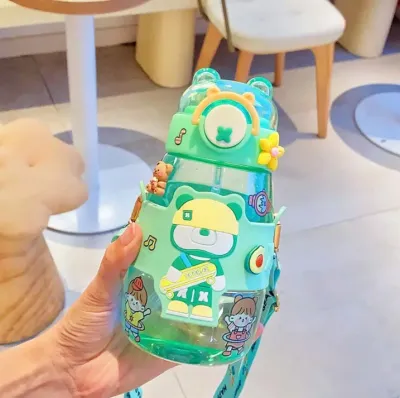
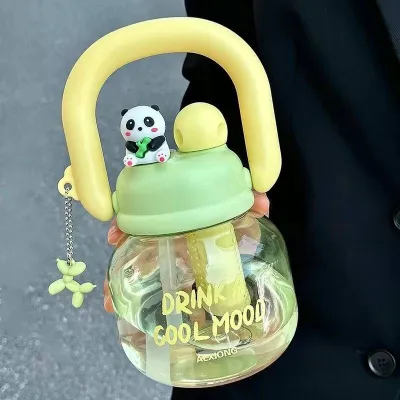
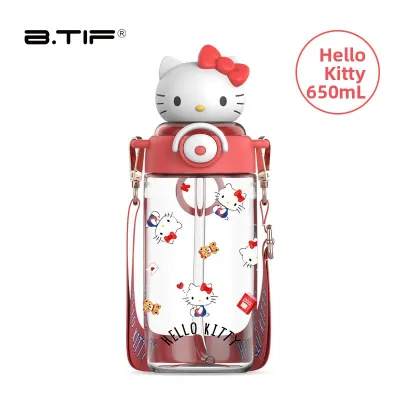
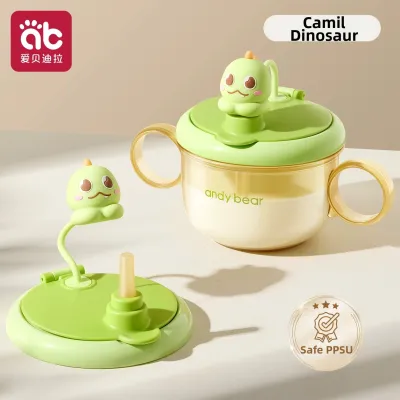
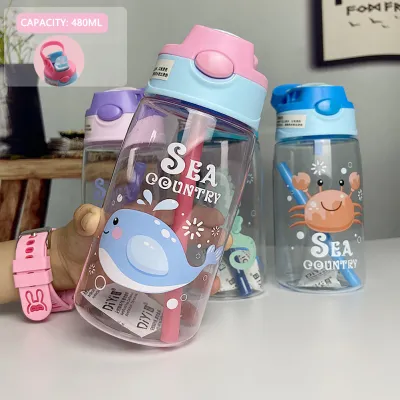
Prices are valid at publication and may change. Please refer to the product page for the latest price.
During the initial phase of weaning, typically around six months, your daughter is just learning to sit and grasp objects. A soft spout cup serves as an excellent bridge, offering a familiar sucking sensation while introducing the concept of holding a vessel. As she reaches nine to twelve months, her coordination improves, making her ready for a straw cup, which requires more advanced lip sealing and tongue control. Finally, around her first birthday, she can begin transitioning to open cups or 360-degree rim cups, which encourage mature swallowing patterns.
By focusing on her readiness—such as her ability to hold her head steady, sit upright with minimal support, and show curiosity about what you are drinking—you can introduce each cup at the exact moment she is physically prepared to use it. This milestone-based approach reduces the risk of choking, minimizes mealtime messes, and supports her natural oral development.
Stage 1 (Around 6 Months): First Sips and Spout Cups
At around six months of age, most infants begin their complementary feeding journey. This is the ideal window to introduce small sips of water alongside breast milk or formula. At this stage, your daughter is transitioning from the automatic sucking reflex used during bottle or breastfeeding to an active swallowing pattern. A soft spout cup is specifically designed to ease this transition by mimicking the familiar texture of a nipple while introducing a new drinking angle.

Before introducing a spout cup, verify that your daughter displays the key physical signs of readiness. She should be able to sit upright in her high chair with little to no support, maintain excellent head control, and actively reach for objects. If she watches you drink and attempts to grab your glass, she is showing the cognitive interest necessary to start practicing with her own cup.
When selecting a starter cup, look for models featuring ultra-soft silicone spouts. Hard plastic spouts should be avoided at this stage, as they can be uncomfortable on sensitive, teething gums and may negatively impact the alignment of emerging front teeth. The silicone spout should be gentle and flexible, allowing her to bite down comfortably as she learns to control the flow of water.
Ergonomic design is equally important for beginners. Choose a cup equipped with large, easy-grip double handles that are contoured for tiny hands. These handles allow your daughter to practice her grasp and bring the cup to her mouth independently, building her hand-eye coordination. Additionally, ensure the cup features a responsive, spill-proof valve. This valve should only release liquid when she applies pressure with her lips or gums, preventing sudden rushes of water that could cause her to choke or become startled.
Stage 2 (Around 9 to 12 Months): Straw Cups for Coordination
Between nine and twelve months, your daughter’s fine motor skills and oral coordination advance significantly. This is the perfect window to introduce a straw cup. Drinking through a straw is a highly beneficial developmental exercise that requires a completely different set of muscle movements than bottle feeding or using a spout cup.
When your daughter sips from a straw, she must actively seal her lips around the tube, draw her tongue backward, and coordinate her breathing with her swallowing. This process, known as tongue retraction, strengthens the muscles in her cheeks, lips, and jaw. These strengthened oral muscles play a vital role in her ability to chew textured solid foods and are foundational for producing clear speech sounds as she grows.
To make this stage successful, look for cups featuring a weighted straw. A weighted straw has a small, food-grade weight at the bottom of the tube that moves with the liquid. This design allows your daughter to drink successfully from any angle, even if she tilts the cup upside down—a common habit for babies who are accustomed to tilting bottles. The straw itself should be made of soft, flexible silicone to protect her delicate palate and gums from accidental pokes.
Hygiene is a critical consideration for straw cups, especially in warm, humid tropical climates. Moisture trapped inside narrow straws and complex valve systems can quickly become a breeding ground for mold and bacteria. When shopping, verify that the straw assembly can be completely disassembled for cleaning. Prioritize brands that include a dedicated, ultra-slim straw cleaning brush in the package, and check that the cup has minimal hidden crevices where residue can accumulate.
Stage 3 (12 Months and Beyond): Open Cups and 360-Degree Sippers
By the time your daughter reaches her first birthday, she is ready to begin transitioning toward a mature drinking style. Pediatric dental guidelines generally recommend phasing out spout cups by twelve months of age. Prolonged reliance on spouts can encourage a persistent infant-like sucking pattern, which may lead to dental misalignment, such as an open bite, and can delay the development of mature swallowing habits.
An open cup is the ultimate goal for oral health, as it requires your daughter to use her upper lip to control the flow of liquid while keeping her tongue resting naturally at the roof of her mouth. However, practicing with a standard open cup can lead to frequent spills and wet clothes. This is where 360-degree sippers serve as an invaluable training tool.
A 360-degree cup features a clever, valve-less rim with a circular silicone seal. Your daughter can place her lips anywhere along the edge and sip, just like she would with a regular open cup. The pressure of her lips releases the liquid, and the moment she stops sipping, the silicone seal closes automatically to prevent spills. This design allows her to practice the exact lip positioning and head tilting required for an open cup without the mess.
When you feel she is ready to try a true open cup, use a structured observation checklist to guide the process. Start by placing only one or two tablespoons of water in a small, durable, open cup. Sit with her and guide her hands as she lifts the cup to her mouth. Watch her closely for the following indicators:
- Lip Sealing: Does she successfully place her upper lip over the rim to control the flow, or does the water run down her chin?
- Tilt Control: Can she tilt the cup gradually, or does she dump the liquid quickly, leading to coughing or choking?
- Hand Control: Can she set the cup back down on the table without dropping or tipping it over?
If she struggles with these steps, simply return to the 360-degree cup for a few weeks to continue building her muscle memory before trying the open cup again.
Essential Features to Verify Before Buying
Before purchasing any sipper cup for your daughter, it is essential to look past appealing colors or cartoon characters and evaluate the product’s safety, durability, and ease of maintenance. Taking a few moments to verify these practical details will save you time, money, and frustration.
First, verify the material safety of the cup. Look for clear labels indicating that the product is made from food-grade silicone, BPA-free plastics, or high-quality stainless steel. Stainless steel is an excellent option for tropical environments, as it keeps water cool and refreshing during hot days, though it is heavier than plastic. Always check the manufacturer’s age recommendations on the packaging to ensure the flow rate of the valve matches your daughter’s developmental stage.
Second, carefully examine the cleaning requirements. In humid conditions, mold can develop rapidly in damp spaces. Avoid cups with overly complex, multi-part valve systems that cannot be easily taken apart. Look for cups with wide openings that allow you to reach the bottom easily with a standard bottle brush. Verify whether the parts are dishwasher-safe or if they can withstand steam sterilization, depending on your preferred sanitizing method.
Finally, consider your budget and the cup’s overall value. High-quality training cups in the local market typically range from ₱250 to ₱900. While it can be tempting to buy budget-friendly novelty cups, investing in a well-engineered, durable cup from a reputable brand ensures the seals remain leak-proof and the materials do not degrade after repeated washing. A single, reliable cup that is easy to clean and safe for your daughter is far more practical than multiple cheap cups that leak or collect mold.
Frequently Asked Questions (FAQ)
When should I stop using a spout cup?
It is generally recommended to phase out spout cups by around twelve months of age. Prolonged use of spouts can interfere with the natural development of your daughter’s oral muscles and may affect the alignment of her emerging teeth. If she can sit independently, hold a cup steady, and successfully sip from a straw or a 360-degree rim, she is ready to transition away from the spout cup entirely.
Are straw cups better for speech development?
Yes, straw cups are highly recommended by pediatric specialists because they promote active tongue retraction and strong lip sealing. The muscle movements required to draw liquid up a straw strengthen the cheeks, lips, and jaw. These are the exact same muscle groups your daughter will use to articulate speech sounds as she begins to talk. Opting for soft, flexible silicone straws ensures she can practice these oral motor skills safely.
Community discussion
Share your experience or ask a question. Comments are reviewed before publication.