
Choosing the right diaper for your baby is one of the most frequent decisions you will make as a parent in the Philippines. In a tropical climate characterized by high humidity and warm temperatures, a diaper is not just a tool for containing messes; it is a critical factor in your baby’s daily comfort, skin health, and overall happiness. With several options lining supermarket shelves and online marketplaces, finding the perfect balance between performance and cost can feel overwhelming.
Among the top choices for local households are Pampers, a long-standing household name; Huggies, widely recognized for its robust construction; and the Ichi diaper, a rapidly growing contender known for its value and accessibility. Each of these brands approaches baby comfort and leak protection with a distinct design philosophy, catering to different priorities, budgets, and baby body types. Understanding these differences is key to finding the ideal fit for your little one.
Quick Answer: Which Diaper Brand Should You Choose?
There is no single diaper brand that serves as a universal solution for every baby. The ideal diaper for your child depends entirely on their unique physical anatomy, skin sensitivity, daily activity level, and your household budget. What works perfectly for a slender, highly active toddler might not provide the same security for a chubby-cheeked, stationary infant.
Products mentioned in this guide
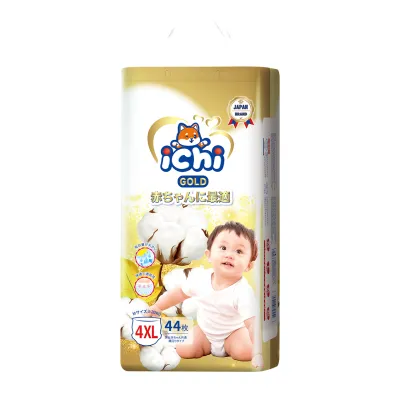
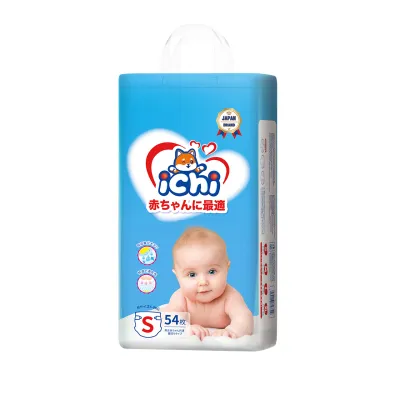
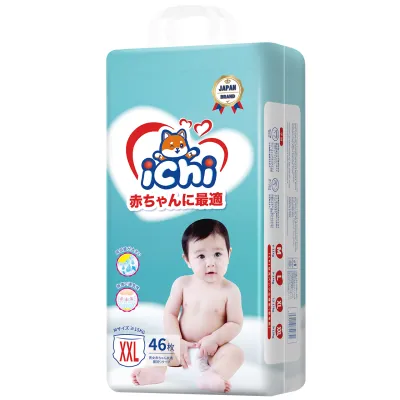
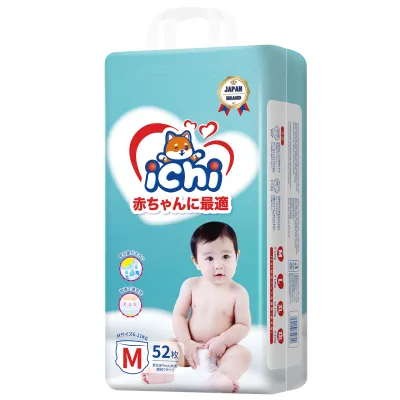
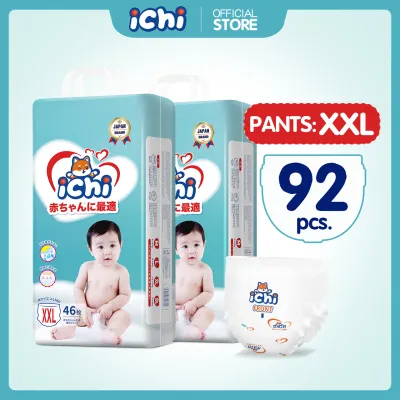
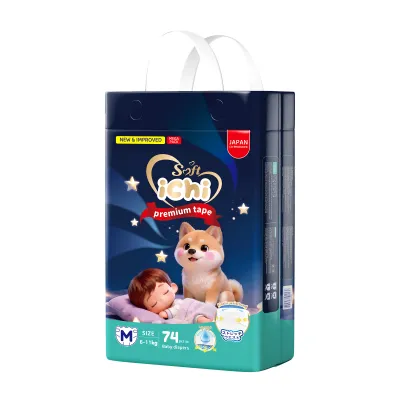
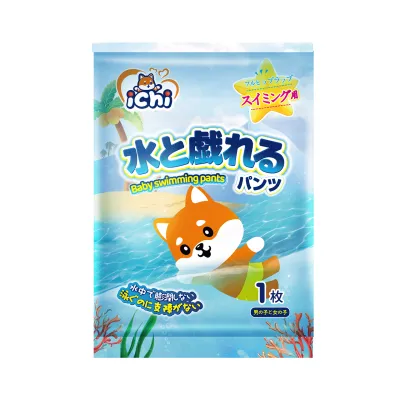
Prices are valid at publication and may change. Please refer to the product page for the latest price.
Generally, the market positioning of these three brands highlights their distinct strengths. Pampers is highly regarded for its ultra-slim profile and rapid-wicking core, making it an excellent choice for parents who prioritize a lightweight fit and fast absorption. Huggies is favored for its structural security, featuring highly elastic waistbands and specialized barriers designed to prevent messy back blowouts. Meanwhile, the Ichi diaper has established itself as an accessible, value-oriented option in the local market, making it highly attractive for families seeking a dependable diaper for high-frequency daytime changes without a premium price tag.
Because every baby’s skin and body shape are unique, you should expect to test small packs of different brands before committing to bulk purchases. This trial phase allows you to monitor how a diaper performs under real-world conditions, including overnight sleep and active play, ensuring you do not end up with a large supply of diapers that cause leaks or skin irritation.
Brand Positioning and Core Design Philosophy
To make an informed decision, it is helpful to look at what each manufacturer prioritizes during the design and production process. While all three brands aim to keep your baby dry, their structural designs reflect very different priorities.

Ichi Diapers
The Ichi diaper is designed primarily with value, accessibility, and high-frequency usage in mind. Recognizing that the tropical climate of the Philippines often demands more frequent diaper changes to keep skin fresh, this brand focuses on delivering essential leak protection and breathability at a highly competitive price point. Its design philosophy centers on simplicity and lightweight construction, making it an practical option for daytime wear when parents can easily monitor and change the baby regularly.
Pampers
Pampers focuses heavily on minimizing bulk and maximizing liquid distribution. Their core design philosophy centers on the idea that a thinner diaper allows for greater freedom of movement and enhanced comfort. To achieve this, they utilize thin absorbent cores and fast-wicking top sheets that draw moisture away from the skin instantly. Pampers maintains a wide product matrix, ranging from their widely available standard lines to their premium tiers, which incorporate ultra-soft materials and advanced skin-protection features.
Huggies
Huggies prioritizes physical security, containment, and a snug fit. Their design philosophy is built around active babies who twist, crawl, and turn throughout the day and night. Huggies diapers are characterized by their robust, stretchy waistbands and secure fastening tabs, which are engineered to move with the baby while keeping the diaper firmly in place. Like its competitors, Huggies offers multiple product tiers, from everyday value lines to premium, ultra-breathable options, allowing parents to choose the level of softness and features that match their budget.
Absorbency and Leak Protection: How the Ichi Diaper Compares in Humid Climates
Absorbency is the cornerstone of any diaper’s performance, especially in the tropical heat of the Philippines. When liquid is not absorbed quickly, the combination of moisture and ambient warmth can rapidly compromise your baby’s skin barrier. To understand how these brands perform, it is helpful to look at the mechanics of modern diaper construction.
Most disposable diapers rely on a combination of Super Absorbent Polymers (SAP) and an Acquisition Distribution Layer (DL). SAP consists of tiny gelling beads that can absorb many times their weight in liquid, locking it away so that pressure from the baby sitting down does not force the wetness back onto the skin. The distribution layer helps spread the liquid evenly across the diaper core, preventing it from pooling in one spot.
During daytime hours, the primary goal of a diaper is rapid absorption and breathability. Because caregivers are typically changing the diaper every few hours, a highly absorbent but slightly simpler core—such as that found in the standard Ichi diaper—is often more than adequate. For overnight use, however, the demands change significantly. A baby sleeping for eight to twelve hours requires a diaper with a high-capacity core that can handle multiple wettings without leaking or feeling damp on the outside. Premium lines from Pampers and Huggies are specifically engineered with denser SAP configurations to meet this overnight demand, keeping your baby dry and minimizing sleep disruptions.
Leak protection is further enhanced by structural elements like double-layered leg cuffs (standing inner gathers) and elasticized waist barriers. These features act as physical dams to contain liquid until the absorbent core can draw it in. When evaluating how a diaper performs on your baby, keep a close eye on these physical indicators:
- Heavy Sagging: Observe whether the diaper sags excessively between your baby's legs after only one or two urinations. A sagging diaper can pull away from the waist and legs, creating gaps where leaks can easily occur.
- Gel Beads on the Skin: Check your baby's skin during changes. If you notice tiny, clear, gelatinous beads, it indicates that the diaper's inner lining has ruptured or that the SAP is escaping, which can be an indicator of poor construction or an over-saturated diaper.
- Damp Outer Cover: Feel the outside of the diaper after a few hours. If the exterior fabric feels clammy or damp to the touch, the diaper's breathable outer barrier may be allowing moisture vapor to escape too quickly, or the core may have reached its maximum capacity.
Regardless of which brand you choose, it is vital to remember that no diaper can prevent diaper rash if it is left on for too long. Frequent changes, thorough cleaning, and allowing the skin to air-dry completely before putting on a new diaper are your primary defenses against moisture-related skin issues. Always follow the manufacturer’s care guidelines and stop use immediately if you suspect a diaper is failing to keep your baby’s skin dry.
Fit, Comfort, and Skin Health
A diaper can have exceptional absorbency, but if it does not fit your baby’s body correctly, leaks and discomfort are inevitable. Because babies come in all shapes and sizes, finding a diaper that accommodates their unique proportions is essential for maintaining skin integrity and supporting physical development.
Fit and Mobility
As babies grow and begin to reach milestones like rolling, crawling, and walking, their diaper must be flexible enough to move with them. Huggies is particularly well-known for its highly elastic waistbands and secure side panels, which provide a snug fit around the waist while preventing the diaper from sliding down during active play. Pampers relies on a combination of stretchy side tabs and a contoured, slim-fitting crotch area designed to reduce bulk between the thighs, promoting natural hip alignment and movement.
To ensure your baby’s diaper fits correctly, always practice the “two-finger rule.” Once the diaper is fastened, you should be able to easily slide two fingers between the diaper waistband and your baby’s tummy. If the fit is tighter than this, the diaper may pinch or restrict breathing; if it is looser, liquid can easily escape from the top. Similarly, run your finger around the leg cuffs to ensure the inner guards are flared outward rather than tucked inward, as tucked cuffs are a common cause of leg leaks.
Breathability and Skin Sensitivity
In a humid environment, heat rash (locally known as bungang-araw) and diaper dermatitis are constant concerns. When sweat and urine are trapped against the skin under a non-breathable plastic barrier, the skin quickly becomes irritated. High-quality disposable diapers feature cloth-like, micro-porous backsheets that allow air to circulate while keeping liquid contained.
If a diaper does not breathe well or fits too tightly, you will quickly notice physical signs of distress. Red marks or deep indentations around your baby’s thighs or waist indicate that the elastic is cutting into the skin, signaling that it is time to adjust the tabs or move up to a larger size. Chafing along the leg creases is another sign of friction caused by a poor fit or stiff materials.
Every baby’s skin chemistry is different. Some infants can wear heavily fragranced diapers without any reaction, while others will develop red, inflamed skin within minutes of contact. If your baby develops a persistent rash that does not improve with regular diaper changes and barrier creams, stop using your current diaper brand immediately and consult a pediatrician. Allergies or sensitivities to specific fragrances, lotions, dyes, or adhesives can occur with any brand, and terms like “hypoallergenic” on a package are general indicators that still require careful monitoring on your part.
Evaluating Value and Purchasing Convenience
For most families, diapering is a multi-year commitment that represents a significant portion of the monthly household budget. Therefore, evaluating the true cost-effectiveness of a brand is just as important as evaluating its performance.
To determine the actual value of a diaper, you must calculate the “cost per diaper” rather than simply comparing the retail price of different packages. Because pack counts vary widely across brands, sizes, and retailers, dividing the total price of the pack by the number of individual diaper pieces inside is the only accurate way to compare costs.
$$\text{Cost per Diaper} = \frac{\text{Total Pack Price}}{\text{Number of Diapers in Pack}}$$
When calculating this, you will find that premium product lines (such as Pampers Premium Care or Huggies Platinum) carry a significantly higher cost per piece than standard lines. These premium options typically feature softer materials, wetness indicators, and more advanced absorbent cores. In contrast, standard lines and value-focused options like the Ichi diaper offer a much lower cost per piece, making them highly economical for families who practice frequent daytime changes.
Availability and purchasing convenience also play a major role in your daily routine. Pampers and Huggies enjoy widespread distribution across the Philippines, meaning you can easily find them in physical supermarkets, neighborhood convenience stores (sari-sari stores), and dedicated baby boutiques. This makes it incredibly easy to pick up a small pack in an emergency.
The Ichi diaper, along with bulk packages of Pampers and Huggies, is highly accessible through official brand stores on major online e-commerce platforms. For busy parents, ordering online offers the convenience of home delivery, which is especially useful when purchasing large, bulky boxes of diapers. To maximize your savings, keep an eye out for online promotional events, bundle deals, and subscribe-and-save options offered by official online distributors, which can significantly lower your overall diapering expenses over time.
Decision Framework: Choosing the Right Diaper for Your Baby
To help you navigate these choices, use the following conditional framework to match a diaper brand to your baby’s specific needs and your family’s lifestyle:
- Choose Pampers if: You prefer an ultra-thin, lightweight diaper that does not bulk up under clothing, want rapid liquid distribution for an active baby during the day, and appreciate having access to widely available premium lines with advanced skin-softness features.
- Choose Huggies if: Your baby is prone to back blowouts, has a rounder belly or chunkier thighs that require highly elastic waistbands and flexible leg cuffs, or if you need a diaper that remains firmly anchored during vigorous crawling and playing.
- Choose Ichi if: You are looking for an accessible, budget-friendly diaper that allows you to manage costs effectively while maintaining a high frequency of daytime changes, or if you prefer to buy in bulk online to keep your cost-per-diaper as low as possible.
- Verify first if: Your baby has highly sensitive skin, eczema, or known allergies. Always inspect the diaper packaging for information regarding added fragrances, lotions, or materials, and begin by testing a single, small pack to observe how your baby's skin reacts before purchasing larger quantities.
Regardless of the brand you select, always refer to the manufacturer’s weight guidelines printed on the packaging as a starting point. However, keep in mind that these guidelines are approximate; your baby’s unique body shape, waist circumference, and thigh thickness are the ultimate factors in determining when it is time to transition to the next size.
Frequently Asked Questions (FAQ)
Can I mix different diaper brands for day and night use?
Yes, mixing diaper brands is a highly practical and budget-friendly strategy used by many parents in the Philippines. You can utilize a highly cost-effective, breathable diaper like the Ichi diaper during the daytime when you are changing your baby frequently. This allows you to manage your budget while keeping your baby fresh. Then, you can transition to a high-capacity, premium diaper from Pampers or Huggies for overnight use, ensuring your baby stays dry and comfortable for a longer, uninterrupted sleep.
How do I know if a diaper is too small for my baby?
There are several clear physical indicators that your baby has outgrown their current diaper size. First, look for deep red marks or elastic indentations around your baby’s thighs or waist after removing the diaper. Second, if you experience frequent leaks or blowouts despite putting the diaper on correctly, the core may no longer be large enough to handle your baby’s urine output. Finally, if the fastening tabs meet far out on the hips rather than near the center, or if the waistband sits significantly below your baby’s belly button, it is time to move up to the next size.
Community discussion
Share your experience or ask a question. Comments are reviewed before publication.