
Finding the right diaper pants for your baby in the Philippines involves balancing cost, absorbency, and comfort under humid tropical conditions. Because every baby has a unique body shape, skin sensitivity, and activity level, no single brand is universally superior. Instead, the best-performing diaper is the one that matches your baby’s current developmental stage and your family’s daily routine.
To make an informed choice, you must evaluate how different brands handle moisture, fit your baby’s body, and impact your household budget. Comparing Ichi, Pampers, Equator, and Huggies across these practical categories allows you to build a customized diapering strategy that keeps your baby dry and comfortable day and night.
Quick Answer: Matching Diaper Brands to Your Baby's Needs
Selecting the right diaper pants depends on your primary caregiving goals, whether you prioritize budget, skin protection, or maximum mobility for an active toddler. A conditional decision framework helps you match these brands to your specific household needs:
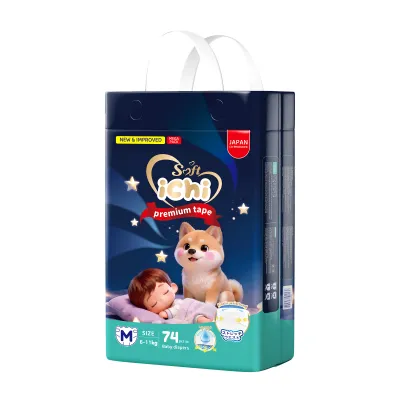
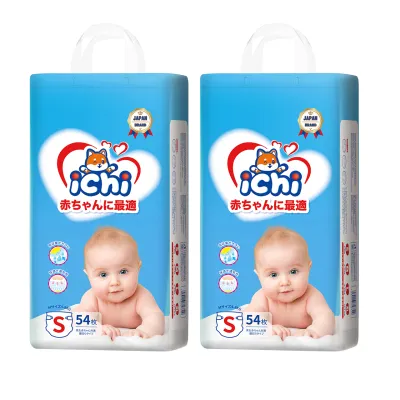
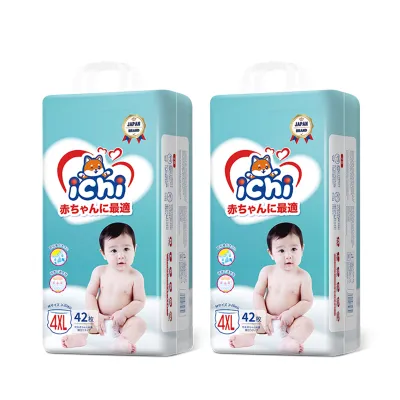
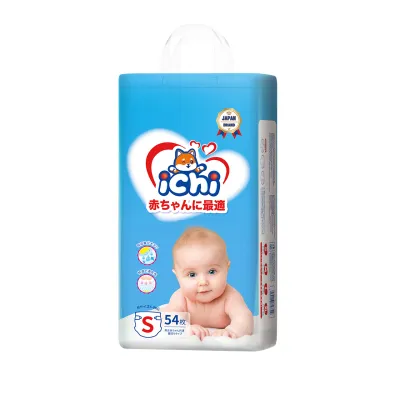
Products mentioned in this guide
![[LAZ EXCLUSIVE]ICHI Pull-up Pants Baby diapers All size four packages XX-Large Size Medium XL XXL XXXL Tape](https://img.lazcdn.com/g/p/43fe35803e1796859e8fac2361e3ffbd.jpg_400x400q80.jpg_.webp)
Prices are valid at publication and may change. Please refer to the product page for the latest price.
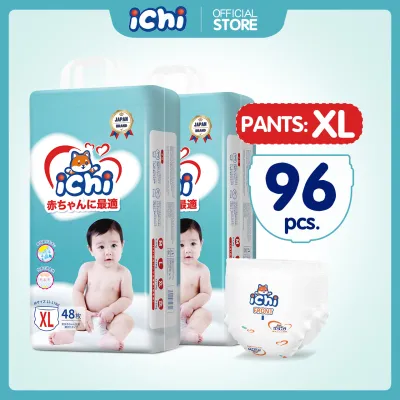
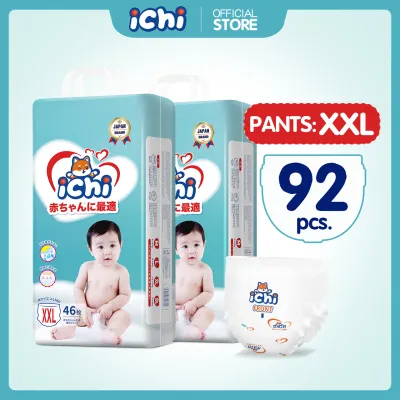
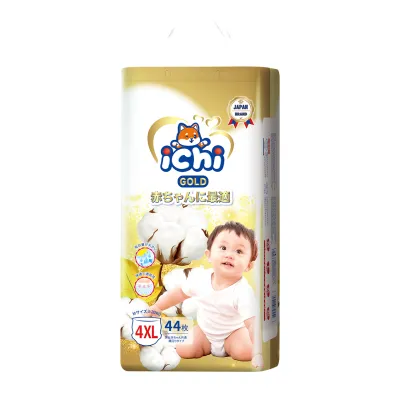
- Choose Ichi if you are looking for specific budget-friendly features, modern designs, and local availability advantages. Be sure to verify current stock levels and packaging claims on your preferred shopping platforms before purchasing.
- Choose Pampers if your main priority is widely available premium skin-care liners, established wetness indicators, and a trusted reputation for overnight dryness.
- Choose Equator if you need a practical balance of cost and basic daily performance, making them highly suitable for frequent daytime changes.
- Choose Huggies if your baby is highly active, crawling, or walking, and requires specialized waistband elasticity and secure leg cuff designs to prevent leaks during movement.
Before committing to any brand in bulk, always verify if your baby has known skin sensitivities. You can do this by carefully checking the ingredient lists, lotion infusions, and material claims printed on the packaging.
Evaluating Absorption and Leak Protection Capabilities
Absorption is the core function of any diaper, but how a diaper manages wetness depends heavily on its internal technology and structural design. When comparing these four brands, start by checking the packaging for specific absorption layer technologies, such as superabsorbent polymer (SAP) gel beads or specialized channel designs that distribute liquid evenly.

Channels are particularly useful because they prevent the liquid from pooling in one spot, which can cause the diaper to sag and leak. You should also look for the manufacturer’s maximum recommended wear time, keeping in mind that daytime diapers generally require more frequent changes than specialized overnight options.
Beyond the internal core, you must physically inspect the diaper’s outer defenses to prevent messy blowouts. Turn the diaper pants inside out and check the height of the inner leak guards; taller, double-layered guards offer better containment when your baby sits or rolls over.
Test the elasticity of the leg cuffs and the waistband by gently stretching them with your fingers. A high-quality elastic should spring back quickly into shape, ensuring a snug seal around your baby’s thighs and lower back without gaps.
As your baby wears the diaper, monitor for observable signs of structural failure that indicate it is time to try a different design or size. Common warning signs include heavy sagging when only slightly wet, a damp feeling on the outside of the outer cover, or red marks on your baby’s thighs from overly tight elastics.
Remember that actual leak protection varies significantly based on your baby’s unique urine output and daily movement patterns. To avoid wasting money on a large pack that might leak, purchase small trial packs first to observe how the diaper performs under real-world conditions.
Assessing Comfort, Breathability, and Skin Sensitivity
The tropical climate of the Philippines presents unique challenges for baby skin care, as high heat and humidity can easily trap moisture inside a diaper. To prevent discomfort, you must review the inner liner materials of each brand to ensure they feel soft to the touch and do not cause friction against delicate skin.
Pay close attention to whether the liners are infused with added lotions, aloe vera, or synthetic fragrances. While these additives are designed to protect the skin, they can sometimes trigger allergic reactions or contact dermatitis in babies with highly sensitive skin.
Breathability is crucial for managing humidity and preventing heat rash, often locally referred to as bungang-araw. Look for breathability indicators on the packaging, such as claims of micro-pores or air-flow channels on the outer cover that allow hot air to escape while keeping wetness locked inside.
A highly breathable diaper feels cooler to the touch even after hours of wear, reducing the risk of sweat accumulation around the waistband and groin.
Additionally, compare the overall thickness and flexibility of the diaper pants. Thinner, highly flexible diaper pants conform better to your baby’s natural movements, reducing the likelihood of chafing and skin irritation during active play.
If you observe persistent diaper rash, redness, or skin irritation with any brand, stop using it immediately. Clean the area with mild water, let the skin air dry, and consult a pediatrician for professional medical advice.
Navigating Fit, Sizing, and Mobility for Active Babies
Because diaper sizing is not universally standardized across brands, a “Medium” in one brand may fit completely differently than a “Medium” in another. To find the correct fit, always cross-reference your baby’s current weight with the specific weight ranges printed on each brand’s packaging rather than relying on age recommendations.
If your baby is near the upper limit of a weight range, it is generally safer to size up to ensure adequate coverage and absorption capacity.
For toddlers who are learning to crawl, walk, or undergo potty training, the waistband design of diaper pants is incredibly important. Look for a 360-degree elastic stretch that allows the pants to pull up easily like real underwear while remaining secure during vigorous movement.
The waistband should be soft and wide enough to distribute pressure evenly across your baby’s tummy, preventing the diaper from sliding down as it fills with wetness.
When fitting the diaper pants on your baby, perform a quick physical check around the waist and legs. There should be no visible gaps where liquid could escape, but the elastic should not be so tight that it leaves deep, lasting red indentations on the skin.
Always adjust your size choice based on your baby’s specific body shape. For example, a baby with chunky thighs may require a larger size or a brand with highly stretchy leg cuffs, whereas a baby with a slender build may need a snugger, narrower cut to prevent leg-gap leaks.
Calculating Price per Diaper and Overall Value
To understand the true cost of diapering, you must look beyond the upfront price of a single pack or box. Because pack sizes and diaper counts vary significantly between brands, the most accurate way to compare cost-effectiveness is to calculate the exact price per piece.
You can easily calculate this by dividing the total price of the pack by the number of diapers inside, giving you a clear price per piece in Philippine Pesos (₱).
- Step 1: Note the total price of the diaper pack (e.g., ₱450.00).
- Step 2: Note the total number of diaper pants inside the pack (e.g., 30 pieces).
- Step 3: Divide the price by the count (₱450.00 / 30 = ₱15.00 per piece).
When evaluating this figure, you must also factor in your baby’s required change frequency. A cheaper diaper that leaks frequently or sags quickly may require more frequent changes, meaning you will use more diapers per day and spend more money in the long run.
Conversely, a slightly more expensive diaper with superior absorption might keep your baby dry for longer periods, reducing the total number of diapers used daily.
To lower your overall unit cost, look for bulk buying options, case packs, or subscription discounts on major ecommerce platforms and official online brand stores. Many brands offer significant discounts during monthly online sales events, allowing you to stock up on your preferred diaper pants at a lower price per piece.
Finally, balance your household budget by reserving premium, highly absorbent diaper pants for overnight use and using more cost-effective, budget-friendly options for frequent daytime changes.
Final Decision Framework: Building Your Diaper Strategy
Instead of searching for a single perfect brand, successful diapering often involves building a flexible strategy that adapts to your baby’s daily routine. Begin by purchasing small trial packs of Ichi, Pampers, Equator, and Huggies to test how each brand performs on your baby’s unique body shape.
Keep a simple log over a few days, noting any instances of leaks, skin redness, ease of pulling the pants up, and how long your baby remains comfortable in each brand.
Consider adopting a highly practical hybrid diapering approach to optimize both your budget and your baby’s comfort:
- Daytime Strategy: Use cost-effective, highly breathable diaper pants for active daytime hours when you naturally change your baby more frequently.
- Nighttime Strategy: Use highly absorbent, premium diaper pants with advanced moisture-locking cores for long sleep stretches to prevent wetness-induced wakeups.
As your baby grows, continue to re-evaluate your diaper choices regularly. A brand that fits perfectly during infancy may no longer provide adequate coverage once your baby becomes a highly active toddler, or your baby’s skin sensitivity may change as they transition to solid foods.
Frequently Asked Questions (FAQ)
Can I mix different diaper brands for day and night use?
Yes, mixing different diaper brands for day and night use is a highly practical and safe strategy used by many parents. Using a highly absorbent, premium brand for overnight sleep ensures your baby stays dry and comfortable for up to 12 hours, promoting uninterrupted rest.
During the day, when changes are much more frequent, you can switch to a lighter, highly breathable, and more budget-friendly brand to save money without compromising on skin health.
How do I know if my baby needs to size up in diaper pants?
Your baby likely needs to size up if you experience frequent, unexplained leaks, or if the diaper pants are difficult to pull up over your baby’s hips. Physical signs on the skin, such as deep red elastic marks around the waist or thighs, also indicate that the current size is too tight.
Additionally, if the diaper rise is too low and no longer covers your baby’s belly button, or if your baby’s weight has reached the upper limit of the range printed on the packaging, it is time to transition to the next size.

Community discussion
Share your experience or ask a question. Comments are reviewed before publication.