
Quick Answer: Which Diaper Brand Should You Choose?
Finding the right diaper for your baby in the Philippines often comes down to balancing performance, comfort, and cost. There is no single diaper brand that serves as a universal winner for every infant. The ideal choice depends heavily on your baby’s unique physical anatomy, their level of daily activity, and how their skin reacts to different materials under tropical weather conditions.
For parents navigating the humid climate, a diaper’s breathability and fit are just as crucial as its liquid capacity. If your baby has highly sensitive skin or is prone to heat rashes, you may need to prioritize ultra-soft, fragrance-free materials. On the other hand, if you have an active crawler or a baby with chunky thighs, a brand that offers superior waistband stretch and flexible leg cuffs will be your primary focus.
Ultimately, finding the perfect match requires a bit of trial and careful observation. Starting with smaller packs allows you to test how a specific brand performs during active daytime play and long overnight stretches before committing to a bulk purchase.
Products mentioned in this guide
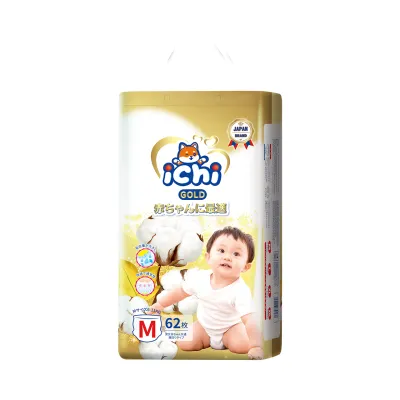
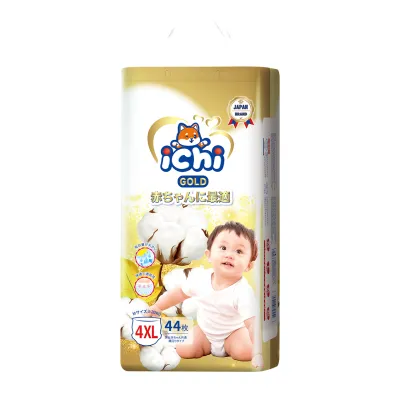
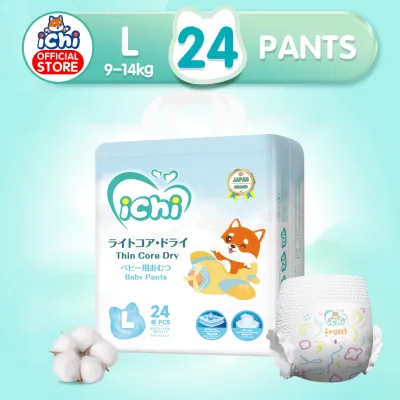
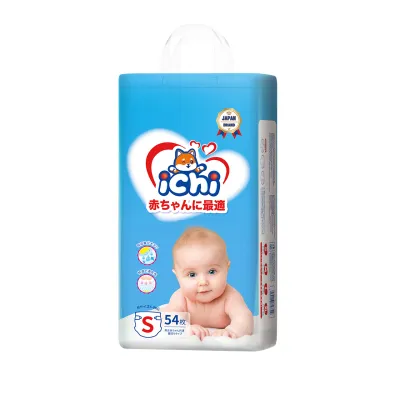
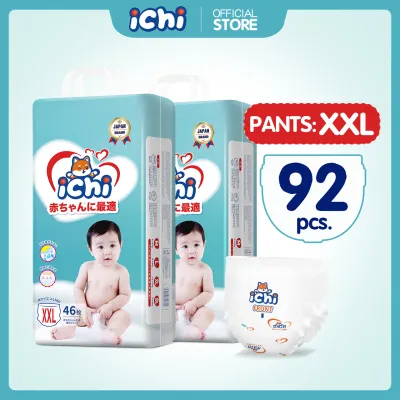
![[LAZ EXCLUSIVE]ICHI Pull-up Pants Baby diapers All size four packages XX-Large Size Medium XL XXL XXXL Tape](https://img.lazcdn.com/g/p/43fe35803e1796859e8fac2361e3ffbd.jpg_400x400q80.jpg_.webp)
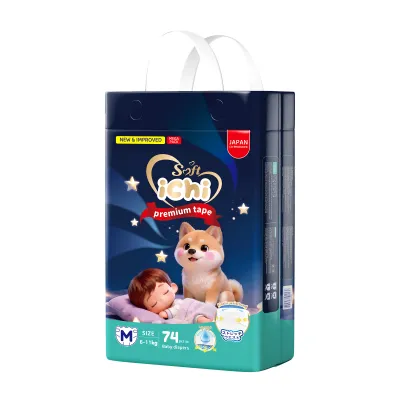
Prices are valid at publication and may change. Please refer to the product page for the latest price.
Comparing Ichi Gold, Pampers, and Huggies
When comparing Ichi Gold, Pampers, and Huggies, caregivers are looking at three distinct design philosophies. To make an informed decision, it is helpful to evaluate them across three essential pillars: absorbency technology, physical fit, and material comfort.

Because diaper manufacturers frequently update their product designs, material compositions, and sizing specifications, it is always wise to check the latest packaging details. What worked for an older sibling a few years ago might have different specifications today, making active verification a key step for parents.
Absorbency and Leak Protection
Absorbency is the core function of any disposable diaper, especially in a tropical environment where trapped moisture can quickly lead to skin irritation. When evaluating these brands, look closely at the advertised core technologies printed on the packaging. Many modern diapers utilize advanced absorbent channels or specialized gel cores designed to distribute liquid evenly rather than letting it pool in one spot.
In daily use, you can assess absorbency by observing how the diaper behaves when wet. A high-performing diaper core should lock moisture away from the surface, leaving the inner lining relatively dry to the touch. Pay attention to whether the diaper sags heavily after a single wet or if it maintains its structure. Heavy sagging can pull the diaper down, creating gaps around the waist and legs that invite leaks.
For overnight use or for babies who are heavy wetters, standard daytime diapers may not suffice. You will want to check if the brand offers dedicated overnight variants or “extra dry” lines. These specialized options typically feature thicker absorbent layers or enhanced barriers designed to handle multiple wettings over an eight-to-twelve-hour period, helping your baby sleep without interruption.
Fit, Sizing, and Waistband Design
A diaper can have excellent absorbency, but if the fit is incorrect, leaks are almost guaranteed. Babies come in all shapes and sizes; some have round, prominent bellies, while others have lean torsos and chunky thighs. The physical cut of the diaper—whether it features a high-rise waist, a low-rise cut, or a wider crotch area—plays a massive role in how well it accommodates your baby’s specific body shape.
When examining the waistband, look for elasticity and stretch. A flexible waistband allows the diaper to expand and contract as your baby breathes and eats, preventing discomfort after feedings. The leg cuffs, or ruffles, should fit snugly around the thighs to create a secure seal, but they must not be so tight that they leave deep, angry red marks.
It is vital to remember that sizing is not standardized across diaper manufacturers. A size Medium in Ichi Gold may have a completely different weight range and physical cut than a size Medium in Pampers or Huggies. Always refer to the weight guidelines printed on the specific packaging rather than relying solely on the size letter or number.
Material Softness and Skin Comfort
In the intense heat and humidity of the Philippines, the texture of a diaper’s materials can make a significant difference in your baby’s daily comfort. Friction between a rough diaper lining and delicate skin, combined with sweat, is a primary recipe for chafing and diaper rash. When opening a new pack, physically feel both the inner lining and the outer cover to assess their softness.
Caregivers should look for materials that feel cotton-like and breathable. Check the product labels for specific skin-friendly designations, such as dermatological testing, hypoallergenic claims, or the absence of added fragrances, lotions, and elemental chlorine. Fragrance-free options are often preferred for babies who show early signs of skin sensitivity.
Even if a diaper brand claims to be hypoallergenic, every baby’s skin chemistry is unique. It is essential to monitor your baby’s skin closely whenever you introduce a new brand or even a new batch of the same brand. Look out for localized redness, dry patches, or small bumps, which can indicate that the material or the fit is causing friction.
Decision Framework: Matching the Diaper to Your Baby
To help you decide which brand to purchase, consider this practical decision framework based on observable baby traits and household priorities:
- Choose Ichi Gold if: You are looking for a modern, cost-effective diaper option that offers competitive everyday performance. This brand is often favored by parents who want to balance a practical household budget with a diaper that handles regular daytime changes efficiently.
- Choose Pampers if: You prefer a lightweight, thin diaper design that prioritizes high mobility and a less bulky feel under clothing. This is highly suitable for active babies who are crawling, walking, or running, and who benefit from a streamlined fit.
- Choose Huggies if: Your baby is prone to back blowouts or has a body shape that requires a highly secure, pocketed waistband and robust, elastic leg barriers to keep messes contained.
- Verify first if: Your baby has diagnosed skin conditions like eczema or severe contact dermatitis. In these situations, always consult your pediatrician before switching diaper brands, and carefully verify the ingredient list of any diaper lotion or adhesive used in the manufacturing process.
To balance your household budget, it is highly recommended to calculate the cost per diaper rather than comparing the total pack price. You can easily do this using this simple formula:
$$\text{Cost per Diaper} = \frac{\text{Total Pack Price (₱)}}{\text{Number of Diapers in the Pack}}$$
For example, if a pack costs ₱600 and contains 40 diapers, the cost per diaper is ₱15. Keep in mind that purchasing larger bulk boxes on major online marketplaces or during monthly promotional sales often yields a much lower unit price than buying small convenience packs at local grocery stores. However, avoid buying bulk boxes of a new brand until you have successfully tested a small pack on your baby.
Practical Tips for Checking Fit and Preventing Leaks
Regardless of which diaper brand you choose, proper application is key to preventing leaks and ensuring your baby remains comfortable throughout the day. Here are three actionable steps you can take during every diaper change:
First, utilize the two-finger rule to check the waistband tightness. Once the diaper is fastened, slide two of your fingers comfortably between the diaper’s waistband and your baby’s tummy. If the fit is so tight that your fingers cannot slide in easily, loosen the tapes or transition to a larger size. If there is a large, gaping space, tighten the tapes to prevent liquid from escaping up the back.
Second, always manually flare out the leg cuffs. After securing the diaper, run your finger along the inside of the leg openings to pull the elasticized ruffles outward. If these ruffles remain tucked inward, they cannot perform their job as a barrier, and liquid will easily bypass them, leading to wet clothing.
Third, learn to recognize the clear signs that it is time to size up. Do not wait until your baby reaches the absolute maximum weight limit printed on the packaging. You should transition to the next size if you observe any of the following:
- You experience frequent, unexplained leaks or blowouts despite correct application.
- The diaper leaves deep, persistent red marks on your baby's thighs or waist.
- The waistband sits significantly below your baby's belly button when they are standing or sitting.
- The diaper's absorbent core does not fully cover your baby's bottom from front to back.
Frequently Asked Questions (FAQ)
Can I mix different diaper brands for daytime and nighttime use?
Yes, mixing diaper brands is a highly practical and cost-effective strategy used by many Filipino families. Because babies require more frequent changes during the day—typically every two to three hours—you can use a more budget-friendly diaper like Ichi Gold for daytime wear. For overnight sleep, you can switch to a premium, highly absorbent diaper from Pampers or Huggies to ensure your baby stays dry and comfortable for longer stretches. If you adopt this strategy, monitor your baby’s skin to ensure they tolerate the materials of both brands without developing friction-related irritation.
How do I know if my baby is allergic to a specific diaper brand?
An allergic reaction or contact dermatitis typically presents as localized, bright red skin that directly matches the shape of the diaper, particularly where the elastic bands or adhesives touch the skin. This is different from standard diaper rash, which usually appears in the skin folds due to trapped moisture. If the redness persists or worsens despite frequent diaper changes, thorough air-drying, and the application of a barrier cream, your baby may be reacting to a specific material or fragrance. In such cases, stop using the brand immediately and consult your pediatrician for professional guidance.
Community discussion
Share your experience or ask a question. Comments are reviewed before publication.