
Finding the most economical diaper deal for your baby requires looking past flashy promotional banners and bold marketing claims. While an Ichi Buy 1 Take 1 (B1T1) deal sounds like an unbeatable bargain, it does not automatically guarantee the lowest cost per piece when compared to promotional offers from Pampers, Equator, or Huggies. Because prices, pack sizes, and shipping rates fluctuate constantly on ecommerce platforms, the only reliable way to find the best value is to calculate the exact cost per diaper for your baby’s current size. This guide provides the mathematical framework and comparison checklist to evaluate Ichi’s Buy 1 Take 1 against Pampers, Equator, and Huggies deals, ensuring you make the most cost-effective choice for your next haul.
How to Calculate the True Cost Per Diaper
To find the true value of any diaper promotion, you must look past the initial price tag and calculate the cost per individual diaper. This simple mathematical approach strips away marketing hype and allows you to compare different pack sizes and promotional structures on an equal footing. By focusing on the unit price, you can easily determine whether a bulk package actually saves you money or if a smaller, discounted pack is more economical.
The core formula is straightforward: divide the total out-of-pocket cost by the total number of diapers you will actually receive.
Products mentioned in this guide
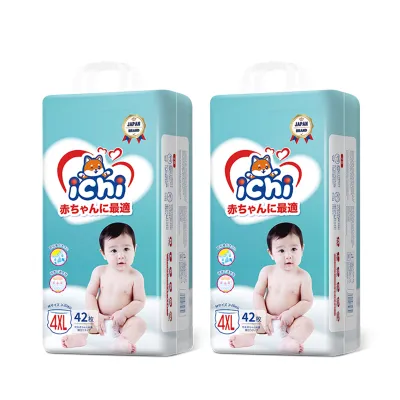
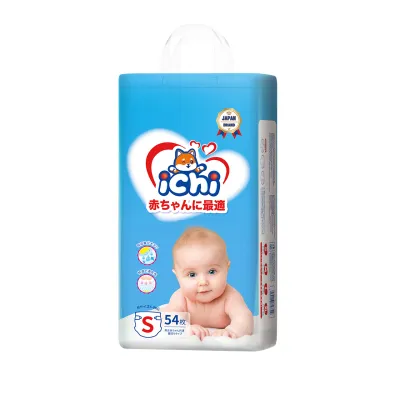
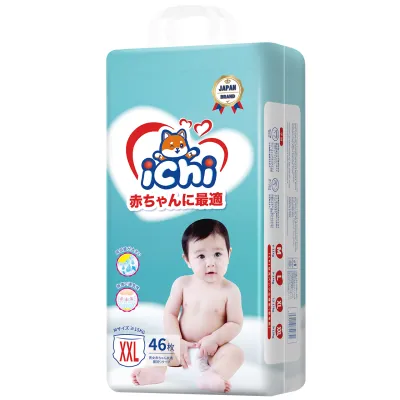
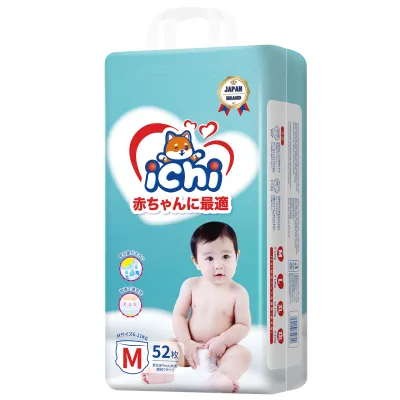
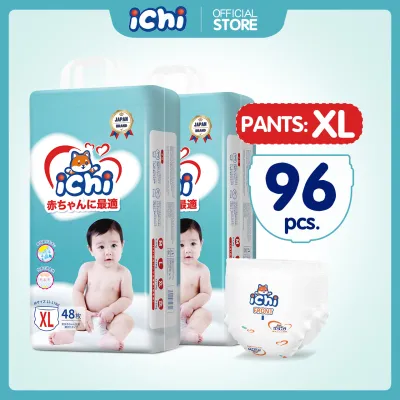
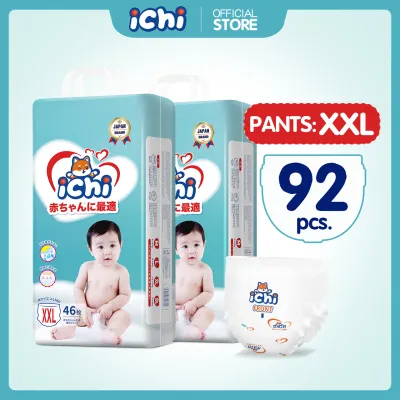
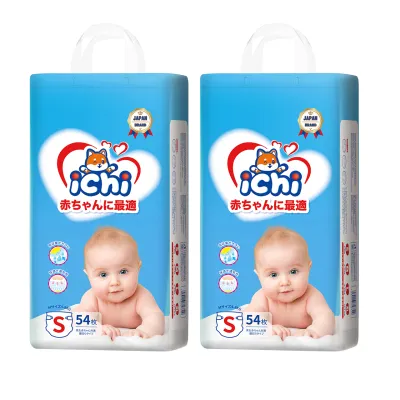
Prices are valid at publication and may change. Please refer to the product page for the latest price.
Cost Per Diaper = Total Checkout Price / Total Number of Diapers
This formula ensures that every peso spent is accounted for, giving you a clear picture of your actual expenses.
When dealing with a Buy 1 Take 1 promotion, such as those frequently offered by Ichi, you must adjust the formula to account for the free pack. To do this, double the diaper count of a single pack in your calculation while keeping the base promotional price as the total cost. For example, if a single pack contains a specific number of diapers, a B1T1 deal means you will receive twice that number in total. Use this doubled figure as your denominator to find the true cost per piece.
However, the price listed on the product page rarely reflects your actual out-of-pocket expense. To get an accurate calculation, you must factor in hidden costs and discounts at checkout. Add any shipping fees to the product price, and subtract any platform vouchers, store coupons, or cashback rewards. If a promotion requires a minimum spend to qualify for a discount, ensure you include the cost of any extra items you had to add to your cart to meet that threshold.
Comparing Promo Mechanics: B1T1 vs. Direct Discounts
Different diaper brands utilize distinct promotional strategies to attract parents on ecommerce platforms. Understanding how these mechanics work helps you choose the deal that best fits your budget, storage space, and immediate diapering needs.

Ichi’s Buy 1 Take 1 structure is designed to maximize volume. This mechanic is highly effective for stocking up on standard diaper sizes, provided the base price of the single pack is already competitive. The primary advantage of a B1T1 deal is that it instantly doubles your inventory for a single transaction, reducing the frequency of your online orders. However, this setup requires a larger upfront cash outlay and significant storage space in your home to keep the extra packs clean and dry.
Direct price cuts and percentage discounts, which are commonly utilized by brands like Pampers and Huggies, offer a different kind of flexibility. These promotions reduce the price of a single pack or a smaller bundle without forcing you to take home double the quantity. Direct discounts are often more suitable when your baby is on the verge of outgrowing their current size, as you can buy just enough diapers to bridge the transition without risking leftover stock that your baby can no longer wear.
Bundle deals and gift-with-purchase promotions, frequently seen with Equator or specific premium lines, require a bit more evaluation. These deals might bundle multiple packs together at a slight discount or include free items like baby wipes, toiletries, or small toys. To evaluate these deals, determine if the freebie is an item you would actually buy. If it is, you can subtract its realistic retail value from the total price before calculating your cost per diaper. If the freebie is not useful to you, ignore its value entirely and calculate the cost per diaper based solely on the diaper count.
Key Variables That Change the Final Value
Comparing diaper deals is not always a straightforward task because several variables can skew your calculations. To ensure you are making an accurate comparison, you must verify specific product details before checking out.
First, always compare diapers within the exact same size and weight range. Diaper sizes are not standardized across all brands; a medium diaper from one brand might have a different weight limit than a medium diaper from another. Furthermore, smaller sizes (such as Newborn or Small) naturally contain more pieces per pack and have a lower cost per piece than larger sizes (such as Large or Extra Large). Always check the manufacturer’s size chart to ensure the diapers will fit your baby’s current developmental stage.
Second, pay close attention to product lines and material tiers. Comparing a premium product line, such as Pampers Premium Care, to a standard or basic line from Ichi or Equator will skew your value assessment. Premium lines typically feature advanced materials, specialized wetness indicators, and enhanced breathability, which command a higher price point. If your priority is pure budget savings, compare the basic or standard lines of each brand. If your baby has sensitive skin and requires premium features, compare only the premium tiers across brands.
Third, consider expiration dates and storage limits. While bulk-buying through a B1T1 deal is financially appealing, it carries practical risks. Babies grow rapidly, and buying too many diapers in one size can leave you with a large stash of unusable diapers. Additionally, disposable diapers have a shelf life. In humid tropical climates, storing diapers for extended periods can expose them to moisture, which may degrade the absorbent materials and adhesive strips over time.
Step-by-Step Decision Framework for Your Next Diaper Haul
To make the most of your budget during the next major online sale, follow this structured decision framework before hitting the checkout button.
Step 1: Lock in your baby’s current requirements. Check your baby’s current weight and developmental stage, then identify the exact diaper size and product tier needed. Do not rely on past purchases, as babies can transition sizes quickly.
Step 2: Gather the final checkout prices. Add the diaper packs to your cart on your preferred ecommerce platform. Proceed to the checkout screen to see the final price, including estimated shipping fees, taxes, and any applied store or platform vouchers. Do this for the Ichi B1T1 deal and the competing promos from Pampers, Equator, and Huggies.
Step 3: Apply the cost-per-diaper formula. Divide the final checkout price for each option by the total number of diapers you will receive. Write down the cost per piece for each brand to make a clear comparison.
Step 4: Make your final decision. Choose the option that offers the lowest cost per piece, but adjust your choice based on practical constraints. If the cheapest option requires buying a massive quantity that you cannot store or that your baby might outgrow within a month, it may be wiser to opt for a slightly more expensive per-piece deal that comes in a smaller quantity.
Frequently Asked Questions (FAQ)
Is a Buy 1 Take 1 promo always cheaper than a straight discount?
A Buy 1 Take 1 promo is mathematically equivalent to a 50% discount on the base price of a single pack, assuming you actually need the second pack. A straight discount or percentage-off promo from another brand will only be cheaper if the discount exceeds 50%, or if the base price of the discounted brand is significantly lower than the base price of the B1T1 brand. Always run the calculations for both options using the final checkout price to see which deal delivers a lower cost per piece.
How do I factor in shipping fees when comparing diaper deals?
To factor in shipping fees, add the total shipping cost to the promotional price of the diapers before dividing by the total number of pieces. This is crucial because B1T1 deals and bulk bundles result in heavier, bulkier packages. On many ecommerce platforms, shipping fees are calculated based on weight and volume, which means a bulk diaper order might incur a higher shipping fee that offsets some of the promotional savings.
What should I check before bulk-buying diapers on promo?
Before committing to a large promotional purchase, verify your baby’s current weight against the manufacturer’s size chart to ensure they will not outgrow the diapers too quickly. Next, check the manufacturing or expiration date on the packaging to ensure the diapers will remain in good condition throughout their storage period. Finally, review the return, exchange, and refund policies of the online store or marketplace, as some promotional items may be marked as non-returnable.

Community discussion
Share your experience or ask a question. Comments are reviewed before publication.