
Selecting the right extra-extra-extra-large (XXXL) diaper for your toddler in the Philippines is not about finding a single, universally superior brand. Instead, the ideal choice depends entirely on your toddler’s unique body shape, their specific wetting patterns, and your household budget. Huggies, Pampers, and Equator each offer distinct design philosophies, cuts, and absorbency structures in their XXXL offerings, making certain variants better suited for specific daily scenarios.
In the warm and humid Philippine climate, finding a diaper that balances secure containment with skin breathability is essential. As toddlers grow more active, their diaper needs shift from simple liquid containment to supporting constant movement without causing chafing or leaks. By understanding the structural differences between these three prominent brands, you can make an informed decision that keeps your toddler comfortable and dry.
Confirming XXXL Sizing and Understanding Brand Fit Profiles
Before purchasing a large supply of XXXL diapers, it is crucial to verify that your toddler actually requires this size. Diaper sizing is primarily determined by weight and body proportions rather than age. Common physical indicators that your toddler has outgrown their double-extra-large (XXL) diapers include persistent red marks around the thighs or waist, frequent leaks despite proper application, and a waistband that sits too low on the hips or feels tight to the touch.
Products mentioned in this guide
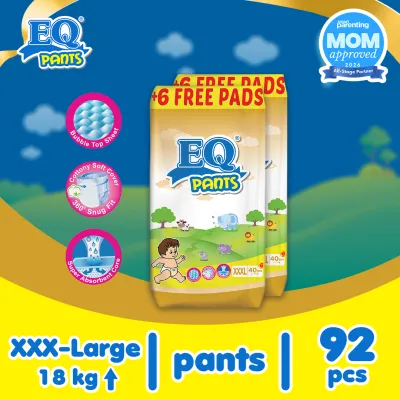
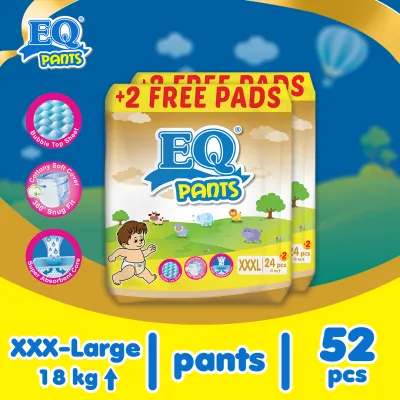
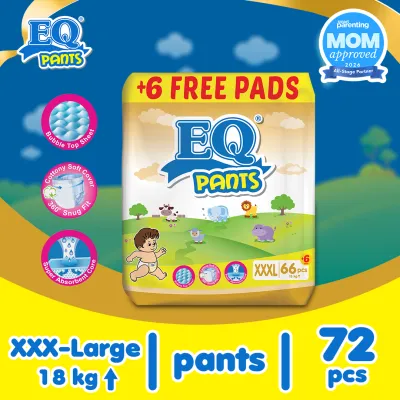
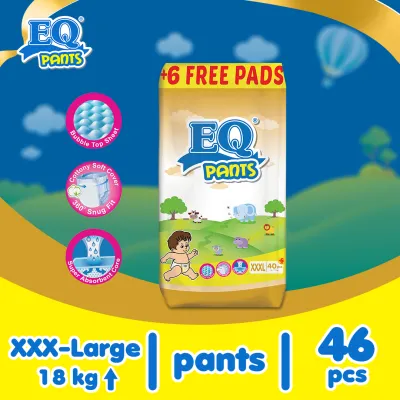
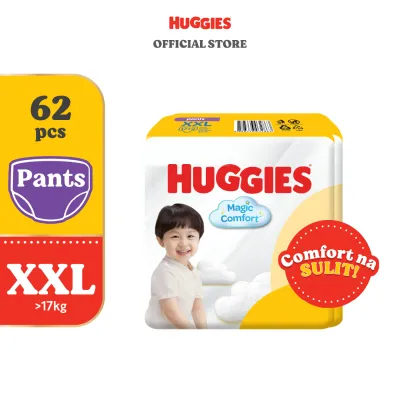
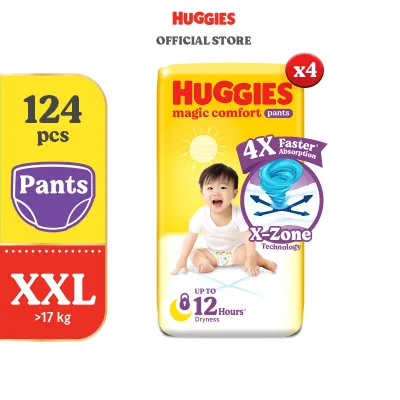
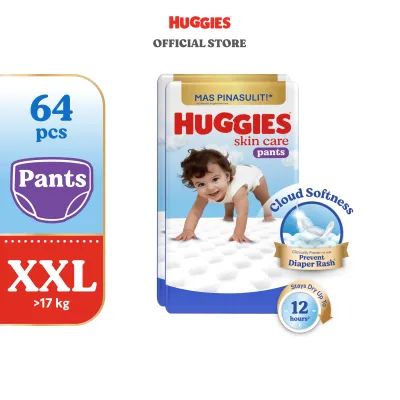
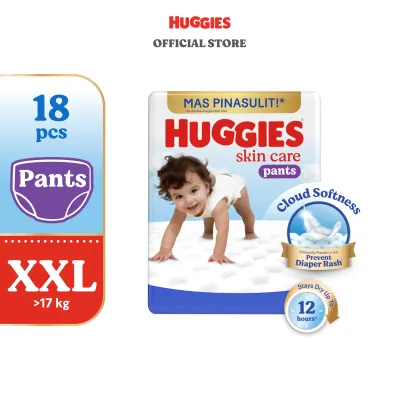
Prices are valid at publication and may change. Please refer to the product page for the latest price.
To confirm the correct fit, always cross-reference your toddler’s current weight with the manufacturer’s weight guidelines printed on the packaging. Because different brands use slightly different weight brackets for their XXXL sizes, a toddler who fits comfortably in one brand’s XXXL might find another brand’s equivalent size too loose or too snug. Checking these charts helps prevent premature upsizing, which can lead to gaps around the legs and subsequent leaks.
The physical cut of each brand plays a significant role in how well it fits different toddler body types. Huggies XXXL diapers are generally characterized by a contoured, snug-fitting design with highly elastic waistbands and flexible side panels. This structure is highly accommodating for active toddlers who crawl, run, and climb, as the diaper moves with the body to minimize shifting.
Pampers XXXL diapers typically feature a more streamlined, slimmer cut that conforms closely to the toddler’s torso. This design is often preferred for toddlers with a leaner build, as it reduces bulkiness under clothing while maintaining a secure seal around the waist and legs. The stretchy sides are designed to distribute tension evenly, reducing the likelihood of localized pressure marks on the skin.
Equator XXXL diapers often present a wider, more traditional rectangular cut. This design provides generous coverage over the hips and bottom, making it highly suitable for toddlers with broader frames or rounder bellies. The wider cut allows for a relaxed fit that does not constrict, though caregivers of leaner toddlers should pay close attention to the leg seals to ensure there are no gaps.
Evaluating Absorbency Structures and Leak Protection
To manage heavy wetting and ensure reliable leak protection, you must look closely at the structural features and label claims of each brand. Modern disposable diapers rely on a combination of superabsorbent polymers (SAP) and specialized distribution layers to draw liquid away from the surface and lock it deep inside the core. When evaluating these brands, look for packaging descriptions that detail the layout of these absorbent channels, which help prevent the diaper from sagging when wet.

Leg cuff barriers are another critical line of defense against leaks, especially for active toddlers. High-quality diapers feature double-layered elastic leg cuffs that act as physical gaskets around the thighs. When putting the diaper on your toddler, always run your finger along these cuffs to ensure they are flared outward rather than folded inward, as a folded cuff is a primary cause of immediate leaks.
For active toddlers, the strength of the tape fasteners or the elasticity of the pant waistband is just as important as the absorbent core. If the fasteners stretch or slip under the weight of a wet diaper, the core will sag, creating gaps at the legs and waist. Look for wide, resealable tapes or a high-density elastic pant design that maintains its position even when the diaper reaches its capacity.
Wetness indicators, which change color when exposed to moisture, are highly useful features found on many modern XXXL diapers. These indicators allow you to monitor the diaper’s status at a glance without having to unfasten or disturb the diaper. However, if a specific diaper variant consistently leaks during overnight use or long outings, it is a clear signal that the toddler’s output has exceeded the physical capacity of that specific model, and you should consider transitioning to a dedicated overnight variant.
Checking Material Comfort and Skin Sensitivity Features
In the tropical climate of the Philippines, high humidity and heat can quickly trap moisture inside a diaper, creating an environment prone to diaper rash and skin irritation. Consequently, the breathability of the diaper’s materials is a paramount consideration. When inspecting diaper packaging, look for explicit mentions of breathable outer covers or micro-porous backsheets that allow heat and moisture vapor to escape while keeping liquid contained.
Skin sensitivity is a common concern for toddlers wearing larger diaper sizes, as they are exposed to friction over a larger surface area during play. Caregivers should check product packaging for hypoallergenic claims, fragrance-free labels, and dermatological testing marks. Diapers that avoid added perfumes and lotions are generally less likely to trigger allergic reactions or irritate sensitive skin barriers.
The texture of the topsheet—the layer in direct contact with the toddler’s skin—varies significantly between brands. Some brands utilize a textured, quilted topsheet designed to minimize direct skin contact with wetness, while others focus on an ultra-soft, cloth-like feel. Physically feeling the inside of a clean diaper can give you a good indication of how soft the material will feel against your toddler’s skin during movement.
During active play, pay close attention to areas where friction is most likely to occur, such as the inner thighs and the waistband. If you notice localized redness, chafing, or heat rash, it may be due to friction from a tight fit or trapped moisture. If persistent redness, swelling, or skin irritation occurs despite frequent diaper changes and proper hygiene, discontinue use of that specific brand or variant immediately and consult a pediatrician.
Calculating Price-Per-Piece and Finding the Best Value
Because diapers are a continuous household expense, comparing the true cost of each brand requires looking beyond the retail price of a single pack. The most accurate way to evaluate value is by calculating the price-per-piece. To do this, use the simple formula: divide the total retail price of the pack (in ₱) by the exact number of diapers contained inside. This calculation allows you to compare different pack sizes and brands on an equal basis.
Generally, purchasing large bulk boxes or mega-packs offers a significantly lower price-per-piece compared to buying smaller convenience packs. While convenience packs have a lower upfront cost, they are often more expensive per diaper. If your budget allows, investing in larger quantities of a brand you have already tested and verified to be compatible with your toddler’s skin and body shape is the most cost-effective strategy.
To ensure you are purchasing authentic products, always source your diapers from official brand stores, authorized online marketplaces, or established physical supermarkets in the Philippines. Counterfeit or improperly stored diapers may have compromised absorbent cores, weak adhesives, or materials that cause skin irritation. Buying from reputable sellers guarantees that the products have been handled and stored under appropriate conditions.
When shopping online or in supermarkets, look for bundle deals, subscription discounts, or seasonal promotions to lower your overall costs. However, always check the manufacturing or expiration dates printed on the packaging before buying in large quantities. Diapers stored for excessively long periods in high-humidity environments can experience a degradation of their elastic components and adhesive tapes, reducing their overall performance.
How to Choose the Right XXXL Diaper for Your Toddler
To make the final decision, match your toddler’s specific physical needs and your daily routine to the unique design characteristics of each brand:
- Choose Huggies if your toddler is highly active, constantly on the move, and requires a diaper with a highly secure, contoured fit and robust elastic waistbands that resist sagging during physical play.
- Choose Pampers if your primary goal is a slim, lightweight diaper with a highly soft topsheet and a streamlined absorbent core that fits neatly under clothing without adding unnecessary bulk.
- Choose Equator if you are looking for a highly budget-friendly option for standard daytime use, where frequent diaper changes are planned and a wider, more generous cut is preferred for a broader toddler build.
Before committing to a large bulk purchase of any brand, always verify how the diaper performs in real-world conditions. Start by purchasing a single small pack to check for skin compatibility, fit around the legs, and absorbency during both active daytime hours and overnight sleep. This step-by-step verification ensures you find the perfect balance of comfort, protection, and value for your toddler.
Frequently Asked Questions (FAQ)
How do I know if my toddler is ready for XXXL diapers?
Your toddler is likely ready for XXXL diapers if you observe physical signs of a tight fit, such as deep red marks around their thighs or waist, or if the waistband no longer reaches their navel. Frequent leaks, even when the diaper is applied correctly, also indicate that the current size’s absorbent capacity is being overwhelmed. Always check your toddler’s current weight and compare it to the weight range printed on the XXXL packaging, as weight is the most reliable guide for sizing up.
Can I use standard XXXL diapers overnight for heavy wetters?
Standard daytime XXXL diapers can sometimes struggle to contain the volume of a heavy wetter over a twelve-hour sleep cycle. To determine if a standard diaper is sufficient, check the packaging for extended-wear or overnight claims, which indicate a higher concentration of superabsorbent polymers. If your toddler consistently wakes up wet, it is best to evaluate if their nighttime output has exceeded the diaper’s capacity and consider transitioning to a dedicated overnight variant designed specifically for prolonged use.
What should I do if the XXXL diaper still leaks?
If your toddler’s XXXL diaper is leaking, first check the application by ensuring the tape fasteners are symmetrical and the leg cuffs are fully flared outward rather than tucked in. If the fit is correct but leaks persist, your toddler may have outgrown the absorbent capacity or the physical dimensions of the standard XXXL diaper. In this case, consider transitioning to XXXL diaper pants, which often provide a more secure, 360-degree elastic fit, or explore youth training pants designed for larger weight ranges.

Community discussion
Share your experience or ask a question. Comments are reviewed before publication.