
Finding the right diaper for a growing toddler is a highly individual journey. While many parents search for a definitive winner between Huggies, Pampers, and Equator in the XXXL size category, the reality is that the best diaper depends entirely on your toddler’s unique body shape, skin sensitivity, and daily activity levels. Without direct clinical testing, declaring one brand universally superior is impossible. Each brand approaches diaper design with a distinct philosophy, focusing on different combinations of waistband elasticity, core thickness, and overall cut.
Because diaper performance is highly subjective, relying solely on brand reputation can lead to unnecessary leaks and skin irritation. Huggies, Pampers, and Equator each target different aspects of toddler comfort and parental convenience. To avoid wasting money on large bulk boxes that might not fit, parents should start by purchasing small trial packs of each brand. This approach allows you to observe real-world performance, check the physical fit on your child, and monitor how their skin reacts to the materials before making a long-term commitment.
Checking XXXL Sizing and Weight Guidelines
Before purchasing any XXXL diaper, you must verify if your toddler actually requires this size by checking the exact weight range printed on the packaging. Sizing standards are not uniform across brands; a toddler who fits comfortably in a Huggies XXXL might find a Pampers or Equator XXXL either too snug or too loose. Manufacturers design their size brackets with overlapping weight ranges, meaning your child’s physical build is often a more accurate guide than their weight alone.
Products mentioned in this guide
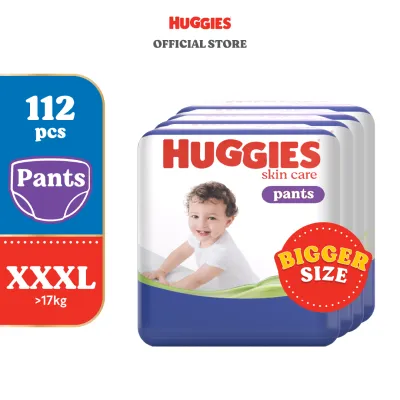
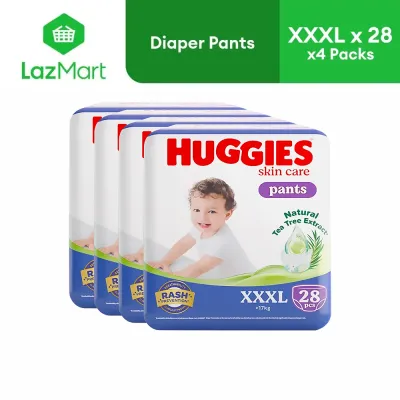
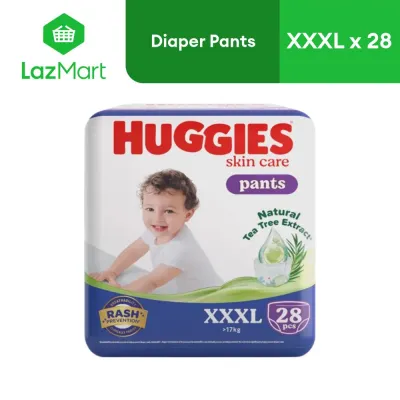
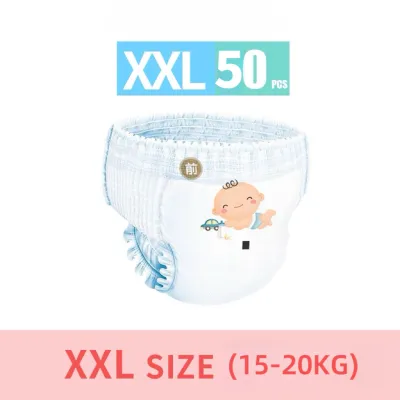
Prices are valid at publication and may change. Please refer to the product page for the latest price.
To ensure a proper fit, take note of your toddler’s developmental stage and physical proportions. If your child has a proportionally chunkier build, particularly around the thighs or belly, they may need to transition to an XXXL diaper sooner than a leaner toddler of the same weight. Conversely, a taller, leaner toddler might experience gaps around the legs in an XXXL diaper, which can lead to frequent leaks even if their weight falls within the recommended range.
When evaluating sizes, always measure your toddler’s waist and thighs if they seem to be between sizes. Check the manufacturer’s warnings and guidelines regarding weight limits, as using a diaper that is too small can restrict movement and cause painful red marks, while a diaper that is too large will fail to contain waste. Remember that diaper pants and tape-style diapers in the same size category may also fit differently due to the construction of their side panels.
Comparing Fit, Elasticity, and Leak Protection
When inspecting XXXL diapers for active toddlers, the construction of the waistband and leg cuffs is your first line of defense against leaks. Look for highly stretchable materials that expand and contract smoothly as your toddler climbs, runs, and sits. Double leak guards—the inner elastic barriers that run parallel to the leg cuffs—are critical features to inspect, especially for containing heavy overnight wetting or sudden bowel movements during active play.

Fastening tabs or waistband side seams require close examination during your trial period. For tape-style diapers, check if the adhesive tabs are wide, strong, and easily repositionable so you can adjust the fit as your toddler’s belly expands after meals. For diaper pants, test the tear-away side seams to ensure they are sturdy enough to withstand active movement but easy for caregivers to open during changes. The waistband should sit comfortably above the hips without rolling down or digging into the skin.
The overall cut and shape of the diaper also dictate how well it protects against leaks. Some brands feature a narrower crotch design, which can prevent chafing and allow for more natural leg movement as toddlers master walking and running. Other designs prioritize a wider back area, which is highly beneficial for containing heavy output and preventing blowouts when the child is lying down. Observe how the diaper sits on your toddler during play to identify which cut matches their movement style.
Evaluating Absorbency, Breathability, and Comfort
Assessing absorbency without laboratory equipment requires parents to monitor the diaper’s performance over several hours of continuous wear. Review the packaging claims for specific core technologies, such as localized liquid distribution channels or multi-layer absorbent cores designed to lock wetness away from the skin. A high-quality core should distribute liquid evenly rather than allowing it to clump in one spot, which causes the diaper to sag and pull away from the toddler’s body.
In warm and humid tropical climates, breathability is a non-negotiable feature for maintaining skin health. Look for packaging indicators that mention micro-pores, breathable outer covers, or specialized airflow channels. Trapped heat and moisture are primary contributors to diaper rash, so a diaper that allows air to circulate will help keep your toddler’s skin dry and comfortable. If you notice persistent redness or irritation, stop using the brand immediately and consult a pediatrician.
Material softness is another critical factor that you can easily evaluate during an in-store inspection or upon opening a trial pack. Feel the inner lining that comes into direct contact with your toddler’s skin; it should feel smooth and fabric-like, without any rough or plastic-like textures. Pay close attention to the softness of the elastic gathers around the legs and waist, as these areas are highly prone to friction-induced chafing when the toddler is active.
Assessing Price, Availability, and Value
To determine the true cost of each diaper brand, parents must look beyond the initial retail price of the package. Calculate the cost per piece by dividing the total price of the pack by the number of diapers inside. For example, if a pack costs ₱600 and contains 30 diapers, the cost per piece is ₱20. Performing this quick calculation allows you to make direct, objective comparisons between Huggies, Pampers, and Equator XXXL offerings.
Cost per Piece (₱) = Total Pack Price / Number of Diapers in PackAvailability is another practical factor that influences long-term value. Compare the pack sizes and bulk bundle options available on official brand websites or major e-commerce platforms. A brand that is consistently in stock and offers bulk discounts may provide better convenience than a slightly cheaper brand that is frequently sold out or requires high shipping fees. Keep in mind that prices and promotions fluctuate, so regular checks are beneficial.
It is important to remember that a lower upfront cost per piece does not always translate to better overall value. If a budget-friendly diaper requires more frequent changes due to poor absorbency, or if it leads to leaks that increase your laundry load, the total cost of ownership rises quickly. Conversely, a premium diaper that keeps your toddler dry for longer periods may reduce the total number of diapers used per day, ultimately saving you money and effort.
Decision Framework: Which XXXL Diaper Should You Buy?
Choosing the right XXXL diaper involves matching your toddler’s specific needs with the design strengths of each brand. Use this structured framework to guide your purchasing decision based on your observations during the trial phase:
- The Active Explorer: Choose Huggies if your toddler is constantly on the move and their body shape aligns well with the brand's specific waistband stretch and leg cuff design. This is ideal for toddlers who need a secure, snug fit that stays in place during vigorous physical activity.
- The Sensitive Skin Toddler: Choose Pampers if your primary concern is skin dryness and breathability in humid conditions. This option is suitable if your child benefits from thin, highly breathable core technologies that minimize moisture retention against the skin.
- The Budget-Conscious Household: Choose Equator if you need a reliable, straightforward diaper that meets basic absorbency requirements while fitting strict household budget constraints. This choice works well when paired with frequent, regular diaper changes.
Before purchasing any brand in bulk, always verify if your toddler has known skin allergies or requires specific hypoallergenic materials. Check the product labels for certifications or ingredient lists to ensure they do not contain fragrances or materials that trigger reactions. If your child has extremely sensitive skin, consult a pediatrician for personalized recommendations on diaper materials and skin care routines.
Frequently Asked Questions (FAQ)
When should I transition my toddler to XXXL diapers?
You should transition your toddler to XXXL diapers when you observe physical signs of poor fit, regardless of their current weight. Common indicators include red, irritated marks around your toddler’s waist or thighs, frequent leaks despite proper application, or the fastening tabs failing to reach the designated landing zone easily. Additionally, if the diaper looks visibly restrictive or sits too low on your toddler’s waist, it is time to cross-reference their weight with the guidelines on the XXXL packaging and try a larger size.
Can I mix different diaper brands for daytime and nighttime use?
Yes, mixing diaper brands for daytime and nighttime use is a highly practical and cost-effective strategy for many families. During the night, when your toddler sleeps for extended periods, using a highly absorbent, premium diaper can help prevent leaks and minimize sleep disruptions. During the day, when you change diapers more frequently and your toddler is highly active, switching to a lighter, more breathable, or budget-friendly option can help manage your overall household expenses without compromising your child’s comfort.

Community discussion
Share your experience or ask a question. Comments are reviewed before publication.