
Quick Answer: Which Diaper Brand Should You Choose?
Selecting the ideal diaper for your baby is a matter of finding the right balance for your child’s physical build, developmental stage, skin sensitivity, and your household budget. In the Philippines, where high tropical humidity and warm temperatures are constant, finding a diaper that balances reliable dryness with breathability is essential for keeping your baby comfortable throughout the day and night.
Huggies, Pampers, and Equator represent distinct segments of the local baby care market. Huggies and Pampers are established global names offering a range of tiers from everyday standard options to premium, feature-rich lines. Equator is widely recognized as an accessible, value-focused brand that prioritizes essential leak protection at a lower price point.
To determine which brand fits your household best, this guide evaluates each option across four critical pillars: absorbency, physical fit, skin comfort, and cost-per-diaper. Because every baby’s skin chemistry and body shape are unique, we recommend purchasing small trial packs of each brand to monitor fit and skin reactions before committing to bulk carton purchases.
Products mentioned in this guide
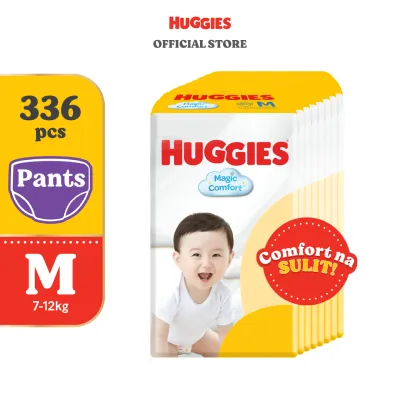
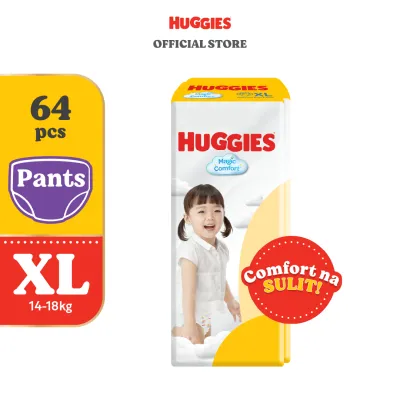
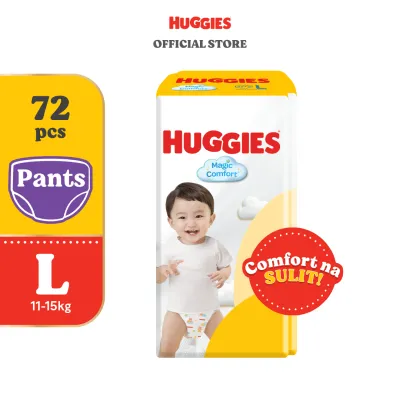
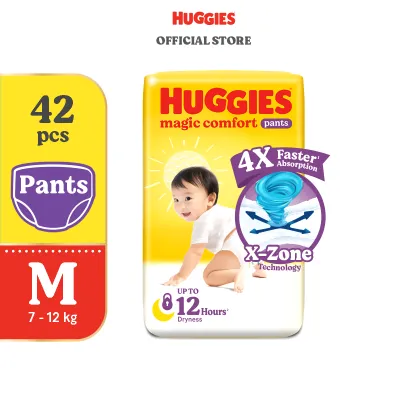
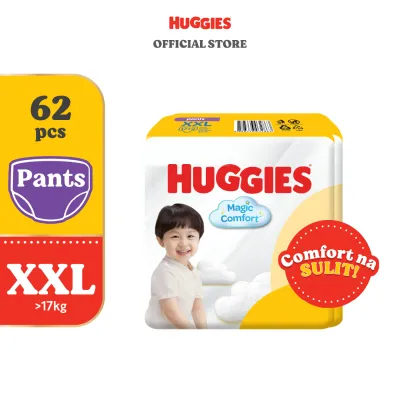
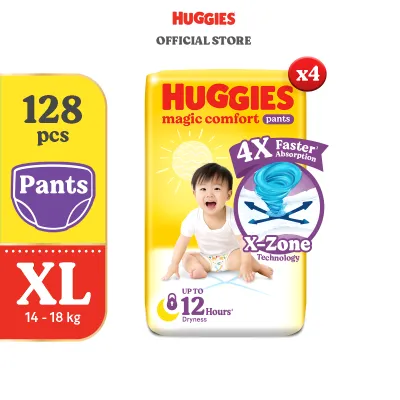
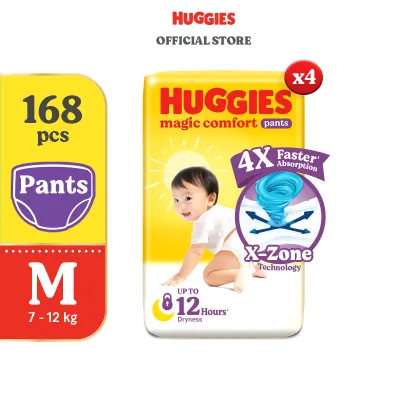
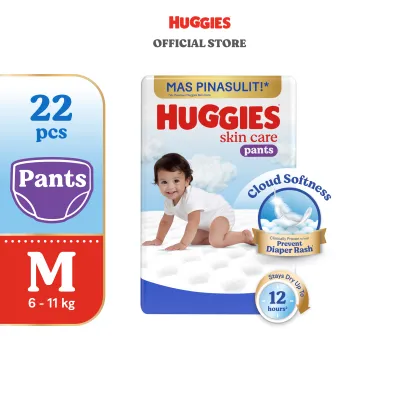
Prices are valid at publication and may change. Please refer to the product page for the latest price.
Absorbency and Leak Protection: Day vs. Night Performance
A diaper’s primary job is to draw moisture away from your baby’s skin quickly and lock it deep within its core. The technology used to achieve this varies significantly among Huggies, Pampers, and Equator. Understanding these structural differences helps you select a diaper that matches your baby’s daily activity levels and sleep patterns.

Core Absorbency Technology Modern disposable diapers rely on superabsorbent polymers (SAP) mixed with wood pulp to absorb liquids. Premium lines of Pampers often feature specialized channel designs, such as their proprietary magic gel channels, which distribute wetness evenly across the diaper rather than letting it pool in one spot. This design prevents the diaper from sagging heavily between your baby’s legs, which can restrict movement. Huggies utilizes highly efficient absorption pads and specialized pockets designed to capture runny bowel movements, keeping wetness away from the skin. Equator typically uses a more traditional, uniform absorbent core. While highly effective for standard wetness, a uniform core may swell more centrally when saturated, requiring more frequent monitoring. Always check the manufacturer’s packaging for their stated absorbency duration, which often ranges from 8 to 12 hours depending on the specific sub-line.
Leak Guard Design The physical barriers along the legs and waist are just as important as the absorbent core. High-quality leak guards consist of double-layered elastic leg cuffs that stand upright to catch liquid before it escapes. When examining a diaper, look for the height and elasticity of these cuffs. In the warm Philippine climate, these barriers must be soft and flexible; stiff or overly tight elastics can cause friction and chafing when your baby sweats. Huggies and Pampers generally incorporate advanced, double-layered barrier cuffs that stretch comfortably around the thighs. Equator provides standard elastic leg barriers that offer reliable protection for regular movement but may require more precise positioning during diaper changes to ensure a proper seal.
Daytime vs. Overnight Use Your baby’s diaper needs shift dramatically between active daytime hours and long overnight sleep. During the day, babies crawl, roll, and walk, requiring a diaper that remains secure and flexible without bunching up. Quick absorption is key during the day to prevent leaks during sudden movements. Overnight, however, the priority shifts to high-capacity storage. A baby’s bladder emptyings are larger at night, and the diaper must keep the skin dry for up to 10 or 12 hours to support uninterrupted sleep. Many parents find that while a budget-friendly option like Equator is excellent for frequent daytime changes, upgrading to a high-capacity line from Pampers or Huggies for overnight use provides better protection against morning leaks and wet pajamas.
Verification Steps for Parents To check if your current diaper’s absorbency is meeting your baby’s needs, perform a simple “squeeze test” during your next diaper change. Before discarding a moderately wet diaper, gently press a dry paper towel against the inner lining. If the paper towel remains dry, the diaper’s core is successfully locking moisture away. If the towel dampens or if you feel wetness on your fingertips, the core has reached its capacity, or the absorption speed is too slow for your baby’s output. This indicates it is time to either change the diaper more frequently or transition to a higher-capacity size or sub-line.
Fit, Comfort, and Skin Sensitivity: What to Look For
A diaper can have excellent absorbency, but if it does not fit your baby’s unique body shape or causes skin irritation, it is not the right choice. Achieving a proper fit is a balance between waistband design, material breathability, and careful skin monitoring.
Waistband and Leg Elasticity Babies come in all shapes and sizes; some have rounder bellies, while others have exceptionally chunky thighs. Pants-style diapers from Huggies and Pampers offer 360-degree stretchy waistbands that slide on easily and conform closely to your baby’s waist, mimicking regular underwear. Tape-style diapers allow for a more customized fit, which is especially useful for newborns whose umbilical cords are still healing. When choosing a size, do not rely solely on the age recommendations printed on the box. Always use the manufacturer’s weight ranges as your primary guide. If your baby is approaching the upper limit of a weight range (for example, weighing 9 kg when the size Medium range is 6–11 kg), or if they have a rounder belly, transitioning to the next size up can prevent leaks and red marks.
Material and Breathability In the tropical heat of the Philippines, humidity can easily trap moisture inside a diaper, leading to discomfort and skin issues. Look for diapers with breathable outer covers that feature micro-pores. These tiny holes allow hot air and moisture vapor to escape while keeping liquid safely contained. Many modern diapers also include helpful features like wetness indicators—lines on the outside of the diaper that change color when wet—which help you identify when a change is needed without opening the diaper. The softness of the inner liner is also crucial; a soft texture reduces friction against your baby’s delicate skin during movement.
Skin Sensitivity and Reactions Diaper rash, or irritant diaper dermatitis, is a common concern for parents. It is important to understand that no diaper brand can guarantee absolute protection against skin reactions. Rashes are typically caused by prolonged contact with urine and stool, friction, or individual sensitivities to specific materials, fragrances, or adhesives used in the manufacturing process. What works perfectly for one baby might cause redness on another, regardless of how premium the brand is.
Safety Boundary and Care Instructions To protect your baby’s skin, always follow the manufacturer’s care instructions and clean the diaper area thoroughly with mild wipes or water during every change. Allow the skin to dry completely before putting on a fresh diaper. If your baby develops persistent redness, swelling, blistering, or signs of an allergic reaction, immediately stop using the current diaper brand and consult a pediatrician or qualified healthcare professional. Do not attempt to diagnose complex skin conditions or rely solely on diaper packaging claims of being “hypoallergenic” to resolve severe irritation.
Price and Value: How to Calculate the True Cost Per Diaper
Managing household expenses is a priority for many families in the Philippines. When comparing Huggies, Pampers, and Equator, looking only at the retail price of a single pack can be highly misleading. To find the true value, you must calculate the cost per individual diaper and weigh that against daily performance.
Cost-Per-Diaper Calculation Diaper packs come in various sizes, from small travel packs to massive mega-boxes. To determine the most economical option, use this simple formula: Total Pack Price (in PHP) ÷ Number of Diapers in the Pack = Cost Per Diaper For example, if a pack costs ₱450 and contains 40 diapers, the cost per diaper is ₱11.25. Performing this quick calculation allows you to compare different brands and pack sizes objectively, helping you identify where you are getting the most value for your money.
Brand Positioning in the Philippine Market The three brands generally occupy different pricing tiers in local retail stores:
- Pampers and Huggies span the premium to mid-range segments. They offer standard lines (such as Pampers Baby Dry and Huggies Dry Pants) alongside ultra-premium lines (such as Pampers Premium Care and Huggies Ultra Natural Soft). These premium options feature advanced materials and specialized designs but come at a higher cost per unit.
- Equator is positioned firmly in the budget-friendly value segment. It focuses on delivering the essential functions of a diaper—basic absorbency and leak protection—at a highly competitive price point, making it an attractive choice for cost-conscious households.
Where to Buy and Promotions To maximize your savings, look for diapers at authorized supermarkets, major drugstores, or official brand flagship stores on trusted online marketplaces. Buying in bulk or during monthly promotional sales can significantly lower your cost per diaper. Be cautious when purchasing from unauthorized online sellers offering unusually low prices; counterfeit diapers exist and may lack the quality control, sanitary standards, and safe materials found in genuine products.
Value vs. Performance Trade-off A lower cost per diaper does not always translate to long-term savings. If a budget-friendly diaper has lower absorbency, you may find yourself changing your baby eight times a day compared to only five times a day with a higher-capacity diaper. In this scenario, the premium option might actually cost less over the course of a week. Evaluate your baby’s daily usage patterns alongside the unit cost to find the optimal balance for your family’s budget.
Final Verdict: Matching the Diaper to Your Baby's Needs
To make your final decision, match the unique characteristics of each diaper brand to your baby’s specific needs, daily routine, and your household budget.
Choose Huggies if:
- Your baby is highly active, crawling, or walking, and requires a highly secure, flexible fit that moves with them.
- You prefer specialized features like pocketed waistbands to help prevent messy up-the-back blowouts.
- You want targeted absorbency zones designed to handle wetness quickly during active play.
Choose Pampers if:
- You prioritize an exceptionally soft, blanket-like feel against your baby's skin.
- Your baby is a heavy wetter and requires reliable, long-lasting overnight dryness to prevent sleep disruptions.
- You want a widely available brand with highly consistent sizing that you can easily find in local supermarkets and drugstores across the Philippines.
Choose Equator if:
- You are looking for a highly economical option to manage your monthly household expenses.
- Your baby has a standard body shape and does not require highly specialized premium features or ultra-stretchy waistbands.
- You practice frequent daytime diaper changes, such as during potty training or during hot, humid days when you prefer to change the diaper immediately after every wet.
Verify First if: Your baby has highly sensitive skin, falls directly between weight sizes, or has a unique body shape (such as a slim waist combined with very chunky thighs). In these cases, avoid buying large boxes initially. Instead, purchase the smallest retail pack available for each brand. Test the fit, observe how the material handles your baby’s movements, and monitor their skin for any signs of irritation before committing to a bulk purchase.
Frequently Asked Questions (FAQ)
How do I know if a diaper is too small or too tight?
There are several clear physical indicators that your baby has outgrown their current diaper size. Look for red marks or deep elastic indentations around your baby’s thighs or waist after you remove the diaper. If you experience frequent leaks or blowouts even when the diaper is not fully saturated, it often means the diaper’s physical volume is too small to contain the waste. Additionally, if the fastening tapes do not easily reach the designated landing zones on the waistband, or if the waistline sits significantly below your baby’s belly button, it is time to upgrade to the next size. Always refer to the manufacturer’s weight guide on the packaging as a starting point, but let your baby’s physical comfort and body shape be the final deciding factor.
Is it safe to alternate between different diaper brands?
Yes, alternating between different diaper brands is entirely safe and is a highly practical strategy used by many parents to balance their budgets. A common approach in the Philippines is to use a budget-friendly brand like Equator during the daytime when diaper changes are naturally more frequent, and switch to a high-capacity, premium brand like Huggies or Pampers for overnight sleep or long car trips. If you choose to alternate, monitor your baby’s skin closely during the first few days. Because different brands use different materials, adhesives, and elastic structures, some babies may experience mild irritation when transitioning between them. Ensure that the physical fit remains consistent across both brands to prevent unexpected leaks.
Community discussion
Share your experience or ask a question. Comments are reviewed before publication.