
Choosing the right diaper for your growing baby is one of the most frequent decisions you will make as a parent. When comparing Huggies, Pampers, and Equator small diapers, the ideal choice depends heavily on your baby’s unique body shape, skin sensitivity, and your household budget. Because real-world performance varies by individual baby, there is no single universal winner that fits every infant perfectly.
In tropical climates like the Philippines, high humidity and heat make diaper selection even more critical. A diaper that fits poorly or traps moisture can quickly lead to discomfort, chafing, or skin irritation. This guide provides a practical framework to compare fit, absorbency, and value based on product labels, observable features, and cost calculations, helping you make an informed decision for your little one.
Understanding Small Diaper Sizing and Fit
Sizing is the foundation of diaper performance, as even the most absorbent diaper will leak if it does not seal properly around your baby’s legs and waist. When evaluating Huggies, Pampers, and Equator in the Small size, the first step is to check the manufacturer’s weight range printed on the packaging. These weight guidelines are helpful starting points, but they do not account for differences in baby body shapes, such as rounder tummies or chubby thighs.
Products mentioned in this guide
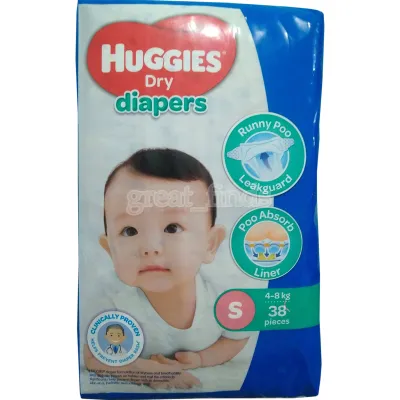
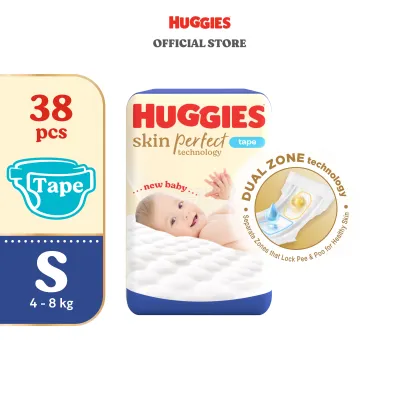
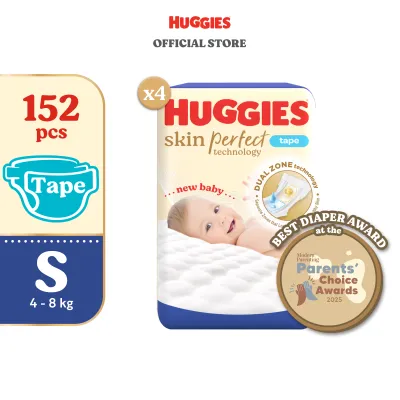
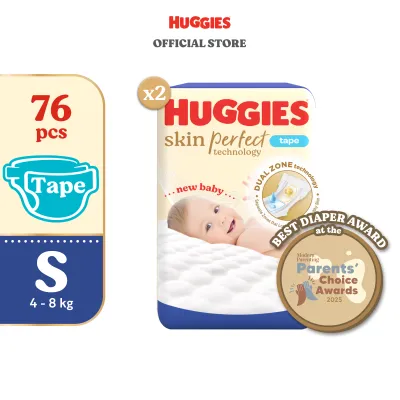
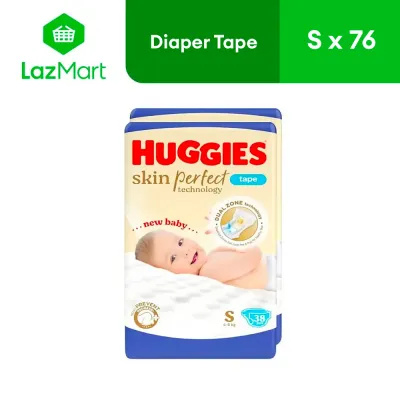
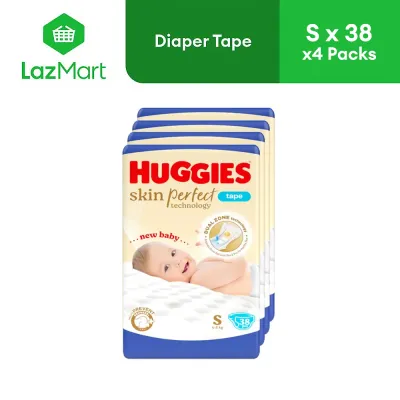
![Huggies Skin Perfect Disposable Baby Diapers SMALL with Rash Protection & Soft Comfort [SAVE P80]](https://img.lazcdn.com/g/p/2572274d0a4dfd76e2365472db129a1d.png_400x400q80.png_.webp)

Prices are valid at publication and may change. Please refer to the product page for the latest price.
To prevent leaks and blowouts, you must compare the physical design features of each brand. Look closely at the waistband elasticity; a highly stretchable waistband helps secure the diaper against the lower back, which is especially useful for babies who experience back-directed leaks when lying down. Additionally, inspect the height and flexibility of the leg cuffs, often referred to as double leak guards. These cuffs should stand upright and wrap snugly around the thighs without cutting into the skin.
Observing how the diaper sits on your baby during daily movement is the best way to evaluate fit. Look for key fit indicators that suggest it is time to adjust the tabs or change brands. If you notice deep red marks on your baby’s thighs or waist, the diaper is too tight or the cut is too narrow for their build. Conversely, frequent sagging, gaps around the legs, or repeated blowouts indicate that the diaper is either too large or does not match your baby’s current body shape.
Comparing Absorbency and Skin Care Features
Absorbency and skin protection are closely linked, especially in warm, humid environments where trapped wetness can rapidly compromise skin health. To compare these brands, start by reviewing the packaging for specific absorbent core technologies. Manufacturers often detail their layer counts, distribution channels, and the presence of superabsorbent polymers designed to lock moisture away from the surface. A wetness indicator line on the outside of the diaper is also a highly convenient feature to look for, as it changes color to signal when a change is needed without requiring you to unfasten the tabs.

Skin compatibility is highly individual, so you must carefully read the product labels for dermatological claims. Check the packaging to see if the diapers are labeled as hypoallergenic, dermatologically tested, or free from potential irritants such as parabens, elemental chlorine, latex, and synthetic fragrances. Some brands incorporate mild lotions or botanical extracts into the inner liner to help soothe the skin, while others focus on a completely dry, plain textured sheet to minimize contact friction.
Because laboratory claims do not guarantee how your baby’s skin will react, you should monitor their skin closely during a trial period. Check for signs of redness, heat rash, or diaper dermatitis after several consecutive hours of wear. If you observe persistent irritation, stop using that specific brand immediately. For severe or ongoing diaper rash, always consult a qualified pediatrician or healthcare professional for guidance rather than relying on diaper changes alone.
Evaluating Value and Cost per Diaper
Managing household expenses requires looking past the initial price tag of a diaper package and calculating the actual cost per unit. To find the true value, use a simple cost-per-diaper formula. Divide the total retail price of the pack (in ₱) by the exact number of diapers contained inside. For example, if a pack costs ₱450 and contains 50 diapers, the cost per diaper is ₱9.00. Performing this quick calculation allows you to compare Huggies, Pampers, and Equator on an equal scale.
Pack sizes vary significantly across local supermarkets, baby specialty stores, and official online brand stores. Generally, larger bulk boxes or mega packs offer a lower cost per diaper compared to small travel packs. Keep an eye out for promotional bundles, seasonal sales, or subscription discounts offered by authorized retailers, which can substantially lower your long-term diapering expenses.
However, the cheapest diaper on the shelf is not always the most economical choice in practice. You must factor in the frequency of changes and the diaper’s overall performance. If a lower-priced diaper has lower absorbency or a looser fit, it may lead to frequent leaks, requiring more diaper changes per day and increasing your laundry load. A slightly higher-priced diaper that keeps your baby dry for longer periods may ultimately save you money by reducing the total number of diapers used daily.
Decision Framework: Which Brand to Try First
To simplify your selection process, you can use a conditional decision framework based on your baby’s physical needs and your primary parenting goals. This approach helps you target the brand most likely to succeed during your initial trial.
Consider trying Huggies Small first if the packaging highlights a highly elastic, stretchy waistband and a contoured fit. This design is often highly suitable for active babies, those with rounder bellies, or infants with thicker thighs who require a flexible, secure seal around the legs to prevent leaks during movement.
Consider trying Pampers Small first if the product label emphasizes a slim, lightweight profile and specific skin-soothing ingredients or breathable materials. This option is well-suited for parents prioritizing a low-bulk fit under clothing and those whose babies benefit from specialized moisture-wicking inner liners.
Consider trying Equator Small first if your primary goal is finding a highly budget-friendly diaper for frequent daytime changes. This brand is an excellent starting point for households focused on maximizing cost efficiency, especially during periods when you are actively monitoring and changing your baby at very short intervals.
Before committing to large bulk boxes or multi-pack deals, always verify the fit and skin compatibility by purchasing the smallest available pack of your chosen brand. Testing a small quantity first allows you to observe how the diaper performs under real-world conditions, ensuring you do not end up with a large supply of diapers that do not fit your baby’s unique shape.
Frequently Asked Questions (FAQ)
When should I move my baby from Small to Medium diapers?
You should consider transitioning your baby to Medium diapers when their weight approaches or exceeds the upper limit specified on the Small diaper packaging. Additionally, look for physical signs of poor fit during daily use. If the fastening tabs must be secured at the very outer edges of the waistband, or if you notice deep, red elastic marks on your baby’s thighs and tummy, the diaper is too small. Frequent leaks, back blowouts, or a diaper that sits too low below the belly button are also clear indicators that your baby requires the increased rise and absorbency of a Medium size.
Can I mix different diaper brands for day and night use?
Yes, mixing different diaper brands is a highly practical way to balance your household budget with your baby’s comfort. Many parents choose a highly cost-effective brand, such as Equator, for daytime use when changes are frequent and easily monitored. They then transition to a brand with enhanced absorbency features, such as Huggies or Pampers, for overnight sleep or long outings where immediate changes are more difficult. If you adopt this routine, ensure that both brands fit your baby properly to avoid leaks, and monitor their skin carefully to ensure they do not experience sensitivity from switching between different materials.

Community discussion
Share your experience or ask a question. Comments are reviewed before publication.