
Finding the right diaper pants for your baby in the Philippines is a balancing act between comfort, absorbency, and budget. With the tropical heat and high humidity, parents must carefully evaluate how diaper pants perform under daily conditions. Huggies, Pampers, and Equator are three of the most visible brands on supermarket shelves and online marketplaces. Each brand approaches diaper design differently, offering unique cuts, waistband styles, and absorbency technologies. Choosing the right one requires looking beyond the brand name to understand how their specific features match your baby’s growth stage, body shape, and skin sensitivity.
Selecting the ideal diaper involves observing how your baby moves, sleeps, and reacts to different materials. A diaper that works perfectly for a newborn might not provide the same security once your baby starts crawling or walking. By comparing the structural designs, moisture-management capabilities, and overall value of these three brands, you can make an informed decision that keeps your baby dry and comfortable throughout the day and night.
Understanding the Core Differences in Fit and Sizing
Every baby has a unique body shape, meaning a diaper that fits one child perfectly might cause leaks or discomfort for another. Huggies pants, such as Huggies large pants, are often designed with a focus on a secure, snug fit. They typically feature highly elastic waistbands that stretch comfortably around the baby’s torso, adapting to active movements. This design philosophy aims to keep the diaper in place even when your baby is crawling, climbing, or walking.
Products mentioned in this guide
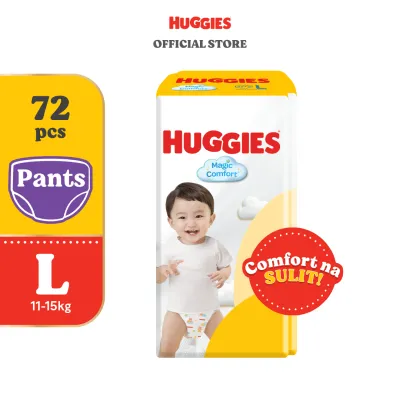
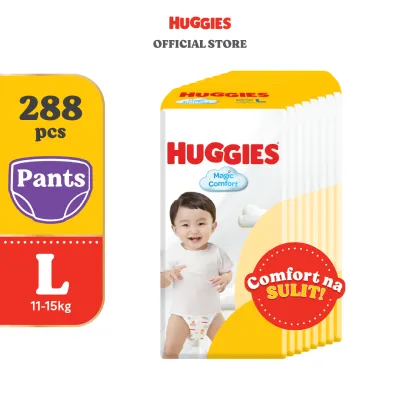
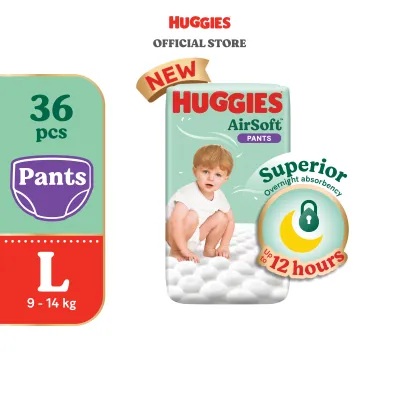
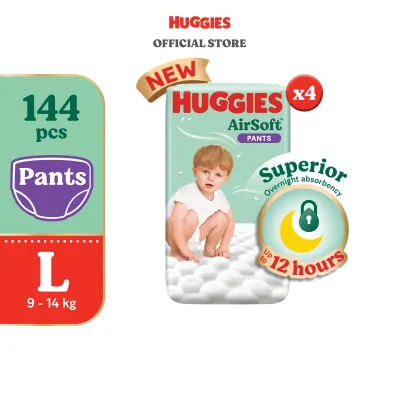
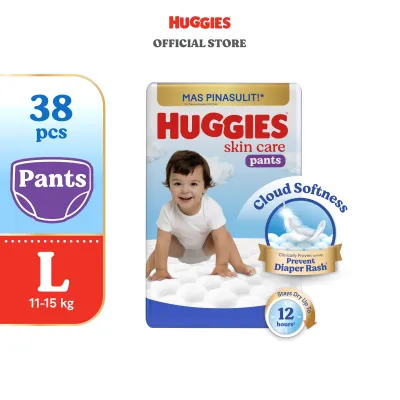
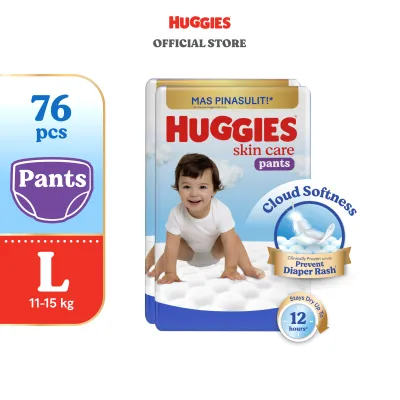
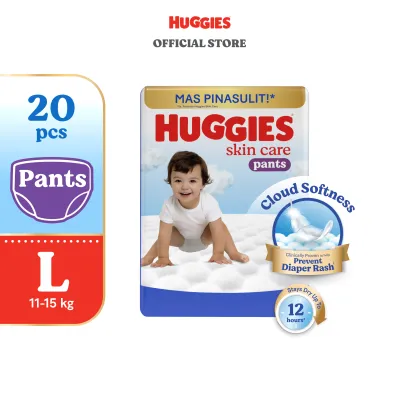
Prices are valid at publication and may change. Please refer to the product page for the latest price.
Pampers pants generally utilize a slimmer, more contoured design. This streamlined cut is intended to minimize bulk between the legs, allowing for a more natural stride as your baby develops motor skills. The waistband on Pampers pants is designed to distribute pressure evenly around the waist, reducing the likelihood of localized digging. This makes them a popular choice for parents who prefer a lightweight, less noticeable diaper profile under clothing.
Equator pants offer a roomier, more traditional cut that provides generous coverage around the hips and bottom. This design is particularly accommodating for babies with rounder thighs or fuller bellies who might find slimmer diapers too restrictive. The waistband and leg openings are built to provide a gentle hold without squeezing, making them a practical option for everyday wear.
When choosing a size, always refer to the manufacturer’s weight ranges and size charts rather than relying solely on age. Sizing is not standardized across brands; a large size in Huggies pants may fit differently than a large size in Pampers or Equator. To ensure a proper fit, observe the leg cuffs carefully. They should rest gently in the groin crease with the inner leak guards flared outward. If you notice gaps around the thighs, the diaper is too large; if you see deep red marks, it is time to transition to a larger size.
Comparing Absorbency and Leak Protection
Absorbency is the primary defense against leaks and skin irritation. When evaluating diaper pants, read the product packaging to understand the core technology claims. Many modern diapers feature specialized moisture-locking channels or superabsorbent polymer gels designed to distribute liquid evenly. This prevents the diaper from sagging heavily in one spot, which can pull the waistband down and cause leaks.

To assess absorbency in daily use, perform regular observable checks on the diaper’s saturation levels. A wetness indicator, which changes color when exposed to moisture, is a helpful tool found on many variants. However, you can also judge saturation by gently pressing the outside of the diaper to feel for heaviness or gel expansion. If the diaper feels cold or damp to the touch on the outside, the outer cover may be struggling to contain the moisture under pressure.
Leak points can tell you a lot about how well a diaper fits your baby’s wetting patterns. Waistband leaks often occur when a baby is sleeping on their stomach or back, especially if the diaper lacks a rear pocket or secure elastic barrier. Leg cuff leaks, on the other hand, usually indicate that the diaper’s leg elastic has lost its tension, or that the size is incorrect. Monitoring where leaks occur helps you determine whether you need a different brand shape or a size adjustment.
If standard diaper pants consistently fail during long overnight sleep stretches, consider switching to overnight-specific variants. These specialized diapers are engineered with higher concentrations of superabsorbent materials and reinforced leak guards to handle multiple wettings over several hours. Using a dedicated overnight diaper can help ensure uninterrupted sleep for both you and your baby.
Evaluating Comfort, Breathability, and Skin Health
In the warm and humid climate of the Philippines, diaper breathability is essential for maintaining healthy skin. High temperatures can trap heat and moisture inside the diaper, creating an environment prone to diaper rash and heat rash. When comparing brands, examine the outer cover texture and the inner lining materials. Look for diapers that feature micro-pores or breathable backsheets that allow hot air to escape while keeping liquid contained.
Texture plays a significant role in preventing friction-induced chafing. Run your fingers along the inner lining and the waistband of the diaper pants. A soft, cottony texture reduces friction against your baby’s delicate skin during movement. Some brands incorporate lotion-infused liners or specialized embossed patterns to minimize direct skin contact with wetness, which can help reduce the risk of irritation.
For babies with highly sensitive skin, look for labels indicating that the product is fragrance-free, hypoallergenic, or dermatologically tested. Fragrances and certain chemical additives can trigger allergic reactions or worsen existing skin conditions. Verifying these product claims on the packaging is an important step before introducing a new diaper brand to your baby’s routine.
Ultimately, your baby’s skin is the best indicator of a diaper’s performance. Regularly monitor the diaper area for signs of redness, chafing, or small red bumps. If you notice persistent irritation despite frequent changes, the material may not be compatible with your baby’s skin. If diaper rash does not improve after a few days of keeping the area clean and dry, or if it appears severe, stop using the brand and consult a pediatrician or qualified healthcare professional.
Calculating Price, Value, and Purchasing Channels
Managing diaper expenses requires looking beyond the retail price of a single package. To find the true value, calculate the cost per piece by dividing the total price of the pack by the number of diapers inside. For example, if a pack costs ₱500 and contains 40 diapers, the cost per piece is ₱12.50. Comparing diapers using this metric allows you to evaluate different pack sizes, such as standard packs, jumbo boxes, or mega packs, to find the most economical option.
Prices can vary significantly depending on where you shop in the Philippines. Local supermarkets and department stores offer convenience and immediate availability, but they may not always have the lowest prices. Official brand stores on major online marketplaces often provide competitive pricing, especially during monthly sales events or when purchasing in bulk. However, when shopping online, always factor in shipping fees to ensure the total cost remains favorable.
When purchasing diapers, especially from online sellers, verify the authenticity of the product. Look for official store badges or authorized distributor labels to avoid counterfeit items that may not meet safety and quality standards. Always inspect the packaging upon delivery; it should be completely sealed, clean, and free from punctures. Buying in bulk can offer substantial savings, but it is wise to secure a stable size and brand preference before purchasing large quantities.
How to Choose the Right Diaper Pants for Your Baby
To finalize your choice among Huggies, Pampers, and Equator pants, consider your baby’s specific physical needs, activity levels, and your household budget. A structured decision framework can help guide your purchase based on observable conditions.
Choose Huggies pants if:
- Your baby is highly active, crawling, or walking, and requires a secure, highly elastic waistband that stays in place during movement.
- You prefer a snug, form-fitting diaper that minimizes gaps around the waist and thighs.
- You are looking for reliable daytime and nighttime protection with a focus on active-fit technology, such as Huggies large pants.
Choose Pampers pants if:
- Your baby has a slimmer build and benefits from a contoured, lightweight design that reduces bulk between the legs.
- You prioritize a thin, highly flexible diaper core that distributes wetness evenly without sagging.
- Your baby prefers a soft, seamless waistband feel that minimizes localized pressure marks.
Choose Equator pants if:
- You are looking for a budget-friendly, roomy diaper option for frequent daytime changes.
- Your baby has a rounder build or thicker thighs and requires a wider, more generous cut.
- You want a straightforward, practical diaper for everyday use that balances cost and basic leak protection.
Verify first if your baby has specific skin sensitivities, as you may need to seek out fragrance-free or hypoallergenic variants within these brands. If your baby is a heavy wetter or experiences frequent leaks at night, you may need to size up or explore dedicated overnight options. Before committing to large bulk boxes, always purchase small trial packs of a new brand or size. This allows you to test the fit, absorbency, and skin compatibility in real-world conditions without a significant financial commitment.
Frequently Asked Questions (FAQ)
Can I mix different diaper brands for daytime and nighttime use?
Yes, mixing different diaper brands for daytime and nighttime use is a practical and cost-effective strategy for many parents. During the day, babies are changed more frequently, typically every two to three hours. For these hours, you can use a more affordable, lightweight, and highly breathable diaper brand to keep your baby comfortable and manage costs. This frequent changing routine helps prevent moisture buildup regardless of the diaper’s maximum absorbency capacity.
For nighttime use, you can transition to a high-absorbency brand or an overnight-specific variant. Since babies sleep for longer stretches, they require a diaper that can lock away multiple wettings without leaking or causing dampness against the skin. When using a dual-brand strategy, monitor your baby’s skin regularly to ensure they tolerate both diaper materials well without developing irritation.
How do I know if it is time to size up to large pants?
Knowing when to transition to a larger size, such as Huggies large pants, depends on several physical and behavioral signs. If you notice persistent red marks around your baby’s waist or thighs after removing the diaper, the elastic is likely too tight. Frequent leaks, especially when the diaper is not completely saturated, can also indicate that the current size no longer provides adequate coverage or that the rise is too low to contain wetness.
Another clear indicator is how the diaper sits on your baby’s body. If the waistband rests well below the belly button, or if you struggle to pull the diaper up over your baby’s hips, it is time to size up. Always check the weight guidelines on the new package, as weight ranges overlap between sizes to accommodate different body shapes. Transitioning to a larger size often resolves recurring leak issues and improves overall comfort.

Community discussion
Share your experience or ask a question. Comments are reviewed before publication.