
Choosing between Huggies, Pampers, and Equator is a highly personal decision for Filipino parents, as no single diaper brand universally fits every baby’s body shape, skin type, or family budget. In the tropical climate of the Philippines, where high humidity and heat are constant, selecting the right diaper is crucial for keeping your baby comfortable and preventing painful diaper rash. Instead of relying on generalized claims or assuming that the most expensive option is always the best, parents can make a more practical choice by learning how to evaluate specific product lines, test absorbency, check physical fit, and calculate the true cost per piece. This guide provides a structured, condition-based framework to help you navigate these three popular brands and find the ideal match for your baby’s current developmental stage.
Diaper performance is highly individual and changes as your baby grows from a delicate newborn into an active, crawling toddler. By understanding the unique design features of each brand and conducting simple, safe home evaluations, you can avoid the frustration of frequent leaks, blowouts, and skin irritation. Whether you are prioritizing maximum overnight dryness, ultra-soft materials for sensitive skin, or a budget-friendly option for frequent daytime changes, this comprehensive comparison will equip you with the practical tools needed to make a confident decision.
Understanding the Product Lines of Huggies, Pampers, and Equator
Before comparing specific features, it is essential to understand that Huggies, Pampers, and Equator each offer multiple product lines designed for different stages, lifestyles, and budgets. A common mistake is assuming that all diapers under a single brand name perform identically. In reality, manufacturers vary the materials, thickness, and features significantly between their economy, standard, and premium tiers.
Products mentioned in this guide
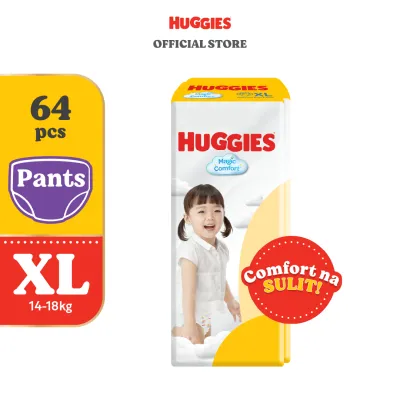
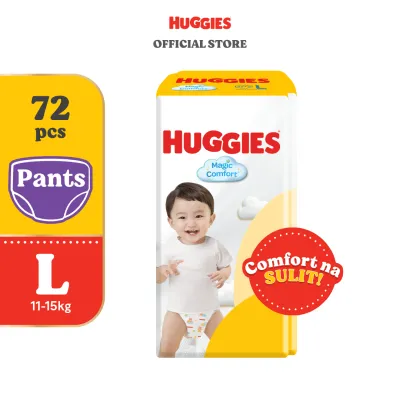
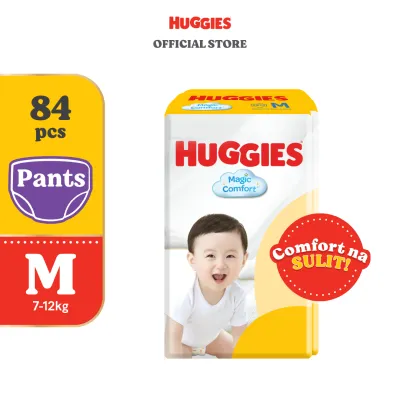

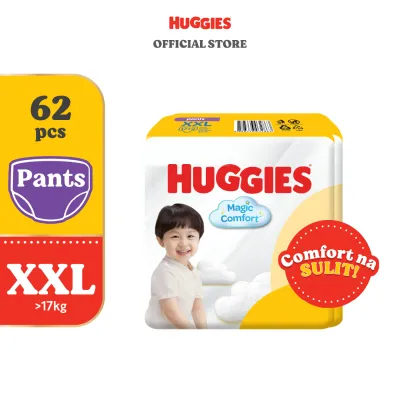
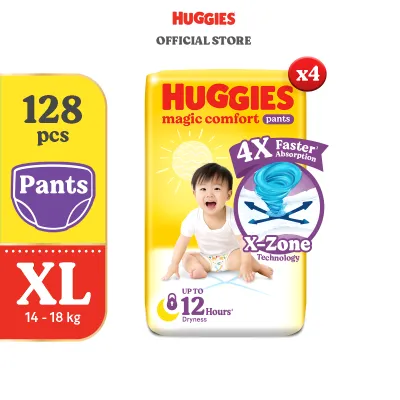
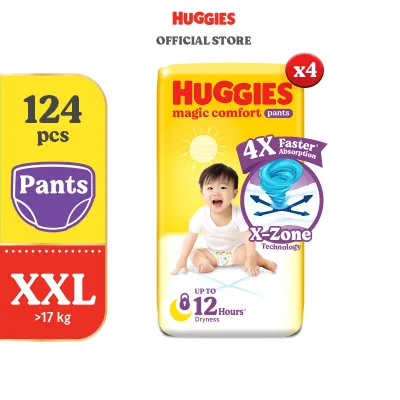
Prices are valid at publication and may change. Please refer to the product page for the latest price.
Huggies is widely recognized for its diverse product range, which typically includes standard daily-use options, premium ultra-thin lines, and specialized pants for active babies. Their product lines often feature distinct designs, such as wetness indicators and pocketed waistbands designed to contain newborn runny stools. When browsing Huggies options, parents should carefully check the specific series name on the packaging—such as their standard dry lines versus their premium soft or pants lines—as the level of breathability and softness will differ.
Pampers similarly structures its offerings into distinct tiers, ranging from their widely available daily-use lines to premium, high-protection series. Pampers products often emphasize thinness and flexibility, utilizing specialized absorbent channels designed to distribute wetness evenly. Their lines include tape-style diapers for newborns and pull-up pants for older babies, with premium versions often incorporating softer, lotion-infused top sheets to protect delicate skin.
Equator is generally positioned as a practical, budget-friendly option in the Philippine market. Unlike premium brands that focus heavily on advanced material technologies and ultra-thin profiles, Equator typically focuses on reliable, straightforward daily protection. This brand is highly accessible in local supermarkets and neighborhood drugstores, making it a popular choice for families seeking a straightforward, cost-effective diapering solution without the premium price tag.
The availability of these specific product lines can vary greatly depending on where you shop. While large physical supermarkets in urban areas and official brand stores on online marketplaces usually carry the full range of premium and specialized lines, smaller local grocery stores may only stock standard or economy packs. When choosing a brand, consider how easily you can restock your preferred line in your local area or via reliable online delivery channels.
How to Evaluate Absorbency and Leak Protection
Absorbency is the primary function of any diaper, but how a diaper manages moisture depends on both its internal technology and your baby’s specific needs. Most modern diapers, including Huggies, Pampers, and Equator, utilize Superabsorbent Polymers (SAP) inside their cores to lock away liquid. However, the speed of absorption and the diaper’s ability to keep moisture away from the skin can vary.

To evaluate absorbency claims, start by reading the product packaging carefully. Look for specific indicators such as wetness lines—which change color when wet to signal it is time for a change—and descriptions of the core technology, such as “absorbent channels” or “distribution layers.” Keep in mind that a baby’s age and weight directly influence their output. A newborn requires a diaper that can quickly absorb frequent, small amounts of liquid stool, whereas an older, active toddler needs a high-capacity core that can handle larger volumes of urine during extended play or overnight sleep.
Instead of committing to a large bulk purchase, you can conduct a safe, simple home test using a small travel pack or a few single diaper pieces. Lay the diaper flat on a clean surface and slowly pour a measured amount of lukewarm water—approximately 50 to 100 milliliters, depending on the diaper size—onto the center of the core. Wait for two to three minutes to allow the liquid to absorb fully, then gently press a dry paper towel against the inner lining.
Observe how much wetness transfers to the paper towel; a high-performing core should leave the towel mostly dry, indicating that moisture is successfully locked away from your baby’s skin. Additionally, lift the wet diaper to check for sagging or clumping. If the absorbent material bunches up heavily in one spot or leaks from the sides when lightly squeezed, the diaper may not provide adequate protection during active movement or long overnight stretches.
Comparing Comfort, Fit, and Skin Sensitivity
A highly absorbent diaper can still cause discomfort or leaks if it does not fit your baby’s unique body shape. Because babies have different proportions—some have rounder bellies, while others have chubbier thighs—the physical cut of the diaper plays a critical role in overall performance.
When examining a diaper, pay close attention to the waistband elasticity and the design of the leg cuffs. A good diaper should feature soft, stretchy side panels and double-layered leg guards that sit snugly against the skin without digging in. Some brands, like Huggies, are often noted for their wide, secure waistbands and pocketed designs that help prevent back leaks, making them highly suitable for babies who are prone to “blowouts.” Other brands, like Pampers, often feature a narrower, more contoured cut that provides a trim fit under clothing, which can be ideal for slender, highly active babies.
In the hot and humid climate of the Philippines, skin sensitivity is a major concern. Friction from a poorly fitting diaper, combined with trapped heat and moisture, can quickly lead to diaper rash. Review the material composition and dermatological claims on the diaper packaging. Look for terms like “hypoallergenic,” “fragrance-free,” or “breathable cottony cover.” If your baby has highly sensitive skin or a history of allergies, it is crucial to verify the ingredient list to ensure the diaper does not contain added fragrances, latex, or elemental chlorine bleaching agents that could trigger irritation.
Always select the diaper size based strictly on the manufacturer’s weight chart printed on the packaging, rather than the baby’s age. If you notice red marks around your baby’s thighs or waist, experience frequent leaks despite proper application, or find that the fastening tapes barely reach the center of the waistband, it is a clear sign that you need to transition to the next size up, even if your baby’s weight is still within the lower limit of the current size.
Calculating Price and Value Across Retail Channels
Managing diaper expenses is a significant part of a household budget, and prices can vary widely depending on the brand, pack size, and retail channel. To make an accurate financial comparison, you should always calculate the exact price per piece rather than comparing the total price of the packs.
To find the true cost, use this simple formula: Price per Piece = Total Pack Price / Number of Diapers in the Pack
For example, if a standard pack of 40 diapers costs ₱360, the price per piece is ₱9.00. If a jumbo pack of 80 diapers of the same brand costs ₱680, the price per piece drops to ₱8.50. By calculating this figure, you can easily compare different brands and packaging sizes—such as small packs, jumbo packs, and promotional bundles—to identify the most economical option.
The retail channel you choose also impacts the overall value. Online marketplaces and ecommerce platforms in the Philippines frequently offer bulk discounts, subscription services, and mega-sale vouchers that can significantly lower the price per piece. However, when shopping online, always factor in delivery fees and shipping times to ensure the savings are genuine. Conversely, local supermarkets, drugstores, and neighborhood grocery stores offer the advantage of immediate availability and zero shipping costs, making them the best choice for urgent, last-minute purchases, even if their bulk discounts are less competitive.
Remember that a lower price per piece does not automatically guarantee better overall value. If a budget-friendly diaper like Equator requires more frequent changes or leads to leaks that result in extra laundry and diaper rash creams, the actual daily cost of diapering may end up higher than using a slightly more expensive, higher-absorbency diaper from Huggies or Pampers. Balance the unit price with the diaper’s real-world performance to determine the best value for your family.
Decision Framework: Matching the Diaper to Your Baby's Needs
To choose the right diaper brand, you must match the specific characteristics of Huggies, Pampers, and Equator to your baby’s daily routine, body shape, and your household budget. Because your baby’s needs will evolve, this decision framework is designed to help you select the most appropriate option based on observable conditions.
Consider Huggies if:
- Your baby is highly active, and you prefer a diaper with a wide, highly elastic waistband and secure fastening tabs that prevent sagging.
- You frequently experience back leaks or blowouts, and you want a diaper with a pocketed waistband designed to contain liquid stools.
- You prefer having a wide selection of specialized product tiers, ranging from standard daily protection to premium, ultra-breathable pants.
Consider Pampers if:
- Your baby has a slender build, and you prefer a narrower, contoured fit that sits comfortably under clothing without bunching.
- Your primary goal is long-lasting overnight dryness, and you want a thin diaper with specialized channels that distribute wetness evenly.
- You prefer soft, flexible materials with a gentle, lotion-infused inner lining to protect your baby's skin during extended wear.
Consider Equator if:
- You are looking for a highly cost-effective, straightforward diaper for frequent daytime changes when premium features are not required.
- You want a reliable, budget-friendly brand that is easily accessible in local Philippine supermarkets and neighborhood drugstores.
- Your baby does not have highly sensitive skin or unique fit requirements, and you want to minimize your monthly diapering expenses.
Verify first if your baby has known skin allergies, unusual body proportions, or is currently transitioning between sizes. If your baby has extremely sensitive skin, always opt for fragrance-free, hypoallergenic lines and perform a patch test with a small pack before buying in bulk. Remember that switching brands or adjusting sizes is a normal and expected part of parenting; as your baby grows, crawls, and eventually walks, their diapering needs will change, and the brand that worked perfectly during infancy may need to be replaced by a different option to ensure continued comfort and dryness.
Frequently Asked Questions (FAQ)
How often should I change my baby's diaper regardless of the brand?
Regardless of the brand or its stated absorbency capacity, pediatric guidelines generally recommend changing your baby’s diaper every 2 to 3 hours during the day, and immediately after any bowel movement. Leaving a wet or soiled diaper on for too long, especially in the hot and humid climate of the Philippines, traps moisture against the skin and significantly increases the risk of diaper rash and bacterial irritation. Always perform an immediate change if you notice the wetness indicator line has fully changed color or if the diaper feels heavy and saggy.
Can I mix different diaper brands for daytime and nighttime use?
Yes, mixing different diaper brands is a highly practical and cost-effective strategy used by many parents. You can use a more budget-friendly diaper, such as Equator, for frequent daytime changes when you can monitor and change your baby quickly. Then, you can switch to a high-absorbency, premium diaper from Huggies or Pampers for overnight use to ensure your baby remains dry and comfortable for uninterrupted sleep. If you adopt this strategy, ensure that both brands fit your baby properly to avoid friction and leaks during different times of the day.

Community discussion
Share your experience or ask a question. Comments are reviewed before publication.