
Quick Answer: Which Diaper Brand is Right for Your Baby?
Choosing the right diaper for your baby involves balancing performance, skin health, and household expenses. Among the leading choices available to parents, Huggies generally focuses on providing a highly secure fit and advanced leak protection, making it a popular option for active infants. Pampers emphasizes exceptional material softness and advanced core absorbency technology, which is highly regarded for long-term comfort and overnight use. Equator positions itself as a highly economical, budget-friendly option designed to handle frequent daytime changes without straining your finances.
There is no single diaper brand that serves as a perfect solution for every infant. The ideal choice for your household depends on your baby’s unique body shape, skin sensitivity, daily activity level, and your monthly budget. Furthermore, specific product lines within each brand—such as premium overnight pants versus standard daytime tape diapers—will perform differently. Understanding how these tiers compare will help you establish a customized diapering routine that maximizes comfort and cost efficiency.
Brand Positioning: Huggies, Pampers, and Equator at a Glance
Huggies: Engineered for Active Security
Huggies has built a global reputation centered on structural security and dynamic fit. The brand is widely recognized for its elastic waistbands, pocketed back waistbands designed to trap runny messes, and robust leg guards. These design elements are specifically engineered to prevent leaks during movement, making the brand a frequent choice for babies who are crawling, rolling, or walking. In the local market, Huggies offers a range of options from their standard dry lines to premium, organic-cotton-infused variants, allowing parents to select a tier that matches their budget and preferences.
Products mentioned in this guide
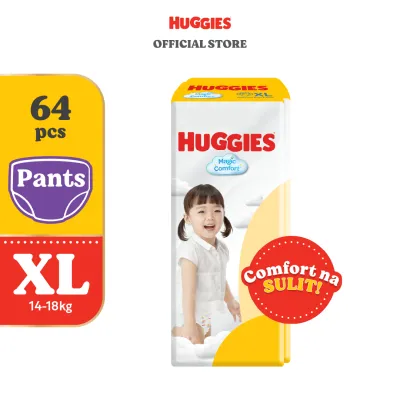
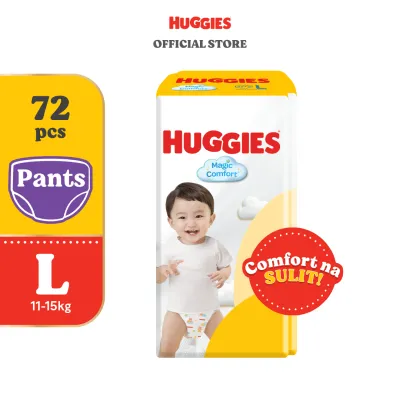
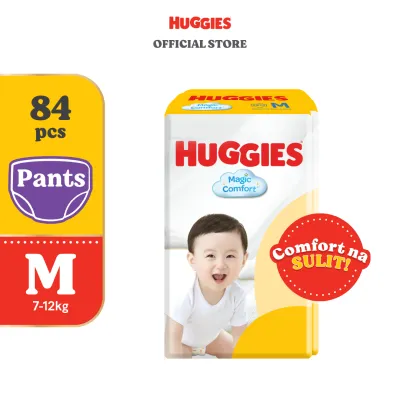
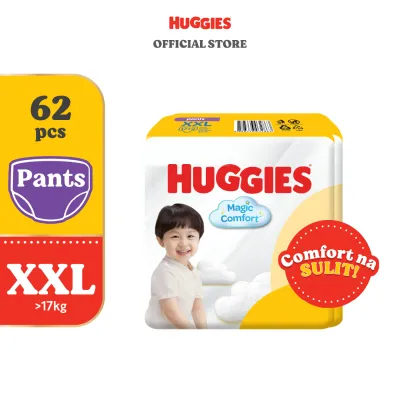
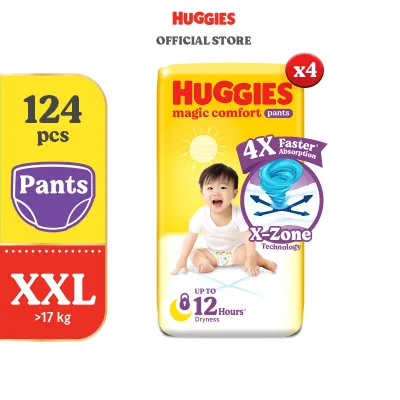
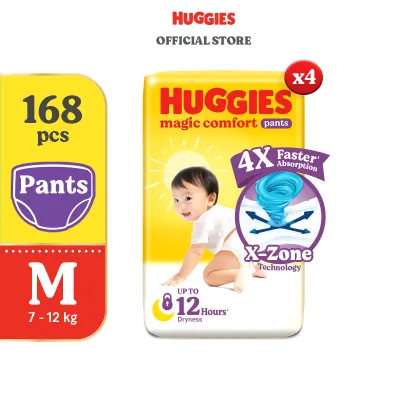
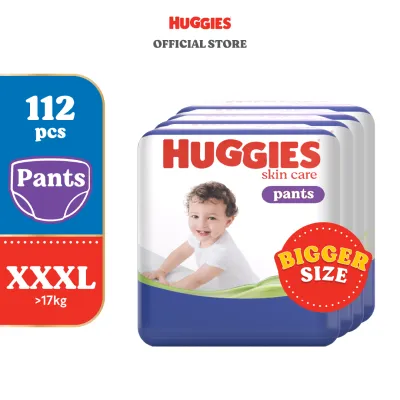
Prices are valid at publication and may change. Please refer to the product page for the latest price.

Pampers: Focused on Softness and Dryness
Pampers focuses its brand identity on skin comfort and advanced moisture distribution. By utilizing ultra-soft, cloth-like materials and lotion-infused top sheets, the brand aims to minimize friction against delicate skin. Pampers is also known for its thin, highly efficient absorbent cores that distribute liquid evenly to prevent sagging. Their product lineup ranges from accessible everyday dry options to premium care lines, which are often favored by parents of newborns or infants with highly sensitive skin.
Equator: Practical and Economical Utility
Equator occupies a distinct position as a highly practical, value-first diaper brand. Designed primarily for high-frequency daytime use, Equator focuses on the essentials of diapering: basic liquid absorption, secure fastening, and structural containment. By stripping away premium cosmetic features and proprietary material treatments, the brand delivers a functional diaper at a significantly lower price point. This makes it a popular choice for families looking to manage the high volume of diaper changes required during the first year of life.
Navigating Product Tiers in the Philippines
When comparing these brands, it is important to look beyond the parent brand name and evaluate the specific product lines available in the Philippines. Each brand offers distinct tiers, such as tape diapers for younger infants and pants-style diapers for older, more active babies. Premium tiers within Huggies and Pampers feature breathable outer membranes, wetness indicators, and specialized absorption channels, whereas their entry-level lines focus on standard dryness. Equator offers a straightforward, streamlined selection that prioritizes high-volume utility, making it crucial to compare equivalent tiers when making a decision.
Absorbency and Leak Protection: How Do They Hold Up?
Core Absorbency Technology
The performance of a disposable diaper relies heavily on its core construction, which typically consists of fluff pulp and superabsorbent polymers (SAP). SAP is a specialized material that absorbs liquid and locks it away in a gel form, preventing moisture from rewetted back onto the baby’s skin. Premium lines from Huggies and Pampers utilize advanced channel technology, which actively routes wetness away from the point of impact and distributes it along the length of the diaper. This prevents the core from clumping and sagging. Budget-friendly options like Equator generally use a traditional absorbent pad design, which effectively absorbs liquid but may concentrate wetness in one area, requiring more frequent changes to maintain surface dryness.
Managing Overnight vs. Daytime Needs
An infant’s diapering needs shift dramatically between active daytime hours and long overnight sleep stretches. During the day, babies require a diaper that allows for unrestricted movement and can be changed easily every few hours. Overnight, the priority shifts to maximum liquid retention and continuous dryness to ensure uninterrupted rest. Premium lines from Pampers and Huggies are specifically engineered to lock away multiple wettings over a span of up to twelve hours, though actual performance varies based on the baby’s liquid intake. For daytime use, when diapers are changed frequently regardless of saturation, a straightforward option like Equator provides sufficient protection without the added cost of extended-wear technology.
Leak Guard and Barrier Design
Preventing leaks requires a combination of strong core absorbency and effective physical barriers. Leg cuffs, also known as barrier leg gathers, must fit snugly against the baby’s thighs without causing red marks. Huggies utilizes double-layered leg guards and a highly elastic rear waistband that acts as a physical pocket to catch liquid stools, reducing the likelihood of back blowouts. Pampers employs flexible, stretchy side barriers that conform closely to the legs and hips. Equator features standard elastic leg gathers that provide reliable protection under normal movement but may lack the specialized double-barrier systems found in premium competitors.
Actionable Tips for Testing Absorbency at Home
Parents can easily monitor and evaluate diaper performance at home using simple observation techniques. To test for surface dryness, wait until your baby has used the diaper, then gently press a clean, dry paper tissue against the inner lining for three seconds. If the tissue remains dry, the diaper is successfully locking moisture away from the skin. Additionally, monitor the diaper for heavy sagging or the presence of small, clear gel beads on your baby’s skin. Gel bead leakage indicates that the outer lining of the absorbent core has ruptured, suggesting that you may need to upgrade to a more durable product line or size up to accommodate your baby’s urine volume.
Fit, Comfort, and Skin Sensitivity
Diaper Cuts and Sizing Dynamics
The physical cut of a diaper plays a major role in both leak prevention and overall comfort. Different brands utilize distinct templates; for example, some diapers are cut narrower through the crotch, while others offer wider coverage across the hips and bottom. A diaper that is cut too narrow may cause side leaks if your baby has a rounder build, while a diaper that is too wide can bunch up and cause chafing. When selecting a size, remember that the weight ranges printed on diaper packaging are general guidelines. If your baby has chubby thighs or a round belly, they may need to transition to a larger size well before reaching the upper weight limit of their current size.
Elasticity and Freedom of Movement
As infants hit developmental milestones such as rolling, crawling, and pulling themselves up, their diapers must stretch and flex with their bodies. Stretchy waistbands and flexible fastening tabs are critical for maintaining a secure fit during active play. Huggies diapers are highly regarded for their robust waistband elasticity, which keeps the diaper securely positioned even when heavily saturated. Pampers focuses on highly flexible side panels that stretch comfortably around the waist and hips. Equator diapers provide standard fastening tapes and moderate elasticity, which work well for stationary infants but may require more frequent adjustments once a baby becomes highly active.
Breathability and Skin Health in Tropical Climates
In warm, humid climates like the Philippines, managing skin moisture is essential to preventing diaper dermatitis, commonly known as diaper rash. High humidity traps heat and sweat inside the diaper, creating an environment where friction and moisture can quickly irritate delicate skin. To combat this, look for diapers featuring breathable outer backsheets that allow hot air to escape while keeping liquid contained. Premium lines often incorporate hypoallergenic materials, organic cotton blends, and pH-balancing top sheets. When evaluating these claims, prioritize diapers that feel soft to the touch and do not cause localized sweating or redness during use.
Clear Signs It Is Time to Switch Brands or Sizes
Persistent skin issues and frequent leaks are clear indicators that your current diaper choice is no longer meeting your baby’s needs. If you observe deep red marks or indentations around your baby’s thighs, waist, or hips, the diaper is too tight and is restricting circulation. Unexplained diaper rashes that do not resolve with standard barrier creams may indicate a sensitivity to a specific brand’s materials, fragrances, or adhesive chemicals. Furthermore, if you find yourself constantly readjusting the diaper tabs or dealing with frequent leaks despite the diaper being dry, the shape of the diaper may not be compatible with your baby’s body type.
Price and Value: Calculating the Real Cost per Diaper
Understanding Price Positioning and Tiers
Diapers represent a continuous, long-term household expense, making it essential to analyze their cost structure strategically. The market is divided into distinct pricing tiers:
- Premium Tiers: These lines feature the latest absorbency channels, ultra-soft breathable materials, wetness indicators, and organic components. They carry the highest price per unit.
- Mid-Range Tiers: These options balance reliable absorbency and comfortable materials with a moderate price point, making them suitable for daily use.
- Value/Budget Tiers: Designed to provide basic, functional protection at the lowest possible cost, these diapers strip away luxury features to maximize affordability.
In this comparison, Equator sits firmly in the budget tier, while Huggies and Pampers offer products ranging from mid-range to premium, depending on the specific product line.
How to Calculate the True Cost per Diaper
Evaluating diaper value solely by the upfront price of a package can be highly deceptive, as package sizes and diaper counts vary widely between brands and sizes. To find the true cost, always calculate the price per single diaper using this simple formula:
$$\text{Cost per Diaper} = \frac{\text{Total Price of the Pack}}{\text{Total Number of Diapers in the Pack}}$$
For example, if a pack of 40 diapers costs ₱400, the cost per diaper is ₱10.00. If a larger bulk pack of 80 diapers costs ₱640, the cost per diaper drops to ₱8.00. By tracking this metric, you can make accurate financial comparisons across different brands, sizes, and packaging formats.
The Strategy of Bulk Buying vs. Trial Packs
While buying diapers in bulk boxes almost always yields a lower cost per unit, committing to a large volume prematurely can lead to wasted money. Babies grow rapidly, and their body shapes change within weeks, which can cause them to outgrow a specific size suddenly. Additionally, a baby can develop a sudden skin sensitivity to a brand they have used for months. A practical approach is to purchase small trial packs when testing a new brand or transitioning to a larger size. Once you have verified that the diaper fits securely, does not leak, and does not cause skin irritation over a three-day period, you can confidently purchase bulk packaging to maximize your savings.
Where to Compare and Track Current Prices
To secure the best value, parents should regularly monitor prices across multiple retail channels in the Philippines. Major supermarkets and local warehouse clubs often offer competitive pricing on bulk boxes, especially during seasonal sales. Additionally, official brand stores on major e-commerce platforms frequently run promotional campaigns, bundle discounts, and subscription services that can significantly lower the cost per diaper. Keep a running log of your preferred brand’s average price per unit so you can quickly identify genuine discounts and stock up when prices are low.
The Final Verdict: How to Choose the Best Diaper for Your Baby
Choose Huggies If:
Your baby is highly active, constantly moving, or currently experiencing frequent back blowouts. The signature elastic waistband and secure pocketed design of Huggies provide excellent physical containment for active infants. This brand is also highly suitable if your baby has a body shape that benefits from a snug, contoured fit around the waist and legs, helping to prevent side leaks during play.
Choose Pampers If:
You prioritize exceptional material softness, advanced moisture-wicking technology, and reliable overnight performance. Pampers is an excellent choice if you want to keep your baby in a single diaper for long sleep stretches without risking surface wetness. It is also highly recommended if you prefer a clear, reliable wetness indicator to take the guesswork out of diaper changes.
Choose Equator If:
You are looking for a highly economical, practical diaper designed for frequent daytime changes. Equator is ideal for budget-conscious families who want to minimize diapering costs during the high-volume infant stage. It is also a smart option for the active potty-training phase, when diapers are changed immediately after a single wetting.
Important Safety and Verification Steps
Regardless of the diaper brand you choose, always prioritize your baby’s comfort and skin health. If your baby has highly sensitive skin, eczema, or a history of allergic reactions, perform a patch test by having them wear the new diaper for a few hours under close supervision. Look for any signs of redness, chafing, or hives. If a diaper rash develops and persists despite frequent changes and the application of diaper creams, stop using the brand immediately and consult a qualified pediatrician to identify potential allergens or underlying skin conditions.
Frequently Asked Questions (FAQ)
Can I mix different diaper brands for daytime and nighttime use?
Yes, mixing diaper brands is a highly effective, cost-saving strategy used by many parents. You can use a budget-friendly diaper like Equator for daytime hours, when your baby is awake and changed frequently. This manages costs during the period of highest diaper consumption. For nighttime use, you can switch to a premium, high-absorbency diaper from Huggies or Pampers. This ensures your baby remains dry and comfortable through long sleep stretches, preventing wetness-induced wakeups and leaks.
How do I know if I need to size up my baby's diaper?
Several clear physical signs indicate that your baby has outgrown their current diaper size. First, check for deep red marks or chafing around your baby’s thighs and waist, which show the elastics are too tight. Second, if the fastening tapes struggle to reach the center panel or pop open during movement, the diaper is too small. Finally, if you experience frequent leaks or blowouts despite the diaper not being fully saturated, the diaper’s physical capacity and coverage area are no longer sufficient, meaning it is time to transition to the next size up.
Are expensive diapers always better for preventing diaper rash?
No, expensive diapers are not a guaranteed cure for diaper rash, as diaper hygiene and changing frequency are the most critical factors in maintaining skin health. While premium diapers often feature softer, more breathable materials that reduce friction, any diaper left on too long will trap moisture and bacteria, leading to irritation. A budget-friendly diaper that is changed immediately upon wetting will protect your baby’s skin far better than a premium, highly absorbent diaper that is left on for an extended period after saturation.
Community discussion
Share your experience or ask a question. Comments are reviewed before publication.