
Finding the right newborn diaper among Huggies, Pampers, and Equator depends entirely on your baby’s unique body shape, skin sensitivity, and your household budget. Because every newborn is different, there is no single brand that works perfectly for every infant. In the Philippines, where high humidity and warm temperatures are constant, selecting a diaper requires balancing breathability with reliable leak protection to keep your baby comfortable and rash-free. This guide breaks down the observable design features, fit characteristics, and skin-care considerations of each brand to help you make a confident, informed choice for your baby’s first months.
What to Look for in a Newborn Diaper
Before comparing specific brands, it is essential to understand the baseline criteria that make a diaper suitable for a newborn. A newborn’s skin is incredibly delicate, thin, and highly sensitive to moisture and friction. In tropical climates, trapped moisture can quickly lead to heat rash or diaper dermatitis, making material breathability a primary concern.
One of the most critical physical features to look for is umbilical cord protection. A dedicated cutout or notch at the front of the diaper ensures that the healing umbilical stump remains exposed to the air and free from friction, reducing the risk of irritation or infection. Additionally, the inner lining of the diaper must be exceptionally gentle, with a soft texture that minimizes friction against the skin.
Products mentioned in this guide
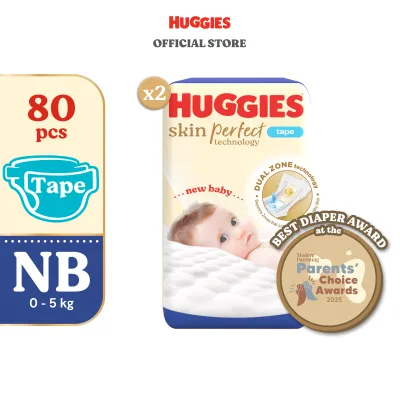
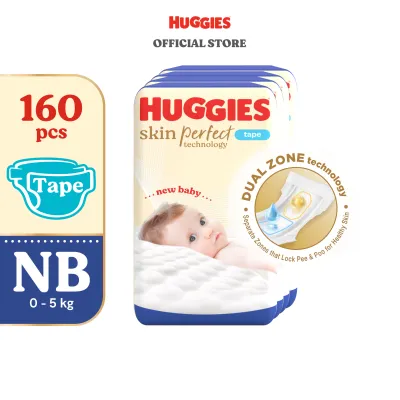
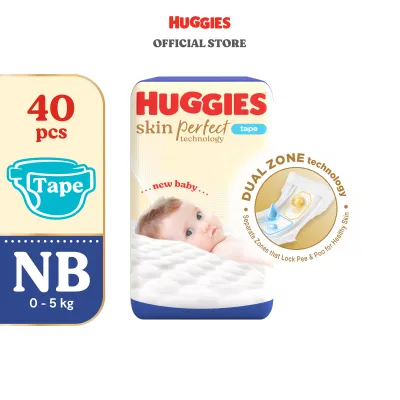
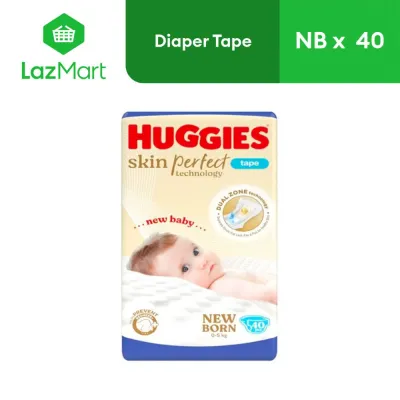
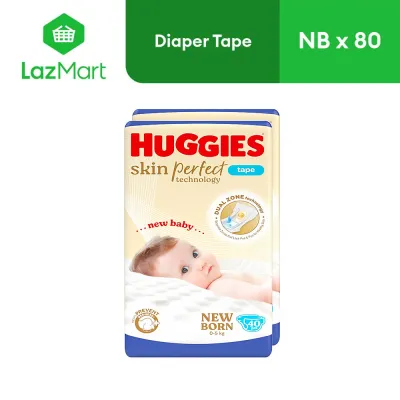
Prices are valid at publication and may change. Please refer to the product page for the latest price.
Containment is another vital factor during the first few weeks. Newborns pass frequent, loose, and runny stools that can easily escape standard diaper barriers. Double leg cuffs and elastic waistbands help create a secure seal around the thighs and back, preventing messy leaks. Finally, a reliable wetness indicator—typically a color-changing strip on the outside of the diaper—helps new parents monitor wetness without repeatedly opening the diaper and weakening the adhesive tabs.
Huggies Newborn Diapers: Design and Features
Huggies newborn diapers are widely recognized for their structural design, which focuses heavily on containment and skin protection. A standout feature of their newborn range is the pocketed waistband. This unique elastic pocket at the back of the diaper is specifically designed to trap runny stools, significantly reducing the likelihood of back blowouts during floor play or sleep.

For umbilical cord care, Huggies incorporates a contoured cutout at the front waistband. This design detail keeps the diaper from rubbing against the sensitive umbilical stump while it heals. The outer cover also features a highly visible, color-changing wetness indicator that shifts from yellow to blue-green, providing a clear visual cue when it is time for a change.
To ensure a proper fit, parents should always consult the manufacturer’s weight and sizing guide printed on the packaging. While newborn sizes generally accommodate babies up to 5 kilograms, individual body shapes vary. If your baby has rounder thighs or falls near the upper limit of the weight range, paying close attention to the fit of the leg cuffs is essential to prevent red marks and chafing.
Pampers Newborn Diapers: Design and Features
Pampers newborn diapers emphasize softness and even liquid distribution to maintain skin dryness. The topsheet is designed to feel exceptionally soft against a newborn’s skin, helping to minimize friction. When purchasing, parents can verify specific skin-care or hypoallergenic claims by checking the certifications and ingredient lists printed directly on the packaging.
A key structural feature of Pampers is its absorbency channels. Rather than allowing liquid to pool in a single spot, these channels distribute wetness evenly across the entire core of the diaper. This design helps prevent the diaper from becoming heavy and sagging, which can pull the waistband down and cause leaks.
For a secure yet comfortable fit, Pampers utilizes highly stretchy side panels. These flexible sides accommodate the natural expansion of a newborn’s belly after feeding, ensuring the diaper remains snug without restricting movement. Visual alignment markers on the waistband also help parents adjust the tape tabs symmetrically, ensuring an even fit around both legs.
Equator Newborn Diapers: Design and Features
Equator newborn diapers offer a practical, budget-friendly alternative designed for high-volume daily use. Because newborns require frequent diaper changes—often between 10 and 12 times a day—managing diaper costs in ₱ can quickly add up. Equator addresses this by focusing on essential functionality at an accessible price point.
The diaper features a basic absorbency core that is highly suitable for a frequent, scheduled changing routine. Rather than keeping a diaper on for extended periods, changing the diaper immediately upon wetness is one of the most effective ways to prevent diaper rash. Equator’s cost-effective design allows parents to maintain this high-frequency changing schedule without straining their household budget.
When using Equator diapers, parents should physically check the texture of the inner lining against their baby’s skin to ensure it meets their comfort standards. It is also wise to inspect the durability of the leg guards and the adhesive strength of the tape tabs during use. Ensuring the leg guards are fully flared outward after fastening will help maximize leak protection.
Feature Comparison: Absorbency, Fit, and Skin Care
To help you compare these three options side-by-side, the table below outlines the key observable features you can verify on the product packaging.
| Feature | Huggies Newborn | Pampers Newborn | Equator Newborn |
|---|---|---|---|
| Umbilical Cord Notch | Yes (Check package) | Yes (Check package) | Check package |
| Wetness Indicator | Yes | Yes | Check package |
| Waistband Design | Pocketed back waistband | Stretchy side panels | Flat waistband |
| Fastening Style | Re-adjustable tape | Stretchy, re-adjustable tape | Standard adhesive tape |
| Primary Focus | Blowout containment | Softness & even distribution | High-volume value |
When evaluating skin-care claims, look for specific certifications on the packaging, such as “dermatologically tested” or “hypoallergenic.” These labels indicate that the materials have undergone standard safety evaluations.
It is important to note that actual absorbency performance is highly individual. A diaper’s effectiveness depends on your baby’s unique body shape, feeding volume, and how frequently they are changed. No single brand guarantees a leak-free experience for every baby, making regular monitoring and proper sizing the most reliable approach to skin care.
How to Choose the Right Brand for Your Baby
Selecting the right diaper brand involves matching your baby’s physical needs with your daily routine and budget. If your newborn is prone to frequent back blowouts or has a highly active digestive system, Huggies is an excellent choice due to its pocketed waistband and secure back elastic. This design provides peace of mind during naps and car rides.
If your primary goal is maximizing softness, ensuring even wetness distribution, and achieving a highly flexible fit around the waist and legs, Pampers is a strong candidate. Its stretchy side panels and channel technology are particularly beneficial for babies who move frequently or experience skin irritation from stiff diaper edges.
For households prioritizing budget management and a strict, high-frequency changing routine, Equator offers a highly practical path. By choosing a budget-friendly option, you can comfortably change your baby’s diaper at the first sign of wetness, which is a highly effective way to maintain skin health.
Regardless of the brand you choose, always prioritize your baby’s skin health. If your newborn develops persistent redness, severe diaper rash, or signs of an allergic reaction, consult a pediatrician immediately. They can help identify potential material sensitivities and recommend specialized skin-care routines.
Buying Guide: Finding Authentic Newborn Diapers
To protect your baby’s sensitive skin, it is crucial to purchase authentic diapers from verified sources. Counterfeit or poorly stored diapers can lose their absorbency, have weak adhesives, or even harbor harmful bacteria. When shopping online, always look for verified official brand storefronts on major e-commerce platforms, such as searching specifically for the huggies official store newborn section to guarantee product authenticity.
If you prefer buying from physical supermarkets, department stores, or local pharmacies, take a moment to inspect the packaging. Ensure the plastic seals are completely intact and free from punctures. Look for printed batch codes and manufacturing dates on the bottom or sides of the pack; disposable diapers generally have a recommended shelf life of three years from the date of manufacture.
Avoid purchasing unverified bulk or “repacked” diapers from unauthorized third-party sellers. These products are often stored in humid, unventilated warehouses where they can absorb ambient moisture, reducing their effectiveness and increasing the risk of mold or bacterial growth. Investing in sealed, original packaging is the safest choice for your newborn.
Frequently Asked Questions (FAQ)
How many newborn diapers should I stock up on before birth?
Newborns grow incredibly fast, and many babies outgrow the newborn size (typically designed for babies up to 5 kilograms) within the first three to four weeks. It is best to stock up on only one or two small packs of newborn diapers before your baby arrives. Keep the receipts for any unopened packages so you can easily exchange them if your baby grows quicker than expected. Watch for physical signs that it is time to size up, such as frequent leaks, red marks around the thighs, or fastening tabs that no longer reach the center of the waistband easily.
Can I mix different diaper brands for my newborn?
Yes, mixing different diaper brands is a common and practical strategy for many parents, provided your baby’s skin tolerates the materials of both brands. You can monitor your baby’s skin for any signs of friction, redness, or increased leak frequency when transitioning between brands. A popular approach is using a highly absorbent, premium diaper like Huggies or Pampers for nighttime sleep to minimize disruptions, while utilizing a more economical option like Equator for frequent, scheduled daytime changes.

Community discussion
Share your experience or ask a question. Comments are reviewed before publication.