
Quick Answer: Which Diaper Brand Fits Your Baby Best?
Finding the right diaper for your baby is rarely a simple, one-time decision. The ideal choice depends heavily on your child’s unique body shape, skin sensitivity, and your household budget. In the warm, humid climate of the Philippines, balancing performance with skin comfort is essential to keep your baby happy and rash-free.
To help you decide quickly, here is how the three brands generally compare:
- Huggies is highly favored for active babies, offering robust leak protection, secure elastic waistbands, and excellent structural integrity during movement.
- Pampers is widely recognized for its ultra-soft, slim-profile design that minimizes bulk while providing excellent moisture-wicking capabilities.
- Equator (EQ) serves as an incredibly popular value-oriented option, offering reliable everyday absorbency at a fraction of the cost, making it ideal for frequent daytime changes.
This guide breaks down how these three household names perform across absorbency, fit, material safety, and price, helping you choose the best option for your baby’s developmental stage.
Products mentioned in this guide
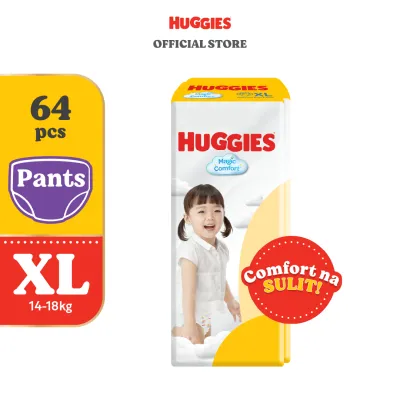
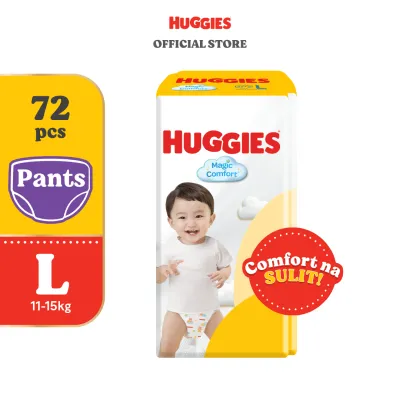
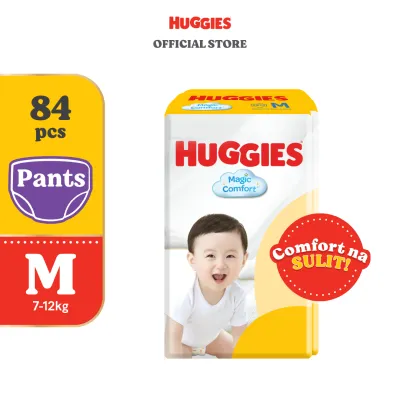
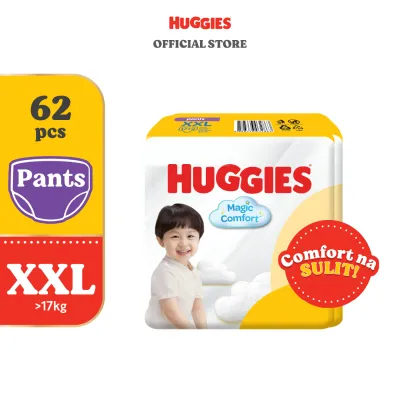
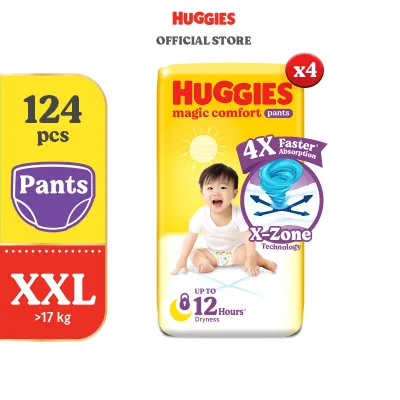
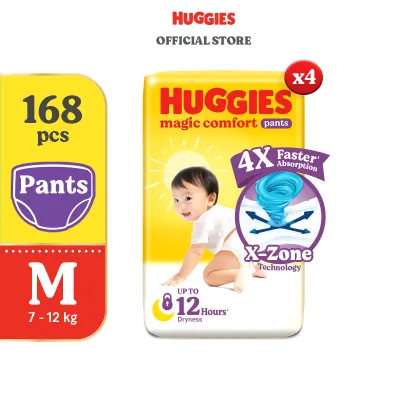
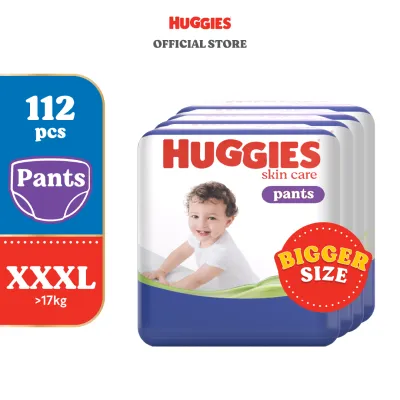
Prices are valid at publication and may change. Please refer to the product page for the latest price.
Understanding the Core Design of Huggies, Pampers, and Equator
Each diaper brand approaches baby comfort and leak prevention with a distinct design philosophy. Understanding these core engineering choices helps you match a diaper to your baby’s current developmental needs.

Huggies focuses heavily on structural security and active leak prevention. Across its product lines, such as Huggies Dry and Huggies Ultra, you will find reinforced leg cuffs, pocketed waistbands to catch runny stools, and highly elastic side panels. This robust construction is designed to keep the diaper firmly in place, even when your baby begins crawling, pulling up, or walking.
Pampers prioritizes a lightweight, low-bulk design designed to mimic the feel of real cloth. By focusing on slim absorbent cores and highly breathable outer sheets, Pampers aims to maximize airflow and reduce friction against delicate skin. Their variants, including Pampers Baby Dry and Pampers Premium Care, emphasize a contoured fit that moves naturally with the baby’s body without bunching up.
Equator, commonly known as EQ in the Philippine market, is engineered with a focus on practical, cost-effective utility. EQ diapers, such as EQ Plus or EQ Colors, prioritize straightforward absorbent cores and wide, easy-to-fasten tape systems. Rather than focusing on ultra-slim profiles or high-end luxury materials, EQ delivers reliable, high-volume capacity designed for families who prioritize frequent diaper changes to maintain hygiene.
Because manufacturers regularly update their diaper lines, materials, and technologies, it is important to treat these general brand characteristics as starting points. Always review the specific packaging of the variant you purchase to verify its current features, materials, and recommended weight ranges.
Comparing Absorbency and Leak Protection
Absorbency is the most critical function of any disposable diaper, directly affecting both your baby’s comfort and your sleep quality. Each brand utilizes different core technologies to capture and lock away moisture.
Most modern diapers rely on Superabsorbent Polymers (SAP)—tiny gel-absorbing beads that can hold many times their weight in liquid. Huggies and Pampers both feature advanced channel designs within their absorbent cores. These channels distribute liquid evenly along the length of the diaper, preventing the gel from clumping or sagging heavily in one spot. EQ utilizes a more traditional, concentrated absorbent pad that handles heavy wetting efficiently but may sag more noticeably when fully saturated.
For overnight use, the demands on a diaper increase significantly. Huggies and Pampers offer dedicated overnight variants or premium lines designed to lock away moisture for up to 12 hours. Their advanced dry-touch liners draw liquid rapidly into the core, keeping the surface dry against your baby’s skin. While EQ is highly effective for daytime use, its standard lines may require more frequent changes during the night to prevent wetness from sitting against the skin for extended periods.
Leak guards are the physical barriers around the legs and waist that prevent liquid from escaping. Huggies is particularly well-regarded for its deep pocketed waistbands and double-layered leg cuffs, which provide excellent containment during explosive bowel movements. Pampers utilizes soft, flexible leg barriers that seal gently around the thighs without leaving harsh red marks. EQ features functional leg cuffs that perform well during normal daily activities but may require more precise positioning on highly active babies.
Wetness indicators—lines on the outside of the diaper that change color when wet—are standard features on most premium variants of Huggies and Pampers, as well as several EQ lines. These indicators offer a quick visual cue, reducing the need to unfasten the diaper to check its status.
To evaluate real-world absorbency for your specific child, observe the diaper after three to four hours of continuous wear. Check whether the inner lining feels dry to the touch and note if the diaper sags excessively or shifts out of place. If the surface feels damp or the diaper loses its shape rapidly, it may be time to try a higher-absorbency variant or adjust the size.
Evaluating Fit, Comfort, and Sizing
A diaper can have outstanding absorbency, but if the fit is incorrect, leaks and skin irritation are almost inevitable. Babies come in all shapes and sizes, meaning a diaper that fits one child perfectly might fail on another.
The cut and shape of these three brands differ noticeably. Pampers diapers generally feature a slimmer, more contoured crotch area and a lower-rise waist. This design is highly suitable for babies with a leaner, longer build, as it reduces excess bulk between the legs. Huggies tends to have a roomier, wider cut with a higher rise at the back, making it an excellent match for babies with rounder bellies or chunkier thighs. EQ typically offers a wider, more traditional rectangular cut that provides generous coverage but can sometimes feel bulky on smaller or slimmer infants.
Elasticity plays a vital role in keeping active babies comfortable. Huggies is known for its highly stretchable waistband and wide, secure grip tabs that allow for a customized fit around the waist. Pampers utilizes soft, stretchy sides that flex naturally as your baby breathes and moves. EQ features sturdy, adjustable tape systems, though the overall stretch in the waistband is often more structured and less elastic than its premium competitors.
Sizing consistency can vary significantly across brands, and parents should never assume that a “Medium” in one brand matches a “Medium” in another. A diaper’s fit is determined by your baby’s weight and body shape rather than age. Always consult the weight guidelines printed clearly on each pack. If your baby is approaching the upper limit of a size range, or if you notice frequent leaks or red marks around the thighs, it is usually a clear sign to transition to the next size up.
As your baby transitions from crawling to walking, you may want to move from tape diapers to diaper pants. Huggies, Pampers, and EQ all offer pull-up pant variants. Diaper pants provide a quick, hassle-free change for wriggling toddlers, featuring 360-degree stretchy waistbands. However, tape diapers remain highly useful for newborns and younger infants, as they allow caregivers to adjust the waist tightness precisely to accommodate a healing umbilical cord or a full belly after feeding. Caregivers should supervise babies during diaper changes to prevent accidental falls from elevated changing surfaces.
Calculating Price and Overall Value
Managing the ongoing cost of diapers is a major consideration for families in the Philippines. To understand the true financial impact, you must look beyond the shelf price of a single pack.
To calculate the true cost of your diapers, always use the cost-per-diaper method. Divide the total price of the pack by the number of individual diapers inside. For example, a pack costing ₱450 containing 30 diapers results in a unit cost of ₱15 per diaper. Performing this quick calculation allows you to compare different package sizes and brands accurately.
In terms of market positioning, Equator (EQ) consistently stands out as the most budget-friendly option. It offers a low cost-per-unit, making it highly economical for families who practice frequent daytime changes. Huggies and Pampers occupy the mid-to-premium pricing tiers. Within these brands, standard lines (such as Huggies Dry or Pampers Baby Dry) offer a balance of performance and affordability, while their premium lines (such as Huggies Ultra or Pampers Premium Care) represent a higher financial investment.
These brands are widely accessible across the Philippines. You can easily find them in local supermarkets, department stores, neighborhood drugstores, and major online e-commerce platforms. To optimize your diaper budget, consider buying in bulk or purchasing “mega packs” online, which often carry a lower cost-per-diaper. Additionally, watch for monthly double-day sales, brand-specific promotions, and subscription options offered by official online stores.
When assessing overall value, remember that the cheapest option is not always the most economical. If a low-cost diaper leaks frequently, you will face increased costs from extra laundry, ruined clothing, and mattress cleaning, not to mention the emotional toll of a fussy, uncomfortable baby. True diaper value lies in finding the balance where the diaper performs reliably during its intended wear time without causing leaks or skin irritation.
Navigating Skin Sensitivity and Material Safety
Delicate baby skin requires careful protection, especially in the tropical heat and high humidity of the Philippines. Trapped moisture and friction are primary contributors to diaper rash, making material safety and breathability paramount.
The tactile feel of the diaper’s inner lining varies across the three brands. Pampers is highly regarded for its silky-soft top sheets, designed to minimize friction against highly sensitive skin. Huggies features a soft, textured liner that channels wetness away quickly, keeping the surface dry. EQ utilizes standard non-woven materials that are functional and clean, though they may feel slightly less plush than the premium offerings of its competitors.
Breathability is crucial for preventing heat rash and diaper dermatitis in tropical climates. Look for diapers with micro-porous outer covers that allow hot air to escape while keeping wetness locked inside. Both Pampers and Huggies place a strong emphasis on vapor-permeable backsheets in their designs. While EQ diapers are breathable, their thicker, more traditional construction can sometimes trap more heat during exceptionally hot afternoons, requiring more frequent monitoring.
Many diaper packaging labels display terms like “hypoallergenic,” “dermatologically tested,” or “free from elemental chlorine.” These terms indicate that the manufacturer has taken steps to minimize potential skin irritants. However, because these designations can vary, parents should always inspect the packaging directly to verify any specific certifications or ingredient lists.
Fragrances and added lotions can be a major trigger for babies with eczema or highly reactive skin. Pampers often includes a mild, signature scent in several of its lines, which many parents find pleasant for masking odors, though it may not suit babies with fragrance sensitivities. Huggies and EQ offer fragrance-free options that are highly suitable for sensitive skin. If your baby develops persistent redness, swelling, or a rash that does not clear up with standard barrier creams, stop using the diaper immediately and consult a pediatrician or qualified healthcare professional.
Final Verdict: How to Choose the Right Diaper
Selecting the perfect diaper involves matching your baby’s physical build and daily activity level with your family’s budget. Use this clear decision framework to guide your next purchase:
- Choose Huggies if: Your baby is highly active, has a rounder belly or chunkier thighs, or if you require robust, structured leak protection with deep pocketed waistbands for overnight sleep.
- Choose Pampers if: Your baby has a slimmer, longer build, has highly sensitive skin that benefits from an ultra-soft, low-friction texture, or if you prefer a lightweight, low-profile diaper that fits easily under snug clothing.
- Choose Equator (EQ) if: You are working within a strict budget, plan to change your baby's diaper frequently during the day, or want to maximize your savings by purchasing highly cost-effective bulk packs for everyday use.
Before making your final choice, always verify if your baby has specific skin conditions, such as severe diaper dermatitis or eczema. In these cases, consult a pediatrician first, and carefully review the material lists on the packaging to avoid known allergens.
As a practical final tip, avoid buying massive boxes of a single brand or size right away. Instead, purchase small trial packs of Huggies, Pampers, and EQ. Testing a few diapers from each brand in real-world conditions will allow you to evaluate the fit, absorbency, and skin compatibility on your baby’s unique body before committing to a bulk purchase.
Frequently Asked Questions (FAQ)
Can I mix different diaper brands for day and night use?
Yes, mixing diaper brands is a highly effective, budget-friendly strategy used by many parents in the Philippines. You can use a value-oriented diaper like Equator (EQ) for daytime hours when you are changing your baby frequently. Then, switch to a high-absorbency, premium option like Huggies or Pampers for overnight sleep or long outings. This approach ensures your baby stays dry and comfortable during long stretches while keeping your overall diaper expenses manageable.
How do I know if a diaper is too small or too large?
A diaper is likely too small if you notice deep red marks or indentations around your baby’s thighs or waist, if the tape fasteners do not easily reach the center of the landing zone, or if the diaper sits too low on their waist. Frequent leaks, especially when the diaper is not completely saturated, can also indicate a poor fit. Conversely, a diaper is too large if there are visible gaps around the legs or waistband, or if the diaper slides down when your baby crawls or walks.
Are diaper pants better than tape diapers for active babies?
Diaper pants are generally better for active babies who resist lying down during changes, as they can be pulled on quickly while the baby is standing or crawling. They also feature a 360-degree elastic waistband that moves flexibly with active toddlers. However, tape diapers remain superior for newborns and younger infants because they allow you to customize the tightness around the waist and avoid friction against a healing umbilical cord.
Community discussion
Share your experience or ask a question. Comments are reviewed before publication.