
Quick Answer: Which Diaper is Best for Sensitive Skin?
Finding the right diaper for a baby with sensitive skin is a highly individualized process. There is no single diaper that serves as a universal solution, as a baby’s skin can react to different triggers such as physical friction, prolonged exposure to moisture, or specific chemical additives. The ideal choice depends on your baby’s unique skin sensitivities and your daily caregiving routine.
To guide your decision, consider these conditional scenarios based on product design priorities:
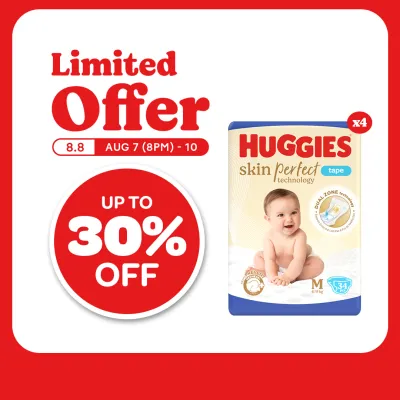
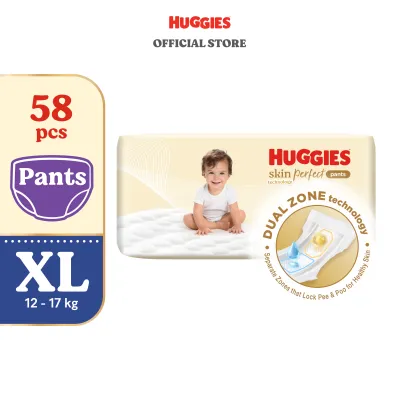
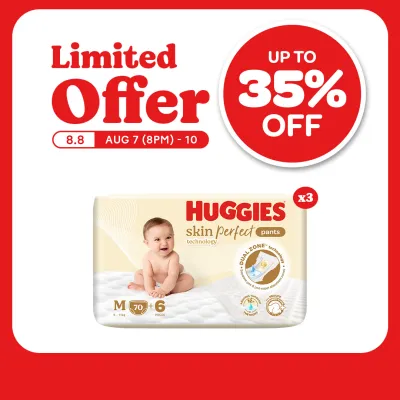
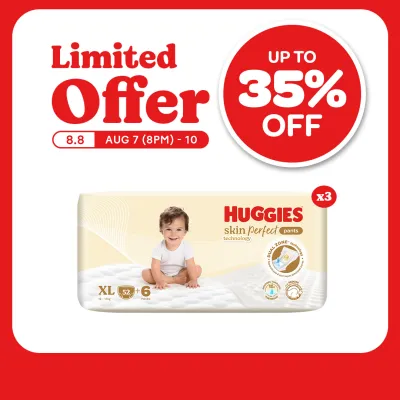
- Huggies Skin Perfect: Consider this option if your primary goal is addressing skin-conditioning needs and minimizing contact with runny stool, as this line is marketed with a focus on pH-balancing features and specialized liner textures.
- Pampers: Choose this brand if you prioritize rapid moisture-wicking technology and a flexible, contoured fit designed to keep wetness away from the skin during long stretches of sleep or travel.
- Equator: Opt for this brand if you prefer a highly budget-friendly option that allows you to maintain a strict, highly frequent diaper-changing schedule without worrying about the cost per unit.
Before purchasing any pack, always inspect the current packaging labels to verify dermatological testing, hypoallergenic claims, and the complete ingredient list, as manufacturers frequently update their product specifications.
Products mentioned in this guide
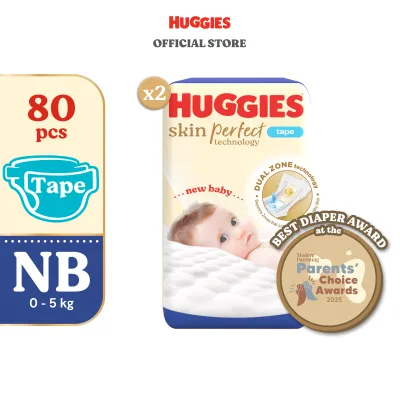
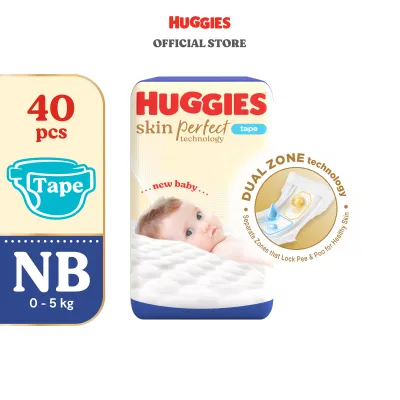
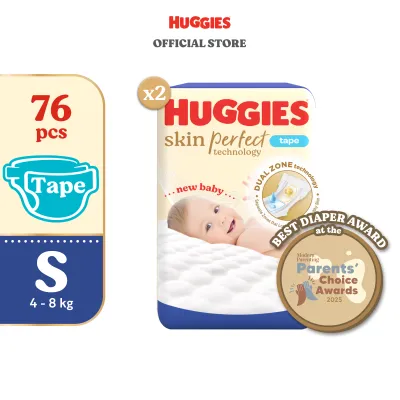
Prices are valid at publication and may change. Please refer to the product page for the latest price.
Core Features to Compare for Sensitive Skin
When evaluating diapers for sensitive skin, looking past marketing buzzwords is essential. Understanding the physical construction of a diaper helps you identify features that actively protect the skin barrier, especially in warm, humid tropical climates like the Philippines where sweat and trapped moisture can quickly lead to diaper rash.

Material Softness and Topsheet Texture
The inner lining, or topsheet, is the layer in direct contact with your baby’s skin. To minimize friction, which is a primary cause of chafing and contact dermatitis, look for a topsheet that feels smooth and soft to the touch. You can physically test this by rubbing the inner lining against the sensitive skin of your inner wrist.
Many sensitive-skin diapers feature a textured topsheet, such as a 3D embossed or bubble pattern. This design creates tiny air pockets that reduce the total surface area of the diaper touching the baby’s skin, while also helping to channel liquid away quickly. Additionally, inspect the leg cuffs and waistband; these areas should have soft, elasticized ruffles that stretch easily without leaving deep red indentation marks on your baby’s thighs or tummy.
Breathability and Moisture Control
High humidity and ambient temperatures accelerate moisture buildup inside a diaper, creating a warm microclimate that weakens the skin barrier. Excellent breathability is crucial to allow heat and vapor to escape. When reading diaper packaging, look for specifications detailing a breathable outer cover or micro-pores that facilitate continuous airflow.
Moisture control relies heavily on the diaper’s absorbent core, which typically contains superabsorbent polymers. A high-quality core quickly draws liquid away from the surface and locks it deep inside, preventing wetness from rewetting the topsheet when the baby sits or moves. Look for diapers that feature specialized acquisition distribution layers, which help spread liquid evenly across the core rather than letting it pool in one spot.
Skin-Protection Additives and Certifications
Many diapers designed for sensitive skin include added lotions, botanical extracts, or pH-balancing formulations on the topsheet to soothe the skin. However, what benefits one baby might irritate another. If your baby has highly reactive skin, you may want to look for options explicitly labeled as fragrance-free, dye-free, and elemental chlorine-free.
Because terms like “hypoallergenic” are not globally standardized, look for independent certifications or clear indications of dermatological testing on the packaging. Checking the manufacturer’s official website or the back of the box for clinical testing claims can help you verify the level of testing the product has undergone.
Evaluating the Contenders: Huggies, Pampers, and Equator
Each of these three brands approaches skin protection and diaper design from a different angle. By understanding their specific product positioning and labeled features, you can better match a diaper to your baby’s daily skin needs and your family’s lifestyle.
Huggies Skin Perfect
Huggies Skin Perfect is specifically positioned to address the delicate balance of a newborn’s and infant’s skin. The brand places a strong emphasis on maintaining a healthy skin pH and preventing irritation caused by both urine and runny bowel movements. When examining the packaging, you will find claims highlighting a specialized liner designed to absorb runny mess quickly, keeping it away from the skin.
To evaluate this diaper, observe the physical topsheet texture, which features a raised pattern designed to reduce skin contact. The diaper also includes a wetness indicator that changes color when wet, helping caregivers time their changes accurately to prevent prolonged wetness. Additionally, check the packaging for specific dermatological or pediatrician endorsements, and ensure you select the correct size based on your baby’s current weight to maintain a proper, friction-free fit.
Pampers
Pampers focuses heavily on rapid absorption and advanced moisture management to protect sensitive skin. Their diapers are designed to lock wetness away for up to several hours, making them a common choice for overnight use. The brand utilizes specialized channels within the absorbent core to distribute liquid evenly, preventing the diaper from sagging and causing friction between the baby’s legs.
When shopping for Pampers, it is important to distinguish between their standard lines and their sensitive-skin variants, such as Pampers Sensitive or Premium Care. These specialized versions typically feature a softer topsheet and are formulated without added fragrances, parabens, or latex. Always check the label of the specific pack you are purchasing to confirm that it meets your requirements for fragrance-free and lotion-free materials.
Equator
Equator diapers offer a straightforward, highly budget-friendly alternative focused on basic utility and affordability. While they may not feature the advanced proprietary moisture-wicking technologies or specialized skin-conditioning liners found in premium brands, they provide a practical solution for families who prioritize frequent diaper changes.
Because prolonged exposure to wetness is the primary driver of diaper rash, changing a diaper immediately after it becomes wet is one of the most effective ways to protect sensitive skin. The lower price-per-diaper of Equator allows caregivers to perform highly frequent changes without financial strain. When using this brand, physically inspect the softness of the inner lining and monitor your baby’s skin regularly to ensure the fit is correct and does not cause chafing during active movement.
Side-by-Side Feature Comparison
To help you contrast these three options, the table below outlines the key physical and labeled attributes you should verify on the packaging or during physical inspection.
| Feature | Huggies Skin Perfect | Pampers (Sensitive/Premium) | Equator |
|---|---|---|---|
| Topsheet Texture | Observe physical texture for raised, soft patterns designed to absorb runny mess. | Observe physical texture for smooth, fast-absorbing liners with distribution channels. | Observe physical texture for standard flat or lightly textured soft lining. |
| Breathability Features | Check label for breathable outer cover and airflow claims. | Check label for micro-pores and breathable backing materials. | Check label for basic breathable backing or ventilation features. |
| Fragrance/Lotion Status | Check label for hypoallergenic, fragrance-free, or lotion-free claims. | Check label for fragrance-free, alcohol-free, or lotion-free specifications. | Check label for presence of added fragrances or chemical additives. |
| Wetness Indicator | Check packaging to confirm presence of a color-changing wetness strip. | Check packaging to confirm presence of a color-changing wetness strip. | Check packaging to confirm if a wetness indicator is included on the outer shell. |
| Best Suited For | Babies prone to irritation from runny stool; parents prioritizing pH-balance claims. | Overnight use or long outings where rapid, high-capacity moisture locking is required. | Frequent daytime changes; budget-conscious families maintaining a strict changing schedule. |
Decision Framework: How to Choose the Right Fit for Your Baby
Selecting the right diaper involves balancing your baby’s skin reactions, your daily routine, and your household budget. Use this practical framework to guide your next purchase.
Choose Huggies Skin Perfect if:
- Your baby frequently experiences redness or irritation from runny stools, and you need a diaper designed to isolate liquid mess quickly.
- You prefer a diaper with explicit packaging claims regarding pH balance and skin-conditioning properties.
- You want a highly textured topsheet to minimize direct skin-to-wetness contact.
Choose Pampers if:
- Your primary concern is keeping your baby's skin dry during long sleep stretches or outings, requiring advanced moisture-wicking and distribution channels.
- You prefer a highly flexible, contoured fit that moves with your baby to prevent friction around the thighs and waist.
- You have access to their specific sensitive or premium product lines and can verify their fragrance-free status on the box.
Choose Equator if:
- You practice a highly frequent diaper-changing routine (e.g., changing immediately after every wetness) and want to optimize your budget.
- Your baby does not have known sensitivities to standard diaper materials, and you prioritize straightforward, cost-effective utility.
- You are comfortable manually checking the diaper frequently rather than relying solely on advanced moisture-wicking technology.
Verify first if:
Before committing to a bulk purchase on any online marketplace or local retail store, buy a small trial pack of the diaper to test how your baby’s skin reacts over a 24 to 48-hour period. Always verify the manufacturer’s size and weight chart on the packaging, as a diaper that is too small will cause friction, while one that is too large will leak. If your baby develops a severe, persistent, or blistering diaper rash, stop using the diaper immediately and consult a pediatrician or qualified healthcare professional for a proper diagnosis and treatment plan.
Frequently Asked Questions (FAQ)
Can I use diaper cream with all three brands?
Yes, diaper creams can generally be used with Huggies, Pampers, and Equator, but the application method is important. Applying an excessively thick layer of zinc oxide or petroleum-based barrier cream can transfer to the diaper’s topsheet during movement. This can clog the absorbent pores of the inner lining, preventing liquid from passing through to the core and leading to leaks or surface wetness. To prevent this, apply a thin, even layer of cream to your baby’s clean, dry skin, and allow it to absorb slightly before putting on the diaper. Always check the manufacturer’s instructions on both the diaper packaging and the cream tube for specific compatibility recommendations.
How do I know if the diaper itself is causing the rash?
Distinguishing between a standard moisture rash and a contact allergy to diaper materials requires careful observation. If the redness, irritation, or tiny bumps appear in a distinct pattern exactly where the diaper’s elastic waistband, leg cuffs, or adhesive tabs touch the skin, it may indicate a contact sensitivity to a specific material, dye, or fragrance. A standard diaper rash caused by heat and moisture typically concentrates in the skin folds and the main wetness zone. If you suspect a material allergy, switch to a verified fragrance-free, dye-free, or hypoallergenic diaper variant and monitor the skin for 24 to 48 hours. If the rash worsens, spreads, or begins to blister, stop use immediately and consult a pediatrician.

Community discussion
Share your experience or ask a question. Comments are reviewed before publication.