
Finding the right diaper pants for a growing toddler is a common challenge for parents, especially when transitioning to larger sizes like XXL. At this stage, toddlers are highly active, constantly moving, running, and exploring their environment. In tropical climates like the Philippines, where high heat and humidity are daily realities, choosing the correct diaper is not just about preventing leaks; it is also about maintaining skin health and ensuring overall comfort.
There is no single “best” diaper brand for every toddler, as body shapes, activity levels, and skin sensitivities vary significantly at the XXL size. The right choice between Huggies, Pampers, and Equator XXL pants depends on whether you prioritize a specific type of elastic fit, overnight absorbency, or material softness. This guide helps you decode packaging claims, observe your toddler’s physical cues, and apply a practical decision framework to select the most suitable option for your child’s daily and nightly needs.
By understanding how to evaluate these brands based on observable features and your child’s unique physical build, you can avoid the frustration of frequent leaks and skin irritation. Let us look closely at how to assess these products systematically.
Products mentioned in this guide
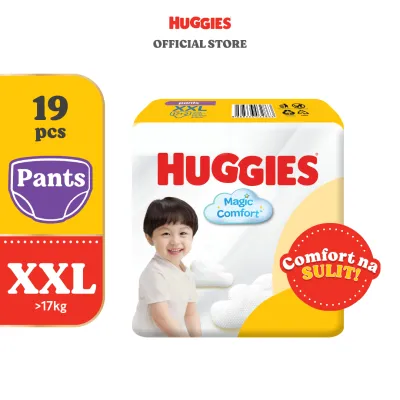
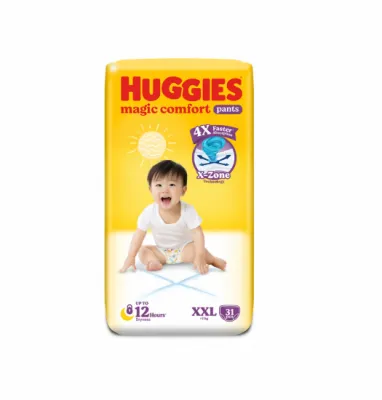
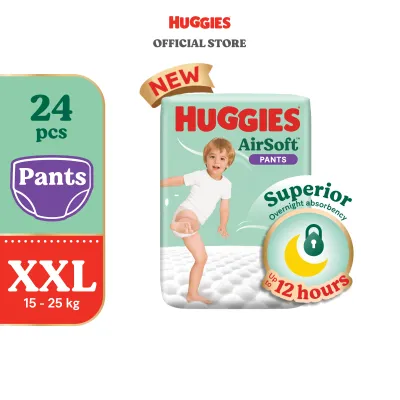
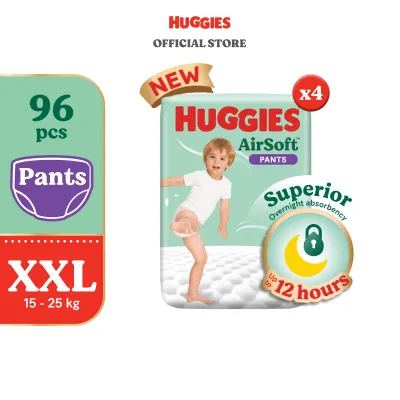
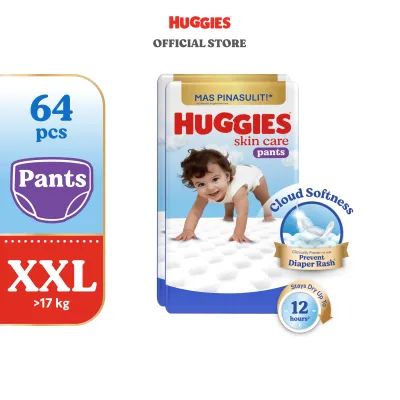
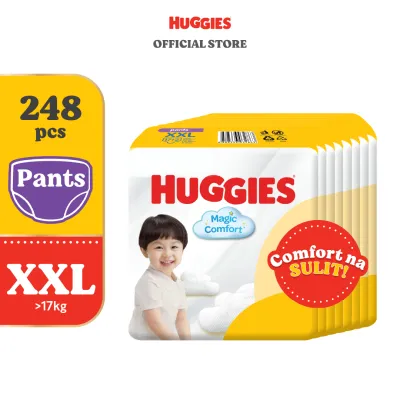
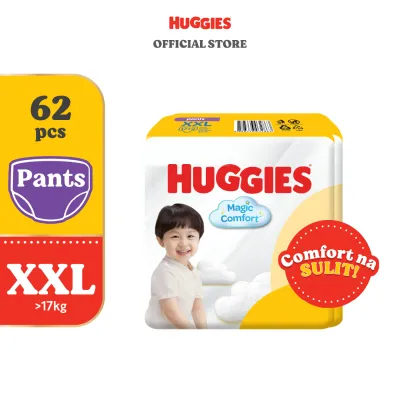
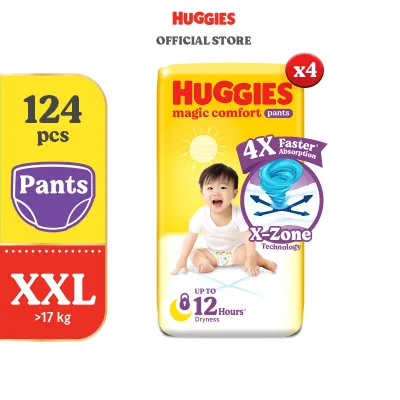
Prices are valid at publication and may change. Please refer to the product page for the latest price.
Checking XXL Weight Ranges and Physical Dimensions
When shopping for XXL diaper pants, the first point of reference is always the weight range printed on the packaging. Huggies, Pampers, and Equator each assign specific weight guidelines to their XXL sizes, which typically cater to toddlers weighing upwards of 15 kilograms. However, these ranges are general estimates and often overlap between sizes, meaning a toddler who weighs 16 kilograms might technically fit into both an XL and an XXL diaper depending on the brand’s specific sizing standards.
Relying solely on scale weight can lead to a poor fit because weight does not account for a toddler’s unique body shape. Two toddlers weighing exactly the same can have vastly different physical proportions; one may have a rounder tummy and chunky thighs, while the other might be taller and leaner. To ensure a proper baseline fit, parents should pay close attention to thigh circumference and waist measurements rather than just the number on the scale. If your toddler is transitioning between sizes, these physical dimensions are much more reliable indicators of comfort than weight alone.
When you unbox a new pack of diaper pants, take a moment to observe their physical dimensions before putting them on your child. Laying different brands side-by-side reveals that some diaper pants run larger or smaller in the waistband and leg cuffs despite sharing the same XXL label. Some brands design their pants with a higher rise, meaning the diaper sits higher up on the waist, while others have a lower, more compact cut. Checking these physical differences helps you anticipate how the diaper will sit on your toddler’s body.
Evaluating Fit and Leak Protection for Active Toddlers
Active toddlers require diaper pants that can keep up with constant movement without shifting out of place. To evaluate how well Huggies, Pampers, or Equator XXL pants will perform during active play, start by assessing the waistband elasticity and leg cuff design. Check the product packaging for claims regarding contoured shapes, 360-degree stretchable side panels, or double leak guards. A highly elastic waistband should stretch easily to accommodate movement while returning to its original shape to prevent gaps.

During use, it is essential to monitor your toddler for physical signs of a poor fit. Deep red marks or indentations left on your toddler’s thighs, hips, or waist after removing the diaper are clear indicators that the elastic is too tight or the cut is too small for their current size. Conversely, if the diaper pants sag significantly even when dry, or if you experience frequent side leaks during normal play, the fit is likely too loose. These signs indicate a need to adjust either the brand or the size to better suit your child’s body shape.
Your toddler’s daily activity level should heavily influence your choice of diaper pants. Highly active walkers, runners, and climbers put a lot of stress on the leg cuffs of a diaper, which can cause gaps to form as they move. For these children, look for brands that emphasize secure, gap-free leg cuffs and double barrier guards on their packaging. These features help ensure that the diaper remains snug against the skin during vigorous movement, containing messes effectively without restricting your toddler’s freedom of movement.
Matching Absorbency Claims to Day and Night Needs
Absorbency is a critical factor when comparing diaper pants, but it must be evaluated realistically. When reviewing diaper packaging, you will often see manufacturers claiming maximum absorbency durations, such as “up to 12 hours of dryness.” It is important to understand that these claims are based on standardized laboratory tests and that real-world performance depends entirely on your toddler’s individual fluid output and voiding patterns. A toddler who drinks a large amount of water before bed will test the limits of any diaper’s absorbency much faster than average.
To manage your toddler’s needs effectively, it helps to differentiate between daytime and nighttime requirements. During the day, the priority is typically frequent changes, high mobility, and a lighter, less bulky feel. In warm, humid environments, keeping a diaper on for too long can trap heat and moisture, so a diaper that prioritizes a slim profile and quick absorption is often ideal for daytime wear. At night, however, the focus shifts to longer continuous wear and higher volume capacity. Nighttime diapers need a robust core that can lock away multiple voids to prevent early morning leaks and minimize sleep disruptions.
When comparing Huggies, Pampers, and Equator XXL pants, look for practical features on the packaging that help you manage change schedules. A wetness indicator—usually a colored line that changes hue when wet—is highly useful for quick visual checks without having to pull the diaper open. Additionally, look for packaging descriptions of specific core distribution technology, such as channels that distribute liquid evenly across the absorbent pad. This technology prevents the diaper from sagging heavily in one spot, keeping your toddler comfortable and dry.
Assessing Material Comfort for Sensitive Skin
A toddler’s skin is delicate, and the friction caused by constant movement can easily lead to irritation if the diaper materials are rough. When selecting XXL pants, examine the inner lining texture and outer cover materials listed on the packaging. Look for specific claims regarding softness, breathability, or moisture-wicking capabilities. In tropical climates, a highly breathable outer cover is essential because it allows air to circulate, helping to keep the skin cool and dry even during hot, humid afternoons.
Parents of toddlers prone to skin sensitivity should carefully verify the product labels for specific safety and comfort designations. Look for explicit mentions of hypoallergenic materials, fragrance-free formulations, or dermatological testing on the packaging. Because these formulations and certifications can change, it is always best to verify these claims directly on the pack you are purchasing rather than relying on general brand reputation. Fragrances and certain synthetic materials can trigger allergic reactions or worsen diaper rash in sensitive children.
Even with the most carefully selected diaper, it is crucial to monitor your toddler’s skin regularly for any signs of redness, chafing, or rashes, particularly around the waistband and leg cuffs where friction is highest. If you notice persistent irritation that does not improve with regular diaper changes and barrier creams, establish a clear rule to discontinue use of that specific brand. Always consult a pediatrician or a qualified healthcare professional to address persistent skin issues and obtain personalized advice for your child’s skin care needs.
Decision Framework: Which XXL Pants to Try First?
Choosing which brand of XXL diaper pants to try first can be simplified by matching your toddler’s physical traits and your household’s primary concerns to the specific design strengths highlighted on each product’s packaging. If your toddler has a fuller tummy, rounder hips, or chunky thighs, prioritize a brand whose packaging emphasizes a wider, highly stretchable waistband and flexible side panels. This design helps prevent the elastic from digging into their skin while allowing comfortable movement.
If your primary concern is managing heavy overnight wetness and preventing early morning leaks, look for a brand that highlights high-capacity core technology, extra distribution channels, or overnight protection on its label. These features are specifically engineered to handle larger volumes of liquid over extended periods, making them more suitable for uninterrupted nighttime sleep.
Keep in mind that if your toddler is exactly on the border of the XXL weight limit, neither brand may provide a perfect fit out of the box. In such cases, verify the fit by checking the actual physical dimensions of the diaper against your child’s body, or consider sizing up to the next available tier to ensure adequate coverage and comfort. Sizing up is often the easiest way to resolve persistent leaks that occur even when the diaper is not fully saturated.
Before committing to bulk boxes on e-commerce platforms or at local supermarkets, always verify the fit and skin compatibility by purchasing the smallest available trial pack. Testing a small pack first allows you to observe how the diaper performs in real-world conditions on your toddler’s unique body shape without risking the expense of a large quantity of unusable diapers.
Frequently Asked Questions (FAQ)
How do I know if my toddler needs to size up from XXL?
You can determine if your toddler needs to size up from XXL by looking for key physical and functional signs. First, check for persistent red marks or deep indentations on your toddler’s waist, hips, or thighs that do not fade quickly after the diaper is removed. Second, note if the diaper pants feel overly tight or difficult to pull up, or if the waistband sits too low on the hips rather than near the belly button. Finally, observe if frequent leaks are occurring despite the diaper not being fully saturated; this often indicates that the physical dimensions of the diaper are too small to properly contain and distribute the flow.
Can I mix different diaper brands for day and night use?
Yes, mixing different diaper brands for day and night use is a highly common, practical, and cost-effective strategy for many families. For daytime active play, you can use a lighter, more flexible, or more budget-friendly brand that prioritizes freedom of movement, breathability, and frequent changes. For nighttime sleep, you can reserve a premium, high-capacity brand that emphasizes superior overnight absorbency and leak protection. This approach allows you to maximize your toddler’s comfort during different activities while managing your household budget efficiently.

Community discussion
Share your experience or ask a question. Comments are reviewed before publication.