
Pillows of any kind, including the hug taps pillow, are not safe for infants under twelve months of age. During the first year of life, a baby’s sleep environment must remain completely free of pillows, cushions, loose blankets, and soft toys. Introducing these items into a crib significantly increases the risk of accidental suffocation, entrapment, and Sudden Infant Death Syndrome (SIDS). Infants do not have the physical development or motor skills to rescue themselves if a soft object blocks their nose or mouth.
If you are evaluating a toddler pillow for an older child who is transitioning out of a crib, you must carefully verify its physical design, material composition, and manufacturer safety labels before making a purchase. While some products are marketed with comforting designs, parents must look past aesthetic appeal and focus entirely on structural safety, age-appropriateness, and material integrity. Understanding how to evaluate these features ensures you create a secure sleep space that supports your child’s development without compromising their safety.
Understanding Sleep Safety and When to Introduce a Pillow
Pediatric health authorities worldwide agree that infants under twelve months of age should always sleep on a firm, flat surface without any elevated head support. From a physiological standpoint, a baby’s body is built differently than an adult’s. An infant’s head is proportionally larger relative to their body, which naturally aligns their neck and spine when they lie flat on their back. Introducing a pillow forces the head forward, which can easily crimp their narrow, soft airway and restrict their breathing.
Products mentioned in this guide
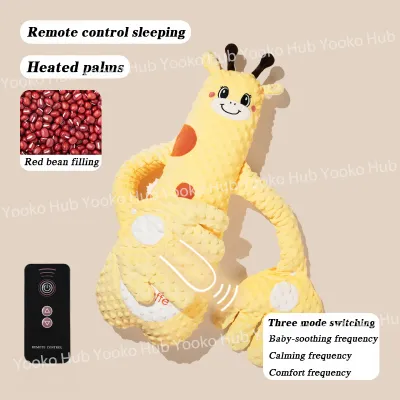
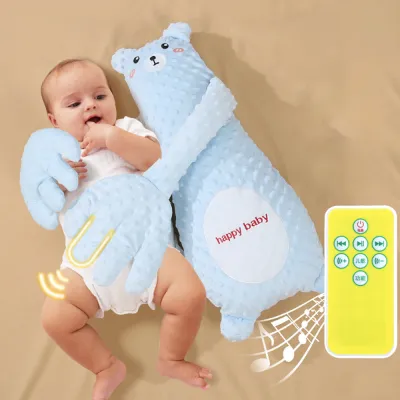
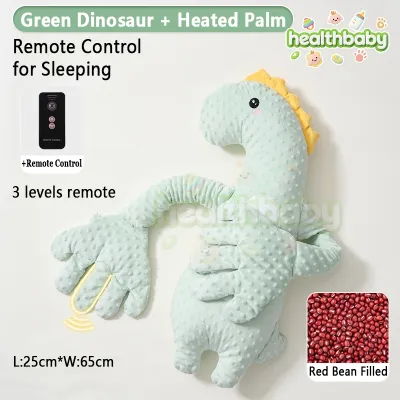
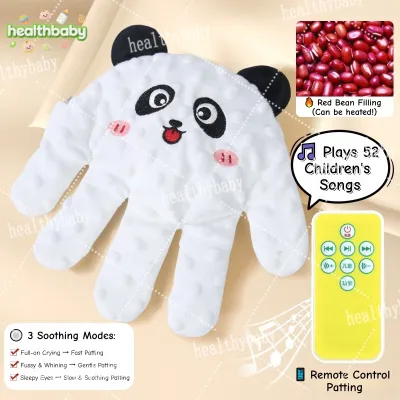
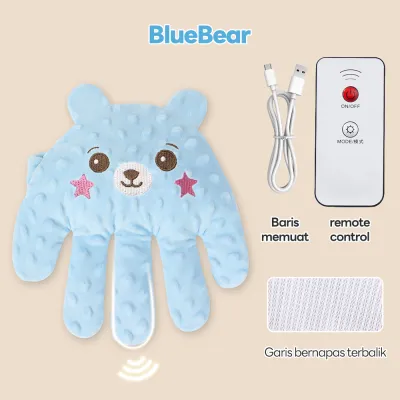
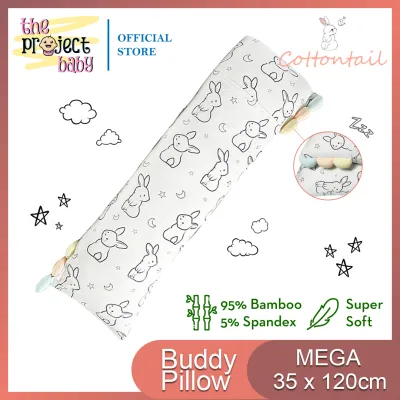
Prices are valid at publication and may change. Please refer to the product page for the latest price.
Furthermore, young babies lack the neck strength and motor control required to turn their heads if they roll face-down into a soft surface. If a pillow or plush bedding covers their nose and mouth, they can quickly experience rebreathing—a dangerous situation where they inhale their own exhaled carbon dioxide, leading to oxygen deprivation. It is only when a child transitions into toddlerhood, typically between twelve and eighteen months of age, that their neck muscles strengthen and their physical coordination improves sufficiently to handle a low-profile pillow.
Even as your child grows past their first birthday, introducing a pillow is not a developmental necessity. Many toddlers sleep perfectly well on a flat mattress for several years. The transition to a pillow is most appropriate when a child moves from a crib to a toddler bed, or when you observe them consistently resting their head on a folded blanket or stuffed animal for comfort. Before making this change, consult your pediatrician to confirm that your child has reached the necessary physical milestones and that their sleep environment is ready for a transition pillow.
Key Safety Features to Verify in Baby Bedding
When shopping for toddler bedding, firmness is the most critical safety factor to evaluate. A safe toddler pillow must be exceptionally firm and low-profile. You can perform a simple manual check by pressing your hand firmly into the center of the pillow; if your hand sinks deeply or if the pillow does not immediately spring back to its original shape when you release the pressure, the material is too soft. Overly plush or memory foam materials that conform to the shape of the face pose a severe suffocation hazard if the child rolls over during the night.

Breathability is another essential feature, particularly in warm and humid tropical climates like the Philippines. High humidity can cause children to sweat heavily during sleep, which can lead to skin irritation, heat rashes, and the accumulation of moisture within the pillow fibers. Look for pillows made with highly breathable, hypoallergenic materials such as organic cotton, bamboo-derived fabrics, or specialized breathable mesh. These materials facilitate continuous airflow, helping to regulate your child’s body temperature and keeping the sleep surface cool and dry.
Size and dimensions must be tailored specifically to a toddler’s smaller frame. A standard adult pillow is far too large and thick, which can strain a toddler’s neck and shoulders, leading to discomfort and poor spinal alignment. A proper toddler pillow should be compact, typically measuring around 30 by 45 centimeters, with a thickness of no more than two to three centimeters. This low profile provides just enough support to fill the small gap between their ear and the mattress when sleeping on their side, without elevating their head excessively.
Finally, always look for clear manufacturer age recommendations and recognized safety certifications on the product packaging. Reputable manufacturers will explicitly state the minimum age for which the product is intended. Look for certifications that verify the materials are free from harmful chemicals, heavy metals, and toxic flame retardants. Avoid purchasing any bedding product that lacks clear labeling, manufacturer contact information, or safety warnings, as these omissions often indicate a lack of rigorous quality control.
How to Assess the Hug Taps Pillow for Your Child
To determine if a specific product like the Hug Taps pillow is suitable for your toddler, start by conducting a thorough physical inspection of the item. Carefully read the care and material labels sewn into the product. Verify the exact composition of both the outer cover and the inner filling. Ensure that the materials are fully machine-washable, as toddler bedding requires frequent sanitizing to remove sweat, drool, and spills that can otherwise encourage the growth of bacteria or mold.
Next, examine the structural integrity of the pillow. Inspect all the seams and stitching to ensure they are tight, double-reinforced, and free of loose threads. Loose threads can easily wrap around a child’s fingers or toes, creating a painful tourniquet hazard. Check for any small decorative elements, buttons, tassels, or loose zippers. For toddler safety, any zipper on a pillow cover should be recessed, covered by a fabric flap, or designed with a locking mechanism that prevents the child from opening the cover and accessing the loose inner filling, which poses a severe choking hazard.
Before introducing the pillow to the bed, use a clear decision-making framework based on your child’s current sleep habits and mobility. Ask yourself if your child can easily roll from their back to their stomach and back again without assistance. Observe whether they actively move around their sleep space during the night. If your child is still sleeping in a standard crib with high rails, it is best to wait, as pillows can sometimes be used as steps to help an active toddler climb over the crib railing. If they have transitioned to a toddler bed and demonstrate excellent physical control, you can introduce a verified, firm, low-profile pillow under close observation.
Building a Safe Sleep Environment Beyond the Pillow
Introducing a safe pillow is only one part of maintaining a secure sleep space for your child. The foundation of a safe nursery starts with a high-quality, firm mattress that fits snugly inside the bed frame or crib. There should be no gaps between the mattress and the frame where a child’s limbs or head could become trapped. Cover the mattress with a tightly fitted sheet that wraps securely around the corners and cannot be easily pulled loose by an active sleeper.
Keep the rest of the sleeping area clean and minimalist. Avoid the temptation to decorate the bed with heavy quilts, thick comforters, bumper pads, or large stuffed animals. In addition to being safety hazards, these bulky items trap heat and restrict airflow around the bed. If your child needs extra warmth during cooler nights or in air-conditioned rooms, opt for a wearable blanket or a lightweight, single-layer cotton sleep sack instead of loose blankets that can easily cover their face.
Proper temperature and ventilation management are crucial for preventing overheating, which is a known risk factor for sleep-related accidents. In tropical environments, ensure the bedroom is well-ventilated using a ceiling fan, a standing fan, or air conditioning set to a comfortable, moderate temperature. Dress your child in lightweight, breathable sleepwear made of natural fibers like cotton. Regularly check your child’s chest or the back of their neck during sleep; if their skin feels hot or sweaty, adjust the room temperature or remove a layer of clothing to keep them comfortable and safe.
Frequently Asked Questions (FAQ)
At what age is it generally safe to introduce a pillow?
It is generally considered safe to introduce a small, firm pillow once a child reaches eighteen to twenty-four months of age, or when they transition from a crib to a toddler bed. At this stage of development, children have the neck strength, coordination, and motor skills necessary to move their heads away from objects that might obstruct their breathing. Always observe your child’s physical readiness and consult your pediatrician before adding any new bedding to their sleep environment.
How should I clean and maintain a toddler pillow?
To maintain a hygienic sleep environment, you should wash the toddler pillow and its cover regularly according to the manufacturer’s specific care instructions. Use a mild, fragrance-free, hypoallergenic detergent to prevent skin irritation or respiratory allergies. After washing, ensure the pillow is completely dry all the way through before placing it back on the bed. In humid tropical climates, any residual moisture inside the pillow filling can quickly lead to the growth of mold, mildew, and dust mites, which can trigger allergies and asthma.
Community discussion
Share your experience or ask a question. Comments are reviewed before publication.