
As your pregnancy progresses, the physical changes your body undergoes can introduce new aches and discomforts. Carrying extra weight at the front of your body shifts your center of gravity, often leading to lower back strain, pelvic girdle pain, and round ligament discomfort. A maternity support belt is a highly effective, non-invasive tool designed to alleviate these physical pressures by redistributing weight and stabilizing your pelvis.
To experience maximum relief without causing discomfort or restriction, you must wear and adjust the belt correctly. The band must sit low beneath your abdomen to cradle and lift your belly, rather than compressing it directly. Achieving the perfect fit requires understanding the physical mechanics of support, mastering the application steps, and learning how to adjust the tension for different daily activities.
In tropical climates like the Philippines, where high humidity and heat are daily realities, proper wear also involves choosing the right clothing layers to prevent skin irritation. By following a few simple adjustments and safety guidelines, you can safely integrate a support belt into your daily routine to maintain your mobility and comfort.
Products mentioned in this guide
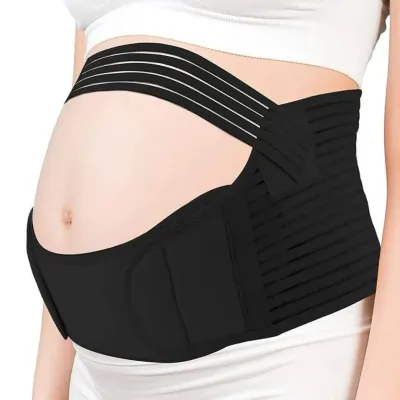
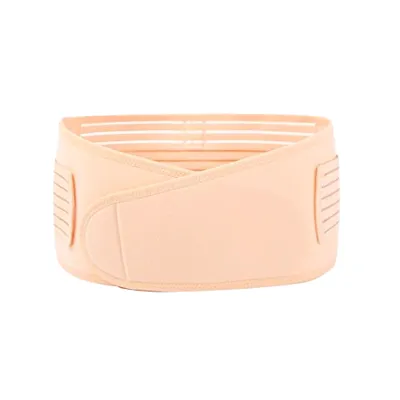
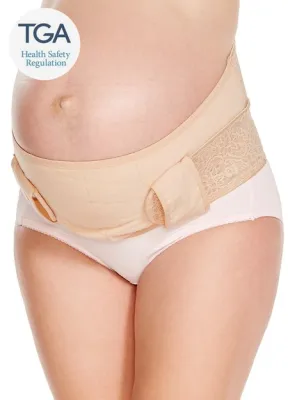
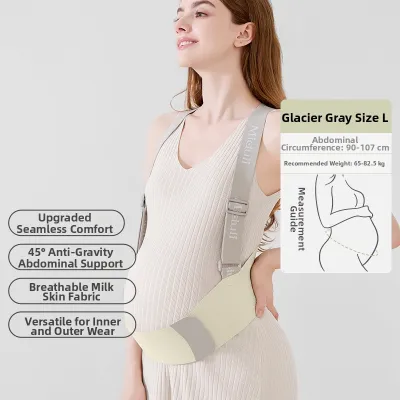
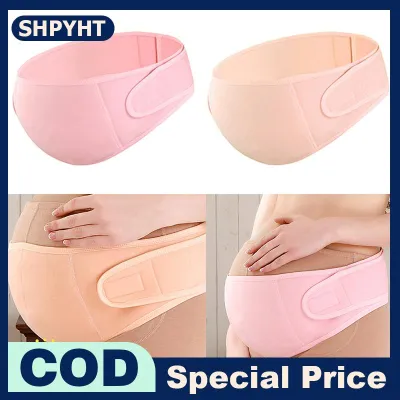
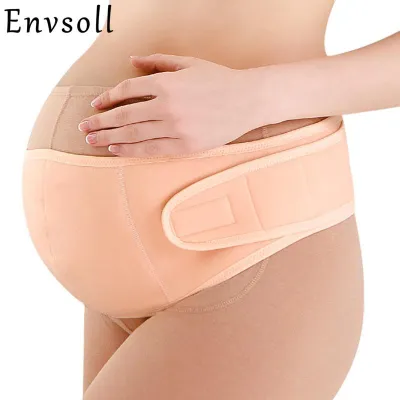
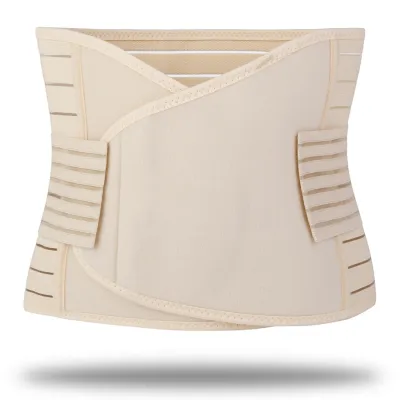
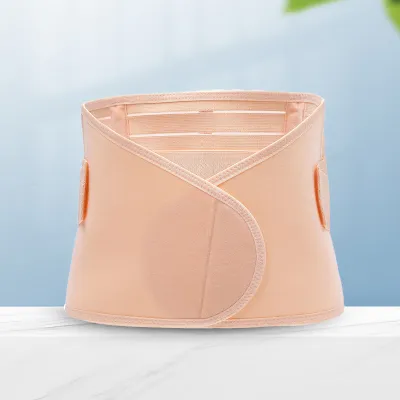
Prices are valid at publication and may change. Please refer to the product page for the latest price.
Understanding When and Why to Use a Maternity Support Belt
A maternity support belt works by providing external stabilization to your pelvis and lower back. As your baby grows, your body releases a hormone called relaxin, which loosens your ligaments to prepare your pelvis for childbirth. While essential, this ligament laxity combined with a growing bump can cause your pelvis to tilt forward, straining your lumbar spine and causing sharp or dull pain in your lower back, hips, and pelvic joints.
The primary mechanism of a support belt is to lift the lower abdomen gently, mimicking the supportive action of your natural abdominal muscles. This upward lift redistributes the weight of your growing uterus more evenly across your hips and lower back, reducing the load on your spine. Additionally, the compression provided by the back panel helps stabilize the sacroiliac (SI) joints, which frequently become unstable and painful during pregnancy.
Most expectant mothers find the belt most beneficial during the late second and third trimesters, typically between weeks 20 and 40. This is the period when the baby bump undergoes rapid growth, and the physical strain on your musculoskeletal system becomes more pronounced. However, the exact timing depends entirely on your individual comfort levels, physical activity, and the degree of pelvic or back discomfort you experience.
It is crucial to remember that a maternity support belt is a temporary supportive tool, not a medical cure. It helps manage and alleviate daily discomfort but does not address the underlying structural changes of pregnancy. Because every pregnancy is unique, you should always consult your OB-GYN or midwife before you begin using a support belt. This is especially important if you have a high-risk pregnancy, placenta previa, preeclampsia, or any condition that affects your blood circulation.
Step-by-Step Guide to Putting On Your Maternity Support Belt
Putting on your maternity support belt correctly ensures that you receive optimal structural support without putting unnecessary pressure on your baby or your blood vessels. Establishing a consistent, mindful routine when applying the belt will help you achieve a reliable, comfortable fit every single day.

Preparing for Application
Before you put on your belt, pay close attention to your clothing. In the warm, humid climate of the Philippines, wearing a support belt directly against your bare skin can trap sweat, leading to friction, chafing, or heat rash (locally known as bungang-araw). Always wear the belt over a thin, breathable, and seamless layer of clothing, such as a soft cotton camisole, tank top, or light t-shirt.
Next, find a comfortable, stable position to apply the belt. Stand upright with your shoulders relaxed, your feet hip-width apart, and your weight distributed evenly. If standing for long periods causes you dizziness or fatigue, you may sit on the edge of a firm chair with your back straight and your feet flat on the floor. Ensure your spine is neutral and your abdominal muscles are relaxed before you begin the application.
Positioning the Belt Correctly
The most critical aspect of wearing a maternity support belt is its physical placement. Take the main, widest portion of the support band and position it strictly under the curve of your belly. The band should act like a supportive hammock, cradling the very bottom of your bump to lift it upward and backward toward your spine. Never place the main band across the middle or upper part of your stomach, as this can compress your uterus and restrict blood flow.
Next, guide the back panel of the belt across your lower back and sacrum. The sacrum is the flat, triangular bone located at the base of your spine, right between your hip bones. Positioning the back panel low ensures that the weight of your belly is transferred directly to your pelvis, which is built to handle heavy loads, rather than pulling on your flexible lumbar spine. Ensure the back panel is centered and aligned horizontally with the front band.
Securing the Fasteners
Once the belt is positioned correctly, you can secure the fasteners. Most modern maternity belts use high-quality Velcro, hooks, or adjustable buckles. Hold the lower band firmly under your bump with one hand while using your other hand to bring the fasteners together. Secure them with moderate, even tension, ensuring that the attachment is firm but not overly tight.
If your maternity support belt features a multi-strap design, always work from the bottom upward. Secure the main lower support band first to establish the primary lift, and then gently pull the secondary side straps forward to fine-tune the lateral support. Make sure all fasteners lie completely flat against your body; any folded edges, twisted straps, or exposed Velcro can dig into your skin or snag your clothing, causing discomfort during your daily movements.
How to Adjust the Belt for Comfort and Effective Support
Finding the right level of tension is a highly personal process that requires a balance between firm support and gentle comfort. Because your body shape and posture change continuously throughout the day, you will need to make minor adjustments to your belt to maintain the perfect fit.
Checking the Tension and Fit
To ensure your maternity support belt is adjusted safely, always use the “two-finger rule.” Once you have secured the fasteners, try to slide two fingers flat between the support band and your clothing near your hip or abdomen. If you cannot slide your fingers in comfortably, the belt is too tight and must be loosened immediately. If the band slides around easily or shifts out of place when you take a few steps, it is too loose and needs to be tightened slightly.
When adjusted correctly, the belt should feel like a gentle, reassuring hug around your pelvis and lower abdomen. You should feel an immediate sensation of lightness in your lower back and a reduction in pelvic pressure. The belt should never feel like a restrictive compression garment or a waist trainer.
Overtightening your support belt can lead to several health issues. Excessive pressure on your abdomen can restrict your blood circulation, potentially reducing oxygen delivery to your uterus and lower extremities. It can also compress your stomach, worsening pregnancy-related acid reflux and heartburn, or push your belly upward against your diaphragm, making it difficult to take deep, comfortable breaths.
Adjusting for Different Activities and Postures
Your body’s shape changes depending on whether you are standing, walking, or sitting. When you sit down—whether at an office desk, at the dining table, or during a commute in a car or public transport—your abdomen naturally expands and shifts forward. This shift can cause a tightly fastened belt to ride up into your rib cage or press uncomfortably into your lower stomach.
To prevent this, make it a habit to loosen the side straps of your belt slightly whenever you sit down for an extended period. This minor adjustment maintains a safe level of circulation and prevents the material from digging into your thighs or groin. When you stand back up, simply re-tighten the straps to restore the upward lifting support needed for walking and standing.
Additionally, you must never wear a maternity support belt while sleeping or lying down for a nap. When you lie flat, gravity naturally redistributes the weight of your baby bump, relieving the pressure on your pelvis and spine. Wearing a belt in a horizontal position is unnecessary, offers no physical benefit, and can dangerously restrict your circulation and breathing while you sleep.
Safety Guidelines and When to Stop Wearing the Belt
While a maternity support belt is an excellent tool for managing pregnancy discomfort, your safety and the safety of your baby must always come first. Understanding the physical boundaries of using a support belt will prevent muscle weakness and protect you from potential complications.
Always pay close attention to how your body responds while wearing the belt. You must remove the belt immediately if you experience any of the following warning signs:
- Numbness or tingling: Any "pins and needles" sensation in your legs, hips, or pelvic region indicates that the belt is compressing a nerve or restricting blood flow.
- Shortness of breath: Difficulty breathing deeply suggests the belt is positioned too high or fastened too tightly, restricting your diaphragm.
- Dizziness or lightheadedness: This can be a sign of reduced blood pressure or restricted venous return to your heart.
- Increased heartburn or indigestion: Excessive abdominal pressure can force stomach acid upward into your esophagus.
- Decreased fetal movement: If you notice any sudden change or reduction in your baby's normal movement patterns, remove the belt immediately.
To prevent your core and back muscles from becoming overly dependent on external support, limit your daily wear time. It is highly recommended to wear the belt for only 2 to 3 hours at a time, up to a total of a few hours per day. Overusing the belt can cause your abdominal and spinal stabilizing muscles to become inactive, which can lead to muscle weakness and actually worsen your back pain once the belt is removed.
If your pelvic or back pain worsens while wearing the belt, or if you develop new, localized pain, stop using the product immediately. Every pregnancy is different, and worsening symptoms may indicate an underlying musculoskeletal issue or a pregnancy complication that requires professional evaluation. Contact your OB-GYN, midwife, or physical therapist in the Philippines to discuss your symptoms and ensure it is safe to continue using supportive garments.
Caring for and Maintaining Your Maternity Support Belt
Proper care and maintenance of your maternity support belt will preserve its elasticity, keep the fasteners secure, and maintain high standards of hygiene throughout your pregnancy. Because the belt is worn close to your body in a warm climate, regular cleaning is essential to prevent sweat and bacteria buildup.
Always refer to the manufacturer’s care label attached to your specific maternity support belt before cleaning it. For most high-quality elastic belts, hand washing is the safest and most effective cleaning method. Fill a basin with cool or lukewarm water and add a small amount of mild, hypoallergenic, or baby-safe detergent. Gently agitate the belt in the soapy water, avoiding harsh scrubbing or wringing, which can damage the delicate elastic fibers.
If the manufacturer’s instructions state that the belt is machine-washable, you must take precautions to protect the fabric. Secure all Velcro fasteners and hooks completely before washing; loose Velcro can snag the elastic of the belt itself or ruin other garments in the wash. Place the belt inside a mesh laundry bag, select a gentle or delicate cycle, and use cool water with a mild detergent.
After washing, always air dry your support belt. Lay it flat on a clean towel in a shaded, well-ventilated indoor space or a dry outdoor area away from direct sunlight. Never place the belt in a tumble dryer, and do not hang it directly under the hot tropical sun, as extreme heat will degrade the rubber and elastic components, causing the belt to lose its supportive tension and shape. Regularly inspect the seams, elastic bands, and fasteners for any signs of wear, fraying, or damage to ensure the belt remains safe and functional.
Frequently Asked Questions (FAQ)
This section addresses common questions and concerns regarding the daily use, safety, and adjustment of maternity support belts.
Can I wear a maternity support belt all day?
No, you should not wear a maternity support belt all day. Continuous, long-term wear can cause your core, lower back, and pelvic floor muscles to rely entirely on the belt for stability, which can weaken your natural muscles over time. To maintain your muscle strength, limit your wear time to 2 to 3 hours at a time during periods of physical activity, such as walking, standing chores, or commuting, and take regular breaks to allow your body’s muscles to work naturally.
Will wearing the belt hurt or squeeze my baby?
When applied and adjusted correctly, a maternity support belt will not hurt or squeeze your baby. The belt is designed to sit low, cradling the bottom of your abdomen and lifting the weight upward rather than compressing your stomach inward. The amniotic fluid surrounding your baby also provides a natural, protective cushion. However, you must always avoid overtightening the belt, and you should remove it immediately and consult your doctor if you experience discomfort or notice any decrease in your baby’s movements.
Can I wear the belt while driving or sitting at a desk?
Yes, you can wear the belt while sitting or driving, but you must adjust the tension to accommodate your posture. When you sit down, your abdomen naturally expands, which can cause the belt to feel much tighter or ride up into your ribs. Loosen the side straps slightly before sitting down to maintain comfort and circulation. Additionally, when driving or riding in a car, ensure the support belt does not interfere with the vehicle’s seatbelt; the lap belt must still sit low across your hips, flat under your belly, while the shoulder strap runs securely across your chest.
Community discussion
Share your experience or ask a question. Comments are reviewed before publication.