
Wearing a kangaroo baby carrier or hip seat is an excellent way to keep your little one close while keeping your hands free for daily tasks. However, carrying an infant for extended periods can quickly lead to lower back fatigue, shoulder strain, and neck pain if the gear is not adjusted correctly. More importantly, improper positioning can compromise your baby’s developing hips or restrict their delicate airway.
To prevent physical strain and ensure your baby remains completely secure, you must master the mechanics of weight distribution and ergonomic positioning. This involves securing the waist belt tightly above your hips, positioning your baby in a natural squatting posture, and keeping their face fully visible at all times. By understanding how to adjust each strap and buckle, you can enjoy comfortable, pain-free babywearing while supporting your child’s physical development.
Preparation and Safety Checks Before Use
Before you place your baby into any carrier, a thorough inspection of the gear is essential to prevent accidents. Over time, daily wear, washing cycles, and exposure to humid tropical climates can weaken fabrics, seams, and plastic fasteners. Lay the carrier flat on a clean surface and inspect every buckle for cracks, chips, or signs of stress. Pull firmly on all adjustable straps to ensure the webbing does not slip through the adjusters under tension, and check the stitching along major load-bearing seams for any fraying or loose threads.
Products mentioned in this guide

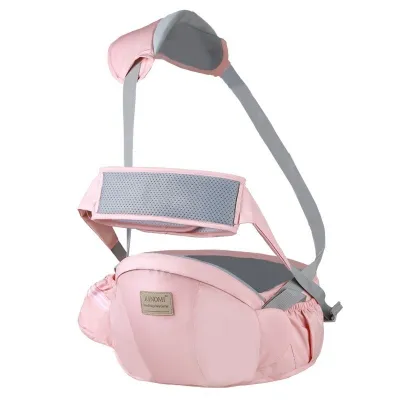
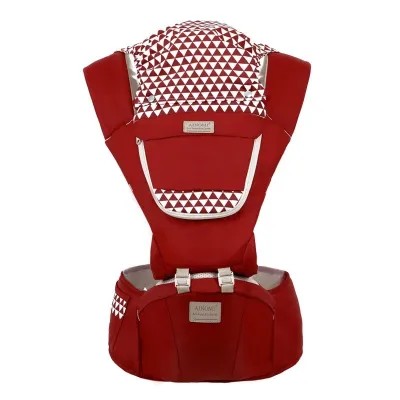
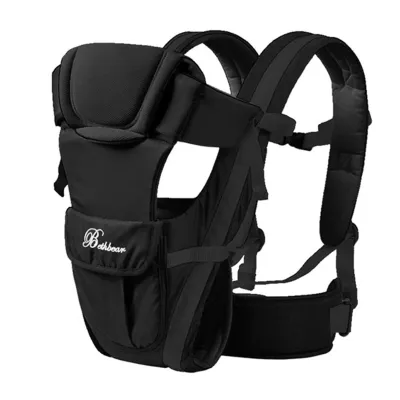
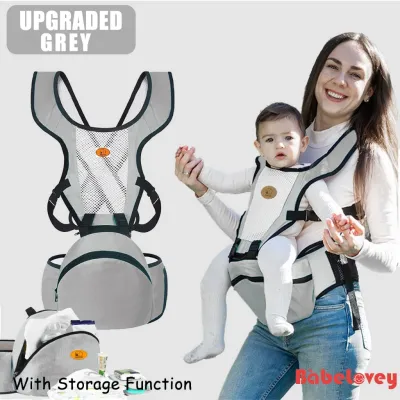
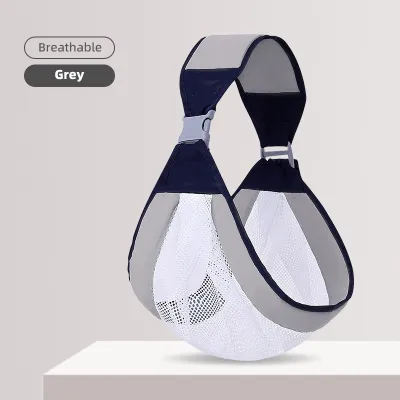
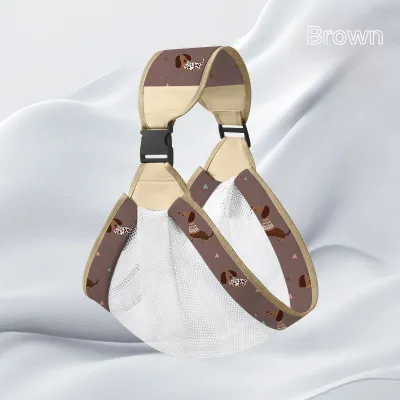
Prices are valid at publication and may change. Please refer to the product page for the latest price.
If your carrier features a removable hip seat base, pay close attention to the connection points. Verify that the zippers, snaps, or buckles connecting the seat to the main panel are fully engaged and undamaged. Inspect the internal structural frame or foam insert of the hip seat to ensure it has not cracked, warped, or degraded, as a compromised base cannot distribute your baby’s weight evenly and may tilt unexpectedly during use.
Additionally, you must confirm that your baby is developmentally ready for the specific carrying style you plan to use. Every manufacturer specifies distinct minimum weight, age, and developmental milestones for front-inward, front-outward, hip, and back carrying positions. For example, a newborn lacks the neck strength to sit in a structured carrier without specialized infant inserts, while a hip seat is generally reserved for older babies who can sit upright independently. Always consult your product’s manual to verify that your baby falls safely within the recommended weight and developmental ranges before proceeding.
Step-by-Step Guide to Putting on the Carrier or Hip Seat
Putting on a kangaroo baby carrier correctly starts with establishing a solid foundation on your own body before introducing your baby. Begin by positioning the wide waist belt or hip seat base around your torso. For optimal weight distribution, place the belt higher than you might expect—typically right above your hip bones, around your natural waist. Fastening the belt too low on the hips or around the thighs causes the carrier to sag, pulling your shoulders forward and placing immense strain on your lower back.

Once the waist belt is positioned correctly, pull it snug and secure the primary buckle. Many modern carriers include a secondary safety loop or hook-and-loop strap; ensure these are fully engaged. The belt should feel tight and supportive, similar to a firm hug, without restricting your ability to take deep breaths. If you can easily slide more than two fingers between your body and the belt, it is too loose and will fail to transfer the baby’s weight to your pelvis.
Next, lift the main fabric panel and slide the shoulder straps over your shoulders. If you are using a carrier with a chest or back clip, reach behind your neck or upper back to fasten it. This clip should rest comfortably in the middle of your shoulder blades, keeping the shoulder straps from sliding outward off your shoulders. If the clip is too high, it can press against your neck; if it is too low, it will not prevent the straps from slipping.
With the straps in place, pull the adjustment webbing forward or backward to tighten the harness. The initial fit should feel secure and close to your body, but leave enough slack so you can easily slide your baby into the seat. Ensure that all straps lie completely flat against your body, as twisted webbing can dig into your skin and cause painful pressure points during extended walks in warm weather.
Positioning Your Baby for Airway Safety and Hip Health
Once the carrier is secured on your body, carefully guide your baby into the seat while supporting their weight with one hand. The most critical aspect of positioning is ensuring your baby’s hips are placed in an ergonomic “M-shape,” also known as the frog-leg position. In this posture, the baby’s knees should be bent and positioned slightly higher than their bottom, with their thighs spread wide and fully supported by the carrier’s seat panel. This alignment keeps the head of the femur securely inside the hip socket, reducing the risk of hip dysplasia.
Never allow your baby’s legs to dangle straight down, as this places unnatural pulling forces on the hip joints. If you are using a hip seat, ensure your baby’s bottom is centered on the platform and their thighs drape naturally over the sides in a wide, supportive squat. For younger infants, the seat width must be adjusted to match their natural leg span so their knees can bend freely without the fabric cutting into their calves.
Airway safety is the next vital consideration when positioning your baby. Always apply the standard safety checks to ensure your baby is secure and breathing easily. The carrier must be tight enough to hold your baby close to your chest, preventing them from slumping down, which can chin-tuck and restrict their airway. You should always be able to see your baby’s face simply by looking down; their nose and mouth must remain completely free of fabric, clothing, or your own body.
A helpful rule of thumb is that your baby should be “close enough to kiss.” By tilting your head forward, you should easily be able to kiss the top of your baby’s head. Ensure there is always a space of at least one finger-width between your baby’s chin and their chest to keep their airway open. If your baby’s head slumps forward or their face is pressed flat against your chest, immediately adjust their position to restore a clear, unobstructed airway.
Adjusting the Fit to Prevent Parental Back and Shoulder Pain
Achieving a comfortable fit requires fine-tuning the straps to distribute your baby’s weight evenly across your skeletal frame. The primary goal of a high-quality kangaroo baby carrier is to transfer the majority of the load to your hips and legs, which are far better suited for carrying weight than your shoulders and spine. If you feel a dull ache in your shoulders or neck after just a few minutes of use, your waist belt is likely too loose, forcing your upper body to do all the work.
To correct this, tighten the waist belt slightly more to ensure it grips your pelvis firmly. Next, adjust the shoulder straps so they pull your baby’s torso snug against your chest. Bringing your baby’s center of gravity as close to your own as possible prevents you from leaning backward or arching your spine to balance the load. A snug fit ensures that your baby moves with your body rather than swaying independently, which can throw off your balance and strain your core muscles.
If your carrier features a cross-back strap configuration, consider utilizing it for added comfort. Crossing the straps in an “X” shape across your back can distribute weight more evenly across your shoulder blades and prevent the straps from digging into your armpits. For models with parallel straps, ensure the lumbar support pad is centered on your lower back to help cushion the pressure and maintain a neutral spinal alignment.
Take a moment to walk a few steps and assess how the weight feels. If you feel pressure on your collarbones, loosen the shoulder straps slightly and tighten the waist belt. If the carrier pulls forward on your lower back, tighten the shoulder straps to bring the baby closer. Regular, minor adjustments throughout your walk can help prevent muscle fatigue, especially when navigating uneven terrain or walking for extended periods in warm, humid conditions.
Common Mistakes and When to Stop or Seek Help
Even with the best gear, subtle mistakes in adjustment can lead to discomfort or safety hazards. One of the most common errors is leaning backward or hunching your shoulders to compensate for a loose carrier. If you find yourself constantly adjusting your posture or feeling the need to support your baby’s bottom with your hands while walking, the carrier is not tight enough. Your hands should be completely free, and your spine should remain straight and neutral.
Another common mistake is allowing the baby to slump downward into a curved, “C-shaped” posture where their chin rests on their chest. This slumping not only restricts breathing but also places excessive pressure on the baby’s developing spine. If your baby appears to be sinking into the carrier, remove them immediately, retighten the waist belt and shoulder straps, and reposition them higher on your chest.
As your baby grows, their physical dimensions and weight will change, requiring you to transition to different carrying styles. If your baby’s head extends past the top of the carrier panel without adequate support, or if their weight exceeds the manufacturer’s specified limit, it is time to adjust the carrier’s configuration or transition to a back carry. Continuing to use an outdated carrying position can strain your back and compromise your baby’s safety.
Always prioritize your baby’s comfort and well-being. If your baby shows signs of distress, persistent crying, breathing difficulty, or skin redness around their thighs, stop using the carrier immediately. If you suspect your baby is experiencing hip discomfort or if you have concerns about their physical development, consult a pediatrician or a qualified pediatric physical therapist before resuming use.
Frequently Asked Questions (FAQ)
Can I use a kangaroo baby carrier while pregnant?
Using a baby carrier while pregnant requires careful consideration of your changing body. During pregnancy, your body releases hormones that loosen your ligaments and joints, which can significantly affect your balance and stability. Additionally, your center of gravity shifts forward as your belly grows, making it harder to carry extra weight on your front without straining your lower back.
If you choose to use a carrier while pregnant, avoid placing any tight straps or waist belts directly across your abdomen. Many expectant parents find that a back carry or a hip carry is more comfortable, as it keeps pressure off the belly. However, you should always consult your obstetrician or healthcare provider before using a baby carrier during pregnancy to ensure it is safe for your specific physical condition.
How do I clean the carrier or hip seat after daily use?
Keeping your baby carrier clean is essential for hygiene, especially in warm, humid climates where sweat and drool can accumulate quickly. For daily maintenance, wipe down the hard hip seat base or structural frame with a damp cloth and mild, baby-safe soap. Avoid using harsh chemical cleaners, bleach, or abrasive pads, as these can degrade the plastic or foam components.
For the fabric portions of the carrier, always refer to the manufacturer’s care label for specific washing instructions. Most structured carriers can be machine washed on a gentle cycle using cold water and a mild, dye-free detergent. To protect the plastic buckles and prevent tangling, place the carrier inside a mesh laundry bag and fasten all buckles before washing. Always air dry the carrier in a shaded, well-ventilated area; avoid using a tumble dryer, as high heat can warp plastic buckles, shrink fabric panels, and damage internal padding.
Community discussion
Share your experience or ask a question. Comments are reviewed before publication.