
Wearing a baby carrier shirt properly requires a careful balance of fabric tension, correct positioning, and constant airway monitoring. These specialized garments combine the comfort of a standard t-shirt with the supportive structure of a wrap, allowing you to keep your infant close while keeping your hands free. To ensure your baby is secure, you must position them high on your chest in a natural ergonomic posture, adjust the fabric panels to eliminate slack, and verify that their airway remains completely unobstructed.
In tropical climates like the Philippines, where high humidity and warm temperatures are daily realities, mastering the adjustment of a carrier shirt is especially important. Excess heat can cause discomfort for both you and your baby, making proper fit and fabric selection crucial for safety. By following a systematic approach to putting on, positioning, and adjusting the shirt, you can create a secure, breathable environment that supports your baby’s developing spine and hips.
Before You Start: Checking Fit and Safety Limits
Before you attempt to place your baby inside a carrier shirt, you must verify that the specific garment is appropriate for your baby’s current physical development. Every manufacturer establishes strict weight limits and developmental guidelines that you must check on the product label or instruction manual. Never assume a shirt is suitable based on the baby’s age alone, as weight and head control are the primary safety indicators.
Products mentioned in this guide



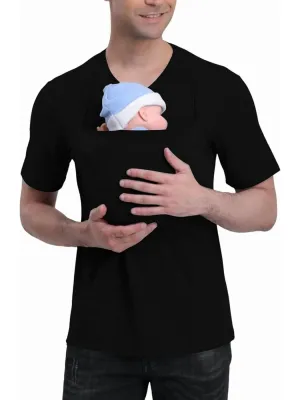

Prices are valid at publication and may change. Please refer to the product page for the latest price.
Inspect the physical integrity of the carrier shirt before every single use. Examine the seams, stitching, zippers, snaps, or ties to ensure there are no loose threads, tears, or weakened areas. The high humidity in tropical regions can sometimes affect fabric fibers over time, especially if the garment is stored in damp environments, so a quick visual check is a vital safety habit. If you notice any signs of wear or structural compromise, do not use the shirt.
Consider your own clothing layers and the environment before putting on the shirt. If the carrier shirt is designed to be worn as a standalone top for direct skin-to-skin contact, ensure your skin is clean and free of heavy lotions or oils that could make the fabric slippery. If the design requires a base layer, choose a lightweight, breathable cotton undershirt to prevent overheating. In warm weather, keeping both parent and baby from overheating is a key safety consideration during close-contact carrying.
Step-by-Step Guide to Putting on the Carrier Shirt
Putting on a baby carrier shirt correctly before placing your baby inside ensures that the fabric is distributed evenly across your body. Start by unfastening any front panels, side snaps, or zippers completely to open the shirt as wide as possible. This prevents the fabric from bunching up and allows you to position the main structural elements of the garment accurately against your torso.

Slip the shirt over your head and slide your arms through the sleeves, just as you would with a standard t-shirt. Take a moment to adjust the shoulder seams so they sit flat and centered on your shoulders. If the seams are twisted or pulled too far forward or backward, the weight of your baby will not distribute evenly, which can lead to shoulder strain and cause the baby to sag.
Secure the side or front closures partially, following the manufacturer’s specific instructions for preparation. You want to leave enough room in the pouch or wrap section to safely guide your baby inside without having to force them through a tight opening. The shirt should feel snug against your body but still stretch sufficiently to accommodate your baby’s shape. Double-check that any adjustable straps or ties are within easy reach so you can tighten them once your baby is positioned.
Positioning Your Baby Securely Inside the Shirt
Placing your baby into the carrier shirt requires your full attention and a gentle, systematic approach. Always support your baby’s head and neck with one hand while using your other hand to guide their legs and bottom into the designated pouch or wrap area. Because young infants lack the neck strength to support themselves, your physical support must remain constant until the fabric is fully adjusted and secured.
Your baby’s face must always remain completely visible, uncovered, and positioned high on your chest. A reliable rule of thumb is that the baby should be close enough to kiss; you should be able to easily tilt your head forward and kiss the top of your baby’s head without straining. If the baby is positioned too low on your torso, you will not be able to monitor their breathing effectively, and the fabric may not provide adequate spinal support.
Airway safety is the most critical aspect of positioning your baby in any carrier. Ensure the baby’s chin is off their chest, with a gap of at least two fingers between their chin and chest to keep their airway open. The nose and mouth must be completely free of fabric, clothing, and your own body. Check this visually and physically every few minutes, especially if your baby falls asleep, as their head can easily slump forward.
Verify that your baby’s legs and hips are positioned in an ergonomic, natural posture. Their knees should be bent and held higher than their bottom, forming an “M” shape or a frog-like position. This posture supports healthy hip development and prevents the hip joints from being forced into a straight, dangling position. The fabric of the carrier shirt should extend from the back of one knee to the back of the other knee to provide even, comfortable support.
Adjusting for Parent Comfort and Baby's Support
Once your baby is inside the pouch, you must fine-tune the fit to ensure both safety and personal comfort. Begin by tightening or loosening the side panels, ties, or snaps to eliminate any excess slack in the fabric. Loose fabric allows the baby to slump down, which can compromise their airway and put unnecessary strain on your lower back. The fabric should feel like a firm, supportive bandage around your baby’s body.
Adjust the shoulder straps or the neckline of the shirt to distribute the baby’s weight evenly across your upper body. If you feel localized pressure on your neck or the tops of your shoulders, spread the fabric wider across your shoulders or adjust the back panel downward. Proper weight distribution prevents muscle fatigue, allowing you to carry your baby comfortably for longer periods.
Ensure the fabric provides smooth, even support across your baby’s entire back and bottom. There should be no tight pressure points or deep creases in the fabric that could pinch the baby’s skin or restrict circulation. The fabric should hug the natural curve of your baby’s spine without forcing it straight. If the shirt features adjustable side straps, pull them evenly on both sides to maintain a centered, balanced fit.
How to Verify the Fit is Safe and Comfortable
Before you begin moving around or performing light daily tasks, perform a final safety check to confirm the fit is secure. Look down to verify that you can see your baby’s nose and mouth clearly and that no fabric is draping over their face. Place your hand gently on their back to feel their breathing pattern, ensuring it is steady and unrestricted.
Test the snugness of the carrier shirt by gently leaning forward while supporting your baby with one hand. Your baby should remain securely held against your chest and should not shift, slide, or pull away from your body. If the baby moves significantly or sags away from your chest when you lean, the shirt is too loose and must be adjusted or resized before you continue.
In the warm and humid climate of the Philippines, monitoring your baby’s temperature is a vital safety practice. The close physical contact combined with the fabric layers can quickly cause heat buildup. Check the back of your baby’s neck or chest; if the skin feels hot or sweaty, your baby may be overheating. Ensure you are both dressed in lightweight, breathable fabrics, and take breaks from the carrier in a cool, shaded area if needed.
If your baby shows any signs of distress, restricted breathing, unusual fussiness, or hip discomfort, remove them from the carrier shirt immediately. Do not attempt to force a fit if the baby seems uncomfortable or if you cannot achieve a secure, ergonomic position. If you have ongoing concerns about your baby’s posture, comfort, or breathing while using the carrier, stop using it and consult a pediatrician or a certified babywearing consultant for professional guidance.
Frequently Asked Questions (FAQ)
Can I use a baby carrier shirt for a newborn?
Whether you can use a baby carrier shirt for a newborn depends entirely on the specific product’s design and safety guidelines. You must check the manufacturer’s documentation for the minimum weight requirement, as many carrier shirts are designed for infants who have reached a specific weight threshold. Additionally, because newborns lack neck control, the shirt must provide adequate, structured support for the head and neck. If your baby was born prematurely, had a low birth weight, or has an underlying medical condition, do not use a carrier shirt without first obtaining medical approval from your pediatrician.
How do I clean and maintain the carrier shirt?
To maintain the structural integrity and elasticity of your baby carrier shirt, you must follow the care instructions on the manufacturer’s label. Generally, it is recommended to wash the shirt on a gentle cycle using cold water and a mild, baby-safe detergent that is free of harsh chemicals or strong fragrances. Avoid using fabric softeners, as they can coat the fibers and reduce the fabric’s grip and breathability. Air drying the shirt flat or hanging it in a shaded, well-ventilated area is typically preferred over machine drying, as high heat can degrade the elastic fibers and cause the garment to shrink or lose its supportive shape.

Community discussion
Share your experience or ask a question. Comments are reviewed before publication.