
Wearing a belly binder or support belt during pregnancy can provide welcome relief from the physical strain of carrying a growing baby, but safety depends entirely on correct positioning, appropriate tightness, and proper timing. In tropical climates like the Philippines, where heat and humidity can quickly cause skin irritation and discomfort, knowing how to wear and maintain these support garments is essential for both maternal comfort and fetal safety. Whether you are using a prenatal support belt or preparing a postpartum compression option like a Wink binder, understanding the structural differences and following a step-by-step application method will help you avoid common mistakes such as over-compression or muscle dependency.
By learning the correct way to position, adjust, and care for your binder, you can safely manage daily physical demands while protecting your changing body. This guide outlines the essential safety boundaries, step-by-step instructions, and practical maintenance tips to ensure your maternity support journey is both comfortable and risk-free.
Understanding the Purpose and Safety Boundaries of Maternity Binders
Before purchasing or wearing any abdominal support garment, it is crucial to distinguish between a prenatal support belt and a postpartum compression binder. Prenatal support belts are specifically engineered to lift the lower abdomen, redistribute weight across the lower back, and stabilize the pelvic ring without compressing the uterus. In contrast, postpartum binders, such as certain medical-grade compression garments like the Wink binder, are designed to provide targeted compression to help the abdominal wall recover after childbirth. Wearing a high-compression postpartum binder during pregnancy can restrict blood flow to the uterus and compress the developing baby, making it vital to verify the manufacturer’s intended use before putting any garment on your body.
Products mentioned in this guide
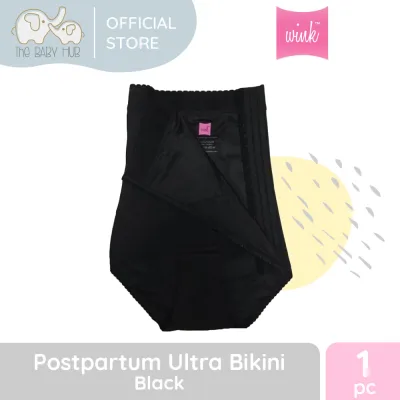
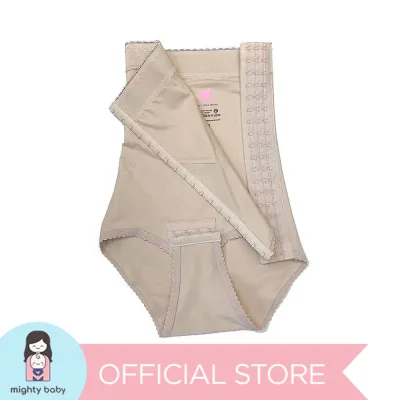
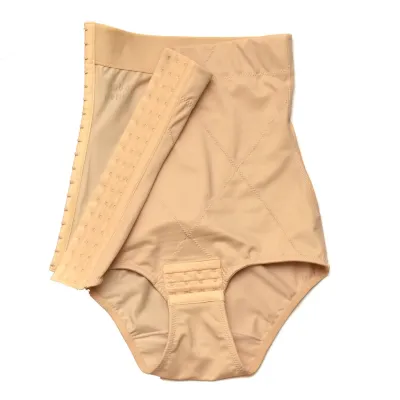
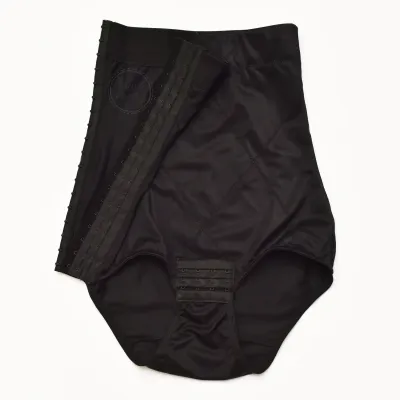
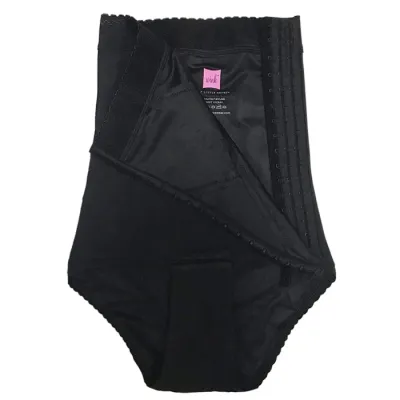
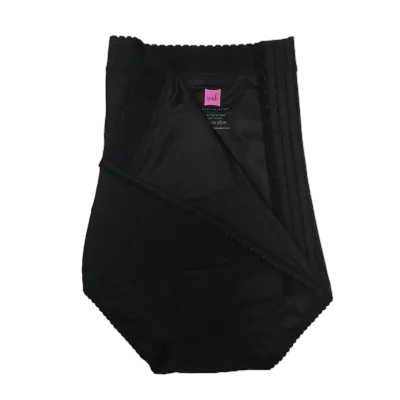
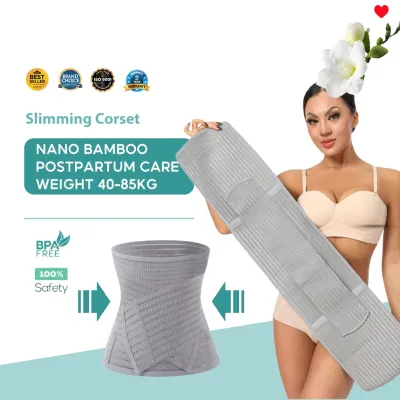
Prices are valid at publication and may change. Please refer to the product page for the latest price.
Because every pregnancy is unique, you must obtain clearance from your obstetrician or midwife before introducing an external support garment. This step is especially critical if you have been diagnosed with a high-risk pregnancy, placenta previa, preeclampsia, or if you have experienced any episodes of restricted fetal movement. Your healthcare provider can evaluate whether a support belt is safe for your specific anatomy and guide you on how to use it without interfering with your baby’s positioning or your pelvic circulation.
It is also important to set realistic expectations for what a maternity binder can do. These garments are designed to offer temporary postural support and mild relief from the heavy, downward pull of a late-stage pregnancy; they are not a cure for chronic back pain, pelvic girdle pain, or joint instability. Relying on a binder to mask severe pain can delay proper medical treatment or physical therapy, so always treat the garment as a supplementary comfort tool rather than a medical solution.
Step-by-Step Guide to Positioning and Fastening Your Binder
To ensure your binder provides safe and effective support, you must prepare your skin and position the garment with precision. In warm, humid environments, wearing an elastic band directly against your skin can trap sweat, leading to friction, chafing, and heat rashes. Always start by putting on a thin, breathable, seamless cotton camisole or undershirt to act as a protective barrier between your skin and the binder’s elastic fibers.

When applying the binder, stand up straight with your shoulders relaxed and your feet hip-width apart. Position the lower, wider band of the support belt low on your pelvis, cradling your hip bones rather than sitting high on your waist. The front portion of the belt should scoop gently under your baby bump, lifting the lower abdomen upward and backward toward your spine. Ensure the upper edge of the band does not press directly into the fundus, which is the top of your uterus, as this can apply downward pressure on your cervix and restrict fetal space.
Once the belt is positioned, fasten the primary closures and then adjust the secondary tension straps if your model has them. The key to safe fastening is achieving support without compression. You should be able to slide two fingers comfortably between the band and your skin at both the top and bottom edges of the garment. Take a few deep breaths to verify that your ribs can expand fully and that your breathing remains completely natural and unrestricted.
Finally, perform a quick mobility check by sitting down on a chair, bending forward slightly, and walking a few paces. If the binder digs into your thighs, pinches your hips, or forces you to alter your natural posture while sitting, it is positioned too low or fastened too tightly. Loosen the straps and reposition the band until you can transition between sitting and standing without feeling any sharp pressure or restriction.
Managing Wear Time and Recognizing Warning Signs
Using a maternity binder safely requires a balanced daily schedule that prevents your muscles from becoming dependent on external support. Rather than wearing the binder continuously throughout the day, establish a gradual wear schedule. Start by wearing the garment for short intervals of thirty to sixty minutes at a time, allowing your body to adjust to the support while giving your core and back muscles plenty of opportunities to work naturally.
As your pregnancy progresses, limit your total daily wear time to a maximum of three to four hours, broken up by frequent rest periods. The binder is most beneficial during active, weight-bearing tasks such as standing, walking, commuting, or performing light household chores. When you are sitting at a desk for extended periods, lounging on the couch, or resting, the binder is unnecessary and should be removed to promote optimal circulation and digestive comfort.
Paying close attention to your body’s signals is the most effective way to prevent complications while wearing a support garment. You must remove the binder immediately if you experience any red flag symptoms, including an increase in uterine contractions, sharp pelvic or abdominal pain, dizziness, nausea, or shortness of breath. Additionally, pay close attention to your baby’s activity levels; if you notice a sudden decrease or change in fetal movement while wearing or after wearing the binder, remove it at once and contact your healthcare provider.
Skin health is another critical indicator of proper usage, especially in tropical climates. If you notice deep red indentations, raised welts, severe itching, or localized heat rashes when you take off the binder, the garment is either too tight, worn for too long, or trapping too much moisture. Allow your skin to heal completely before attempting to wear the binder again, and consider switching to a more breathable base layer.
Care, Maintenance, and Hygiene for Your Maternity Belt
Proper care and hygiene are essential to maintain the structural integrity of your maternity binder and prevent skin infections. Because these garments are worn close to the body in warm weather, they quickly accumulate sweat, dead skin cells, and body oils. Always read and verify the manufacturer’s care label before washing, as elastic fibers, supportive boning, and Velcro closures require specific handling to avoid warping or losing their elasticity.
To clean your binder, hand-washing is highly recommended. Fill a basin with cool water and add a small amount of mild, hypoallergenic detergent that is free from harsh dyes or perfumes. Gently submerge the binder, squeeze the soapy water through the fabric without wringing or twisting the elastic, and rinse thoroughly with clean, cool water. If the manufacturer’s instructions explicitly state that machine-washing is safe, always secure all Velcro straps to prevent them from snagging the fabric, and place the binder inside a mesh laundry bag before running it on a gentle, cold-water cycle.
Once washed, drying the binder correctly is vital to prevent mold, mildew, and bacterial growth. Lay the binder completely flat on a clean, dry towel in a well-ventilated indoor space or a shaded outdoor area. Avoid hanging the binder by its straps, as the weight of the wet fabric can stretch out the elastic fibers permanently. Never expose the binder to direct, intense tropical sunlight or place it in a tumble dryer, as high heat will degrade the elastic components, warp any plastic or metal support stays, and ruin the garment’s ability to provide structured support.
Frequently Asked Questions (FAQ)
Can I wear a belly binder while sleeping or sitting for long periods?
It is generally not recommended to wear a belly binder while sleeping or during prolonged periods of sitting. When you lie down to sleep, your body’s circulatory demands change, and your muscles need to relax completely without external restriction. Wearing a binder during rest can compress your digestive organs, worsen pregnancy-related acid reflux, and restrict blood flow to your uterus. If you experience discomfort while resting, consult your healthcare provider about safe alternative support options, such as specialized pregnancy pillows.
Will wearing a support belt weaken my core muscles during pregnancy?
Yes, overusing a support belt can lead to muscle weakness or dependency. When an external garment constantly supports your abdomen and lower back, your deep core and pelvic floor muscles do not have to work as hard, which can cause them to weaken over time. To prevent this, use the binder only as a temporary aid during physically demanding activities. Pair its use with safe, doctor-approved prenatal exercises, such as pelvic tilts and gentle core stabilization movements, to keep your natural supporting muscles strong.
How do I know if my Wink binder or support belt is too tight?
Your binder is too tight if you experience physical symptoms such as shortness of breath, a feeling of restriction when taking deep breaths, numbness or tingling in your legs or pelvic region, or increased acid reflux. Other clear indicators include deep, lasting red marks or skin indentations after removing the belt, or any noticeable decrease in your baby’s movements. If you observe any of these signs, loosen the straps immediately or remove the binder entirely to ensure safe circulation and comfort.

Community discussion
Share your experience or ask a question. Comments are reviewed before publication.