
Properly wearing a mamaway binder during pregnancy can significantly ease physical discomfort, helping you maintain your active daily routine with greater comfort. To get the most out of this support garment, you must position the main panel low on your pelvis to cradle the underside of your baby bump, fasten the primary closure snugly but comfortably, and pull the secondary support straps upward and outward. This specific positioning lifts the weight of your growing belly off your pelvic floor and transfers it evenly to your lower back, preventing unnecessary strain on your muscles and ligaments.
While a maternity binder is an excellent tool for managing physical fatigue, it is important to understand how to use and adjust it correctly to avoid safety risks. In the warm and humid climate of the Philippines, wearing extra layers requires a thoughtful approach to prevent skin irritation and overheating. This comprehensive guide details the correct application steps, safety checks, and maintenance tips to ensure you and your baby remain safe, comfortable, and well-supported.
Understanding the Purpose and Best Time to Start
Before incorporating a mamaway binder into your daily routine, it is essential to understand what a maternity support band can and cannot do. A pregnancy binder is designed to relieve lower back pain, pelvic girdle pressure, and round ligament discomfort by distributing the weight of your growing bump more evenly across your torso. It acts as an external support aid to help stabilize your pelvis and lower back during movement. However, it does not replace your core muscles, nor is it intended to compress or shrink your belly during pregnancy.
Products mentioned in this guide
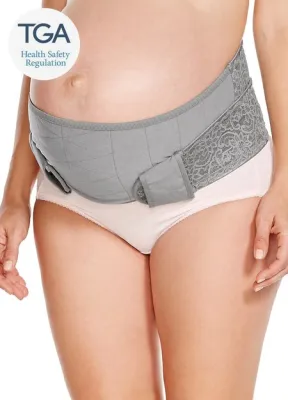
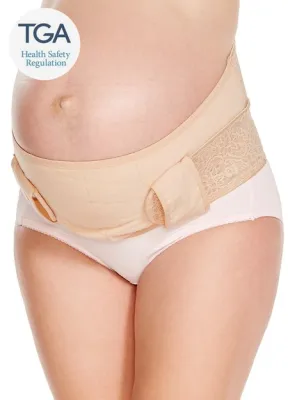
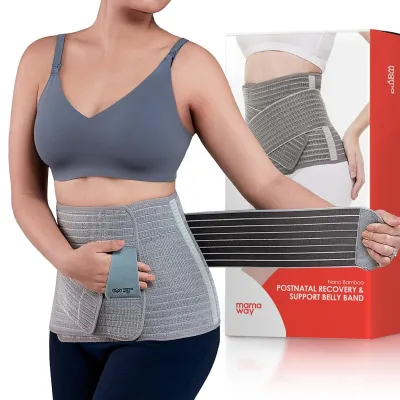
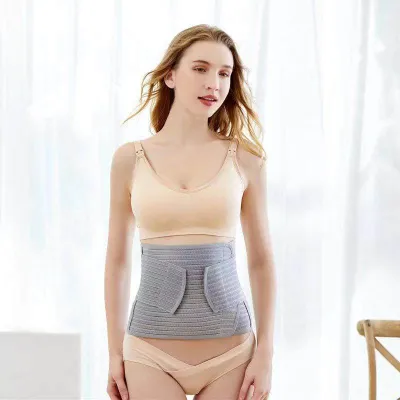
Prices are valid at publication and may change. Please refer to the product page for the latest price.
Knowing when to start wearing a support band depends largely on your physical comfort and the rate of your belly’s growth. Most expectant mothers begin using a binder during the second or third trimester, which is typically when the baby bump becomes noticeably heavier and begins to alter your center of gravity. Because every pregnancy is unique, you should always consult your OB-GYN before you begin wearing a support band to ensure it is appropriate for your specific physical condition. Additionally, always check the age, weight, and usage guidelines printed on your specific Mamaway product label to ensure proper compatibility.
Preparing for a Comfortable Fit in Tropical Climates
Preparing your skin and clothing before putting on your support band is crucial for preventing discomfort, especially in tropical climates. The high humidity and warm temperatures in the Philippines can easily lead to sweat accumulation, friction, and heat rashes if a tight band is worn directly against the skin. To prevent this, always wear your binder over a thin, breathable, and seamless layer of clothing, such as a lightweight cotton camisole or tank top. This layer acts as a barrier that absorbs moisture and prevents the edges of the binder from rubbing against your skin.

Before securing the band, ensure your skin is clean and completely dry. Avoid applying heavy body oils, thick lotions, or greasy sunscreens immediately before putting on the binder, as these products can cause the band to slip, degrade the elastic fibers, or trap bacteria against your skin. Finally, inspect the binder’s Velcro or hook-and-loop panels before alignment. Ensuring these closures are free of lint, loose threads, or debris is key to securing an even, reliable grip that will not slip as you move throughout the day.
Step-by-Step Guide to Putting On Your Mamaway Binder
Putting on your mamaway binder correctly requires a gentle touch and mindful positioning. It is highly recommended to put the binder on while you are standing upright or slightly reclined. Standing allows you to feel the natural gravity of your bump, while a slight recline helps your baby settle back slightly toward your spine, making it easier to position the support band underneath the weight.
Keep in mind that the primary goal of a maternity binder is to lift and support your belly from the bottom, rather than squeezing or compressing it from the sides. Always refer to the visual guide and instructions included in your specific Mamaway packaging, as strap configurations, widths, and closure designs can vary slightly across different product models.
Positioning the Main Panel
Begin by holding the binder open behind you, centering the support panel against your lower back. Bring the wider portion of the main panel around to the front of your body. You must place this main panel very low on your hips and pelvis, carefully cradling the underside of your baby bump.
Avoid the common mistake of placing the band directly across the middle or top of your uterus. Positioning the binder too high can compress your stomach, push your belly upward and inward, restrict your baby’s natural movement space, and cause immediate physical discomfort or shortness of breath.
Fastening the Primary Closure
Once the main panel is correctly positioned beneath your bump, bring the primary side panels together at your front. Pull them snugly but comfortably, and fasten the Velcro closure securely. The band should feel like a gentle, supportive hug around your pelvis.
As you fasten the primary closure, ensure there is still room for your belly to expand naturally when you sit down, breathe deeply, or finish a meal. The edges of the band should lay flat against your body and should not dig into your ribs, upper stomach, or hip bones. If the fabric begins to bunch up or pinch your skin, loosen the primary closure immediately.
Adjusting the Support Straps
With the primary band secured, locate the secondary cross-straps or side pull-tabs. Grasp these straps and pull them gently upward and outward simultaneously. This outward and upward pulling motion is what creates the targeted lift, shifting the physical weight of your baby bump off your pelvic floor and redistributing it toward your lower back and hips.
Once you feel a noticeable release of pressure in your lower abdomen, secure the straps to the main band. Be careful not to pull these secondary straps with excessive force. Over-tightening can restrict your breathing, limit your mobility, and put unnecessary pressure on your digestive tract, which can worsen pregnancy-related heartburn or acid reflux.
How to Verify the Fit Is Safe and Effective
After securing your binder, you must verify that it is fitted safely and performing its job effectively. The most reliable way to check the tightness is by using the “two-finger rule.” Slide two fingers flat under the top and bottom edges of the binder at any point around your waist. If you cannot easily slide your fingers beneath the band, the binder is too tight and must be loosened immediately to prevent circulation issues.
Next, evaluate how your body feels while standing and moving. You should experience a noticeable sensation of relief in your lower back, and your pelvic floor should feel lighter and more supported. Walk around your room for a few moments to ensure the band remains securely in place without shifting, sliding down, or riding up.
Finally, test your comfort while sitting down. Sit on a supportive chair and take a few deep, full breaths. The binder should not roll up, fold over, or press painfully into your thighs or ribs when your posture changes. After wearing the binder for a short period, check your skin for any deep indentations, red marks, or signs of restricted circulation, such as coldness or tingling in your legs. If any of these signs occur, adjust the band to a looser setting.
Warning Signs and When to Take It Off
Your safety and your baby’s well-being are the highest priorities when using any maternity support garment. You must remain highly aware of your body’s signals and remove the binder immediately if you experience any warning signs. These stop-conditions include shortness of breath, dizziness, lightheadedness, nausea, or any numbness, tingling, or sharp pain in your legs, hips, or pelvic region.
Additionally, pay close attention to your baby’s activity. If you notice a sudden restriction or change in fetal movement while wearing the binder, remove it at once. If the binder triggers Braxton Hicks contractions, unusual cramping, or sharp abdominal pain, take it off immediately and consult your OB-GYN or healthcare provider for professional guidance.
To prevent physical complications, there are strict boundaries on when the binder should not be worn. You must always remove the binder before sleeping, lying down for a nap, or taking a bath. Wearing a support band while lying flat can restrict your blood circulation, alter the pressure on your uterus, and limit your baby’s movement. Limit your use of the binder to active hours when you need the extra physical support the most.
Caring for Your Binder to Maintain Elasticity
Proper maintenance of your support band is essential for preserving its elasticity, structural integrity, and hygiene. Because the tropical climate of the Philippines can cause you to sweat more frequently, regular cleaning is necessary to prevent bacteria buildup and odor. To protect the delicate elastic fibers and ensure the Velcro closures remain highly functional, always hand-wash your binder in cool or lukewarm water.
Use a mild, baby-safe detergent that is free of harsh chemicals, dyes, or strong fragrances, which can irritate sensitive pregnancy skin. Gently agitate the water with your hands and soak the binder, avoiding any harsh scrubbing or wringing. Never machine-wash, tumble-dry, or use bleach on your binder. These aggressive cleaning methods can permanently stretch out the elastic, warp the supportive panels, and weaken the hook-and-loop fasteners.
After washing, gently press the excess water out of the binder by sandwiching it between two clean, dry towels. Lay the binder completely flat to air dry in a shaded, well-ventilated indoor area or a covered outdoor space. Avoid exposing the binder to direct, intense sunlight, as extreme heat can degrade the synthetic elastic fibers over time, reducing the garment’s supportive capabilities.
Frequently Asked Questions (FAQ)
Can I wear the binder while sitting or sleeping?
You can wear the binder while sitting, but you must ensure it does not roll up or press too firmly into your ribs or thighs. Many women find it helpful to loosen the straps slightly when transitioning from standing to a seated position to maintain comfort. However, you must never wear the binder while sleeping or lying down for extended periods, as this can restrict your circulation and limit your baby’s natural movement.
How many hours a day is it safe to wear?
There is no single, universal hourly limit for wearing a support band, but it is generally recommended to wear it only during active hours when you are standing, walking, or working. To prevent your core muscles from becoming overly reliant on external support, take breaks every two to three hours to allow your skin to breathe and your muscles to engage naturally. Always defer to the specific guidelines on your Mamaway product label and consult your OB-GYN for personalized advice.
Community discussion
Share your experience or ask a question. Comments are reviewed before publication.