
Carrying your baby while navigating busy streets, local markets, or air-conditioned shopping malls requires a careful balance of comfort and safety. A hipseat carrier for baby is an excellent tool to distribute weight, but wearing it incorrectly can quickly lead to severe lower back strain and posture issues for you, as well as physical discomfort or safety risks for your little one. To avoid back pain and keep your baby secure, you must master the art of proper positioning, starting with a high, tight waist belt and ensuring your baby sits in an ergonomic, hip-healthy posture.
In warm, tropical climates, babywearing also presents unique challenges like heat and humidity. Choosing a carrier with breathable mesh panels and learning how to adjust it quickly can make your daily outings much more enjoyable. By understanding the mechanics of weight distribution and following a few simple safety checks, you can carry your baby comfortably for longer periods without compromising your spinal health.
Check Your Hipseat Carrier and Baby's Readiness
Before you even buckle up, you must verify that your baby is developmentally ready for a hipseat carrier. Most structured hipseats are designed for babies who have achieved solid head and neck control, which typically happens around six months of age. Placing a baby who cannot yet support their own head on a rigid hipseat can lead to spinal slumping and potential airway obstruction. Always consult the manufacturer’s manual or product label to verify the exact weight limits and age recommendations for your specific model.
Products mentioned in this guide
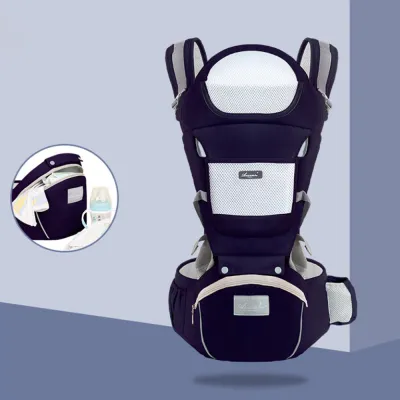

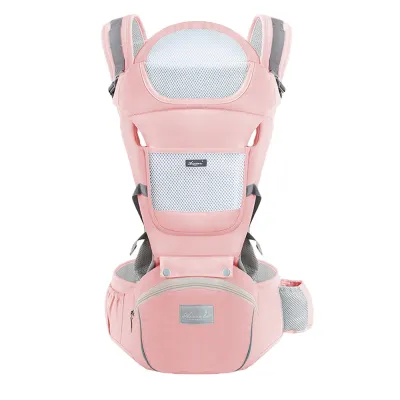
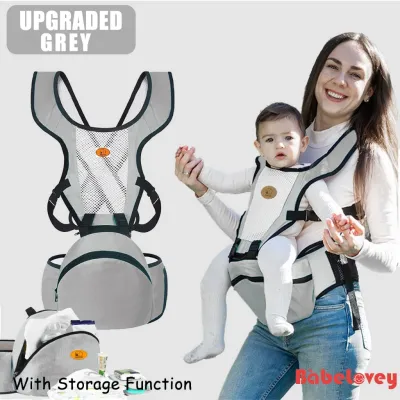
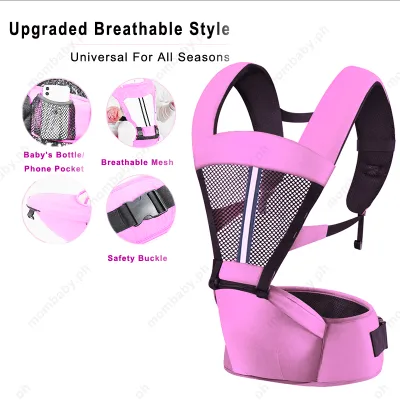
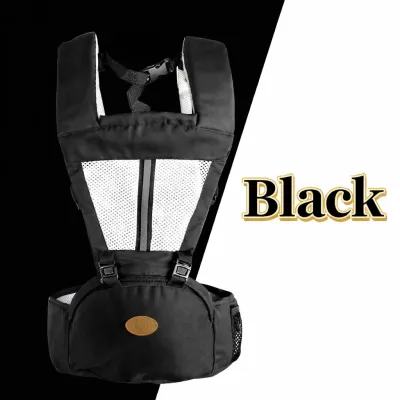


Prices are valid at publication and may change. Please refer to the product page for the latest price.
Next, perform a thorough physical inspection of the carrier itself. Examine the stitching along the shoulder straps, the waist belt, and the connection points where the seat attaches to the main body. Look for frayed threads, weakened seams, or fabric tears, especially if the carrier has been washed frequently or stored in humid conditions where mold or fabric degradation can occur. Inspect all plastic buckles for cracks, warping, or signs of stress, and ensure they snap shut with a firm, audible click.
Finally, match your baby’s carrying position to their current developmental stage. While inward-facing is generally the standard for younger babies who need more physical support and a calmer environment, outward-facing is suitable only when your baby has full head control and shows active interest in their surroundings. Never force a baby into an outward-facing position if they do not meet the manufacturer’s developmental milestones, and always check the manual to see if your specific carrier supports this mode safely.
Position the Waist Belt Correctly to Protect Your Back
The foundation of pain-free babywearing is the waist belt. Many parents make the mistake of fastening the belt too low, resting it on their hips like a pair of loose jeans. This causes the seat to tilt downward under the baby’s weight, forcing you to lean your upper body backward to compensate. This unnatural posture puts immense pressure on your lumbar spine, leading to chronic lower back pain and muscle fatigue.

To achieve optimal weight distribution, stand upright and place the wide belt high on your waist, well above your hip bones. The belt should sit snugly around your natural waistline, close to your belly button. The waist belt acts as the primary load-bearing element, transferring up to 70% of the baby’s weight directly to your pelvis and legs, which are much better suited for heavy lifting than your delicate lower back muscles.
When tightening the belt, pull it as snug as comfortably possible. It should feel like a supportive weightlifting belt—firm and secure, but not so tight that it restricts your breathing or digestion. If you can easily slide more than two fingers between your body and the belt, it is too loose. Ensure the hook-and-loop fastener is completely aligned and flat before snapping the safety buckle shut, and pull the adjustment strap to remove any remaining slack.
Once secured, check the angle of the hipseat platform. It should sit level or tilt slightly upward toward your chest. If the seat tilts downward before you even place your baby on it, the belt is either too loose or positioned too low. A level platform ensures that when your baby sits down, their weight is pulled inward toward your center of gravity rather than pulling you forward.
Secure Your Baby in the Hipseat
With your waist belt locked and positioned, you can now place your baby on the seat. The most critical aspect of baby positioning is supporting their natural hip development. Your baby’s hips should always be in an “M” position, also known as the froggy position. This means their knees must be bent and positioned slightly higher than their hips, with their thighs spread wide to wrap around your torso. This position keeps the hip joint in a secure socket, reducing the risk of hip dysplasia.
Ensure your baby’s bottom is centered on the non-slip pad of the seat, with their thighs supported all the way to the knee joints. If their legs are dangling straight down, the seat may be too narrow, or the baby may be positioned too far forward. Adjust their position by gently lifting their calves and tilting their pelvis inward toward you, which naturally encourages the deep “M” shape.
Airway safety is your absolute priority when securing your baby. Always practice the “visible and kissable” rule: you should be able to look down and see your baby’s face clearly without moving any fabric, and you should be able to easily kiss the top of their head by simply tilting your head forward. Ensure their chin is never pressed down against their chest, as this can restrict their breathing. Keep a gap of at least two fingers between their chin and chest at all times.
Once the baby is positioned, pull the back panel or harness up over their back. Secure the buckles and adjust the side straps so the panel holds your baby snugly against your chest. The baby should be close enough to your body that they do not slouch, slump, or lean to one side. A loose back panel allows the baby to pull away from you, which immediately strains your shoulders and lower back.
Adjust the Shoulder Straps for Balanced Weight Distribution
With your baby safely positioned on the seat and the back panel raised, pull the shoulder straps over your shoulders. These straps should lie flat and wide across your upper back and shoulders, avoiding any twisting that could cause the fabric to dig into your skin. If the straps are too loose, the baby’s weight will pull away from your body, straining your upper back and neck.
Locate the sternum strap, also known as the chest clip, which connects the two shoulder straps across your upper back (or chest, if you are back-carrying). This strap is crucial because it prevents the shoulder straps from sliding off your shoulders, which is a common cause of sudden posture shifts and back spasms. Adjust the height of the sternum strap so it sits comfortably in the middle of your shoulder blades, and tighten it until the shoulder straps are pulled slightly inward.
Finally, check your overall balance. Stand sideways in front of a mirror to evaluate your posture. You should be able to stand completely upright with your shoulders relaxed, your spine aligned, and your ears directly over your shoulders. If you find yourself leaning forward, arching your lower back, or sticking your hips out, your carrier needs adjustment. Tighten the waist belt or pull the shoulder straps snugger to bring the baby’s center of gravity closer to yours.
Safety Checks and When to Stop Using the Carrier
Babywearing is a dynamic activity that requires constant monitoring, especially in warm, tropical climates. The high humidity and heat mean you must pay close attention to your baby’s temperature. Check their neck or back frequently to ensure they are not overheating or sweating excessively. Ensure they are dressed in lightweight, breathable clothing, and stay in shaded or air-conditioned areas during the hottest parts of the day.
Monitor your baby’s breathing patterns and skin color regularly. If you notice any rapid breathing, grunting, or a bluish tint around their lips, remove them from the carrier immediately and seek medical attention. Additionally, pay attention to your own body’s signals. If you experience sharp, shooting pain in your lower back, numbness or tingling in your arms or legs, or severe shoulder fatigue, stop using the carrier immediately, find a safe place to sit, and remove your baby.
Always remain aware of your surroundings while wearing a baby. Avoid environmental hazards such as cooking over hot stoves, handling hot liquids, or working with sharp tools. Never wear a baby while riding a bicycle, driving a vehicle, or participating in sports. If your baby has specific health concerns, respiratory issues, or was born prematurely, consult your pediatrician before using a hipseat carrier to ensure it is safe for their unique developmental needs.
Frequently Asked Questions (FAQ)
Can I use a hipseat carrier for a newborn?
Traditional structured hipseat carriers are generally not suitable for newborns. Newborns lack the head, neck, and trunk control required to sit upright on a rigid platform, and placing them on a hipseat can cause their spine to slump, potentially compressing their airway. Most manufacturers specify a minimum age of six months or a specific weight threshold before a baby can safely use the hipseat mode. Always check your specific product’s manual for age and weight requirements, as some brands offer specialized newborn inserts or alternative carrying modes, such as a soft wrap or a flat reclining position, that do not utilize the rigid seat.
How long can my baby stay in the hipseat carrier at one time?
There is no universal time limit for babywearing, as it depends on your baby’s comfort, your physical endurance, and environmental factors like temperature and humidity. However, pediatric physical therapists often recommend taking regular breaks every 60 to 90 minutes. Even if your baby is comfortable, their developing joints and muscles benefit from regular changes in position. Taking your baby out of the carrier allows them to stretch, kick, and practice tummy time, while giving your back, hips, and shoulders a much-needed rest. Stop using the carrier immediately if either you or your baby shows signs of discomfort, fussiness, or physical fatigue.
Community discussion
Share your experience or ask a question. Comments are reviewed before publication.