
To wear a belly band correctly, position it low on your pelvis, cradling the underside of your abdomen, and secure it so it feels like a supportive hug rather than a restrictive bind. It should never compress your upper stomach, restrict your breathing, or cause discomfort. When fitted properly, a belly band redistributes weight, relieves pressure on your lower back, and helps you stay active and comfortable throughout your day.
As your body changes during pregnancy, the extra weight at the front can shift your center of gravity forward, causing muscle strain or pelvic girdle pain. A belly band acts as an external support system, mimicking the natural lifting action of your abdominal muscles to ease this physical strain. However, wearing this supportive garment incorrectly can restrict blood flow or compress vital organs. Understanding the precise steps for positioning, adjusting, and maintaining your belly band ensures you receive all the supportive benefits while keeping yourself and your baby safe.
When and Why to Use a Belly Band
A belly band is primarily designed to assist during the mid-to-late stages of pregnancy, when the rapid growth of the baby bump puts the greatest demand on your musculoskeletal system. It is particularly helpful during activities that require prolonged standing or walking, such as running errands, performing household chores, or commuting. For mothers living in warm, tropical climates, standing for long periods can feel especially tiring, making the extra physical support of a band highly valuable.
Products mentioned in this guide
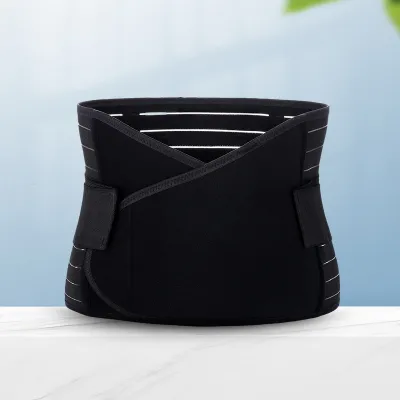
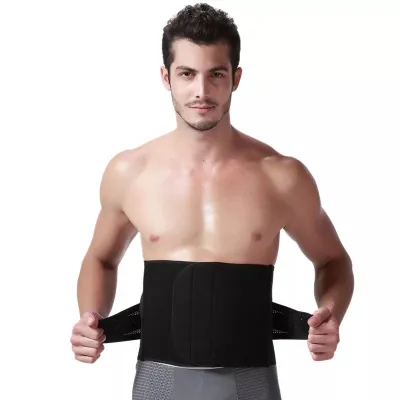
Prices are valid at publication and may change. Please refer to the product page for the latest price.
Postpartum recovery is another common scenario where a belly band or abdominal wrap can offer significant relief. After childbirth, your abdominal muscles are stretched and weakened, and your pelvic joints are still settling back into their pre-pregnancy positions. A gentle support band can provide a sense of stability, making it easier to move around, nurse your baby, and perform daily tasks while your core gradually regains its natural strength.
Despite these benefits, a belly band is not suitable for everyone. If you have a high-risk pregnancy, experience pre-eclampsia, or suffer from circulatory issues, you must obtain explicit medical clearance from your obstetrician or physical therapist before using one. Additionally, if you have sensitive skin or are prone to heat rashes—which are common in humid environments—direct contact with synthetic elastic materials can worsen skin irritation.
You should stop using the support garment immediately if you experience any warning signs during wear. These include sharp pelvic or abdominal pain, skin chafing, shortness of breath, dizziness, or a noticeable change in your baby’s movement patterns. A belly band should always enhance your comfort; if it causes any form of distress, remove it right away and consult your healthcare provider.
Step-by-Step Guide to Putting On Your Belly Band
Before you begin, take a moment to read the manufacturer’s instructions, as designs can vary significantly between brands. Preparing your posture is the first crucial step. For most standard bands, standing upright with your shoulders relaxed and your pelvis in a neutral position is the best way to ensure an accurate fit.

However, if you are using a heavy-duty pelvic support belt or if you feel significant pressure when standing, you may find it easier to position the band while lying flat on your back. Lying down allows gravity to gently shift the weight of your baby upward and away from your pelvis. This temporary shift makes it much easier to position the band deeply under the bump before securing it, ensuring optimal lift once you stand up.
To place the band correctly, identify your pelvic bones and the lower curve of your abdomen. The main panel of the band should rest low on your hips, cradling the very bottom of your bump just above the pubic bone. It is a common mistake to wrap the band around the middle of the stomach or over the belly button. Placing it too high applies direct inward pressure to your uterus and stomach, which can restrict blood flow and worsen pregnancy-related heartburn.
Once the band is positioned low and flat, bring the ends around to secure the closures. If your band features adjustable side straps, pull them forward evenly on both sides to distribute the tension symmetrically. Avoid pulling one side tighter than the other, as this can twist the fabric and create uneven pressure points on your hips or spine. The band should lie completely flat against your body without bunching, folding, or pinching.
In warm and humid climates, wearing the belly band directly against your skin can lead to sweat accumulation and painful friction rubs. To prevent this, wear the band over a thin, breathable cotton camisole or a high-waisted maternity shirt. This simple barrier absorbs moisture, protects your skin from the rough edges of hook-and-loop fasteners, and keeps the band clean for longer periods.
How to Check for the Right Fit and Comfort
Once your belly band is secured, you must perform a few quick self-checks to verify that the fit is both safe and effective. The most reliable method is the tightness test. Slide two fingers flat between the band and your lower abdomen. If you can slide them in easily but still feel a firm, supportive snugness, the tension is correct. If you cannot fit your fingers under the band, it is too tight and must be loosened immediately.
Next, focus on your breathing and digestion. Take several deep, slow breaths, allowing your chest and upper abdomen to expand fully. You should not feel any restriction in your lungs or any upward pressure pushing against your stomach or ribs. If the band makes you feel short of breath, or if you immediately experience a sensation of acid reflux or nausea, the band is likely positioned too high or fastened too tightly.
Circulation monitoring is equally critical, especially in your lower extremities. The blood vessels supplying your legs run through your pelvic region, and excessive compression can restrict blood flow. Pay close attention to your legs, ankles, and feet. If you experience any numbness, tingling, a “pins and needles” sensation, or sudden swelling, remove the band at once to restore proper circulation.
Finally, validate the fit through movement. Walk around the room, bend slightly at the knees, and sit down in a supportive chair. A properly fitted band should remain securely in place without rolling down your hips or digging painfully into your thighs when you sit. If the band shifts dramatically or pinches your groin during basic movements, you may need to adjust the angle of the straps or choose a different size.
Common Mistakes and Safety Warnings
One of the most frequent mistakes users make is wearing the belly band too high on the torso. When the band is wrapped around the center of the bump, it pushes the baby inward and upward rather than lifting the weight off the pelvis. This incorrect placement fails to relieve back pain and increases pressure on your diaphragm and stomach, leading to unnecessary physical discomfort.
Another significant risk is pulling the band as tight as possible in an attempt to get maximum support. Excessive compression does not provide better stabilization; instead, it restricts uterine blood flow and places undue stress on your pelvic floor muscles. The goal of a belly band is gentle, upward lift and mild compression, not waist reduction or intense binding.
Over-reliance on support garments is a common pitfall that can lead to muscle weakness. If you wear a belly band constantly throughout the day, your deep core muscles, including your transverse abdominis and lower back muscles, do not have to work to support your body. Over time, this lack of engagement can cause these muscles to weaken, making you more dependent on the band and increasing your risk of injury when you are not wearing it.
To prevent muscle dependency, manage your time carefully by using the band intermittently. Limit your wear to active periods, such as during exercise, grocery shopping, or doing household chores, and remove it when you are resting, sitting at a desk, or relaxing at home. Always prioritize natural muscle engagement and consult a healthcare provider or physical therapist for safe, gentle exercises to strengthen your core during and after pregnancy.
Lastly, be vigilant about red flag symptoms that require immediate removal of the band and a consultation with your doctor. If you experience uterine contractions, pelvic cramping, vaginal bleeding, fluid leakage, or a sudden decrease in your baby’s movements, do not use the band. These symptoms can indicate underlying complications that require professional medical evaluation rather than external physical support.
Caring for and Maintaining Your Belly Band
Proper maintenance is essential to preserve the elasticity, hygiene, and structural integrity of your belly band. Because these garments are worn close to the body, they quickly absorb sweat, body oils, and dead skin cells, especially in warm climates. Always check the manufacturer’s care label for specific washing instructions before cleaning your band.
To protect the delicate elastic fibers and hook-and-loop fasteners, hand-washing is highly recommended. Fill a basin with cool water and a small amount of mild, hypoallergenic detergent. Gently submerge and squeeze the band, avoiding any harsh scrubbing or wringing that could stretch the fabric out of shape. If you must use a washing machine, secure all hook-and-loop closures to prevent snagging, place the band inside a mesh laundry bag, and select a gentle cycle with cool water.
Never place your belly band in a mechanical dryer, as high heat will rapidly degrade the elastic components and warp the supportive panels. Instead, lay the band flat on a clean towel in a shaded, well-ventilated indoor area or a breezy outdoor spot away from direct sunlight. Direct sunlight can also weaken synthetic fibers over time. Once completely dry, store the band flat or loosely rolled in a drawer, avoiding tight folds that can create permanent creases in the supportive structure.
Frequently Asked Questions (FAQ)
Can I wear a belly band while sleeping?
It is generally not recommended to wear a belly band while sleeping. When you are asleep, you cannot consciously monitor your body’s signals, making it impossible to detect if the band has shifted, become too tight, or restricted your circulation. Additionally, your body needs periods of rest from compression to allow for natural blood flow and muscle relaxation. If you require physical support to sleep comfortably, consider using a specialized pregnancy pillow, which cradles your bump and aligns your hips without applying active compression. If your healthcare provider specifically advises a support garment for a medical condition during sleep, follow their precise instructions.
How many hours a day is it safe to wear a belly band?
While you should always follow the specific guidelines provided by your product’s manufacturer, a general rule of thumb is to limit wear to two to four hours at a time. Using the band intermittently during your most active hours ensures you get the support you need when you are standing or walking, without causing your core muscles to become inactive. If you find yourself needing to wear the band for longer periods due to severe discomfort, consult your doctor or a physical therapist. They can help identify the root cause of your pain and recommend targeted exercises or alternative therapies.
Will wearing a belly band weaken my core muscles?
Wearing a belly band can weaken your core muscles if you rely on it continuously throughout the day. When an external garment does the work of supporting your spine and abdomen, your natural stabilizing muscles do not have to engage, which can lead to muscle atrophy over time. To prevent this, treat the band as a temporary aid for specific physical activities rather than a permanent crutch. Balance the use of your belly band with safe, low-impact prenatal or postpartum exercises, such as pelvic tilts or gentle core stabilization, under the guidance of a qualified healthcare professional.

Community discussion
Share your experience or ask a question. Comments are reviewed before publication.