
Wearing a baby carrier properly requires a careful balance of structural checks, precise physical adjustments, and ongoing safety monitoring. When used correctly, a baby carrier distributes your baby’s weight evenly across your hips and shoulders while keeping your little one in an ergonomically sound posture that supports their developing spine and hips. In tropical environments, mastering these adjustments also means managing heat and airflow so that both you and your baby remain safe and comfortable during your daily routines.
By understanding the mechanics of your specific carrier and learning how to adjust it to your body, you can enjoy the convenience of hands-free mobility while keeping your baby secure. This guide provides a comprehensive, step-by-step breakdown of how to prepare, put on, and safely adjust a baby carrier for optimal comfort and safety.
Pre-Use Checks: Preparing the Carrier and Your Baby
Before you attempt to put on your baby carrier, perform a thorough physical inspection of the equipment. Examine all plastic buckles and fasteners for hairline cracks, bent prongs, or signs of stress. Run your fingers along the primary load-bearing seams, focusing on the areas where the shoulder straps and waistband connect to the main body panel, to ensure there are no loose threads or fabric separation. Inspect the fabric itself for thinning, tearing, or wear from frequent washing, and verify that any safety elastic loops are intact and functional.
Products mentioned in this guide

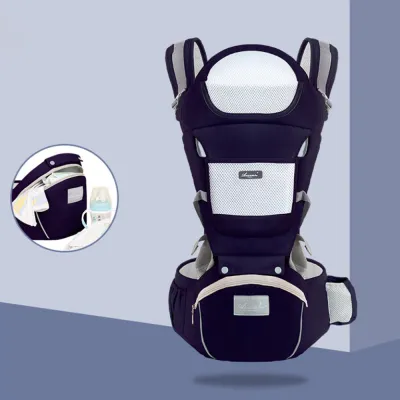
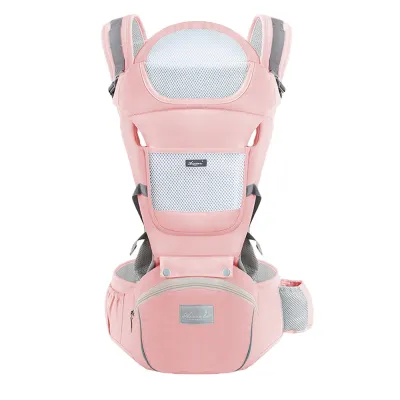
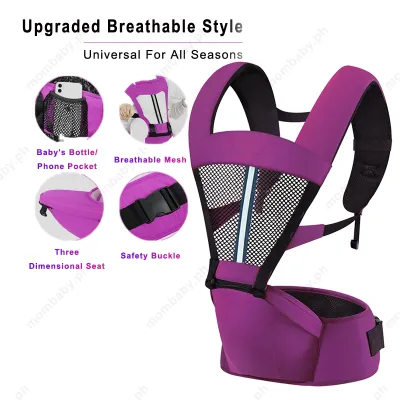
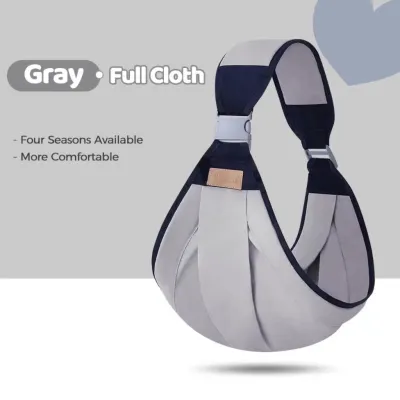

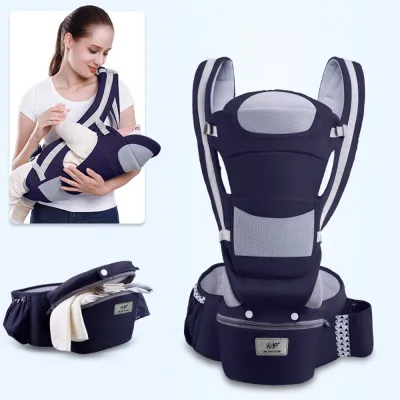
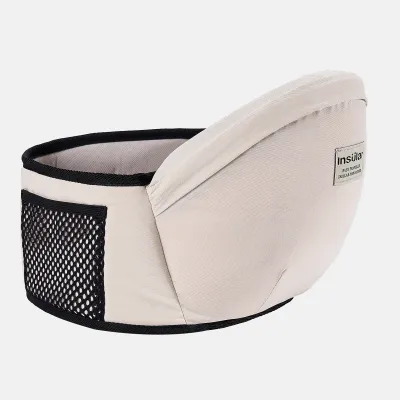
Prices are valid at publication and may change. Please refer to the product page for the latest price.
Next, verify your baby’s eligibility for the specific carrier design by consulting the manufacturer’s product label or instruction manual. Do not rely on general assumptions or the product name to determine suitability. Instead, check the explicit minimum weight, maximum weight, and developmental milestones required for safe use. For example, some carriers require a separate infant insert to support newborns under a certain weight threshold, while others feature adjustable panels that must be configured to their narrowest setting to accommodate younger infants safely.
Properly dressing your baby is equally critical to their safety and comfort, particularly in warm climates. Select lightweight, breathable clothing made from natural fibers, such as single-layer cotton or bamboo, to prevent heat retention. In the humid climate of the Philippines, heavy fabrics can quickly trap heat between your body and the carrier, increasing the risk of heat rash or elevated body temperature. Ensure that your baby’s face remains completely uncovered, with no loose clothing, hoods, or hats that could slip down and obstruct their airway.
Step-by-Step Guide: Putting on the Carrier (Front-Inward Carry)
Securing the Waistband
Begin by positioning the waistband of the carrier high on your torso, typically around your natural waist or just above your hips, depending on your body shape and the carrier’s design. Fasten the main buckle securely behind your back, listening for a clear, audible click that indicates the prongs are fully engaged. Pull the adjustment strap to tighten the waistband so that it sits snug against your body, ensuring it is tight enough to prevent sagging under the baby’s weight but loose enough to allow you to breathe deeply and sit down comfortably.

For postpartum caregivers, particularly those recovering from a Caesarean section, the placement of the waistband requires special consideration. You may need to position the band higher up on your waist, well above the healing incision, to avoid uncomfortable pressure, friction, or strain on recovering abdominal muscles. If you experience any discomfort, pain, or pulling on your incision while wearing the carrier, discontinue use immediately and consult your obstetrician or a qualified healthcare professional for personalized guidance.
Positioning the Baby and Fastening the Straps
Hold your baby securely against your chest in an upright position, ensuring their chest rests flat against yours. Gently slide your baby’s legs through the designated leg openings of the carrier panel, or position them within the seat according to the manufacturer’s precise instructions. Always maintain a firm, supportive hold on your baby’s back or bottom with one hand while using your other hand to pull the fabric panel up over their back.
Once the panel is in place, slide your arms through the shoulder straps one at a time, keeping that stabilizing hand on your baby at all times. Reach behind your neck to fasten the chest strap, or cross the straps over your back to secure them to the side buckles, depending on whether your carrier uses parallel or crossed strap configurations. Do not release your physical hold on the baby until every buckle is fully engaged and locked.
Final Adjustments for Weight Distribution
Tighten the shoulder straps slowly and evenly by pulling the webbing straps forward or backward, depending on the buckle design. The baby should be positioned high on your chest, close enough that you can easily tilt your head forward to kiss the top of their head without straining your neck. If the baby sits too low, their weight will pull your shoulders forward, causing strain on your upper back and neck.
Adjust the chest strap horizontally so it sits level with your armpits, keeping the shoulder straps securely on your shoulders without slipping or restricting your arm movement. Finally, check the seat of the carrier to ensure the fabric extends fully from one knee crease to the other, providing complete thigh support without bunching or pinching the baby’s skin.
The Safety Check: Verifying Baby’s Posture and Airway
Airway and Head Position
Ensure your baby’s face is fully visible at all times, with their nose and mouth completely clear of the carrier fabric and your clothing. Their chin should be tilted slightly upward and off their chest, with a gap of at least two fingers’ width beneath the chin to prevent accidental airway restriction. If your baby does not yet possess full head and neck control, ensure the carrier’s integrated head support is adjusted to support the base of their skull without pressing their head forward.
Hip and Leg Position
Observe your baby’s lower body to confirm they are sitting in a healthy “M-shape” position, where their knees are spread wide and positioned slightly higher than or level with their bottom. This ergonomic posture supports healthy hip joint development by keeping the femur secure within the hip socket. Avoid positions where the baby’s legs hang straight down, as dangling legs can place undue stress on the hip joints. Verify the carrier’s hip-safety claims on the product label, and consult a pediatrician if you have concerns about your baby’s hip development or susceptibility to hip dysplasia.
Back Support
A baby’s spine naturally curves in a gentle “C-shape” during their early months. The carrier panel should support this natural curve snugly, preventing the baby from slumping to one side or backward, while avoiding excessive tightness that forces their spine into an unnaturally straight or rigid position.
Stop Conditions
Monitor your baby continuously while carrying. Immediately stop using the carrier and remove your baby if they show any signs of respiratory distress—such as rapid breathing, grunting, flared nostrils, or a blue tint around the lips—or if they exhibit persistent, inconsolable crying. Caregivers should also discontinue use if they cannot achieve a secure, pain-free fit, or if they experience physical instability while wearing the carrier.
Caregiver Comfort: Adjusting for Back and Shoulder Relief
Choosing between crossed (X-style) and parallel (H-style) shoulder straps can significantly impact your comfort, depending on your body type and the carrier’s design. Crossed straps often distribute weight more evenly across the upper back and shoulders, making them highly comfortable for caregivers with narrower shoulders or those carrying for longer periods. Parallel straps are quick to adjust but rely heavily on a properly positioned chest strap to prevent the shoulder straps from sliding outward.
If you experience digging in your shoulders or aching in your lower back, re-evaluate the height of your waistband; a loose waistband causes the shoulder straps to bear the brunt of the baby’s weight, leading to muscle strain. Remember to take regular breaks, removing the carrier to stretch your back and shoulders, and avoid carrying your baby for extended, uninterrupted periods to prevent physical fatigue.
Common Mistakes and When to Stop Use
- Loose Straps: A loose carrier allows the baby to slump down inside the panel, which can compromise their airway and cause back strain for the caregiver.
- Overheating: Combining the caregiver's body heat with heavy carrier fabrics and tropical humidity can quickly cause overheating. Avoid adding blankets or heavy covers over the carrier.
- Forward-Facing Prematurely: Do not transition your baby to an outward-facing carry before they have strong, consistent head and neck control, and ensure this position is explicitly supported by the carrier's manufacturer instructions.
- When to Stop: Discontinue use immediately if you notice any structural damage to the carrier, such as frayed straps or cracked buckles, or if your baby exceeds the maximum weight or height limits specified on the product label.
Frequently Asked Questions (FAQ)
Can I use a standard baby carrier for a newborn?
Whether you can use a standard baby carrier for a newborn depends entirely on the manufacturer’s specific guidelines and the design of the carrier. Some standard carriers require a separate newborn insert to provide the necessary head, neck, and hip support for infants under a certain weight, while others feature adjustable seats that can be narrowed to accommodate newborns safely. Always check the product label for the minimum weight limit—which is often around 3.2 kilograms (7 pounds)—and verify if your specific model requires additional accessories to support a newborn’s delicate anatomy.
How do I prevent my baby from overheating in the carrier?
To prevent your baby from overheating, dress them in a single layer of lightweight, breathable fabric, such as cotton or linen, and avoid draping heavy blankets or covers over the carrier. Monitor your baby’s temperature regularly by feeling the back of their neck or their chest; if the skin feels hot, damp, or sweaty, find a cool, shaded, or air-conditioned space to take a break and remove them from the carrier. Your own body heat will naturally transfer to your baby, so keeping yourself cool and staying well-hydrated is equally important when carrying your baby in warm, humid climates.
Community discussion
Share your experience or ask a question. Comments are reviewed before publication.