
To ensure your baby’s skincare set is genuine, you must combine careful channel selection with thorough physical and sensory inspections upon delivery, relying on official brand support rather than unverified third-party claims. Purchasing baby care products in the Philippines requires extra vigilance, as the warm, humid climate can exacerbate skin sensitivities if counterfeit or expired formulas are applied. By verifying the seller’s credentials before checkout and examining the packaging, texture, and batch codes of your items, you can protect your little one’s delicate skin barrier from unverified ingredients.
Choosing Safe Purchasing Channels for Tiny Buds Sets
The most reliable way to guarantee the authenticity of your baby skincare set is to control where you buy it. Major e-commerce platforms feature dedicated virtual malls that verify brand ownership and authorized distributorships. When searching for these sets online, look for official brand badges, such as “Mall” or “Flagship Store” tags, which indicate that the storefront is operated directly by the brand or its licensed partners.
Be cautious of third-party sellers who list popular baby products at prices that seem too good to be true. While official stores frequently participate in monthly double-day sales or holiday promotions, a price that is slashed by more than half of the standard retail value on a regular day is a significant red flag. Counterfeiters often use extreme discounts to lure parents looking to save on daily essentials like baby bath washes and lotions.
Products mentioned in this guide
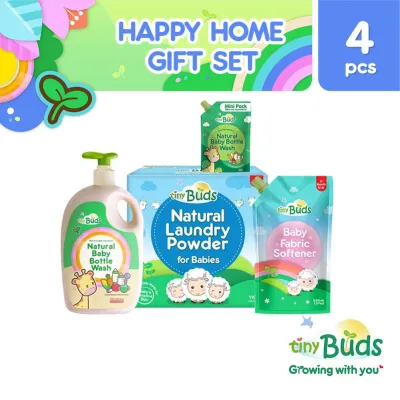
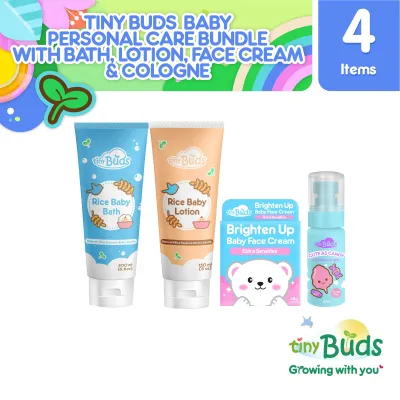
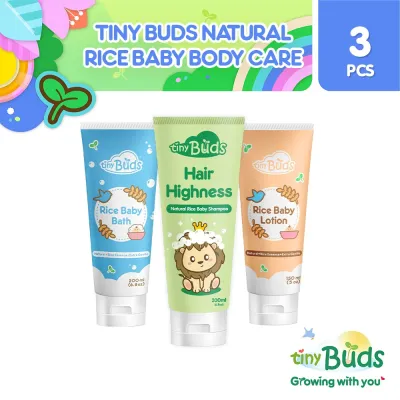
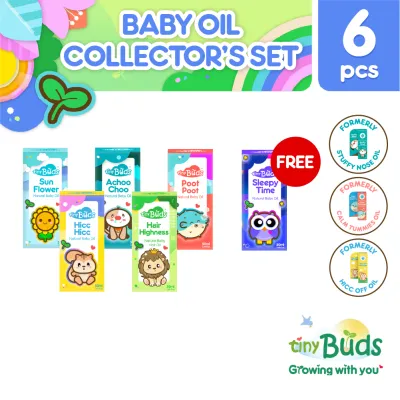
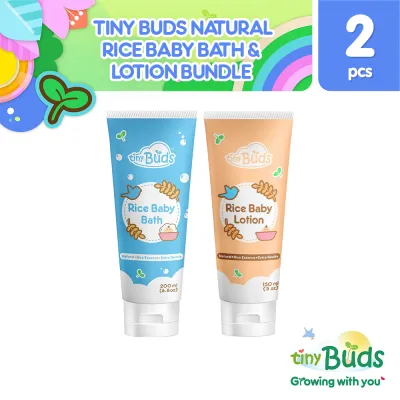
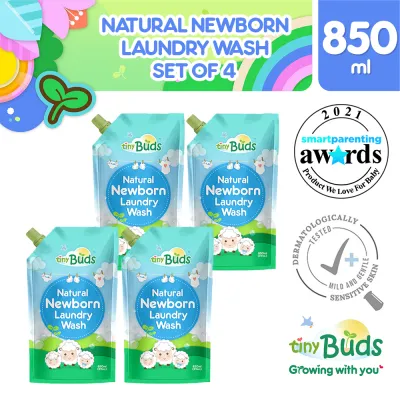
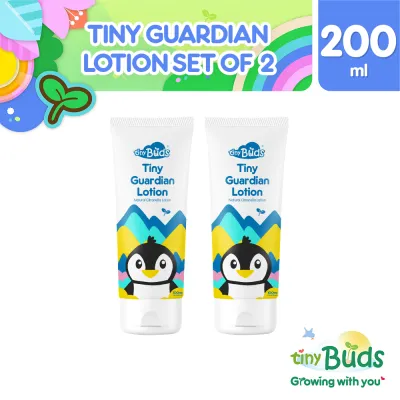
Prices are valid at publication and may change. Please refer to the product page for the latest price.
Before making a purchase, thoroughly evaluate the seller’s profile. Check the store’s overall rating, the volume of successful transactions, and the consistency of customer reviews. Genuine buyers often post photos and videos of their received packages, which can give you an early look at the packaging quality. Avoid sellers with low ratings, newly created accounts with no historical data, or those whose product descriptions are filled with grammatical errors and vague details.
Additionally, review the seller’s return and refund policies. Authorized distributors and official flagship stores adhere to strict platform-guaranteed return windows and offer clear customer service channels. If a seller’s profile states that they do not accept returns under any circumstances, or if their customer service response is automated and unhelpful, it is safest to look for another source.
Inspecting Packaging, Labels, and Physical Markers
Once your package arrives, perform a detailed physical inspection before opening any bottles or tubes. High-quality baby skincare brands maintain strict manufacturing standards, meaning their packaging should look clean, professional, and uniform. Counterfeit products often suffer from poor quality control, which manifests in subtle physical discrepancies.

Examine the outer packaging and the bottles themselves for signs of tampering or substandard printing. Look closely at the brand logo, font styles, and color alignment. On authentic items, the text is sharp, legible, and properly aligned, whereas counterfeit packaging may feature blurry lettering, faded colors, or misaligned labels. In the tropical humidity of the Philippines, poorly glued counterfeit labels may also peel off or bubble much more easily than those on genuine bottles.
Next, verify the label details on the back of each product in the set. Authentic baby skincare products must display a complete list of ingredients, clear manufacturing and expiration dates, and a distinct batch or lot number. These details are typically stamped or printed directly onto the bottle or tube, rather than on a separate, easily removable sticker. If you notice missing batch codes, altered expiration dates, or incomplete ingredient lists, do not use the product.
It is also helpful to compare your received items with official product images from the brand’s verified website. Pay close attention to the physical shape of the bottles, the color of the caps, and the design of the dispensing pumps or flip-tops. Even minor differences in the plastic’s texture, the weight of the bottle, or the way the cap clicks shut can indicate a counterfeit item or an unauthorized production run.
Evaluating Product Texture, Scent, and Consistency
If the packaging passes your initial inspection, the next step is to evaluate the actual formula inside. Authentic baby products are carefully formulated to be gentle, stable, and consistent. Any deviation in how the product looks, feels, or smells should be treated as a warning sign.
Pour a small amount of the lotion, wash, or oil onto your hand to observe its color and consistency. Genuine baby lotions should have a smooth, uniform texture without any clumping, grittiness, or watery separation. If you notice that a lotion has separated into oily and watery layers, or if a baby wash feels unusually thin or excessively sticky, the formula may have been tampered with, diluted, or stored in poor conditions that caused it to degrade.
Scent is another critical indicator of authenticity. Authentic baby skincare products are known for their mild, clean, and non-irritating fragrances, often utilizing natural extracts. If the product emits a harsh, chemical, or overpowering perfume smell, it likely contains synthetic fragrances or industrial-grade ingredients that are unsafe for a baby’s sensitive skin. Trust your senses; if the smell feels too strong or chemically off, do not apply it to your child.
Before introducing any new skincare product to your baby, it is highly recommended to perform a safe patch test on your own skin first, followed by a small test on your baby. Additionally, always check the product label for specific age suitability, weight guidelines, and manufacturer warnings, as baby skin needs change as they grow. Apply a tiny amount of the product to the inside of your forearm or your baby’s inner elbow and wait 24 hours. Monitor the area closely for any redness, swelling, or itching. If any adverse reaction occurs, wash the area immediately with clean water, stop using the product, and consult a pediatrician or qualified healthcare professional.
Using Official Verification and Support Channels
When in doubt about the authenticity of your baby skincare set, rely on official brand verification channels rather than third-party tools. Many unofficial barcode-scanning mobile applications claim to verify product authenticity, but these apps simply read the standard retail barcode, which can easily be copied and printed onto counterfeit labels by unauthorized manufacturers.
Instead, locate the official contact information on the brand’s primary website or verified social media pages. Genuine brands often have dedicated customer care teams that can help you verify if a specific batch number is legitimate. You can send them a direct message or email containing clear photos of the batch code, expiration date, and the store where you purchased the set.
The brand’s customer support team can cross-reference your batch number with their manufacturing logs to confirm when and where the product was produced. This direct inquiry is the most reliable way to clear up any doubts and ensures you are getting accurate information straight from the source.
Steps to Take If You Suspect a Counterfeit Product
If your inspections or communication with the brand lead you to believe that you have received a counterfeit or tampered product, immediate action is necessary to protect your family and seek a resolution. Your first priority must always be your baby’s safety.
Stop using the product immediately. Even if your baby has not shown any immediate signs of skin irritation, unverified formulas can contain hidden contaminants or banned chemicals that pose long-term health risks. Store the suspected counterfeit items safely out of reach of children and pets so they are not accidentally used.
Next, document your purchase thoroughly to build a strong case for a refund. Take high-resolution screenshots of your order confirmation, the seller’s store page, and any chat conversations you had with the seller. Photograph the shipping label, the outer packaging, the physical bottles, the batch codes, and the unusual texture or color of the product itself.
Finally, initiate a return or refund request through the e-commerce platform’s official buyer protection program. Select the appropriate reason for return, such as “counterfeit item” or “item not as described,” and upload all your documented evidence. Report the seller to the platform’s customer support team to help prevent other parents from purchasing potentially unsafe products for their babies.
Frequently Asked Questions (FAQ)
Can I trust a Tiny Buds set if it has an intact security seal?
While an intact security seal is a positive sign that a package has not been opened or tampered with during transit, it is not a foolproof guarantee of authenticity. Sophisticated counterfeiters can replicate plastic shrink wraps, holographic stickers, and security seals to make their products look genuine at first glance. Therefore, you should treat a security seal as just one step in your overall verification process, always combining it with seller checks and physical inspections of the product’s formula and batch codes.
Are heavily discounted Tiny Buds sets always fake?
Heavily discounted sets are not always counterfeit, as official flagship stores and authorized distributors frequently run legitimate promotions during major online shopping festivals, clearance events, or holiday sales. However, if you find an extremely low price from an unverified third-party seller on a regular day, it is highly likely to be a counterfeit or expired product. Always compare the discounted price against the official store’s current promotions, and prioritize buying from authorized channels to ensure your baby’s safety.
Community discussion
Share your experience or ask a question. Comments are reviewed before publication.