
Preparing homemade meals for your baby is a rewarding milestone, but it also introduces new responsibilities for food safety. In a tropical climate like the Philippines, where high humidity and warm ambient temperatures accelerate bacterial growth, how you store these meals is just as critical as the ingredients you select. Many parents invest in premium Korean baby brands like Firgi, known for their durable, food-grade silicone and sugarcane-derived bioplastic containers. However, the popularity of these products has also made them a target for unauthorized listings and counterfeit goods on major e-commerce platforms.
To guarantee you are receiving authentic, safe, and certified products, identifying the legitimate firgi official store is your most effective line of defense. Buying directly from authorized channels ensures that the containers holding your child’s purees, breast milk, or snacks meet strict safety standards. This guide will walk you through the critical steps to verify seller legitimacy, recognize the physical signs of counterfeit items, and take action if you accidentally receive a fake product.
Why Authentic Baby Food Storage Matters for Your Child's Safety
Infants and toddlers have developing immune, metabolic, and digestive systems that make them highly vulnerable to environmental toxins. When food-contact items are manufactured without strict regulatory oversight, they often contain low-grade plastics, industrial recycled materials, or hazardous chemical additives. Counterfeit baby food containers frequently utilize non-food-grade materials that may leach harmful substances, such as Bisphenol A (BPA), phthalates, or heavy metals, directly into your baby’s food. This chemical leaching is particularly dangerous when containers are heated during microwave warming, steam sterilization, or when hot purees are poured directly into them.
Products mentioned in this guide
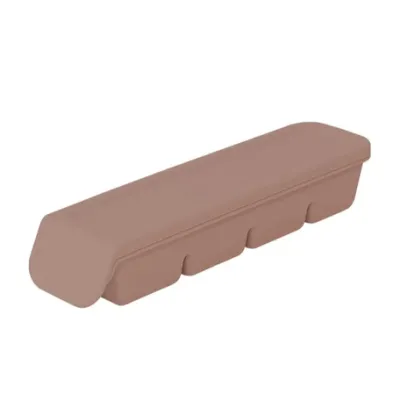
Prices are valid at publication and may change. Please refer to the product page for the latest price.
Beyond chemical hazards, counterfeit storage containers present significant functional failures that compromise food safety. In the humid, tropical environment of the Philippines, a secure, airtight seal is essential to prevent rapid spoilage, mold development, and insect infestation. Fake containers often feature poorly molded lids or low-quality silicone seals that fail to create a true vacuum. This leads to premature food spoilage, messy leaks inside your diaper bag during travel, and potential exposure to airborne contaminants.
Genuine Firgi products are engineered to withstand extreme temperature transitions, from deep freezing to high-heat sterilization, without losing their structural integrity. Counterfeits, however, are prone to warping, cracking, or degrading after only a few uses. These structural failures can introduce microplastics or sharp plastic fragments into your child’s meals. Verifying that your purchase comes from an authorized source ensures that the materials have undergone rigorous food-safe testing, providing the reliable protection your growing child requires.
How to Identify the Firgi Official Store on Online Marketplaces
Navigating online marketplaces requires a discerning eye, as unauthorized third-party sellers often design their storefronts to mimic official brand channels. The most reliable way to ensure authenticity is to look for official platform verification badges. Major e-commerce platforms in the Philippines designate authorized brand distributors with distinct labels, such as “Mall,” “Official Store,” or verified merchant badges. These indicators are only awarded after the seller submits verified business registrations, tax documents, and official brand authorization letters to the platform.

Next, carefully analyze the store’s performance metrics and historical data. A genuine firgi official store typically displays a high follower count, an overall store rating close to 4.9 or 5.0 stars, and a fast customer chat response rate. Take the time to scroll through the store’s review history, looking for consistent feedback from verified buyers over several months or years. Be highly suspicious of stores that have generic, randomly generated alphanumeric names, or those that have only been active for a few weeks but claim to offer authentic imported goods.
Legitimate storefronts also present a cohesive, professional brand presentation. On the official homepage, you will find high-resolution product photography, consistent brand colors, and clear categorization of the entire product lineup. Unauthorized sellers, by contrast, often feature fragmented listings with low-quality, watermarked images stolen from various sources, inconsistent font styles, and incomplete product descriptions.
Finally, evaluate the pricing structure of the items. While the official store participates in major platform-wide sales campaigns (such as 8.8, 11.11, or payday promotions) and offers legitimate vouchers, the prices will remain within a realistic retail range in Philippine Pesos (₱). If a seller lists a premium baby food tray or container at a price that is 50% to 70% lower than the standard retail value, it is highly likely a counterfeit. Genuine manufacturing processes and food-grade materials carry a baseline cost that unauthorized manufacturers simply cannot maintain.
Real vs. Fake: Visual and Physical Signs of Counterfeit Firgi Products
When your package arrives, conducting a thorough physical inspection before cleaning or using the items is essential. Start by examining the packaging quality. Genuine Firgi packaging is constructed from sturdy, high-grade cardboard or thick, clear plastic designed to protect the product during international transit. The printing on the box should be crisp, with vibrant colors, perfect text alignment, and accurate spelling. Counterfeit packaging often exhibits blurry fonts, color bleeding, thin or flimsy cardboard, and a lack of protective security seals or shrink wrap.
Next, inspect the product markings and logos. Authentic Firgi containers feature clean, precise, laser-engraved or molded logos and manufacturing details on the base or lid. These markings are integrated directly into the mold during production, feeling smooth to the touch and remaining perfectly legible. Counterfeits often use cheap surface-printed ink or low-quality stamps that can be easily scratched off with a fingernail or will fade rapidly after a single wash.
The physical properties of the material itself provide immediate clues. Genuine Firgi products are made from premium, food-grade silicone or specialized eco-friendly bioplastics. The silicone should feel substantial, flexible yet firm, and completely free of any chemical or synthetic odors. Run your fingers along the edges of the product; authentic items feature perfectly smooth, rounded edges with no sharp plastic burrs or uneven seams. The lids should fit with absolute precision, sealing tightly without requiring excessive force or leaving visible gaps.
Additionally, check the accessories and documentation included in the package. Authentic products are accompanied by professionally printed instruction manuals, care guidelines, and sometimes official warranty inserts or branded desiccants. Counterfeit packages frequently omit these materials entirely, or contain poorly photocopied sheets of paper with obvious translation errors. Always verify the specific age recommendations, development stage suitability, and sterilization warnings printed on the official product documentation to ensure safe usage, rather than relying solely on the product’s online title.
How to Verify Your Firgi Products After Delivery
Once you have completed a visual inspection, you can utilize digital and physical verification methods to confirm authenticity. Many premium baby brands implement anti-counterfeiting security labels on their packaging. Look for holographic stickers, QR codes, or scratch-off panels that reveal a unique serial number or PIN. Scan the QR code using a secure mobile browser or enter the PIN on the manufacturer’s official verification portal to check if the code matches a registered, authentic product in their database.
If the packaging does not feature a digital verification code, or if you remain uncertain, you can contact customer support directly. Take clear, well-lit photographs of the product from multiple angles, focusing on the molded logos, batch numbers, the packaging, and your purchase receipt. Reach out to the verified distributor’s customer service team or contact the brand’s official global support channels to request a manual authenticity check.
Before introducing the container to your baby’s feeding routine, perform a physical test following the manufacturer’s care instructions. Check the packaging for the recommended cleaning and sterilization guidelines, including maximum temperature limits. Conduct a simple leak-proof test at room temperature by filling the container with clean water, securing the lid, and gently tilting or shaking it over a dry towel. A genuine container will maintain a complete seal without any water escaping.
During this initial preparation, pay close attention to any changes in the material. If the container emits a strong, sweet, or acrid chemical odor when washed, if the water becomes cloudy, or if the material warps under standard washing temperatures, stop using the product immediately. If you suspect your child has been exposed to contaminants or shows any signs of digestive discomfort, consult a qualified medical professional right away.
Action Plan: What to Do If You Receive a Fake Item
If your inspection reveals that you have received a counterfeit product, taking immediate and systematic action is crucial to securing a refund and protecting other consumers. First, document your evidence thoroughly. Take high-resolution photos and videos of the product’s defects, the packaging flaws, the shipping label with the tracking number, and screenshots of your order details and the seller’s storefront. Keep all original packaging, inserts, and shipping boxes intact, as they may be required for the return process.
Next, initiate a return and refund request directly through the e-commerce platform’s buyer protection system. It is vital that you do not click “Order Received” or confirm the delivery on your app, as doing so releases your payment to the seller and makes resolving disputes significantly more difficult. When filing the request, select “Counterfeit” or “Item not as described” as the primary reason, and upload your documented photo and video evidence to support your claim.
Simultaneously, report the unauthorized seller to the platform’s trust and safety or anti-counterfeiting department. Provide them with the storefront link and your evidence of counterfeit sales. Platforms have strict policies against counterfeit goods and can suspend or permanently ban stores that violate these rules, preventing other parents in the Philippines from purchasing hazardous items.
If the e-commerce platform fails to resolve your dispute, or if the seller refuses to cooperate, you can escalate the matter to local consumer protection authorities. In the Philippines, you can file a formal complaint with the Department of Trade and Industry (DTI) through their consumer protection division. The DTI can mediate the dispute, enforce consumer rights, and hold fraudulent merchants accountable under local fair-trading laws.
Frequently Asked Questions (FAQ)
Can I trust third-party sellers with high ratings?
While a high store rating is generally a positive indicator, it does not guarantee product authenticity. Unauthorized third-party sellers can artificially inflate their ratings by selling cheap, unrelated items to build up positive feedback before switching to counterfeit baby products. They may also offer deep discounts or free gifts in exchange for five-star reviews. For critical baby items like food storage, where material safety directly impacts your child’s health, purchasing exclusively from the verified official store is the only reliable way to ensure you receive a genuine, food-safe product.
Does a lower price always mean the product is fake?
An exceptionally low price is one of the most common warning signs of a counterfeit, as unauthorized manufacturers cut corners on material quality, safety testing, and manufacturing standards to lower costs. However, the official store may occasionally offer legitimate discounts, bundle deals, or exclusive coupons during major platform sales campaigns. To distinguish between a genuine promotion and a counterfeit listing, always evaluate the price in combination with other verification factors, such as the seller’s official platform badges, store follower metrics, and the physical security features of the product upon delivery.
Community discussion
Share your experience or ask a question. Comments are reviewed before publication.