
Ensuring the safety of the products you use to feed your baby is a critical responsibility. With various online marketplaces and physical stores offering baby gear, distinguishing between genuine items and counterfeit goods has become increasingly challenging. For parents in the Philippines, where high tropical humidity and warm temperatures can affect how materials behave, verifying the authenticity of a Baby Flo bottle before its first use is essential for peace of mind.
You can determine if a Baby Flo bottle is authentic by conducting a thorough physical inspection of the packaging and materials, cross-referencing the batch codes with official records, and purchasing exclusively from trusted retailers like the baby flo official store. Taking a few minutes to examine these details ensures that your baby’s feeding equipment meets established quality and safety standards.
Why Authenticity Matters for Baby Bottles
Using counterfeit feeding products introduces significant health and safety risks to your developing infant. Unlike genuine manufacturers who must adhere to strict regulatory standards, counterfeiters often use low-grade, unverified plastics to minimize production costs. When these substandard materials are exposed to high heat during routine sterilization or when mixing warm formula, they run a high risk of leaching harmful chemical compounds directly into your baby’s milk.
Products mentioned in this guide
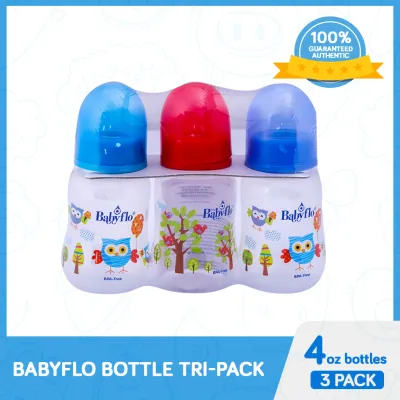
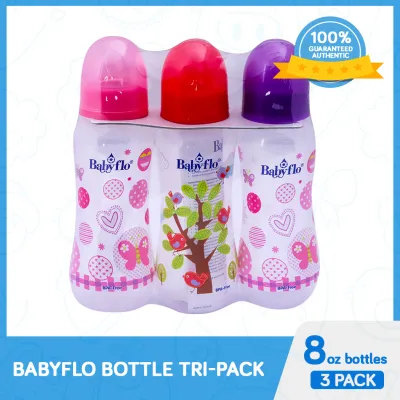
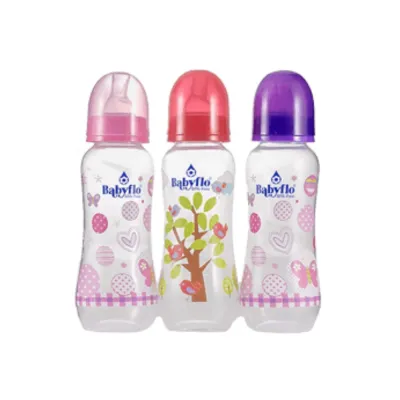
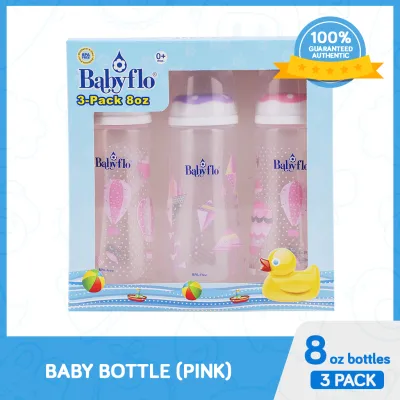
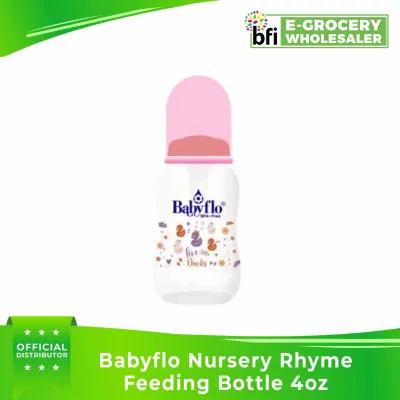
Prices are valid at publication and may change. Please refer to the product page for the latest price.
The physical design of counterfeit bottle components also poses immediate safety hazards. Poorly manufactured silicone nipples often lack the structural integrity of genuine products, making them prone to tearing or collapsing during feeding. A torn nipple can easily become a choking hazard, while an inconsistent milk flow can cause your baby to swallow excess air, leading to severe colic, gas, and feeding discomfort. If your baby experiences persistent feeding difficulties, severe colic, or signs of oral irritation, stop using the bottle immediately and consult a qualified pediatrician.
Furthermore, counterfeit items are rarely produced or packaged in sterile environments. Substandard manufacturing facilities often expose products to dust, industrial chemical residues, and biological contaminants before they are sealed. Standard home cleaning methods cannot make these unverified items safe for your infant’s sensitive digestive system. Because these products bypass official quality control checks, they lack the safety guarantees required for infant care.
Visual and Physical Checks for Genuine Baby Flo Bottles
Spotting a counterfeit bottle requires a keen eye for detail, starting with the outer packaging. Genuine Baby Flo packaging features high-resolution, crisp printing with vibrant colors and perfectly aligned text. If you notice blurry fonts, faded colors, misaligned graphics, or spelling errors on the box or plastic wrap, the product is highly likely to be a counterfeit. Authentic packages are sealed securely with clean shrink-wrap or tamper-evident tape showing no signs of tampering.

The physical properties of the bottle itself offer immediate clues about its origin. Hold the empty bottle up to a bright light source to inspect its clarity and consistency. Authentic bottles are uniform, clear, and free from internal air bubbles, cloudy patches, or discoloration. Run your fingers along the outer surface, especially near the bottom and the collar threads; genuine bottles have smooth, clean edges, whereas counterfeits often feature rough, sharp molding seams or excess plastic fragments left behind by cheap manufacturing molds.
Do not ignore your sense of smell when evaluating a new bottle. Unbox the product and take a brief sniff of the interior; a strong, chemical, or burnt-plastic odor is a strong indicator of low-grade materials. Genuine bottles are manufactured to be virtually odorless after a standard initial wash. If a persistent chemical smell remains even after cleaning, do not use the bottle for feeding.
Finally, examine the silicone nipple with care. Authentic nipples are made from high-grade, food-safe silicone that feels soft yet highly elastic, immediately springing back to its original shape when squeezed or stretched. Check the flow rate markings and the brand logo embossed on the collar of the nipple. On genuine products, these markings are clean, precise, and easy to read, whereas counterfeit nipples may have smudged, uneven, or completely missing indicators. Always verify the age and development stage recommendations, weight ranges, and manufacturer warnings printed on the official product documentation to ensure the bottle and nipple size are appropriate for your child.
Verifying Authenticity Through Official Channels
To confirm whether your purchase is genuine, compare it directly with the listings on the baby flo official store. Authorized online storefronts display high-resolution images of the exact bottle shapes, measurement scales, color options, and packaging designs currently in production. If your physical bottle features a measurement scale with unusual increments, a different font style, or a logo placement that does not match the official store images, it is highly suspect.
Another reliable verification method is locating and checking the batch codes or manufacturing dates. Authentic manufacturers print or stamp a unique lot number or batch code on either the bottom of the bottle or the back of the packaging for quality tracking purposes. If this code is missing, smudged beyond recognition, or printed in a generic ink that easily rubs off when touched, the product did not originate from an authorized facility. Check the packaging for safety certifications and ingredient lists, presenting these as key items you must verify against official brand specifications.
If you remain uncertain, document the bottle with clear photos of the overall product, packaging, and batch code. Reach out directly to the official customer support channels of the brand or its authorized distributor in the Philippines. Providing these photos and the batch code allows their team to verify the item against their official manufacturing database, giving you a definitive answer.
Choosing Safe Purchasing Channels
The most effective way to protect your baby from counterfeit feeding products is to buy exclusively from authorized retail channels. Purchasing directly from the baby flo official store on established ecommerce platforms guarantees that you are receiving genuine inventory sourced directly from the manufacturer. For physical shopping, rely on leading, licensed pharmacies, baby specialty stores, and major supermarkets across the Philippines, as these establishments maintain strict supply chain audits.
When shopping on online marketplaces, remain vigilant against common red flags that indicate unauthorized sellers. Be highly skeptical of listings offering extreme discounts, such as multi-packs priced at a fraction of the standard retail cost in ₱. While promotions do occur, prices that seem too good to be true usually indicate counterfeit goods or expired inventory. Always check the seller’s profile for official verification badges and positive ratings.
Take the time to analyze recent buyer reviews on the product listing before making a purchase. Look past the overall star rating and read the detailed written feedback, paying close attention to reviews that include real photos or videos of the received items. If multiple buyers complain about thin plastic, leaking collars, unusual chemical smells, or damaged packaging, avoid that seller entirely, even if the listing claims to offer authentic products.
What to Do If You Suspect a Counterfeit Bottle
If your purchased bottle fails any of the physical checks or if you suspect it is a counterfeit, stop using it immediately. Do not attempt to feed your baby with a suspect bottle, as the potential health risks from chemical exposure or physical hazards far outweigh the financial cost of replacing the item. Store the bottle safely out of reach while you proceed with a return.
Document the suspicious item thoroughly to build a strong case for a refund. Take clear, high-resolution photographs and videos highlighting the specific defects, blurry printing, rough seams, or missing batch codes. Keep your original physical receipt or save a digital copy of your online order confirmation, as you will need these documents to prove your purchase when contacting the seller or the platform’s customer support.
Initiate a formal dispute or refund request through the ecommerce platform or the physical store where you bought the item, selecting “counterfeit product” or “item not as described” as the reason. To help protect other families in the Philippines, report the unauthorized seller to the platform’s administration and consider filing a report with the Department of Trade and Industry (DTI) to help curb the sale of substandard baby products in the local market.
Frequently Asked Questions (FAQ)
Is it safe to sterilize a suspected fake bottle before use?
No, sterilizing a suspected counterfeit bottle does not make it safe for feeding. While sterilization kills biological pathogens, it cannot remove toxic chemical compounds present in unverified plastics. In fact, exposing substandard plastics to high temperatures can accelerate the degradation of the material, causing it to warp, crack, or leach harmful substances into your baby’s milk. If you suspect a bottle is fake, dispose of it safely or return it for a refund immediately.
Do authentic Baby Flo bottles always include a holographic sticker?
Not necessarily, as security features and packaging designs can vary depending on the specific product line, manufacturing facility, and production batch. Some packaging runs feature holographic stickers, while others rely on unique batch codes or embossed markings. Rather than relying on a single visual marker like a sticker, perform a comprehensive evaluation of the bottle’s material quality, print clarity, and purchase source to verify its authenticity.
Community discussion
Share your experience or ask a question. Comments are reviewed before publication.