
To ensure the baby products you purchase online are genuine, buy exclusively from verified flagship stores on major e-commerce platforms, inspect the physical packaging for intact safety seals and clear batch codes upon delivery, and cross-reference those codes with the manufacturer’s official customer support. In a tropical climate like the Philippines, where high humidity and warmth can accelerate the spoilage of compromised or counterfeit formulas, verifying the authenticity of your baby’s skincare is a vital step in daily care. Taking these precautions helps protect your child from harmful, unregulated ingredients.
Why Verifying Baby Skincare Authenticity is Crucial
A baby’s skin is significantly thinner and more sensitive than adult skin. It absorbs substances more rapidly, making the skin barrier highly vulnerable to external irritants. When counterfeit products are introduced, they bypass the rigorous dermatological testing that genuine formulations undergo.
Fake baby washes, lotions, and powders often contain unregulated chemicals, industrial-grade colorants, or heavy metals. These unauthorized ingredients can cause immediate adverse reactions, ranging from mild contact dermatitis and severe skin irritation to painful chemical burns.
Products mentioned in this guide
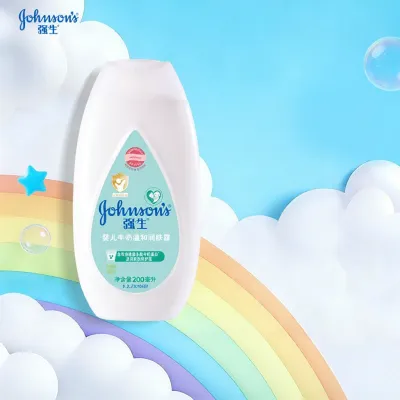
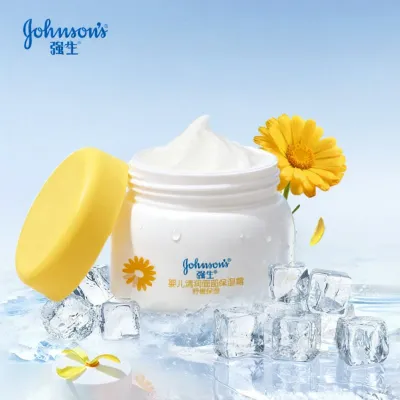
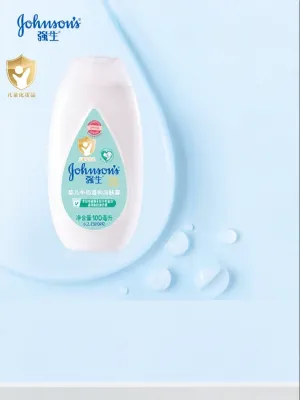
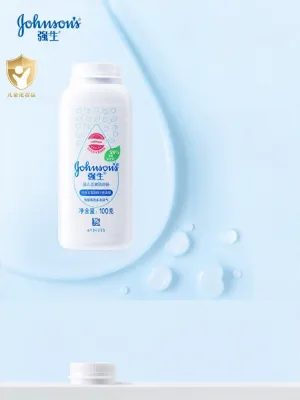
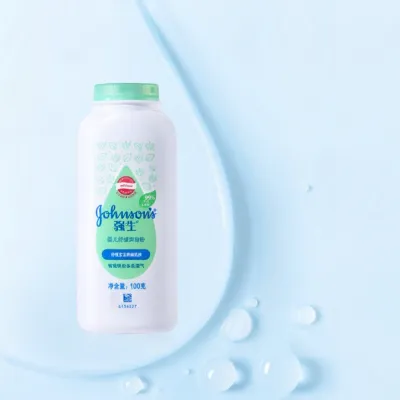
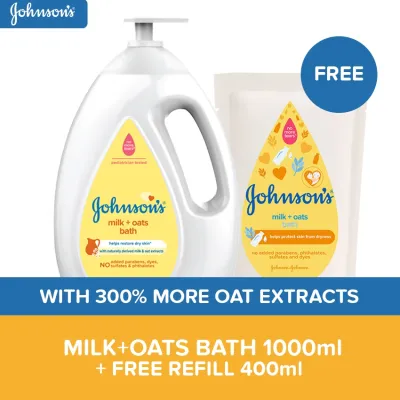
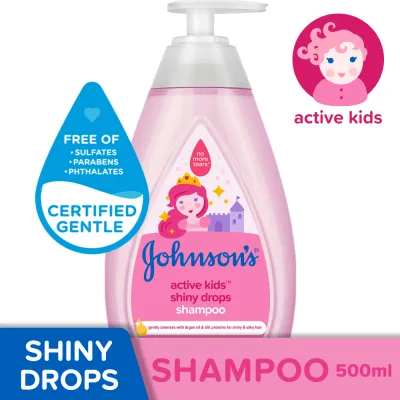
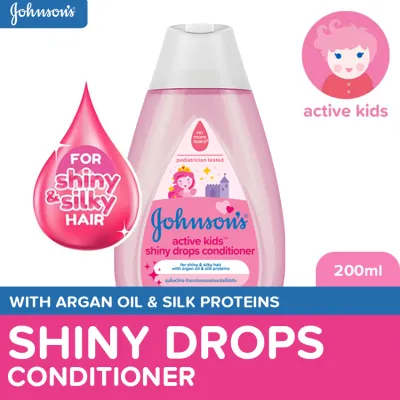
Prices are valid at publication and may change. Please refer to the product page for the latest price.
Furthermore, counterfeit manufacturing facilities operate without regulatory oversight. They lack basic hygiene standards, sterile equipment, and quality control protocols. This environment allows harmful bacteria and mold to contaminate the products before they even reach your home. In warm, humid tropical conditions, these microbial contaminants can multiply rapidly, posing a severe risk of infection if applied to a baby’s delicate skin.
How to Spot the Genuine Official Store Online
Navigating online marketplaces requires a discerning eye to separate authorized brand outlets from unauthorized third-party sellers. When searching for baby care essentials, look for platform-specific verification badges. Major e-commerce platforms designate authorized brand stores with labels such as “Mall,” “Official Store,” or “Flagship.” These badges indicate that the platform has verified the seller’s business registration and direct relationship with the brand.

Do not rely solely on the store’s name or logo, as unauthorized sellers often copy official branding to deceive shoppers. Instead, check the seller’s detailed profile. Genuine stores typically display official business registration details or authorized distributor certificates. You can also cross-reference the online storefront by visiting the brand’s official corporate website or verified social media pages, which often feature direct links to their authorized e-commerce channels.
Additionally, evaluate the store’s performance metrics and customer feedback. Genuine official stores maintain high seller ratings, prompt customer response rates, and a consistent history of positive reviews. Be cautious of stores with highly repetitive, generic, or suspicious five-star reviews that lack detailed user photos. Official stores also feature dedicated customer service channels staffed by trained representatives who can answer specific product inquiries directly within the platform’s chat interface.
Inspecting Packaging and Product Quality Upon Delivery
Once your package arrives, conduct a thorough physical inspection before opening or using the product. Start by examining the outer packaging, bottle, or tube. Genuine products feature high-quality, crisp printing with perfectly aligned labels. Counterfeit items often display blurry text, faded colors, misaligned stickers, or even spelling errors in the ingredient list or instructions.
Next, inspect the safety seals and cap mechanisms. Authentic baby products are designed with secure packaging to prevent leaks and contamination. Check for intact shrink wraps, induction seals under the cap, and firm, click-closing lids. In humid environments, a compromised or missing seal is a major red flag, as it exposes the product to moisture and airborne bacteria. If a seal looks tampered with, loose, or entirely absent, do not use the product.
Evaluate the physical characteristics of the formula itself. Genuine baby washes and lotions have a consistent texture, specific viscosity, and a signature, mild scent that parents easily recognize. If the liquid appears separated, unusually watery, clumpy, or has an overpowering chemical odor, it may be a counterfeit or a badly expired product.
Finally, locate the batch code, manufacturing date, and expiry date. On genuine bottles, these details are typically laser-printed or stamped directly onto the plastic or label in a clear, permanent font. Counterfeiters often print these codes poorly, making them easy to rub off with a finger or a damp cloth. Ensure the batch code on the bottle matches any code printed on the outer cardboard box if the product came in one.
Verifying Batch Codes Through Official Customer Support
If you remain uncertain about a product’s authenticity after a physical inspection, you can verify the batch code directly with the manufacturer. Before reaching out, gather all necessary evidence. Take clear, high-resolution photographs of the front and back of the packaging, focusing closely on the printed batch code, the barcode, and any safety seals. Keep your digital purchase receipt or order confirmation screenshot handy as proof of purchase.
Contact the brand’s official customer support team using the contact details provided on their official corporate website. Avoid using phone numbers or email addresses found on third-party websites or suspicious product labels. Many established brands offer dedicated customer service hotlines, verified email addresses, or official live chat support to assist consumers with product verification.
You can also utilize the brand’s verified social media channels, which typically feature a blue verification checkmark. Send a direct message with your photos, the batch code, and the name of the online store where you made the purchase. The customer care team can cross-reference the batch code in their global database to confirm if it corresponds to an authentic production run and verify if the online seller is an authorized distributor.
Steps to Take If You Suspect a Counterfeit Product
If your physical checks or batch verification confirm or strongly suggest that the product is a counterfeit, take immediate protective action. Stop using the product on your baby right away. Store the bottle safely out of reach of children and pets, keeping it in its original packaging as evidence.
Document the entire situation thoroughly. Take detailed photos of the packaging anomalies, the product’s consistency, and the batch code. Save screenshots of your order history, the seller’s store page, and any chat conversations you had with the seller. This documentation is crucial for securing a refund and reporting the fraudulent activity.
Initiate a return or refund request directly through the e-commerce platform’s buyer protection system. Select the option indicating that the item is counterfeit or not as described. Upload your photographic evidence and explain clearly why you believe the product is fake. Most reputable platforms have strict buyer protection policies that hold funds in escrow until disputes are resolved, helping you secure a refund.
Finally, report the incident to protect other parents. Submit a formal complaint to the e-commerce platform’s trust and safety team, requesting that they investigate the seller and take down the fraudulent listing. You should also report the seller’s details and the suspicious batch number to the brand’s official anti-counterfeiting department, enabling them to take legal action against the counterfeit manufacturers.
Frequently Asked Questions (FAQ)
Can I rely solely on the product's scent to determine if it is original?
No, you should not rely solely on scent. While a familiar, mild fragrance is a helpful initial indicator, modern counterfeiters have become highly skilled at mimicking signature scents using cheap, synthetic perfumes. These synthetic fragrances can contain harsh chemicals that irritate a baby’s skin. Always combine sensory checks with a thorough inspection of the packaging, safety seals, and official batch code verification to ensure the product is genuine.
Are baby products bought from physical supermarkets always authentic?
Generally, yes. Established physical supermarkets and major pharmacy chains have highly regulated, audited supply chains. They purchase inventory directly from authorized distributors or the manufacturer, which drastically reduces the risk of counterfeit products entering their shelves. However, it is still wise to inspect the packaging integrity, check for intact safety seals, and verify the expiry dates before purchasing, as products can occasionally be damaged or expire while on display.
Community discussion
Share your experience or ask a question. Comments are reviewed before publication.