
To verify if a Bebeta baby bottle sold online is authentic, you must look for a combination of authorized seller badges, high-quality packaging, and precise physical manufacturing details. Because counterfeit baby products can pose serious health risks to infants, verifying the source before you buy is the most reliable way to ensure your peace of mind. By examining the print quality of the packaging, checking for distinct physical defects like uneven seams or strong chemical odors, and purchasing exclusively from verified flagship stores on major online marketplaces, you can confidently protect your baby from substandard imitations.
Why Authenticity Matters in Bottle-Feeding
Using authentic feeding equipment is critical because infant care products are subject to strict regulatory standards to ensure they are free from harmful substances. Counterfeit baby bottles often bypass these essential safety evaluations, meaning they may contain unverified plastics or industrial dyes that can degrade rapidly. When exposed to the high temperatures required for daily sterilization, low-grade counterfeit plastics run the risk of leaching chemical compounds into your baby’s milk or formula.
Beyond chemical safety, structural integrity is a major concern with imitation products. Poorly manufactured bottles often feature defective threads or low-quality silicone nipples that fail to create a proper seal, leading to persistent leaks during feeding. These structural gaps can also trap moisture and milk residue in hard-to-clean crevices, creating a breeding ground for harmful bacteria.
Products mentioned in this guide
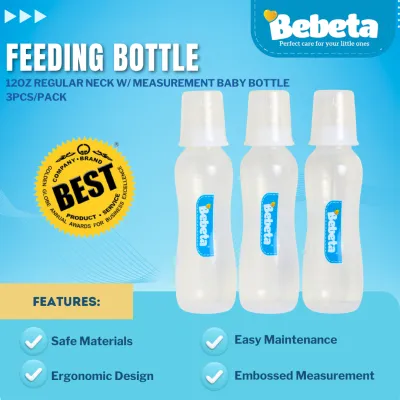
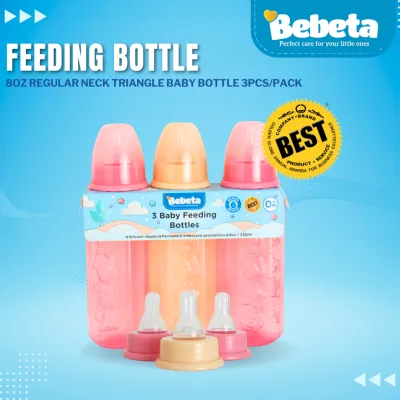
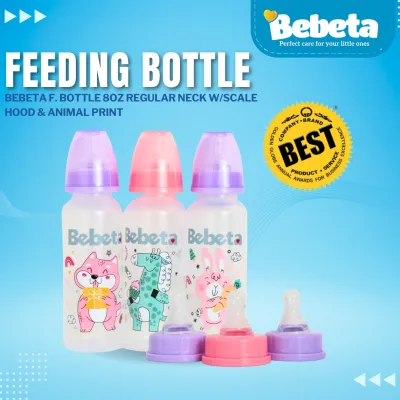
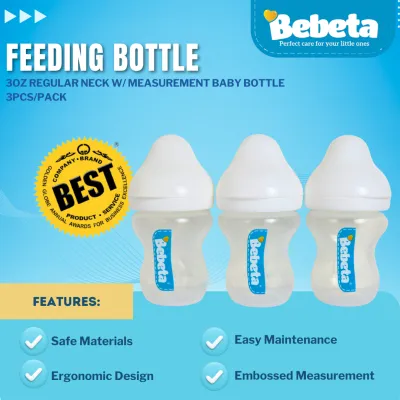
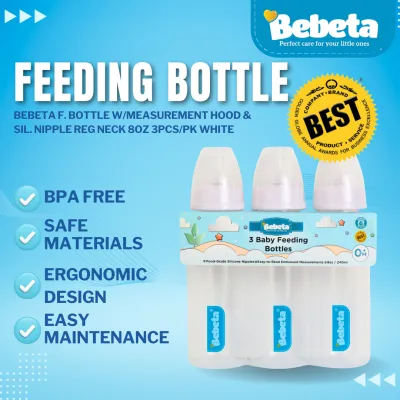
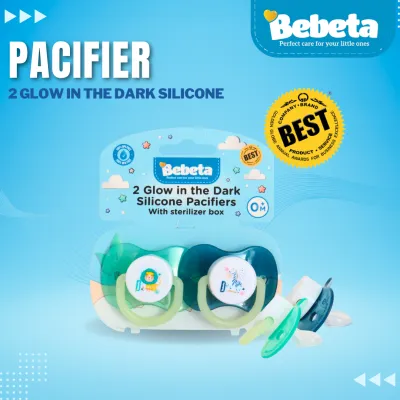
Prices are valid at publication and may change. Please refer to the product page for the latest price.
Physical and Packaging Checks for Authentic Bebeta Bottles
When your package arrives, or when you are closely reviewing high-resolution photos provided by an online seller, the physical characteristics of the bottle and its packaging are your first line of defense. Authentic baby bottles are manufactured using high-grade, food-safe materials such as polypropylene (PP) or silicone, which exhibit excellent clarity and a smooth, consistent finish. If the plastic appears cloudy, has a yellowish tint, or feels unusually light and brittle, it may indicate a cheap substitute.

The packaging itself should be inspected with a critical eye. Genuine manufacturers invest in high-quality printing processes, resulting in sharp text, vibrant colors, and perfectly aligned logos. Look closely at the brand name and product descriptions on the box; counterfeit packaging often features slightly blurry fonts, misaligned graphics, or subtle spelling errors designed to mimic the original brand. Additionally, authentic items typically arrive with intact factory seals or shrink-wrapping that shows no signs of tampering.
You should also verify that all listed accessories and components match the official product description. Authentic sets are packaged with specific nipple flow rates, sealing discs, or cleaning brushes as detailed by the manufacturer. If the nipple shape looks irregular, lacks the standard ventilation valves, or if the included accessories feel flimsy and mismatched, the product is highly likely to be an imitation.
Common Red Flags in Counterfeit Baby Bottles
One of the most reliable indicators of a counterfeit product is an unrealistically low price. If an online listing offers a baby bottle at a price significantly below the standard retail range—such as listing items for a fraction of the typical ₱150 to ₱300 retail price—you should proceed with extreme caution. While seasonal sales and official store promotions do occur, extreme discounts or bulk offers from unverified third-party sellers are classic signs of counterfeit goods.
The listing details on the ecommerce platform can also reveal suspicious patterns. Be wary of sellers who use low-resolution, watermarked, or obviously stolen product images instead of original, clear photos. Vague product descriptions, a lack of specific material details, and poor grammar in the product title are additional warning signs that the seller is not an authorized distributor.
Upon unboxing, a strong, pungent chemical or plastic odor is a major red flag, as authentic baby bottles are thoroughly cured and virtually odorless. Run your fingers along the plastic edges; genuine bottles have smooth, polished seams, whereas counterfeits often feature sharp, uneven plastic ridges left behind by cheap manufacturing molds.
Verifying Authenticity Through Official Channels
To confirm whether your purchase is genuine, look for official verification markers provided directly by the brand. Many reputable baby brands include unique authenticity seals, holographic stickers, or scratch-off batch codes on their packaging. These codes can be entered directly into the manufacturer’s official website or verified through their customer service channels to confirm that the specific item was produced in an authorized facility.
If you are uncertain about a product’s legitimacy, you can cross-reference the batch numbers printed on the bottom of the bottle or the back of the box with the brand’s official customer support team. Sending a quick inquiry with clear photos of the packaging, batch codes, and physical bottle can help the brand verify if the item belongs to an active production run.
Do not rely solely on a third-party seller’s assurances or unverified “certificates of authenticity” uploaded to their store page. Counterfeiters can easily replicate paper certificates or write misleading product descriptions claiming 100% authenticity. Always seek independent verification through the brand’s official communication channels.
Choosing Safe Purchasing Channels Online
The most effective way to avoid counterfeit baby bottles is to buy exclusively from verified online storefronts. When shopping on major online marketplaces, look for the official brand store or authorized flagship stores, which are typically marked with distinct verification badges such as “Mall” or “Preferred” tags. These platforms pre-verify the business credentials and supply chains of flagship sellers, ensuring that the products they list are sourced directly from the manufacturer.
If you must purchase from a third-party seller, establish a strict evaluation process before adding the item to your cart. Check the store’s overall rating, aiming for sellers with high positive feedback scores and a long history of operation on the platform. Read through recent buyer reviews, paying close attention to photo reviews and comments from parents who have already tested the bottle’s quality and heat resistance.
Avoid purchasing infant care products from unauthorized resellers, social media direct sellers, or independent websites that lack secure payment gateways and clear return policies. These channels often lack the buyer protection frameworks provided by established ecommerce platforms, making it difficult to secure a refund.
Steps to Take If You Receive a Suspected Fake
If you suspect that the baby bottle you received is a counterfeit, stop using it immediately and begin documenting the evidence. Take clear, well-lit photographs of the product from multiple angles, focusing on the uneven seams, blurry packaging text, or any missing accessories. Compare these photos side-by-side with official product images from the verified brand store to highlight the discrepancies.
Next, initiate a formal return or refund request through the ecommerce platform’s built-in buyer protection system. Upload your documented photos and provide a clear, objective explanation of why you believe the product is counterfeit, referencing the physical defects and packaging inconsistencies. Most major online marketplaces have strict policies against counterfeit goods and will hold the seller’s funds until the dispute is resolved.
Finally, report the suspicious seller directly to the platform’s customer support or moderation team. By flagging the listing and providing your evidence, you help the platform take corrective action, which may include suspending the seller’s account or removing the fraudulent listings entirely. This simple step plays a vital role in protecting other parents and infants in the community.
Frequently Asked Questions (FAQ)
Can I sterilize a suspected fake bebeta bottle just to be safe?
No, you should never attempt to use or sterilize a suspected counterfeit baby bottle. While sterilization processes like boiling or steam cleaning are highly effective at killing bacteria and pathogens, they cannot alter the chemical composition of the bottle’s materials. If the counterfeit bottle is made from low-grade, non-food-safe plastics, exposing it to high sterilization temperatures can actually accelerate the degradation of the material, causing harmful chemicals or heavy metals to leach out. For your baby’s safety, discard any suspected counterfeit bottles immediately.
Do all authentic bebeta bottles come with a warranty card?
Not all authentic baby bottles include a physical warranty card inside the packaging. The inclusion of warranty documentation, user manuals, or registration cards varies depending on the specific product line, packaging design, and the region where it is distributed. Instead of relying on the presence of a warranty card as a universal proof of authenticity, you should verify the product by checking for official batch codes, inspecting the physical build quality, and purchasing directly from the brand’s verified online flagship store.
Community discussion
Share your experience or ask a question. Comments are reviewed before publication.