
To ensure you are purchasing authentic Munchkin weaning tableware and cups, the most reliable method is to buy directly from the brand’s official flagship store on verified online marketplaces or authorized physical retail partners. Because counterfeit baby products bypass critical safety checks, parents must actively verify seller credentials, inspect physical packaging, and check for specific manufacturing details like batch codes and molded brand marks before allowing a child to use any feeding item.
When preparing for your baby’s transition to solid foods, verifying the authenticity of every cup, bowl, and spoon is a vital step in safeguarding their health. Always consult the specific product documentation to verify the recommended age, developmental stage, and proper method of use, as these guidelines are designed to keep your child safe during feeding milestones.
Why Authenticity Matters for Baby Weaning Essentials
Transitioning your baby to solid foods is an exciting milestone, but it requires careful attention to the safety of the tools you use. Counterfeit baby tableware often bypasses the strict quality control protocols that reputable brands establish. Unverified manufacturers may use low-grade plastics, industrial colorants, or unauthorized chemical stabilizers that have not undergone food-grade safety testing. Because these items come into direct contact with your baby’s food and mouth, verifying material safety is essential.
Products mentioned in this guide
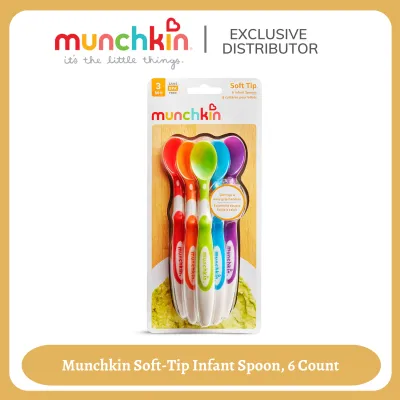
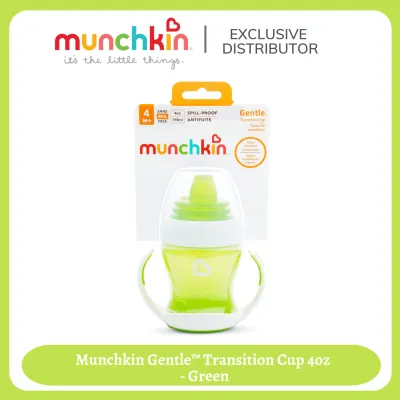
Prices are valid at publication and may change. Please refer to the product page for the latest price.
In warm, humid tropical climates like the Philippines, the risks associated with substandard materials can be amplified. High ambient temperatures and humidity can accelerate the degradation of low-quality plastics, potentially leading to chemical leaching or the release of unpleasant chemical odors during sterilization or warm food preparation. Genuine weaning essentials are manufactured to withstand typical daily use, including exposure to heat, washing, and sterilization, without compromising their structural integrity.
Beyond chemical safety, physical construction is a major concern with counterfeit items. Poorly manufactured cups, bowls, and spoons often feature rough edges, weak joints, or brittle components that can easily break during a feeding session. If a small plastic piece or silicone valve detaches due to poor structural integrity, it presents an immediate choking hazard to an infant. Ensuring your baby’s tableware is authentic means you are getting products designed and tested specifically for infant developmental stages and physical capabilities.
How to Identify the Munchkin Official Store Online
Navigating online marketplaces requires a discerning eye to separate authorized distributors from unauthorized third-party sellers. When shopping on major e-commerce platforms, look for official store badges, flagship tags, or verified seller statuses next to the store name. These digital markers show that the platform has verified the seller’s business registration and brand authorization documents.

Before clicking the purchase button, take a moment to examine the seller’s profile page. Legitimate distributors should display clear business details, regional contact information, or official brand authorization letters. If you are uncertain about a store’s status, you can cross-reference their listed business name with the authorized distributor list on the brand’s official global or regional website.
Customer service responsiveness is another practical indicator of legitimacy. Send a direct message to the seller asking about their supply chain, product origin, and whether they can provide verifiable proof of authorized distribution. Authentic official stores employ trained customer service representatives who can answer specific product questions, provide clear warranty details, and explain return policies in detail.
Conversely, you should avoid sellers who offer vague answers about their inventory source or refuse to confirm their authorization status. Be cautious of listings that use generic stock photos, have mismatched product descriptions, or operate under random, auto-generated store names. If a seller cannot clearly state how they source their products, it is safer to look for another source.
Physical Checks for Authentic Cups and Tableware
Once your package arrives, perform a thorough physical inspection before washing or using the items. Start with the outer packaging, which should feature high-quality, crisp printing with no blurry text, spelling errors, or pixelated graphics. Authentic packaging always includes comprehensive manufacturer details, clear safety warnings, age-suitability guidelines, and specific care instructions that match the product’s official documentation.
Next, unbox the item and inspect the physical material closely. Authentic silicone and plastic components should feel smooth, consistent, and free of sharp mold seams or uneven edges that could scratch a baby’s sensitive mouth. Give the product a quick sniff; high-quality, food-grade materials should not emit strong, pungent chemical odors, even when newly opened in warm, humid conditions.
Turn the tableware or cup over to inspect the bottom stamps and material indicators. Genuine products typically feature molded-in details, such as the brand logo, material recycling codes, and specific batch or production codes. These markings should be clean, legible, and perfectly aligned, rather than smudged or unevenly stamped.
Always rely on the manufacturer’s official verification methods and product guides rather than unverified online visual rules of thumb. Counterfeiters frequently update their designs to mimic superficial visual cues, but they rarely match the precise material quality, weight, and structural consistency of genuine items. If you notice any discrepancies in the molded markings or packaging details, keep the item unused and contact the manufacturer to verify the batch code.
What to Do If You Suspect a Counterfeit Product
If you suspect that you have received a counterfeit cup or bowl, the first and most important step is to stop using the product immediately. Do not attempt to wash, sterilize, or test the item with food, as this could expose your child to unverified materials. Keep the item out of reach of children while you address the issue, and consult a healthcare professional if you have concerns about previous exposure.
Document your concerns thoroughly by taking clear, high-resolution photos and videos of the product from multiple angles. Capture close-up shots of the packaging, labels, barcodes, batch codes, and any physical defects or inconsistencies you observed, such as uneven seams or blurry printing. This visual evidence will be crucial for resolving your claim.
Log in to the e-commerce platform where you made the purchase and initiate a formal return or refund request through their official dispute resolution channel. Select the appropriate reason for the return, such as receiving an inauthentic item, and upload your documented photos and videos as supporting evidence. Avoid communicating with the seller outside the platform’s official messaging system to ensure your buyer protection remains valid.
Finally, report the suspected counterfeit to the brand’s regional customer support team. Sharing the seller’s store name, product listing link, and batch code photos helps the brand monitor unauthorized supply chains and protect other parents from purchasing unsafe items. They can also provide definitive guidance on whether the item is genuine.
Frequently Asked Questions (FAQ)
Can I trust third-party sellers with high ratings?
While high store ratings can indicate fast shipping or responsive customer service, they do not guarantee that the products sold are authentic. Some unauthorized sellers build positive ratings by selling non-regulated items before introducing counterfeit baby products to their inventory. Always prioritize verified official stores or authorized distributors over highly rated but unverified resellers, and read individual customer reviews carefully for any mentions of packaging discrepancies or unusual material quality.
Does a higher price guarantee the product is authentic?
A higher price tag is not a reliable guarantee of authenticity, as some counterfeit sellers deliberately price their items close to the suggested retail price to avoid raising suspicion. While unusually low prices are a strong warning sign of a counterfeit, you should always compare the listed price in ₱ with the official retail price on the brand’s website. Verifying the seller’s official authorization status and checking the physical product details remain the most dependable ways to ensure you are buying a genuine item.
Community discussion
Share your experience or ask a question. Comments are reviewed before publication.