
Ensuring the authenticity of the dietary supplements you provide to your family is a critical aspect of proactive healthcare. For parents in the Philippines, Scotts DHA is a popular choice to support a child’s growing nutritional needs. However, the rise of sophisticated counterfeit products in online marketplaces and unauthorized physical retail spots has made verification more important than ever.
Before administering any supplement, always verify the recommended age group, development stage, and specific dosage instructions printed on the manufacturer’s official packaging. Because every child’s nutritional requirements and health profiles are unique, consult a pediatrician or a qualified healthcare professional before introducing a new supplement to their daily routine. Taking a systematic approach to verifying your purchase ensures your child receives the intended benefits safely.
Why Authenticity Matters for Baby Supplements
Counterfeit dietary supplements pose severe health and safety risks, particularly to infants and young children whose bodies are still developing. When a product is fake, there is a high probability that it lacks the active ingredients, such as Docosahexaenoic Acid (DHA) or essential vitamins, required to support your child’s growth. This can lead to missed developmental milestones and nutritional gaps that parents believe they are actively addressing.
Products mentioned in this guide
![Scotts DHA Gummies Strawberry + Orange 60s [Pack of 2] Helps Support Brain Development](https://img.lazcdn.com/g/p/57c252d1cbab5822cf70bdee533730fd.png_400x400q80.png_.webp)
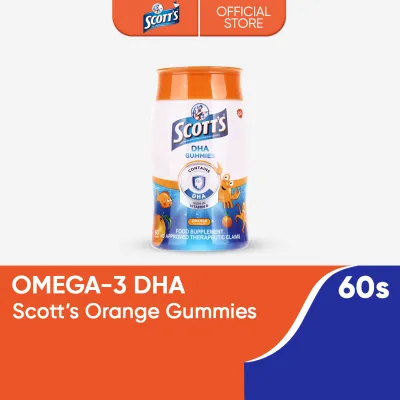
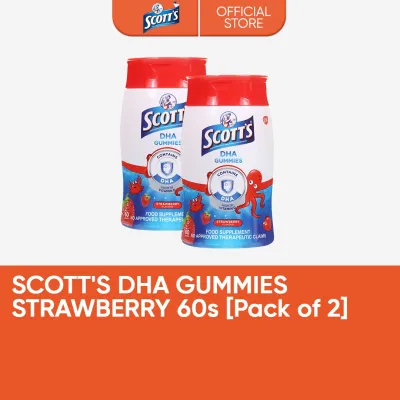
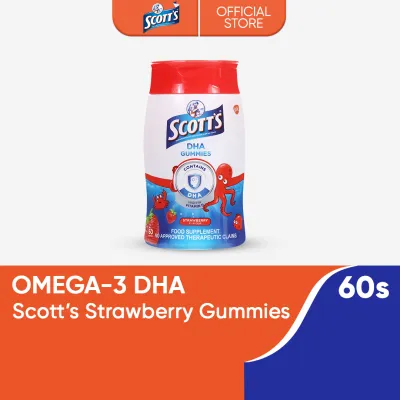
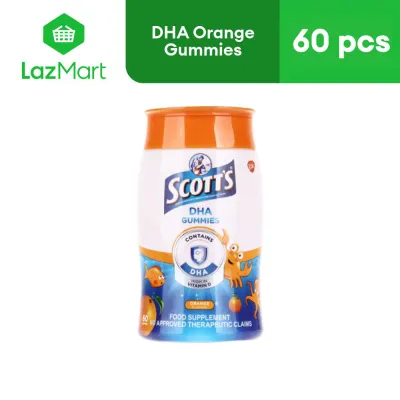
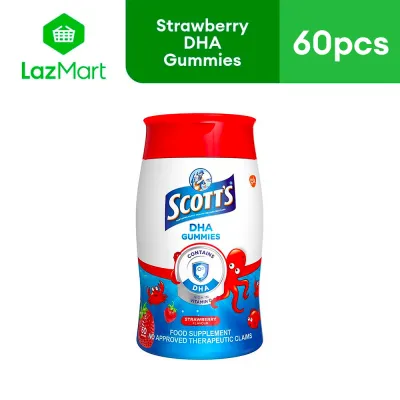
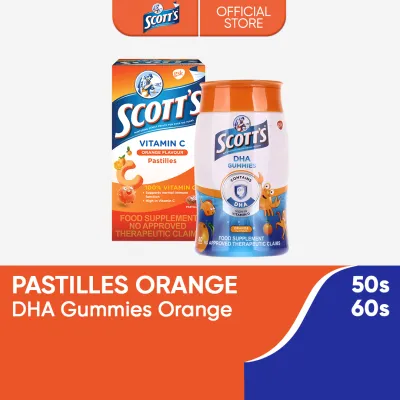
Prices are valid at publication and may change. Please refer to the product page for the latest price.
Beyond the simple absence of beneficial nutrients, counterfeit products are often manufactured in unverified, unsanitary facilities that bypass standard quality controls. These unauthorized operations do not adhere to strict hygiene protocols, introducing risks of undisclosed contaminants, heavy metals, harmful chemical binders, or incorrect ingredient dosages. A dose that is too high can overwhelm a child’s sensitive digestive and metabolic systems, while undisclosed ingredients can trigger severe allergic reactions.
In the tropical climate of the Philippines, high humidity and ambient temperatures can rapidly degrade poorly packaged or improperly sealed counterfeit goods. This degradation can lead to the growth of harmful bacteria or mold inside the container. To protect your child, it is vital to rely strictly on official manufacturer specifications and verified guidelines rather than anecdotal advice or unverified online claims. If you ever suspect a product is compromised, stop using it immediately and seek professional medical advice.
Step-by-Step Authenticity Checks for Scotts DHA
Packaging and Labeling
Your first line of defense is a thorough physical inspection of the product’s outer packaging. Genuine manufacturers utilize high-quality, professional printing processes that result in crisp text, vibrant colors, and perfectly aligned labels. Carefully examine the bottle or box for any blurry fonts, faded colors, misaligned graphics, or spelling errors, which are common indicators of a counterfeit print run.

Pay close attention to the tamper-evident features designed to secure the product. Authentic bottles typically feature a secure plastic shrink-wrap around the cap or a protective foil seal directly under the lid. If you notice that the outer wrap is loose, unevenly cut, or missing entirely, or if the inner seal appears glued back on or punctured, do not administer the product. You should also check the manufacturer’s official website to verify if the current packaging includes specific holographic stickers or security seals.
Batch Codes and Expiry Dates
Legitimate manufacturers print batch codes and expiration dates using specialized industrial printers that etch or stamp the ink directly onto the packaging. These details should be clear, legible, and highly resistant to smudging. If the batch code or expiry date rubs off easily when lightly scratched with a fingernail or wiped with a damp cloth, the product’s authenticity is highly questionable.
Always cross-reference the batch code printed on the outer cardboard box with the code printed directly on the bottle inside. These two codes must match perfectly. Additionally, verify that the expiration date format aligns with the standard layout used by the brand and that the date itself is logical. An expiration date that appears altered, unevenly spaced, or printed in an unusual font is a major red flag.
Sensory Inspection
Once you open the product, perform a careful sensory check of the contents, whether you have purchased a liquid emulsion or chewable gummies. Note the color, consistency, and aroma of the product. A genuine supplement should match the official descriptions provided in the manufacturer’s product literature, maintaining a uniform appearance without unusual separation or discoloration.
For liquid emulsions, the texture should be smooth and consistent throughout. If you notice heavy oil separation, clumping, or an unusually watery consistency that does not resolve after shaking, the product may be counterfeit or poorly stored. For chewable gummies, they should not be excessively sticky, melted, or hard. While sensory checks are helpful, they are not definitive proof of safety; if you detect an unusual chemical odor or an off-putting taste, discontinue use immediately.
Verification Tools
Many reputable brands now offer digital verification systems to help consumers confirm the legitimacy of their purchases. Check the official brand website or contact their local customer service channels to see if they provide a batch verification portal or a dedicated mobile application. These tools allow you to enter the batch number or scan a unique QR code on the packaging to verify its origin.
If the manufacturer provides a verification app, ensure you download it only from official app stores. Scanning a QR code should direct you to a secure, official brand domain rather than a generic or unbranded website. If the online system fails to recognize the batch code or flags it as previously scanned multiple times, contact customer support for further investigation.
Assessing Purchase Channels and Seller Credibility
Official and Authorized Channels
The most effective way to guarantee you are receiving a genuine product is to buy exclusively from authorized retail channels. In the Philippines, this includes official brand flagship stores on major ecommerce platforms, the brand’s verified website, and established physical pharmacies, drugstores, or supermarkets. These retailers maintain direct supply chains with authorized distributors, ensuring proper storage conditions and product handling.
Third-Party E-commerce Platforms
When shopping on online marketplaces, exercise extreme caution when dealing with third-party, independent sellers. Always check the seller’s profile for official authorization badges, a high positive feedback rating, and a long history of successful transactions. Be skeptical of shops that have very few reviews, use generic stock photos, or have received multiple customer complaints regarding packaging quality or product efficacy.
Avoid purchasing from sellers who cannot provide clear information about their sourcing or those who refuse to share batch details. A reputable seller should be transparent about their inventory and willing to assist with your authenticity concerns.
Price Evaluation
While finding a discount is helpful for the household budget, prices that seem too good to be true usually are. Compare the seller’s price against the standard retail price in Philippine Pesos (₱) found at major physical pharmacies. If an online listing offers the product at a steep discount significantly below the standard market rate, it is highly likely to be counterfeit, smuggled, or expired stock.
Genuine health products have baseline manufacturing, shipping, and distribution costs. Any seller offering prices far below these baselines is likely compromising on product quality or authenticity to maintain a profit margin.
Actions to Take If You Suspect a Fake Product
If you suspect that the product you purchased is not genuine, take immediate steps to protect your family and help prevent others from buying unsafe supplements.
First, stop using the product immediately. Store the bottle safely out of reach of children and pets, keeping the original packaging, outer box, and purchase receipts intact. Do not discard the item, as it serves as essential evidence for verification and potential regulatory reports.
Next, contact the brand’s official customer support team in the Philippines. Provide them with clear, high-resolution photographs of the front and back labels, the batch code, the expiration date, and the physical contents of the bottle. Share the details of where and when you purchased the item, including the seller’s store name or online profile.
If the manufacturer confirms or strongly suspects the product is counterfeit, report the incident to local health authorities, such as the Food and Drug Administration (FDA) of the Philippines, and consumer protection agencies. Filing an official report helps authorities track down illicit distributors and remove dangerous goods from the market.
Finally, initiate a return or refund request through the official dispute resolution process of the ecommerce platform or retail store where you made the purchase. Submit your photographic evidence and any correspondence from the brand to support your claim. Avoid direct, unmediated confrontations with the seller, and let the platform’s customer service handle the dispute.
Frequently Asked Questions (FAQ)
Can I rely solely on the taste or smell to confirm authenticity?
No, you should never rely solely on sensory characteristics like taste, smell, or color to confirm that a supplement is genuine. While an unusual chemical odor, an off-putting flavor, or strange discoloration are clear indicators that you should stop using the product, sophisticated counterfeiters can often mimic the basic sensory profile of the original formula. A product might taste and smell correct but still contain harmful contaminants or incorrect ingredient levels. Always combine sensory checks with thorough packaging inspections, batch code verification, and careful selection of authorized purchase channels.
What should I do if the seller claims the packaging changed?
If a seller claims that a product looks different because the manufacturer recently updated the packaging design, do not accept this explanation without independent verification. Manufacturers do occasionally update their labels, bottle shapes, or security features, but these changes are documented. Visit the brand’s official website or contact their local customer service department directly to confirm if a packaging redesign has occurred in the Philippines. Do not administer the supplement to your child until you have verified the new packaging design through official, brand-authorized sources.
Community discussion
Share your experience or ask a question. Comments are reviewed before publication.