
To ensure you are buying genuine baby bottles, pacifiers, or breast pumps, the most reliable method is purchasing directly from a philips avent official store or an authorized distributor. In the digital marketplace, counterfeit baby products have become increasingly sophisticated, making visual, physical, and storefront verification essential steps for every parent. By checking platform verification badges, analyzing packaging print quality, and inspecting the physical bottle and nipple, you can protect your infant from the hazards of counterfeit feeding gear.
Why Authenticity Matters for Your Baby's Safety
Infant feeding equipment comes into direct contact with milk, formula, and your baby’s mouth daily. Genuine products are manufactured under strict quality controls and undergo rigorous safety testing to comply with international infant care standards. These measures ensure that the materials used are completely safe for prolonged contact with food and can withstand regular sterilization.
Counterfeit products bypass these critical checks entirely. Fake bottles are often manufactured using low-grade, industrial-quality plastics that may contain harmful chemicals such as Bisphenol A (BPA) or phthalates. Under the high temperatures required for sterilization—common in tropical climates where humidity prompts frequent boiling or steam sterilization—unverified plastics can leach these hazardous chemicals directly into your baby’s milk.
Products mentioned in this guide
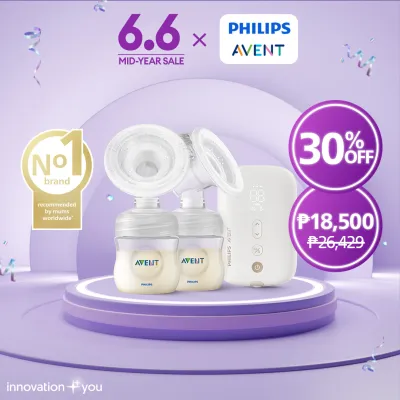
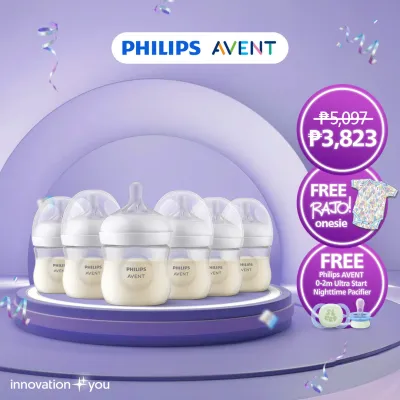
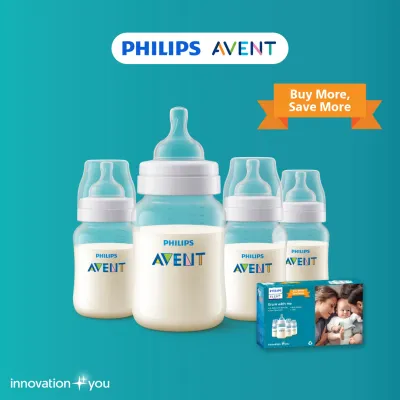
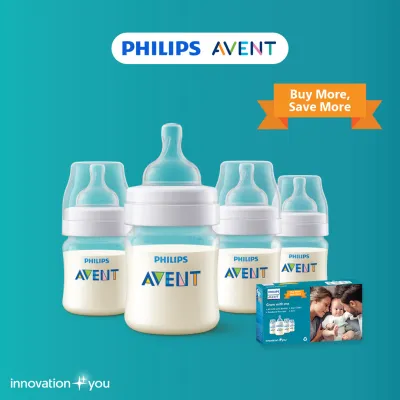
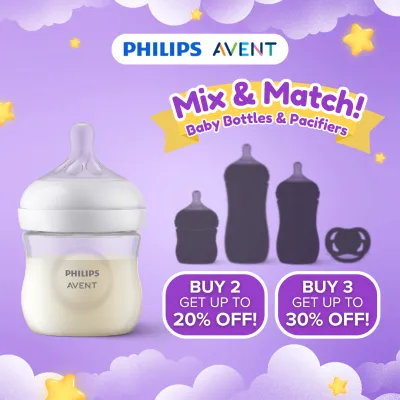
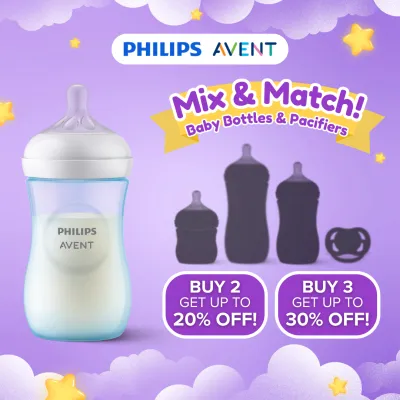
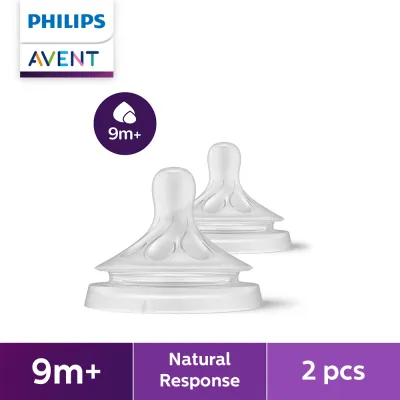
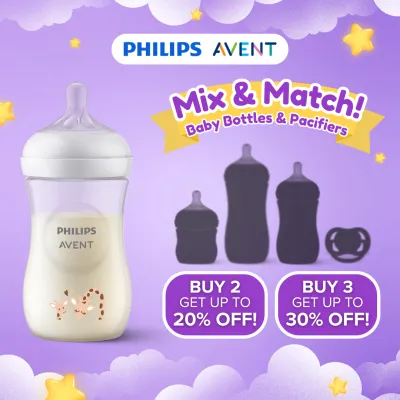
Prices are valid at publication and may change. Please refer to the product page for the latest price.
Furthermore, poor heat resistance in counterfeit materials poses a direct physical hazard. Fake bottles may crack, warp, or shatter during sterilization, presenting a risk of severe burns to caregivers or infants. The structural integrity of the plastics and silicones used in counterfeits is highly unpredictable under thermal stress.
Inaccurate measurement markings on counterfeit bottles present another silent hazard. If the volume lines are misaligned or printed incorrectly, caregivers may consistently over-dilute or under-dilute infant formula. Over time, inaccurate feeding ratios can lead to nutritional deficiencies, digestive distress, or dehydration in infants. Choosing verified, authentic feeding gear is a fundamental step in supporting your baby’s healthy development.
How to Identify the Philips Avent Official Store Online
When shopping on major e-commerce platforms in the Philippines, identifying a genuine philips avent official storefront requires careful attention to platform-specific trust indicators. Look for prominent, verified badges such as “Mall” or “Official Store” labels on the seller’s profile. These designations indicate that the platform has vetted the seller’s business registration and trademark authorization.

Examine the seller’s profile page in detail rather than relying solely on search results. Legitimate flagship stores typically display high positive seller ratings (usually above 90%), high chat response rates, and a substantial follower count. Look for corporate business information or official distributor details, which are often displayed in the store’s profile or about section.
Cross-referencing is an excellent habit to build. Visit the global or regional brand website to find their list of authorized online retailers or direct links to their official flagship stores on local e-commerce platforms. If a store link does not match these verified paths, proceed with extreme caution.
Be alert to pricing red flags. While official stores run seasonal promotions, genuine bottles generally fall within a stable price band, typically ranging from ₱500 to over ₱1,200 depending on the size and material, such as glass or premium PPSU. If you find a listing offering a multi-pack of bottles for ₱150, the price is highly unrealistic for genuine merchandise.
Other digital red flags include poor customer service ratings, a high volume of reviews complaining about material quality, missing contact information, or vague return policies. Official stores adhere to clear, platform-backed return and refund policies, providing recourse if an item arrives damaged or incorrect.
How to Spot Fake Philips Avent Packaging
Outer packaging is your first physical line of defense. Genuine boxes are constructed from thick, high-quality, sturdy cardboard designed to withstand international shipping and local transit. The print quality is exceptionally sharp, with accurate color reproduction, consistent branding, and clear, legible text.
Counterfeit boxes often exhibit noticeable printing flaws. Look closely at the text and images: blurry lettering, misspelled words, faded or off-color brand logos, and pixelated product photos are strong indicators of a fake. Flimsy, easily creased cardboard that feels cheap to the touch is another common characteristic of counterfeit packaging.
Check for intact security seals and tamper-evident stickers upon delivery. Authentic products are sealed securely at the factory to prevent contamination. Look for clean, professionally applied adhesive seals rather than messy tape, loose labels, or boxes that appear to have been opened and resealed.
Examine the regulatory and safety icons printed on the box. Genuine packaging displays correct safety certifications, recycling symbols, and regional compliance marks. However, keep in mind that packaging designs can vary by region, product line, or production batch. For example, a box intended for the European market may feature different layout details compared to one packaged for Southeast Asia. To avoid confusion, compare your package against current product images on the official brand website rather than relying solely on older boxes you might have at home.
Physical Checks: Inspecting the Bottle and Nipple
Once the package is open, perform a hands-on inspection of the bottle, nipple, and accessories. Start with a tactile and visual check of the bottle material. Authentic plastic bottles have a consistent, clear, or slightly amber tint depending on the material, and are completely free of strong, pungent chemical odors. The molded seams along the sides of the bottle should be smooth and flush, with no sharp edges or rough plastic leftovers that could scratch your hands or your baby.
Inspect the measurement markings on the side of the bottle. On genuine bottles, these markings are crisp, perfectly aligned, and highly durable. You can test this by running a fingernail gently over the print; fake markings are often printed with cheap ink that easily rubs off, scratches, or appears misaligned and uneven.
The nipple requires close scrutiny, as it is the component that goes directly into your baby’s mouth. Genuine nipples are made of high-quality, food-grade silicone that feels soft, flexible, and smooth. They feature a distinct anti-colic valve design integrated into the skirt of the nipple, which should be clear and functional. Look for molded flow rate indicators, such as numbers or notches, and the embossed brand name.
Turn the bottle over and inspect the base. Authentic bottles feature molded brand logos, recycling symbols, and specific batch or mold codes. While these markings are standard, counterfeiters sometimes attempt to replicate them. Remember that the presence of a molded logo alone does not guarantee authenticity; it must be evaluated alongside the overall material quality, print durability, and scent of the product. If any physical aspect feels sub-standard, do not use the bottle.
What to Do If You Receive a Suspected Counterfeit
If you suspect you have received a counterfeit product, the first and most critical action is to stop using the item immediately. Do not feed your baby with a suspected fake bottle or nipple, as the chemical composition and structural integrity of the materials are unverified and potentially hazardous.
Initiate a return and refund request through the e-commerce platform’s buyer protection program. Most major online marketplaces have strict policies against counterfeit goods and offer a specific window during which you can dispute a purchase. Do not click “Order Received” or complete the transaction, as this may release payment to the seller and make a refund more difficult to obtain.
To support your dispute, document the product thoroughly. Take clear, well-lit photographs and videos of the packaging, focusing on any printing errors, misspelled words, or damaged security seals. Capture close-up shots of the physical discrepancies on the bottle, such as misaligned measurement markings, rough seams, or the lack of molded base details.
Submit this evidence to the platform’s customer resolution channel and report the seller for listing counterfeit items. Additionally, you can contact the official customer support channel in the Philippines to report the incident. Providing them with the seller’s store name and product batch codes helps the brand monitor unauthorized distribution and protect other families.
Frequently Asked Questions (FAQ)
Can I verify a Philips Avent product using a QR code or batch number?
While batch numbers and QR codes provide useful tracking data, they are not foolproof security measures. Counterfeiters can easily copy valid batch numbers from genuine packaging and print them onto hundreds of fake boxes. You should treat batch codes as one component of your verification process. If a batch code is missing, looks poorly printed, or if the format does not match official packaging, contact official customer support for verification.
Are Philips Avent products sold by third-party sellers always fake?
No, not all third-party listings are counterfeit. Many reputable local baby boutiques, pharmacies, and independent retailers purchase authentic stock from authorized distributors to resell online. However, buying from non-official storefronts carries a higher risk. If you choose to purchase from a third-party seller, always verify their customer reviews, ask for proof of purchase from an authorized distributor, and perform a thorough physical inspection of the packaging and product before use.
Community discussion
Share your experience or ask a question. Comments are reviewed before publication.