
Ensuring your baby stays comfortable and dry requires high-quality, reliable diapers, but the rise of counterfeit baby products makes verification essential for every parent. You can determine if the MamyPoko diapers you purchased are genuine by closely examining the packaging print quality, checking for clear batch codes, feeling the texture of the absorbent core, and buying exclusively from verified official stores. In tropical climates like the Philippines, where high humidity and heat are constant, using authentic diapers is particularly critical to prevent moisture buildup and protect sensitive skin.
Why Checking Diaper Authenticity Matters
Using counterfeit diapers poses significant risks to your baby’s health and comfort. Counterfeit manufacturers do not adhere to strict quality control or hygiene standards, meaning their facilities may expose raw materials to dust, pests, and chemical contaminants. When these unregulated materials come into direct contact with your baby’s delicate skin, they can easily cause severe diaper rash, allergic reactions, or painful skin irritation.
In hot and humid tropical environments, a diaper’s breathability and material safety are paramount. Genuine diapers are designed to allow proper airflow while locking away moisture, but counterfeit alternatives often use cheap plastic backsheets that trap heat and sweat. This trapped moisture creates an ideal breeding ground for bacteria and fungi, leading to infections that require medical attention. If your baby develops persistent skin redness, swelling, or an unusual rash, stop using the diapers immediately and consult a qualified pediatrician or healthcare professional.
Products mentioned in this guide
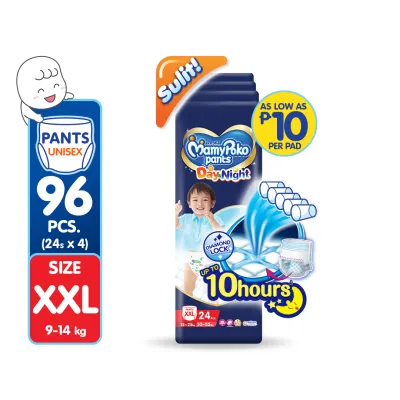
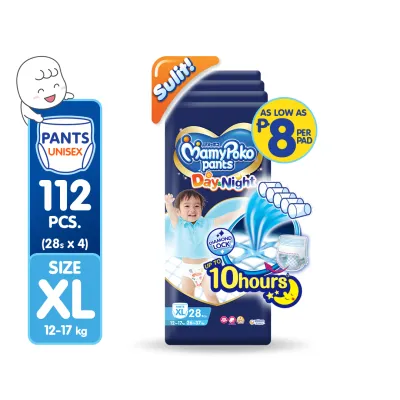
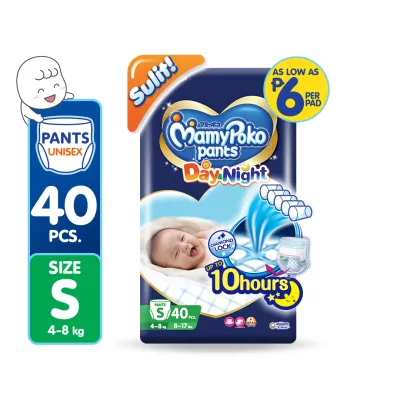
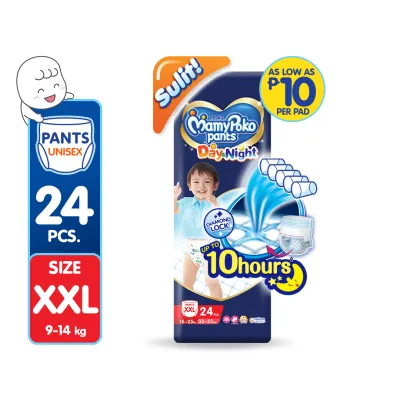
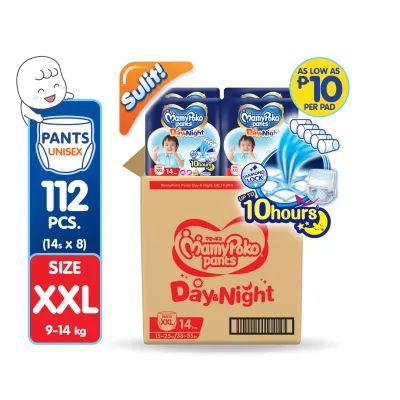
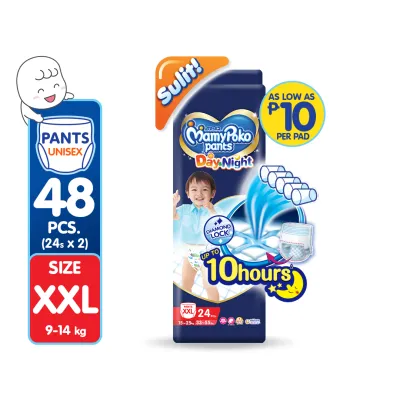
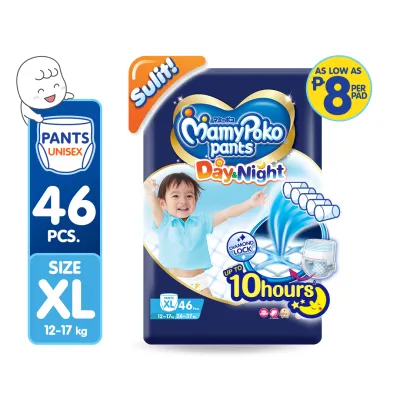
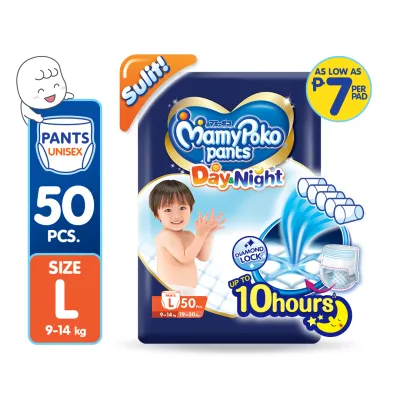
Prices are valid at publication and may change. Please refer to the product page for the latest price.
Key Features of Genuine MamyPoko Diapers
Authentic MamyPoko diapers are manufactured under strict quality guidelines to ensure consistency across every single batch. Parents can protect their infants by familiarizing themselves with the physical and visual benchmarks of genuine products. Conducting a quick inspection of your diaper stock using visual and tactile checks will help you identify whether a package is safe for your baby to wear.

Packaging and Print Quality
The exterior packaging is often the first line of defense when verifying authenticity. Genuine packaging features sharp, vibrant, and high-contrast printing with clear text and perfectly aligned logos. Counterfeit packaging, by contrast, frequently displays blurred images, pixelated graphics, or subtle spelling mistakes in the product descriptions and instructions.
Always inspect the package for standard manufacturer information, which should include a clearly printed batch number, manufacturing date, expiration date, and a scannable barcode. On authentic packs, this information is typically printed directly onto the plastic using high-quality ink that does not smudge easily when rubbed. Additionally, the outer plastic wrapping of genuine diapers is thick, durable, and sealed cleanly along the seams, whereas fake packaging may feel unusually thin, flimsy, or have unevenly melted heat seals.
When inspecting the packaging, always verify the recommended age, development stage, weight range, and manufacturer warnings printed on the back. Ensure these specifications match your baby’s current growth stage, as counterfeit packaging may display incorrect sizing charts or omit crucial safety warnings entirely. Always verify any safety certifications, ingredient lists, or local quality standards printed on the packaging by cross-referencing them with official manufacturer databases or regional regulatory announcements.
Texture and Absorbent Material
Once you open the package, the physical feel of the diaper itself provides crucial clues about its origin. Genuine diapers feature an incredibly soft inner lining and a highly flexible, gentle waistband designed to prevent friction against your baby’s skin. If the inner sheet feels rough, paper-like, or stiff to the touch, it is highly likely that the product is a counterfeit.
Next, gently run your hand over the absorbent core of the diaper to evaluate its structural integrity. Authentic diapers utilize advanced absorbent materials that are evenly distributed throughout the core, maintaining a smooth and consistent profile. Counterfeit diapers often contain low-grade pulp or unevenly packed absorbent polymers, resulting in hard clumps, empty pockets, or loose fibers that shift when handled. You should also check the elasticity of the leg cuffs and waist tapes; genuine diapers feature resilient, stretchy elastics that expand smoothly without tearing or snapping under moderate tension.
Common Warning Signs of Counterfeit Diapers
Recognizing the red flags of counterfeit products can save you from using unsafe diapers on your baby. One of the most prominent warning signs is an unusually low price in ₱ that significantly undercuts standard market rates. While finding a good deal is appealing, prices that seem too good to be true on unauthorized online listings often indicate counterfeit goods or expired stock.
Another immediate red flag is a strong chemical, petrol, or heavy plastic odor emanating from the packaging or the diapers themselves. Genuine diapers undergo deodorizing and sanitizing processes to ensure they are neutral and safe for sensitive skin, whereas counterfeits may retain volatile organic compounds from cheap adhesives and inks. If you notice a pungent or unpleasant smell upon opening a new pack, do not place the diaper on your baby.
Structural flaws during use are also clear indicators of a fake product. Counterfeit diapers often suffer from poor construction, leading to uneven sizing, misaligned fastening tapes, and immediate leaking even after minimal use. The leg cuffs may fail to channel liquid properly, or the adhesive tapes may lose their grip entirely when exposed to slight moisture. Furthermore, if the wetness indicator fails to change color or bleeds across the fabric before the diaper is even wet, the product’s quality is highly suspect.
How to Find MamyPoko Official Stores and Authorized Sellers
The most effective way to guarantee you are purchasing genuine diapers is to buy directly from authorized retail channels. When shopping on major ecommerce platforms or online marketplaces, look for the platform’s verified official store badge, such as a “Mall” or “Official Store” tag. These badges indicate that the seller’s business credentials and product sourcing have been verified by the platform.
Before adding items to your cart, take a moment to evaluate the seller’s profile. Check the overall seller rating, read recent customer reviews, and look closely at photos uploaded by other buyers in the feedback section. Be cautious of shops that have high volumes of negative reviews complaining about leaks, rashes, or unusual packaging.
For physical shopping in the Philippines, stick to established supermarkets, reputable pharmacies, and recognized baby care specialty chains. These large retailers source their inventory directly from authorized distributors, ensuring a secure supply chain. You can also visit the brand’s official regional website to find a list of authorized physical and online distributors, which serves as an excellent reference point before making a purchase.
Steps to Take If You Receive Suspected Fake Diapers
If you suspect that the diapers you received are counterfeit, take immediate action to protect your baby and report the seller. First, stop using the suspected diapers immediately to prevent any potential skin irritation, chemical exposure, or health risks. Store the remaining diapers safely out of reach of children while you address the issue.
Next, document the product thoroughly by taking clear, well-lit photos and videos. Capture the blurry print on the packaging, the batch numbers, the expiration dates, and the physical defects of the diapers themselves, such as clumpy cores or misaligned tapes. This visual evidence will be crucial when filing a dispute.
Contact the seller or the ecommerce platform’s customer support team right away to report the counterfeit listing and request a full refund. Most reputable platforms have strict policies against counterfeit goods and will freeze the seller’s funds or store page during an investigation. Finally, consider reaching out to the brand’s official customer service channel or local consumer protection agencies to report the incident, helping to keep unsafe products off the market for other families.
Frequently Asked Questions (FAQ)
Can I verify MamyPoko diapers using a barcode scanner app?
While barcode scanner apps can quickly identify the registered product name and manufacturer details, they are not a foolproof method for verifying authenticity. Counterfeiters can easily copy and print valid barcodes from genuine packaging onto fake wrappers, which will still scan successfully on your phone. Therefore, a matching barcode should only be treated as a basic check and must always be combined with physical, tactile, and packaging inspections.
Do genuine MamyPoko diapers ever have slight variations in color or design?
Yes, genuine diapers may occasionally exhibit minor variations in packaging designs, promotional prints, or character illustrations due to seasonal updates or manufacturing updates. However, these official changes will never compromise the structural quality, softness, or safety of the diaper. To confirm whether a design variation is legitimate, check the brand’s official social media channels or regional website for any announced packaging updates before assuming the product is counterfeit.
Community discussion
Share your experience or ask a question. Comments are reviewed before publication.