
Ensuring the authenticity of your child’s nutritional supplements is a critical step in safeguarding their health. When purchasing a popular vitamin and mineral supplement like ImmunPro Kids in the Philippines, parents must remain vigilant against counterfeit products. Spotting a fake bottle requires a systematic approach, focusing on physical packaging details, product consistency, and secure purchasing habits. By verifying these key elements before administration, you can ensure your child receives only genuine, high-quality nutritional support.
Quick Guide: Core Authenticity Checks for ImmunPro Kids
Before giving any supplement to your child, a rapid visual and physical inspection can help you identify immediate warning signs. Genuine products adhere to strict manufacturing standards, meaning any deviation in packaging quality is a primary indicator of a potential counterfeit.
Start by examining the overall appearance of the bottle and outer box. Look for crisp, clear printing, secure safety seals, and aligned labeling. If the packaging feels flimsy, the text is blurry, or the safety seal is loose or missing, do not administer the product.
Products mentioned in this guide
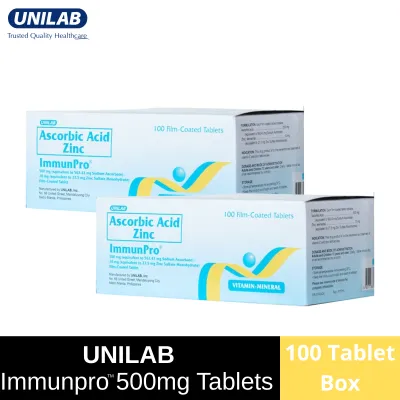
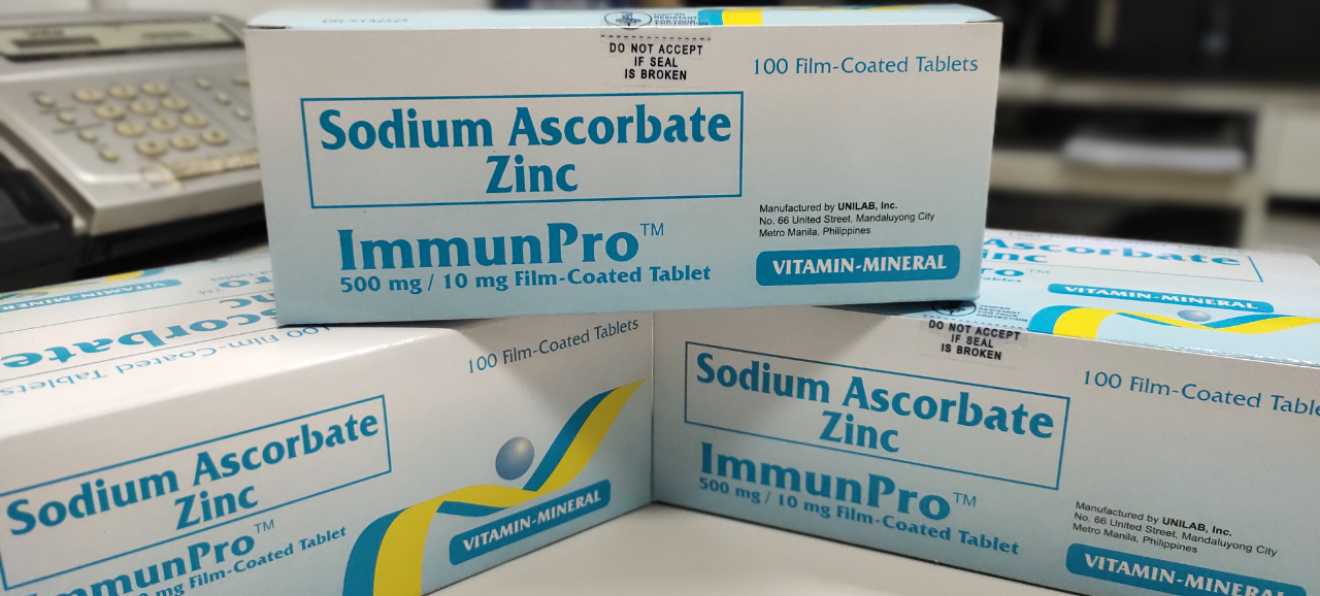
Prices are valid at publication and may change. Please refer to the product page for the latest price.
The most reliable way to guarantee authenticity is to purchase the supplement exclusively from authorized pharmacies and official retail channels. If you notice any immediate red flags—such as misspelled words on the label, an unusual price that seems too good to be true, or a broken cap seal—isolate the product immediately and keep it out of reach of children.
Inspecting the Packaging, Labels, and Security Seals
Counterfeiters often struggle to replicate the precise printing standards and high-quality materials used by legitimate manufacturers. A close inspection of the outer box and the bottle itself can reveal subtle discrepancies that expose a fake product.

Begin by evaluating the print quality of the outer box. Genuine packaging features sharp, legible text, consistent brand colors, and perfectly aligned barcodes. Blurry lettering, faded colors, or crooked text alignment are common signs of unauthorized reproduction. Carefully read all the text on the box; spelling mistakes or grammatical errors in the product description, ingredients list, or manufacturer details are definitive proof of a counterfeit.
Next, examine the safety seal under the cap. Legitimate manufacturers use secure, tamper-evident seals designed to protect the product from contamination and moisture, which is especially important in the humid tropical climate of the Philippines. The seal should be firmly adhered to the rim of the bottle without any gaps, wrinkles, or signs of re-gluing. If the seal is broken, partially detached, or appears to have been tampered with, do not use the product.
Additionally, inspect the physical bottle material. Genuine pediatric supplement bottles are made from high-quality, durable plastic or glass designed to withstand shipping and storage. Check the cap for proper alignment; it should screw on smoothly and sit perfectly level. Inspect the bottom of the bottle for any molded manufacturer markings, recycling symbols, or batch codes that match the brand’s standard production designs.
Finally, locate the batch number and expiration date printed on both the outer box and the bottle label. On genuine products, these details are typically printed using high-quality, clear ink or embossed directly onto the packaging. Verify that the batch numbers and expiration dates on the box match those on the bottle exactly. Be suspicious of dates that look smudged, unevenly aligned, or printed in a font style that differs from standard manufacturer markings.
Evaluating Product Consistency and Physical Cues
The physical characteristics of the supplement inside the bottle must align perfectly with the manufacturer’s specifications. Any deviation in color, texture, or smell can indicate either a counterfeit formulation or a product that has degraded due to improper storage.
When opening a new bottle, observe the color and clarity of the liquid. The syrup should have a consistent appearance without any unusual cloudiness, sediment, or separation. While tropical heat and high humidity in the Philippines can sometimes affect poorly stored items, genuine formulations are designed to remain stable under recommended storage conditions. If you notice distinct layers, floating particles, or an unexpected color shift, the product may be compromised.
Pay close attention to the odor of the liquid. A strong, chemical-like smell, or an unusually sour or rancid odor, is a significant warning sign. Genuine pediatric supplements are formulated to be palatable and should not emit harsh or off-putting chemical scents.
Always check the product label for specific descriptions of the supplement’s physical properties, storage instructions, and age-appropriate usage guidelines. If the liquid exhibits crystallization around the neck of the bottle or feels unusually thin or thick compared to previous genuine purchases, it is safest to discard the product. Never risk your child’s health by administering a supplement that looks, smells, or feels unusual.
Caregivers must always supervise the administration of any supplement. Before measuring a dose, consult the product documentation or the outer box to verify the correct dosage based on your child’s age and weight. Never rely on guesswork or general recommendations, as precise dosing is critical for pediatric health. If the package insert or label instructions appear poorly translated, incomplete, or inconsistent with standard medical advice, treat this as a significant warning sign of a counterfeit product.
Choosing Safe Purchasing Channels and Official Verification
Preventing the purchase of counterfeit supplements starts with selecting secure, verified retail sources. Relying on unauthorized sellers significantly increases the risk of obtaining a fake or improperly stored product.
Always prioritize purchasing pediatric supplements from established physical pharmacies, licensed drugstores, and official brand flagship stores on reputable e-commerce platforms. These authorized channels maintain strict supply chain controls, ensuring that the products are sourced directly from the manufacturer or licensed distributors.
To verify a specific bottle, look for official brand verification tools. Some manufacturers provide unique QR codes, scratch-off security labels, or dedicated batch verification portals on their official websites. You can also contact the manufacturer’s customer service hotline to verify if a specific batch number is legitimate and currently active in the market.
Be highly cautious of third-party sellers on online marketplaces, social media groups, or classified sites. If a listing offers the product at a price significantly below the standard ₱ retail range, treat it as a major red flag. Counterfeiters often use steep discounts to attract buyers, but saving money is never worth the potential health risks to your child.
Online marketplaces often host third-party sellers who operate without proper licensing or quality control standards. While these listings may feature genuine product photos copied from official stores, the actual item shipped to your home could be a counterfeit or an expired bottle with altered date stamps. To minimize this risk, always look for verified seller badges, read customer reviews carefully, and cross-reference the seller’s business details with official distributor lists provided by the brand.
Steps to Take If You Suspect a Counterfeit Product
If a bottle of your child’s supplement fails any of your visual or physical checks, taking prompt and organized action is essential to protect your family and the wider community.
First, immediately stop administering the product to your child. Place the bottle in a secure location, clearly marked as “do not use,” to ensure no other caregiver accidentally gives it to the child. Do not discard the packaging or the remaining liquid, as these serve as vital evidence.
Second, document the suspected counterfeit thoroughly. Take clear, high-resolution photographs of the outer box, the bottle, the safety seal, the batch number, the expiration date, and the physical appearance of the liquid. Locate and save your purchase receipt, invoice, or online transaction record to prove where and when the item was acquired.
Third, report the incident to the appropriate authorities. Contact the retailer where you purchased the item to request a refund and alert them to the potential counterfeit stock. Additionally, report the details to the brand manufacturer and submit a formal complaint to the Food and Drug Administration (FDA) or relevant consumer protection agencies in the Philippines. Reporting these incidents helps authorities track down illicit distributors and remove dangerous fakes from the market.
Frequently Asked Questions (FAQ)
Can I rely solely on a barcode scanner app to verify authenticity?
No, you should not rely exclusively on standard barcode scanner apps to confirm if a product is genuine. Barcodes are simple graphical representations of product data that can be easily copied, printed, and replicated by counterfeiters onto fake packaging. While a scanner app might successfully read the barcode and display the correct product name, this only proves that the barcode image itself was copied correctly, not that the contents of the bottle are authentic. True verification requires checking physical security seals, inspecting print quality, and purchasing only from authorized retail channels.
What should I do if my child has already consumed a suspected fake supplement?
If you suspect your child has ingested a counterfeit supplement, stop using the product immediately and keep the remaining bottle and packaging for reference. Carefully monitor your child for any unusual symptoms, such as stomach discomfort, nausea, vomiting, allergic reactions, or changes in behavior. Consult your pediatrician or a qualified healthcare professional promptly, bringing the suspected bottle and packaging with you so the doctor can review the details. Do not wait for severe symptoms to develop before seeking professional medical advice.
Community discussion
Share your experience or ask a question. Comments are reviewed before publication.