
Ensuring the authenticity of your baby’s feeding equipment is critical for maintaining a safe nursery. When shopping on online marketplaces in the Philippines, distinguishing between a genuine Cocobb baby bottle and a counterfeit alternative requires a systematic approach. Counterfeiters have become highly adept at replicating the visual appearance of popular baby brands, making it easy for unsuspecting parents to purchase substandard products. To protect your infant, you must look beyond the surface level of an online listing. Verifying the seller’s credentials, inspecting the physical packaging upon delivery, and examining the structural details of the bottle itself are essential practices for every caregiver. By learning how to identify the official store and spot the subtle physical indicators of a fake, you can confidently secure food-grade, reliable feeding tools for your child.
Why Authenticity Matters for Baby Bottles
The materials used in genuine baby bottles undergo rigorous manufacturing processes to ensure they are safe for infant feeding. Authentic manufacturers select food-grade materials, such as high-quality polypropylene (PP) or polyphenylsulfone (PPSU), which are designed to withstand high temperatures during sterilization without degrading. In contrast, counterfeit operations operate entirely outside regulatory oversight. These unauthorized factories often utilize low-grade, untested plastics that may contain harmful chemical additives. When these imitation bottles are subjected to boiling water, steam, or UV sterilization, the heat can cause the unstable plastic to leach chemicals directly into your baby’s milk or formula.
Beyond chemical exposure, counterfeit baby bottles present significant physical hazards due to a complete lack of quality control. Genuine feeding products are engineered to meet strict structural integrity standards, ensuring that collars fit tightly, measurements remain accurate, and nipples do not collapse or tear easily. A counterfeit bottle may feature poorly molded parts that lead to leaks, or worse, a nipple that tears during feeding, creating a severe choking hazard. Because infants have developing immune systems and highly sensitive bodies, even minor exposure to unregulated materials or structural defects can pose health risks. Visual similarity to the original product never guarantees safety; only verified, authentic manufacturing ensures the product is fit for your baby’s daily use. If your infant experiences persistent feeding difficulties, unusual colic, or signs of oral irritation, stop using the bottle immediately and consult a qualified pediatrician.
Products mentioned in this guide
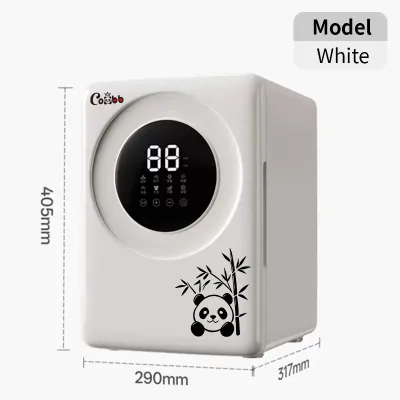
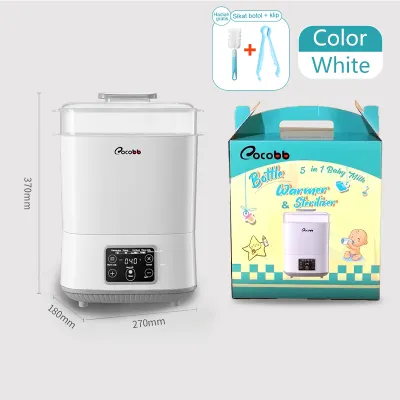
Prices are valid at publication and may change. Please refer to the product page for the latest price.
How to Identify the Cocobb Official Store Online
Navigating online marketplaces requires a discerning eye to separate authorized distributors from unauthorized third-party sellers. When searching for the cocobb official store on major e-commerce platforms, your first line of defense is looking for platform-verified badges. Reputable marketplaces designate authorized brand stores with specific labels such as “Mall,” “Official,” or “Flagship.” These badges indicate that the platform has verified the seller’s business registration, trademark ownership, and authorization to sell genuine products. Always look for these prominent markers on the store’s homepage and product listings before adding any items to your cart.

In addition to platform badges, you should thoroughly cross-reference the store’s profile and operational details. A genuine official store typically displays comprehensive business registration information, a clear return policy, and professional customer service channels. Test the responsiveness of the seller by sending a direct message asking about product specifications, batch numbers, or warranty details. Authentic customer support teams will provide clear, accurate, and professional answers, whereas counterfeit sellers often reply with vague, automated, or poorly translated messages. You can also visit the brand’s verified social media pages or official website to find direct, clickable links to their authorized online storefronts, ensuring you do not land on a copycat page.
It is crucial to avoid relying solely on high seller ratings or positive reviews when evaluating a store’s legitimacy. In the digital marketplace, unauthorized sellers frequently manipulate feedback systems by purchasing fake reviews, inflating their ratings, or using stock images in the comment section to mimic satisfied customers. Instead of looking only at the overall star rating, filter the reviews to read the one-star and two-star feedback. Look for recurring complaints regarding unusual chemical smells, leaking collars, or packaging that arrived without official seals. If multiple buyers report receiving items that look different from the advertised photos, treat the storefront as a high-risk source and redirect your purchase to a verified official channel.
Physical and Packaging Checks for Authentic Cocobb Bottles
Once your package arrives, conducting a thorough physical inspection of the packaging is your next critical step before allowing the bottle to come near your baby. Authentic Cocobb packaging is characterized by high-quality, crisp printing with sharp text, accurate color reproduction, and flawless spelling. Counterfeit boxes often exhibit blurry graphics, faded colors, or spelling mistakes in the product descriptions and safety warnings. Check for the presence of holographic security stickers, tamper-evident seals, or unique scratch-off verification codes on the box. If these seals are broken, peeled, or entirely missing, the integrity of the product inside has been compromised.
After opening the box, examine the physical properties of the bottle itself with close attention to detail. Authentic plastic bottles, particularly those made of PPSU, have a distinct, consistent honey-colored tint and a smooth, crystal-clear finish free of bubbles, cloudiness, or scratches. The measurement markings on a genuine bottle are printed with absolute precision, featuring sharp, easily readable numbers that align perfectly with the bottle’s structure. On counterfeit bottles, these markings may be slightly crooked, blurry, or easily scratched off with a fingernail. Additionally, inspect the silicone nipple; genuine nipples are made of soft, food-grade silicone that feels supple yet resilient, whereas fake nipples often feel stiff, sticky, or excessively thin.
Always look for manufacturer details, batch numbers, or molded tracking codes on the bottom of the bottle or the collar. Genuine manufacturers mold these identifiers directly into the plastic during production to maintain traceability for quality control and potential recalls. You can verify these codes by cross-referencing them with the brand’s current packaging guidelines or by contacting their customer service department directly. Keep in mind that brands occasionally update their packaging designs, color schemes, or logo placements to improve user experience or deter counterfeiters. To ensure accuracy, compare your received item against the latest product images hosted on the verified official store rather than relying on outdated blog posts or older purchase photos.
Red Flags: Common Signs of Counterfeit Baby Bottles
Recognizing the red flags of counterfeit listings and products can save you from making a risky purchase or using a dangerous item. One of the most obvious indicators of a fake product is an unrealistic pricing anomaly. If you encounter a listing offering a Cocobb baby bottle for a fraction of its standard retail price—such as ₱100 when the official store lists it for significantly more—you should immediately suspect a counterfeit. While official stores do run promotional campaigns and holiday sales, they rarely slash prices to a level that falls below the basic cost of food-grade manufacturing materials.
Listing details on online marketplaces also hold valuable clues about a product’s authenticity. Be wary of sellers who use low-resolution stock photos covered in watermarks from other online shops, or those who provide incredibly brief, vague product descriptions. Authentic listings feature high-definition, original photography showing the bottle from multiple angles, alongside detailed specifications regarding materials, age suitability, and usage instructions. If a seller cannot provide clear information about the manufacturer, country of origin, or material composition, it is highly likely they are distributing unauthorized replicas.
If you have already purchased and received the bottle, perform a sensory check before washing it. A strong, pungent chemical or plastic odor emanating from the bottle or nipple is a major red flag, indicating the use of industrial-grade plastics or volatile organic compounds during manufacturing. Inspect the bottle for physical defects such as uneven molding seams, sharp plastic edges, or a collar that does not screw on smoothly. During a test with warm water, check if the nipple collapses easily under light pressure or if water leaks from the collar. If you detect any unusual smells, structural flaws, or poor fits after the initial washing, stop using the bottle immediately and do not feed your baby with it.
When preparing to use any new feeding bottle, always verify the recommended age range, nipple flow rate, and specific sterilization instructions from the manufacturer’s official documentation. Never assume suitability based on the product name alone, and ensure active caregiver supervision during every feeding session. Before purchasing, verify if the product packaging lists compliance with local and international safety standards, and check for any active product recalls on official regulatory databases.
What to Do If You Suspect You Bought a Fake
If your physical inspection or usage test leads you to believe you have received a counterfeit Cocobb bottle, your immediate priority is to protect your baby by stopping all use of the product. Do not attempt to feed your infant with the bottle, and do not store breast milk or formula in it. Once the product is safely set aside, document your findings thoroughly. Take clear, high-resolution photographs and videos of the packaging, focusing on blurry text, missing seals, crooked measurement markings, or physical defects like uneven seams. This visual evidence will be crucial for securing a refund and reporting the fraudulent seller.
Next, initiate a formal return and refund request through the buyer protection program of the e-commerce platform where you made the purchase. Upload your documented photos and videos as evidence, clearly stating that the item received is a counterfeit product that poses a safety hazard to an infant. Most major online marketplaces have strict policies against the sale of counterfeit goods and will freeze the seller’s payout while investigating your claim. Avoid communicating with the seller outside the platform’s official chat system, as unauthorized sellers may attempt to persuade you to close the dispute in exchange for a partial refund or a replacement fake.
To help protect other parents in the parenting community, report the suspicious listing and the seller’s storefront directly to the platform’s customer support team. Providing your evidence helps the platform take swift action, which may include suspending the seller’s account or removing the fraudulent listings entirely. Finally, consider reaching out to the official Cocobb customer service department through their verified website or social media channels. Sharing the seller’s store name, listing link, and photos of the counterfeit product helps the brand monitor unauthorized supply chains, update their anti-counterfeiting measures, and guide you toward safe, authentic purchasing options.
Frequently Asked Questions (FAQ)
Can I sterilize a suspected fake Cocobb bottle to make it safe?
No, sterilizing a suspected counterfeit bottle through boiling, steam, or UV light will not make it safe for your baby. Sterilization is designed to eliminate biological pathogens like bacteria and viruses, but it cannot alter the chemical composition of the raw materials used to manufacture the bottle. If the counterfeit bottle is made from low-grade, industrial plastics, exposing it to high temperatures or UV radiation can actually accelerate the degradation of the material, causing toxic chemicals or heavy metals to leach into the milk. Food-grade safety relies entirely on the quality of the raw materials used during the initial manufacturing process, which cannot be corrected by cleaning.
Do authentic Cocobb bottles always come with a physical warranty card?
Authentic Cocobb baby bottles do not always include a physical warranty card inside the packaging, as many modern baby brands have transitioned to digital registration systems or rely on your official store purchase receipt as proof of warranty. To verify the current warranty policies and registration methods, you should check the brand’s official website or contact their verified customer support. When purchasing from the official store, your digital invoice and order history serve as valid proof of purchase for any future claims. Always retain your digital receipts and transaction records from authorized sellers, as third-party receipts from unverified stores will not be honored for warranty services.
Community discussion
Share your experience or ask a question. Comments are reviewed before publication.