
To verify if the Baby Buddy weaning products you are buying online are authentic, you must check the seller’s credentials, inspect the packaging details upon arrival, and examine the physical characteristics of the items. Genuine weaning gear is made from food-grade materials that meet strict safety standards, whereas counterfeit alternatives often use unverified plastics or silicone that can degrade quickly under tropical heat and humidity. By purchasing directly from official brand stores on major online marketplaces or authorized local retailers, you can protect your baby from the hazards of substandard materials.
Why Authenticity Matters for Baby Weaning Gear
When your baby transitions to solid foods, the safety of their tableware and water cups is paramount. During this developmental stage, infants frequently chew on their spoons, bowls, and cup rims to soothe teething gums. Genuine weaning products are manufactured to comply with strict material safety standards, ensuring they are free from harmful chemicals like Bisphenol A (BPA), phthalates, and heavy metals. Counterfeit products, however, bypass these regulatory checks and may contain industrial-grade plastics or low-quality silicone that can leach chemicals when exposed to warm food or sterilized in boiling water.
In a tropical climate like the Philippines, high ambient temperatures and humidity can accelerate the degradation of low-quality materials. Substandard plastics may become brittle, while cheap silicone can develop a sticky residue or emit strong chemical odors when exposed to sunlight or steam sterilization. These material failures not only compromise food safety but also pose immediate physical risks to your child.
Products mentioned in this guide
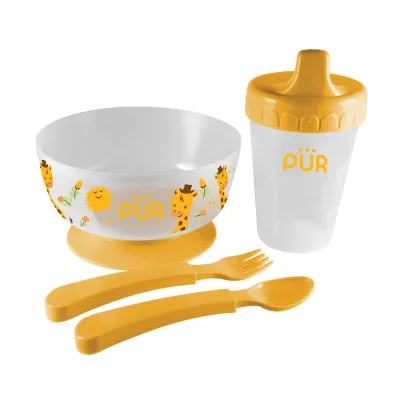
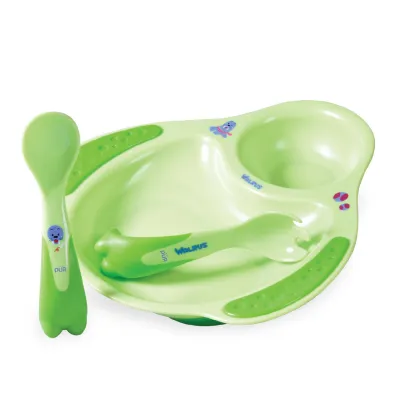
Prices are valid at publication and may change. Please refer to the product page for the latest price.
Poorly manufactured weaning gear often suffers from structural defects that can lead to choking hazards. Weak suction bases on plates, easily detachable straw valves, or brittle plastic handles can break off during use. Genuine brands design these components to withstand daily wear, frequent washing, and the enthusiastic handling of a developing infant.
Furthermore, purchasing authentic products ensures you have access to manufacturer warranties, reliable customer support, and product recall tracking. If a design flaw is discovered, authorized distributors can notify you immediately. With counterfeit items, there is no recourse or accountability if a component fails and causes harm.
How to Identify Genuine Baby Buddy Products
Verifying the authenticity of your baby’s weaning gear requires a close inspection of the packaging and the physical product immediately upon delivery. Authentic manufacturers maintain high production standards that counterfeiters rarely replicate.

First, examine the packaging quality. Genuine boxes feature crisp, high-resolution printing with clear, legible text. Look for intact security seals and correct brand logos without any blurring, color bleeding, or pixelation. The cardboard should feel sturdy enough to protect the contents during transit, rather than flimsy or easily crushed.
Next, inspect the product markings on the tableware or cups. Genuine items typically have molded brand names, batch codes, or material indicators (such as food-grade silicone symbols) embossed directly onto the base of the cups, plates, or bowls. These markings should be clean, sharp, and perfectly aligned, rather than shallow, distorted, or completely missing.
The build quality of the materials is another reliable indicator. Authentic food-grade silicone has a smooth, consistent texture that does not attract excessive dust or feel sticky. Plastics should be clear, uniform, and free from sharp edges or rough seams left by poor molding processes. Test the suction mechanisms on flat surfaces; genuine suction bases are designed to hold firmly to highchair trays.
Finally, check the included documentation. Authentic weaning products almost always come with official instruction manuals, care guides, and safety warning cards printed on quality paper. If the box contains only a generic slip of paper with poor translations or lacks safety instructions entirely, the product is likely counterfeit.
Red Flags of Counterfeit Baby Tableware
Recognizing the warning signs of counterfeit baby gear before or after making a purchase can save you from using unsafe products. Online marketplaces host numerous third-party sellers, making vigilance essential.
A suspiciously low price is often the first warning sign. If a listing offers a weaning set or water cup at a fraction of the standard retail price found in major department stores or official online outlets, you should proceed with extreme caution. While promotions and discounts occur, prices that seem too good to be true usually indicate a counterfeit item.
Physical anomalies upon opening the package are immediate red flags. Genuine silicone and food-grade plastics are odorless. If you notice a foul chemical smell, unusual discoloration, or a greasy residue on the surface of the cups or spoons, do not use them. These are signs of cheap chemical stabilizers that are unsafe for food contact.
Flimsy packaging with misspelled words, grammatical errors, or missing safety text is another clear indicator of a fake. Legitimate brands must comply with local labeling laws, which require clear age recommendations, material listings, and manufacturer contact details on the box.
Lastly, poor functional performance can reveal a counterfeit. If the suction base fails to stick to a clean, flat surface, or if the edges of the plastic spoons are sharp enough to scratch your baby’s sensitive gums, the product does not meet genuine manufacturing standards. Stop using any item that exhibits these physical defects.
Where to Buy: Navigating Official Stores and Authorized Retailers
The most effective way to avoid counterfeit weaning products is to buy exclusively from verified sources. Knowing how to identify authorized sellers online and offline ensures you receive genuine, safe products.
When shopping on major ecommerce platforms, look for the official brand store or authorized flagship store. These stores usually carry a verified badge or mall status, indicating that the platform has verified their business registration and authorization from the brand. Avoid buying from random third-party sellers who use stock images and have generic store names.
Before completing your checkout, take time to check the seller’s ratings and customer reviews. Look for detailed feedback from other parents, particularly those who mention the packaging, material quality, and authenticity of the items. Be wary of stores with very few ratings, a high volume of generic five-star reviews, or restrictive return policies that make it difficult to get a refund.
In the Philippines, you can verify authorized physical retailers, specialized baby shops, or major pharmacy chains that partner with official distributors. Purchasing from these established brick-and-mortar stores provides peace of mind, as their supply chains are strictly monitored.
Be cautious of unauthorized resellers, parallel imports, and secondhand markets. While parallel imports may occasionally be genuine, they do not come with local distributor warranties or customer support. Secondhand weaning items are generally discouraged due to hygiene concerns and the natural wear and tear that can compromise material safety over time.
What to Do If You Suspect a Counterfeit Purchase
If you receive a weaning product and suspect it is counterfeit, taking immediate action is crucial for your baby’s safety and your consumer rights.
First, stop using the product immediately. Do not attempt to wash, sterilize, or test the item with food if you suspect it is unsafe. Your baby’s health should never be compromised for the sake of testing a suspicious product.
Next, document the item thoroughly. Take clear, high-resolution photos of the packaging, shipping labels, receipts, order details, and the specific physical flaws or missing markings on the product. This evidence will be vital for securing a refund.
Initiate a return or refund request through the ecommerce platform’s buyer protection program right away. Most platforms have strict windows for filing disputes, so do not delay. State clearly that you suspect the item is counterfeit and upload your photographic evidence.
Finally, report the suspicious seller to the platform’s customer support to help prevent other parents from purchasing unsafe gear. You can also notify the brand’s official customer service channel, providing them with the seller’s store name and product photos, which helps them track down unauthorized manufacturers.
Frequently Asked Questions (FAQ)
Can I verify Baby Buddy products using a QR code or app?
You should check the product packaging for any official QR codes, holographic stickers, or verification links provided by the manufacturer. However, keep in mind that not all genuine baby products feature digital tracking systems, making physical and packaging inspections your primary line of defense. Never scan unverified QR codes printed on loose inserts, as they may lead to unrelated third-party promotional sites or phishing pages.
Are slightly different packaging designs a sign of a fake?
Not necessarily, as brands occasionally update their packaging, color options, or minor design elements over time to refresh their look or comply with updated labeling regulations. To confirm if a design change is legitimate, check the brand’s official website or verified social media channels for recent announcements. Poor print quality, pixelated graphics, or missing safety warnings are much stronger indicators of a counterfeit than a clean, professional packaging update.
Community discussion
Share your experience or ask a question. Comments are reviewed before publication.