
Caring for a baby’s delicate skin requires a gentle touch, especially when dealing with diaper rash and localized skin irritations. Mustela Cicastela Moisture Recovery Cream is formulated to help soothe and protect compromised skin areas, but its effectiveness relies heavily on proper application and hygiene. In tropical climates like the Philippines, where high humidity and heat can quickly worsen skin chafing and trap moisture, mastering the correct application technique is essential. By ensuring the skin is clean and completely dry before applying a targeted layer of cream, caregivers can support the skin’s natural recovery process and keep their little ones comfortable.
Recognizing When to Use Mustela Cicastela Cream
Before applying any topical product, caregivers must carefully evaluate the baby’s skin condition to ensure the cream is appropriate for the situation. Mustela Cicastela is designed for minor, superficial skin irritations, such as mild diaper redness, superficial scratches, dry patches, and chafing in skin folds. These common issues often present as light pinkness or dry, rough spots that do not cause extreme distress to the baby.
It is vital to check the product label to verify age suitability, weight guidelines, and specific usage indications provided by the manufacturer. Skincare products can have different formulations, and verifying that a product is approved for your baby’s specific developmental stage is a necessary safety step. Reading the packaging carefully ensures you are using the product exactly as intended by the manufacturer.
Products mentioned in this guide
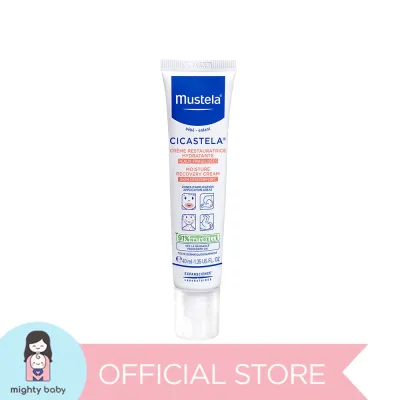
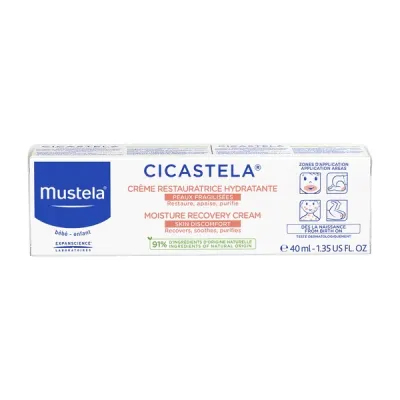
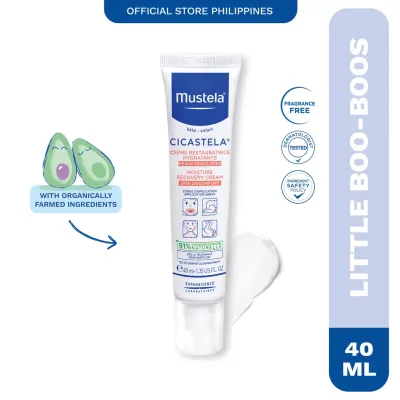
Prices are valid at publication and may change. Please refer to the product page for the latest price.
Caregivers must also learn to distinguish these minor irritations from severe or infected skin conditions that require immediate medical attention. If the diaper area or skin irritation exhibits intense redness, swelling, open sores, bleeding, or pus-filled blisters, these are clear indicators of a more serious issue, such as a bacterial or fungal infection. In such cases, or if the baby develops a fever or shows signs of extreme discomfort, you should bypass home care and consult a pediatrician immediately for a proper diagnosis and treatment plan.
Step-by-Step Application for Diaper Rash
Applying diaper rash cream effectively requires a systematic, hygienic routine during diaper changes to prevent further irritation and maximize the protective qualities of the cream. The first and most critical step is thoroughly cleaning the diaper area. Use lukewarm water and a soft cloth, or gentle, fragrance-free baby wipes, to wipe away any urine or stool. Avoid harsh rubbing, which can further damage the compromised skin barrier.

Once the area is clean, ensuring the skin is completely dry before application is paramount. In a warm, humid environment, moisture can easily become trapped beneath a layer of cream, creating an ideal breeding ground for yeast and bacteria. Gently pat the skin dry with a clean, soft towel, or allow the area to air-dry for a few minutes. This brief period of air exposure is highly beneficial for irritated skin.
Next, wash your hands thoroughly with soap and water before dispensing the cream. Check the product packaging for specific instructions on the amount to use. Squeeze a small, appropriate amount of cream onto your fingertips. When applying the cream to the baby’s skin, use a gentle patting or dabbing motion rather than a heavy rubbing motion. This minimizes friction on the sensitive, inflamed skin and ensures an even distribution over the affected areas.
Focus the application on the areas of redness and irritation, ensuring you cover the skin folds where friction from the diaper is most common. The goal is to create a light, protective barrier that shields the skin from wetness and friction without clogging the pores or trapping unwanted moisture. Once the cream is applied, put on a clean, dry diaper, ensuring it is not fastened too tightly, as airflow is crucial for healing.
Adapting the Routine for Face and Body Irritations
Mustela Cicastela is versatile enough to be used on areas outside the diaper zone, such as the face, neck, and limbs, but these areas require a slightly adjusted application approach. When treating minor irritations, dry patches, or superficial scratches on the face or neck folds, caregivers should use a much smaller quantity of cream. The skin on a baby’s face is exceptionally delicate and does not require the same barrier thickness as the diaper area.
Safety boundaries must be strictly observed when applying any cream to a baby’s face. Always keep the product away from the eyes, mouth, and mucous membranes to prevent accidental ingestion or irritation. If the baby has dry patches around the mouth or cheeks, apply the cream with extreme care, ensuring it is fully absorbed and cannot be easily wiped into the mouth or eyes by the baby’s hands.
Caregivers should also observe how different areas of the baby’s body absorb the cream. For instance, dry patches on the elbows or knees may absorb the cream quickly and benefit from a slightly more generous application, while skin folds on the neck or thighs, which are prone to sweating in tropical weather, require a very thin, well-rubbed-in layer to prevent sweat retention. Adjusting the thickness of the layer based on the specific body part helps maintain the skin’s natural balance.
Determining Application Frequency and Duration
To achieve the best results while maintaining skin health, caregivers must establish a consistent application frequency and monitor the baby’s skin progress over time. Always start by consulting the manufacturer’s recommended daily frequency found on the product label or official instructions. This guidance is formulated based on the product’s specific ingredients and concentration, providing a safe baseline for daily use.
Once you begin the routine, establish a reasonable observation window—typically a few days—to assess whether the skin is showing signs of improvement. You should look for a gradual reduction in redness, a smoothing of dry patches, and an overall improvement in the baby’s comfort level during diaper changes. Keeping a close eye on these daily changes helps you determine if the product is working effectively.
Based on your observations, you can adjust the application routine accordingly. As the skin heals and returns to its normal, healthy state, you can gradually reduce the frequency of application before stopping use entirely. Conversely, if you do not observe any noticeable improvement within the recommended observation window, or if the skin condition appears to plateau, it is advisable to stop using the cream and consult a healthcare professional for further guidance.
Safety Boundaries and When to Consult a Pediatrician
While over-the-counter creams are highly useful for daily baby care, establishing clear safety boundaries is essential for protecting your baby’s health. Caregivers should perform a basic visual check for adverse reactions every time they apply the cream. Look closely for any signs of localized sensitivity, such as increased redness, sudden swelling, or the development of new, itchy rashes immediately after application. If any of these signs appear, it may indicate an individual sensitivity to an ingredient.
Recognizing the signs of a potential infection is another critical responsibility for caregivers. If the irritated skin begins to ooze clear or yellow fluid, develops crusts, feels unusually warm to the touch, or if the redness spreads rapidly beyond the original area, these are strong indicators of an infection. Additionally, if the baby develops a fever, becomes unusually irritable, or shows signs of pain when the area is touched, these are red flags that require immediate professional medical evaluation.
The protocol for handling any of these warning signs is straightforward: discontinue use of the cream immediately and wash the area gently with plain water. Do not attempt to apply other creams or home remedies to cover up the reaction. Contact a qualified pediatrician or healthcare professional right away to ensure your baby receives the correct diagnosis and a safe, effective treatment plan tailored to their specific needs.
Frequently Asked Questions (FAQ)
Can I use Mustela Cicastela cream on a newborn?
When considering any skincare product for a newborn, caregivers must exercise extreme caution due to the highly sensitive and underdeveloped nature of newborn skin. Always check the specific age recommendations and suitability guidelines printed on the product packaging by the manufacturer. Before applying any new cream or lotion to a newborn’s skin, it is highly recommended to consult a pediatrician to ensure the product is safe and appropriate for their delicate skin barrier.
Should I apply the cream thickly or thinly?
The thickness of the application depends on the specific area being treated and the manufacturer’s instructions. For diaper rash, a moderate, visible layer is often recommended to create an effective barrier against wetness, but it should not be so thick that it prevents the skin from breathing. For face and body irritations, a very thin layer that is gently patted into the skin is usually best to avoid clogging pores, especially in warm, humid climates.
Can I use it alongside other diaper rash ointments?
It is generally not advisable to layer multiple diaper rash ointments or active skincare treatments simultaneously unless specifically directed by a healthcare professional. Mixing different products can lead to ingredient conflicts, skin irritation, or trapped moisture, which can worsen the rash. To ensure safety and monitor effectiveness, stick to a single, consistent routine with one product, and consult a doctor before combining any treatments.

Community discussion
Share your experience or ask a question. Comments are reviewed before publication.