
Integrating milking bombs by abc into your daily breastfeeding routine requires first understanding exactly what product type you have and aligning its use with your body’s natural lactation patterns. Because the term “milking bombs” can refer to either edible lactation treats or physical milk collection devices, your first step is to verify the physical form of your product. Successfully incorporating these tools into your day involves maintaining strict hygiene, optimizing your feeding environment, and tracking your body’s response. Breastfeeding is fundamentally a demand-and-supply process, meaning that any supplement or device is meant to support, not replace, frequent and effective milk removal. By establishing a structured routine, you can safely evaluate how these products fit into your lactation journey while prioritizing your comfort and your baby’s health.
Identifying Your Milking Bombs and Checking Manufacturer Guidelines
Before introducing any new product into your postpartum routine, you must verify its exact form and read the manufacturer’s packaging carefully. The term “milking bombs” is used in the mother-and-baby market to describe two entirely different types of products: edible lactation supplements, such as dense herbal bites or truffles, and physical breast milk collection devices, such as silicone shells or suction cups. Consuming an edible product requires a completely different safety protocol than applying a physical device to your skin, making this initial identification critical for your safety.
Once you have confirmed the product type, locate the manufacturer’s specific instructions on the packaging or the official insert. For edible supplements, look for the recommended serving size, the maximum daily limit, and the suggested timing relative to your feeding sessions. For physical collection devices, check for guidelines regarding maximum wear times, proper positioning, and sterilization limits. Never assume that instructions for one brand apply to another, as ingredient concentrations and material specifications vary widely.
Products mentioned in this guide



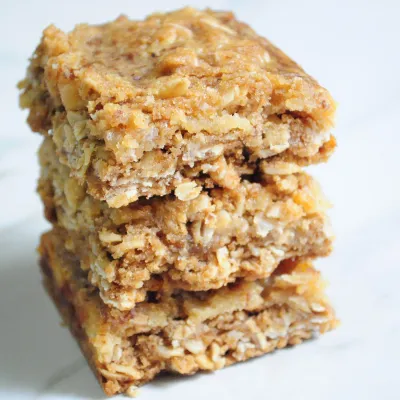




Prices are valid at publication and may change. Please refer to the product page for the latest price.
Finally, carefully inspect the label for allergen warnings, material safety certifications, and health contraindications. Edible lactation supplements often contain concentrated herbs, seeds, or dairy products that could trigger allergic reactions in you or your baby. Physical devices should be checked for material safety labels, ensuring they are made of food-grade, BPA-free silicone. If you have pre-existing health conditions, or if your baby was born prematurely or has specific health vulnerabilities, consult your healthcare provider before using these products.
Preparing for Your Breastfeeding or Pumping Session
Establishing a clean and calm preparation routine is essential before you use any lactation support product. Start by washing your hands thoroughly with soap and warm water for at least twenty seconds to prevent the transfer of harmful bacteria to your breasts or feeding equipment. If you are using a physical milk collection device, ensure it has been thoroughly cleaned and sterilized according to the manufacturer’s instructions. In warm, humid tropical climates, moisture can quickly encourage bacterial growth on damp surfaces, making prompt drying and proper storage of your equipment highly important.

Next, focus on creating a comfortable, stress-free environment for your feeding or pumping session. Stress and physical discomfort can elevate cortisol levels, which can actively inhibit the release of oxytocin, the hormone responsible for your milk let-down reflex. Find a supportive chair, adjust the room temperature to a comfortable level, and minimize distractions. Taking a few minutes to relax, practice deep breathing, or look at photos of your baby can naturally encourage your milk to flow more freely.
Additionally, keep adequate hydration and standard nutritional support within arm’s reach. Producing breast milk requires a significant amount of fluid, and staying hydrated is a fundamental requirement for maintaining your supply, especially in warm weather. Keep a large bottle of water or a refreshing, non-caffeinated beverage nearby to sip throughout your session. Remember that lactation supplements are designed to complement a balanced diet, so maintaining regular, nutritious meals remains your primary source of energy and nutrients.
Step-by-Step Guide to Incorporating Milking Bombs
To get the most out of your milking bombs by abc, you must follow a structured application process tailored to the specific product form you are using.
For Edible Lactation Supplements
If your product consists of edible lactation bites or treats, timing is key to aligning their ingredients with your body’s natural feeding rhythms. Read the product label to determine the recommended consumption window, which is often thirty to sixty minutes before you plan to nurse or pump. This timing allows your digestive system to begin processing the ingredients so they can support your session.
Measure out the exact serving size specified by the manufacturer and consume it with a full glass of water to aid digestion and absorption. Do not exceed the recommended daily serving in an attempt to accelerate results, as overconsumption of certain herbal ingredients can cause digestive upset for both you and your baby. Integrate these treats into your daily routine at consistent times, such as during your morning session or before your evening pump, to help your body establish a predictable pattern.
For Physical Milk Collection Devices
If your product is a physical silicone collection device designed to catch let-down milk, proper positioning is crucial to avoid discomfort and tissue damage. Begin by gently pressing the device to create a light vacuum, then center your nipple carefully within the opening before releasing your grip to secure the suction. The suction should feel secure but gentle; it should never cause pinching, pulling, or sharp pain.
Position the device on the non-nursing breast while your baby feeds on the opposite side, allowing it to catch the passive let-down milk that naturally flows during a feed. Avoid leaving physical collection devices on your breast for extended periods beyond the manufacturer’s recommended wear time, as prolonged suction or trapped moisture can irritate the skin and compress milk ducts. Once the session is complete, gently break the suction seal with your finger, pour the collected milk into a sterile storage container, and clean the device immediately.
Tracking Your Routine
Regardless of the product form, keeping a detailed daily log is the most reliable way to measure progress and identify patterns. Use a notebook or a mobile tracking app to record the times you use the product, the duration of your nursing or pumping sessions, and the volume of milk collected. Note any physical sensations, changes in your breast fullness, or variations in your baby’s feeding behavior. This consistent tracking provides objective data that you can review over several weeks to determine how the product fits into your overall routine.
Monitoring Your Milk Supply and Baby's Response
Evaluating the impact of any lactation aid requires careful observation of both your physical output and your baby’s overall well-being. To assess your milk supply objectively, monitor the frequency of your baby’s wet and dirty diapers, which is the most reliable indicator of adequate milk intake. A well-hydrated baby typically produces at least six wet diapers a day, with pale, odorless urine. Additionally, observe your baby’s behavior after feeds; a satisfied baby will generally release the breast spontaneously, relax their hands, and settle into a calm state or sleep.
If you are consuming edible supplements, pay close attention to your own digestive health and any changes in your baby’s comfort. Some herbal ingredients can cause mild side effects, such as gas, bloating, or changes in bowel movements for either the mother or the infant. If you notice your baby becoming unusually fussy, colicky, or developing a skin rash after you start using the product, these may be signs of sensitivity to an ingredient.
For those using physical collection devices, conduct regular skin checks on your breasts and nipples. Inspect the tissue immediately after removing the device for signs of redness, deep indentation marks, bruising, or localized pain. The warm, humid climate can make skin more susceptible to friction sores and yeast infections when moisture is trapped against the body. If you experience persistent soreness or notice skin breakdown, temporarily stop using the device and verify that you are using the correct flange size or suction level.
When to Stop Use or Consult a Lactation Professional
While lactation aids can be helpful additions to your routine, your safety and your baby’s health must always come first. Discontinue the use of any edible supplement or physical device immediately if you experience severe physical discomfort, allergic reactions, or persistent pain. Signs of an allergic reaction can include hives, itching, swelling, or difficulty breathing, which require immediate medical attention. Similarly, if your baby shows signs of severe digestive distress, unusual lethargy, or persistent fussiness, stop using the product and consult your pediatrician.
It is important to seek professional guidance if you have ongoing concerns about your milk supply or if you suspect an underlying medical issue. A certified lactation consultant or a healthcare provider can evaluate your breastfeeding latch, assess your baby’s weight gain, and help you address the root causes of low milk supply. Lactation aids are designed to support a healthy routine, but they cannot replace the personalized clinical advice and hands-on support provided by a trained professional.
Avoid the temptation to increase your consumption of edible supplements or the wear time of physical devices beyond the manufacturer’s stated limits. Artificially forcing higher milk production through excessive use can lead to painful complications, such as engorgement, plugged milk ducts, or mastitis. Trust the recommended guidelines, listen to your body, and prioritize a holistic approach to lactation that balances physical comfort with professional medical support.
Frequently Asked Questions (FAQ)
Can I use milking bombs while exclusively pumping?
Yes, you can integrate these products into an exclusive pumping schedule by aligning their use with your pumping sessions. If you are using edible supplements, consume them according to the manufacturer’s recommended timeframe before your scheduled pumping sessions to support your body’s natural response. If you are using physical collection devices, you can use them on the opposite breast while single-pumping, or use them between sessions to catch unexpected leaks, provided you do not exceed the recommended wear times.
How long does it take to see results from lactation support products?
The timeframe for observing changes varies significantly from person to person, as every mother’s body and lactation journey are unique. Many manufacturers suggest tracking your output consistently for several days to a week to evaluate the product’s impact. Remember that consistent, frequent milk removal through nursing or pumping is the primary driver of milk production, and these products are meant to support that core process rather than act as a quick fix.
Are there specific ingredients or materials I should check on the label?
Yes, you should always inspect the product label for ingredients and materials to ensure they are safe for you and your baby. For edible supplements, check for common allergens like gluten, dairy, or soy, and research any herbal ingredients to ensure they do not conflict with your personal health history. For physical collection devices, verify that the packaging explicitly states the product is made from 100% food-grade, BPA-free silicone to ensure no harmful chemicals come into contact with your breast milk.
Community discussion
Share your experience or ask a question. Comments are reviewed before publication.