
Using breast milk storage bags correctly is essential for preserving the nutritional value of breast milk and keeping it safe for your baby. In a tropical climate like the Philippines, where high humidity and warm ambient temperatures can accelerate bacterial growth, mastering the steps of expressing, sealing, freezing, and thawing is a fundamental skill for breastfeeding mothers. Whether you are returning to work, building a freezer stash, or pumping occasionally, following a systematic approach ensures that every drop of your liquid gold is preserved under optimal conditions.
Selecting high-quality, food-grade, and BPA-free storage bags is the first step in this journey. These specialized bags are thicker than standard household zip bags and are specifically designed to withstand the freezing and thawing process without bursting. By understanding the proper techniques for handling and storing these bags, you can confidently feed your baby safe, nutrient-rich milk even when you are away.
Preparing for Safe Milk Collection
Establishing a hygienic baseline before you begin pumping is critical to preventing contamination. Always wash your hands thoroughly with soap and clean water for at least 20 seconds before handling any pumping equipment or storage bags. In humid environments, damp hands can easily transfer bacteria to sterilized surfaces, so dry your hands completely with a clean, single-use paper towel or let them air dry.
Products mentioned in this guide
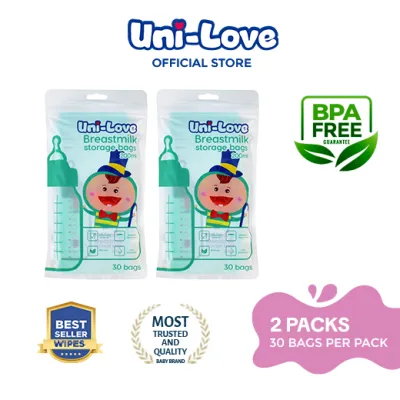
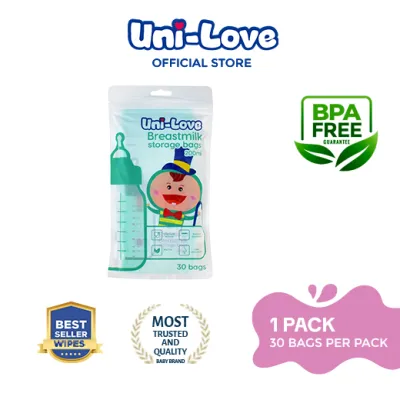
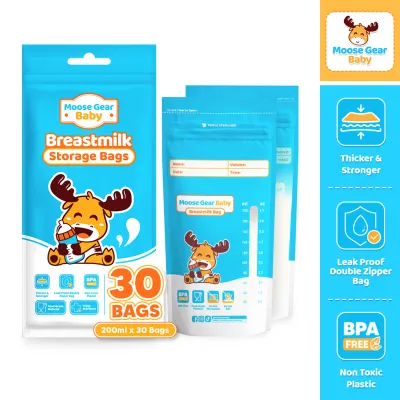
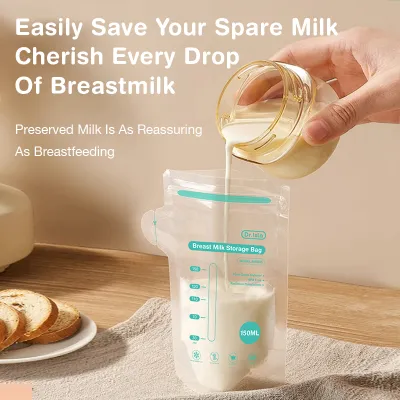
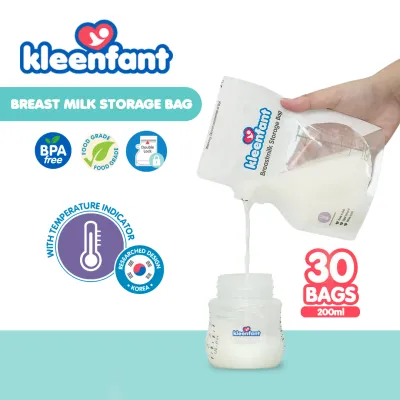
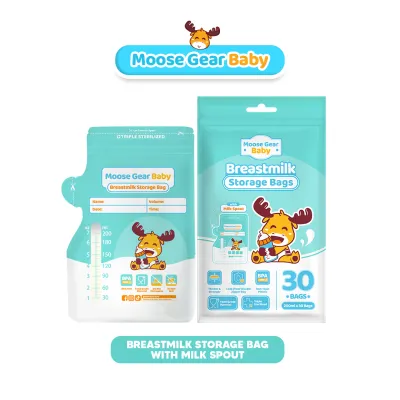
Prices are valid at publication and may change. Please refer to the product page for the latest price.
Clean and sanitize all breast pump parts that come into contact with your milk according to the manufacturer’s instructions. After sanitizing, ensure all parts are completely dry before assembly, as residual moisture can become a breeding ground for mold and bacteria. Placing parts on a dedicated, clean drying rack in a well-ventilated area helps maintain their cleanliness.
Before opening a new milk storage bag, inspect it carefully for any signs of damage. Check the outer packaging and individual bags for tears, compromised zip seals, or manufacturing defects. If a bag appears punctured or has a faulty seal, discard it immediately to avoid leaks and contamination during storage.
Setting up a clean, dedicated workspace is the final step in your preparation. Wipe down the table or countertop where you will place your pump, bottles, and bags with a food-safe sanitizer. Keeping your workspace organized and free of household clutter minimizes the risk of accidentally knocking over filled containers or exposing open bags to airborne contaminants.
Pumping and Filling the Storage Bags
Transferring breast milk into storage bags requires care to avoid spills and maintain sterility. Many modern breast pumps allow you to connect the storage bag directly to the pump flange using specialized adapters. This direct-pump method is highly efficient as it eliminates the need to transfer milk from a collection bottle, reducing the risk of spills and exposure to environmental contaminants.

If your pump is not compatible with direct-bag attachment, you will need to pour the milk from a collection bottle into the bag. Place the bag on a flat, clean surface and carefully open the zip seal. Hold the bag open by the outer edges of the collar, taking great care not to touch the inside of the bag or the inner tracks of the zip seal with your fingers.
Slowly pour the milk into the bag, keeping an eye on the measurement markings. It is crucial to leave at least an inch of empty space at the top of the bag rather than filling it to the very brim. Liquid expands when frozen, and overfilling the bag will put immense pressure on the seams, often causing them to split or leak during the freezing or thawing process.
Once the bag is filled to the appropriate level, handle it gently to protect the structural integrity of the seams. Avoid squeezing the bottom of the bag or dropping it onto hard surfaces. Place the filled bag upright in a clean container or cup to keep it stable while you prepare to seal and label it.
Sealing, Labeling, and Storing Breast Milk
Properly sealing your milk storage bags protects the contents from freezer burn and external odors. To seal the bag, gently press the air out of the empty space above the milk line by sliding your fingers upward toward the zipper. Removing excess air not only prevents freezer burn but also allows the bag to lay flatter, which optimizes storage space in your freezer.
Run your fingers firmly along the double-zip seal multiple times to ensure it is completely locked from end to end. To verify the seal is secure, gently turn the bag upside down over a clean sink or container and press it lightly. If you notice any droplets escaping, the seal is incomplete or the bag is defective, and the milk should be transferred to a new bag.
Labeling each bag immediately after sealing is essential for maintaining an organized and safe inventory. Use a permanent, non-toxic marker to write the date, time of expression, and the volume of milk on the designated label area. Never write directly on the main body of the bag where the milk is stored, as the ink can potentially migrate through the plastic or the pen tip could puncture the material.
Organize your stored milk using the “first-in, first-out” (FIFO) method to ensure older milk is used before newer batches. You can achieve this by storing the bags chronologically in a dedicated plastic bin or organizer inside your freezer. Placing the oldest bags at the front or top makes them easily accessible for daily feedings.
Always consult current pediatric or local health authority guidelines to verify the safe storage duration limits for your specific setup. While general standards exist for room temperature, refrigerator, and freezer storage, these limits can vary based on your appliance’s temperature stability. In tropical regions, keeping a close eye on appliance performance and maintaining a consistent freezing environment is especially important.
Safe Thawing and Warming Practices
Thawing frozen breast milk safely preserves its immunological properties and prevents bacterial growth. The most recommended method is to transfer the frozen bag from the freezer to the refrigerator and let it thaw slowly overnight. If you need the milk immediately, place the sealed bag under cool running water, gradually increasing the temperature to lukewarm, or submerge the bag in a bowl of warm water.
Never use a microwave or boiling water to thaw or warm breast milk. Microwaves heat unevenly, creating dangerous hot spots that can burn your baby’s mouth, and the intense heat can destroy the delicate proteins, antibodies, and nutrients in the milk. Boiling water can also overheat the milk and compromise the plastic material of the storage bag, leading to chemical leaching or tearing.
During storage, breast milk naturally separates into a watery layer and a thick, creamy fat layer that rises to the top. Once the milk is fully thawed, gently swirl the bag in a circular motion to redistribute the fat layers throughout the liquid. Avoid shaking the bag vigorously, as aggressive agitation can damage the protective bioactive components of the milk.
Once breast milk has been completely thawed, it must never be refrozen. Refreezing thawed milk alters its molecular structure and significantly increases the risk of bacterial contamination. If your baby does not finish a bottle during a feeding, discard any leftover milk within the timeframe recommended by your pediatrician or lactation consultant to prevent illness from bacteria introduced by the baby’s saliva.
Common Mistakes to Avoid with Milk Storage Bags
Avoiding common pitfalls when using milk storage bags will save you from the heartbreak of spilled milk and spoiled batches. Overfilling is one of the most frequent mistakes parents make. Always respect the maximum fill line indicated on the bag, keeping in mind that the volume markings are estimates and leaving adequate headspace is non-negotiable for safe freezing.
Another critical error is storing milk bags in the freezer door. The door is the warmest part of the freezer and is subject to constant temperature fluctuations every time the freezer is opened and closed. These temperature swings can cause partial thawing and refreezing, which degrades the quality of the milk; instead, store your bags deep inside the main compartment of the freezer.
Never attempt to wash, sanitize, and reuse single-use plastic milk storage bags. These bags are manufactured and sterilized for one-time use only. Washing them with dish soap or exposing them to high heat in a sterilizer can degrade the plastic, create microscopic tears, and fail to eliminate deep-seated bacteria, posing a severe health risk to your infant.
When freezing your milk, consider whether to lay the bags flat or stand them upright. Laying the bags completely flat on a clean baking sheet or freezer shelf during the initial freezing phase is highly recommended. Once frozen solid, these flat, uniform blocks can be stacked vertically or horizontally like files in a cabinet, which maximizes your freezer space and allows the milk to thaw much faster and more evenly.
Frequently Asked Questions (FAQ)
Can I combine breast milk from different pumping sessions in one bag?
Yes, you can combine breast milk from different pumping sessions, but you must follow strict temperature guidelines to do so safely. Always cool freshly expressed breast milk in the refrigerator before adding it to already chilled milk from an earlier session. Avoid pouring warm, freshly pumped milk directly onto cold or frozen milk, as the heat can raise the temperature of the existing milk and encourage bacterial growth. When combining batches, always label the bag with the date and time of the oldest milk collected to ensure you use the entire batch within the safe storage window.
Are milk storage bags reusable?
Standard plastic milk storage bags are strictly single-use and must be discarded after one feeding. The thin plastic and zip-seal mechanisms are not designed to withstand the wear and tear of washing, sanitizing, and multiple uses, which can lead to leaks and bacterial contamination. If you are looking for an eco-friendly or cost-effective alternative, you can purchase reusable silicone breast milk storage containers or food-grade silicone bags. Ensure these reusable options are explicitly labeled by the manufacturer as dishwasher-safe and sterilizer-safe, and always follow their specific cleaning instructions.
Community discussion
Share your experience or ask a question. Comments are reviewed before publication.