
Starting your journey with cotton lampin is a practical, eco-friendly, and budget-conscious choice for your baby. In tropical climates like the Philippines, where heat and humidity are constant, traditional cotton gauze or bird’s eye weave lampin provides exceptional breathability that helps keep your baby’s skin cool and dry. While modern disposable diapers offer convenience, they can trap heat and moisture, increasing the risk of painful diaper rashes. Transitioning to cloth diapering with lampin might seem intimidating at first, but mastering a few basic folds and establishing a simple laundry routine will quickly make it a seamless part of your daily baby care.
To begin using cotton lampin successfully, you need to gather a few basic supplies, learn how to fold the fabric to match your baby’s developmental stage, and understand how to wash the cotton to maintain its natural absorbency. This guide walks you through every step of the process, ensuring you feel confident and prepared.
What to Prepare Before Your First Cloth Diaper Change
Before you make the switch, assembling a complete starter kit will save you time and reduce stress during diaper changes. The foundation of your kit is the cotton lampin itself. Look for 100% cotton options, which are highly breathable and gentle on sensitive newborn skin. You will need a minimum of two to three dozen lampin squares or rectangles to ensure you always have a clean diaper on hand while others are in the wash.
Products mentioned in this guide




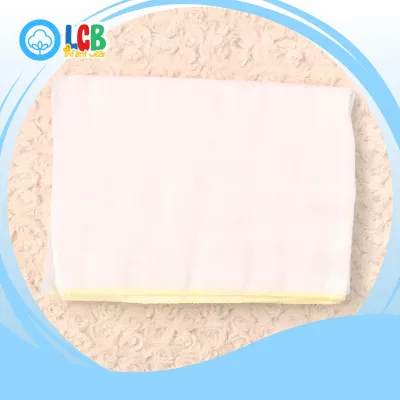

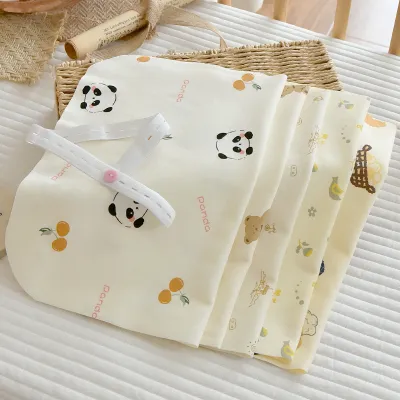
Prices are valid at publication and may change. Please refer to the product page for the latest price.
Because cotton lampin is not waterproof on its own, you must pair it with a waterproof diaper cover or diaper pants. These covers, typically made of polyurethane laminate (PUL) or thermoplastic polyurethane (TPU), sit over the folded lampin to contain wetness and prevent leaks onto clothing or bedding. You will also need reliable fastening tools. Traditional diaper pins with safety locks are a classic choice, but modern silicone fasteners like Snappi clips offer a pin-free alternative that grips the fabric securely without the risk of accidental pricks.
Managing dirty diapers requires a dedicated storage solution. A dry diaper pail with a loose-fitting lid or a hanging waterproof wet bag keeps soiled items contained while allowing enough airflow to minimize odors and prevent mold. Before using your brand-new lampin for the first time, check the manufacturer’s care labels. It is essential to pre-wash new cotton lampin three to five times in hot water with a small amount of detergent. This initial preparation strips away the natural oils present in raw cotton fibers, opening up the weave and maximizing the fabric’s absorbency before it ever touches your baby’s skin.
Step-by-Step Folding Techniques for Cotton Lampin
Folding is where many new parents feel overwhelmed, but it is actually a simple skill that allows you to customize the diaper’s fit and absorbency. Unlike standard disposable diapers, a cotton lampin can be folded in various ways to target wet zones based on your baby’s age, size, and sleeping position. Taking a few minutes to practice these folds on a flat surface before diapering your baby will build your confidence.

The Pad Fold (Quick and Simple)
The pad fold is the easiest and fastest folding method, making it an excellent choice for quick changes, active older babies, or light wetting periods. To create a pad fold, lay the cotton lampin flat on a clean surface. Fold the fabric in half, and then fold it into thirds lengthwise to create a thick, narrow rectangular pad.
Once folded, simply place the rectangular pad flat inside a waterproof diaper cover. There is no need for pins or fasteners with this method, as the diaper cover holds the pad securely against your baby’s body. If your baby is a heavy front-wetter, you can fold one end of the pad down slightly to double the layers of absorbency in the front. This fold is highly efficient but does not wrap around the baby’s hips, meaning it relies entirely on the diaper cover’s elastic gussets to contain runny messes.
The Angel Fold (Leak Protection)
The angel fold is highly regarded for its superior containment, making it the go-to choice for newborns who produce frequent, runny bowel movements. To perform this fold, lay the lampin flat and fold it into thirds lengthwise to form a long rectangle. Next, fold the bottom third of the rectangle upward to shorten the diaper’s length and create a double layer of absorbency in the wet zone.
Gently pull the top two corners of the fabric outward to create wide, wing-like shapes at the back. Place your baby on the lampin, ensuring the wide wings sit directly under their lower back. Pull the front flap up between your baby’s legs, wrap the back wings around their hips toward the front, and secure the fabric on both sides using diaper pins or a silicone fastener. This fold creates a snug seal around the thighs, effectively trapping messes inside the cotton layers.
The Kite Fold (Extra Absorbency)
As your baby grows and begins wetting more heavily, the kite fold offers a structured, highly absorbent solution. Start by laying the cotton lampin flat in a diamond orientation, with one corner pointing directly toward you. Fold the left and right corners inward so their edges meet along the center vertical line, creating a shape that resembles a kite or an airplane.
Fold the top corner down toward the center to create a clean, straight edge across the back. Finally, fold the bottom point upward to adjust the overall length of the diaper to match your baby’s torso. This folding technique concentrates multiple layers of cotton directly in the center and front of the diaper. You can position the thickest fold higher up for baby boys or front-sleeping babies, or center it for baby girls. Bring the bottom flap up between the legs, wrap the sides around the waist, and secure with your preferred fastener.
How to Put On and Secure the Diaper Safely
Putting a cloth diaper on your baby requires a gentle touch and a focus on safety. Always place your baby on a secure, flat changing table or a clean mat on the floor. Keep one hand on your baby at all times to prevent accidental falls. Slide the pre-folded cotton lampin under your baby’s hips, aligning the back edge with their waist.
When positioning the diaper, tailor the fit to your baby’s specific needs. For baby boys, ensure there is ample fabric coverage and absorbency higher up in the front. For baby girls, center the bulk of the folded fabric directly underneath them. If you are diapering a newborn whose umbilical cord stump has not yet fallen off, fold the front edge of the lampin downward to keep the area clean, dry, and free from friction.
If you choose to use traditional diaper pins, safety is paramount. Always slide your index and middle fingers underneath the fabric, placing them directly between the lampin and your baby’s skin. This physical barrier ensures that if the pin slips while you are pushing it through the thick cotton layers, it will prick your fingers instead of your baby’s delicate skin. Always ensure the safety cap of the pin is fully closed and locked. For a completely risk-free alternative, modern silicone fasteners grip the fabric fibers safely without any sharp points.
Once secured, check the fit around the waist and legs. The diaper should be snug enough to prevent gaps, which can lead to leaks, but loose enough to remain comfortable. You should be able to slide two fingers easily between the diaper and your baby’s tummy and thighs. Watch for deep red marks on your baby’s skin; if you notice them, loosen the fit during the next change to ensure proper circulation and comfort.
Managing Daily Changes and Soiled Diapers
Establishing a practical daily routine is the key to long-term success with cotton lampin. Because pure cotton lacks the chemical super-absorbent polymers found in disposable diapers, it does not pull moisture away from the skin as aggressively. To protect your baby’s delicate skin barrier and prevent diaper rash, you must change the lampin frequently—typically every 1.5 to 2 hours, or immediately after your baby has a bowel movement. If your baby develops persistent skin redness or a severe diaper rash, temporarily discontinue cloth diapering and consult a pediatrician or healthcare professional.
Handling soiled diapers is straightforward once you know the steps. For exclusively breastfed babies, the stool is completely water-soluble and does not require pre-rinsing; you can place the wet and soiled lampin directly into your storage pail. However, once your baby begins consuming formula or solid foods, you must scrape, shake, or spray any solid waste directly into the toilet before storing the diaper. A diaper sprayer attached to your toilet plumbing makes this task quick and hygienic.
Store your dirty lampin in a dry pail or a wet bag with good air circulation. Never leave soiled diapers soaking in a bucket of water. Standing water is a breeding ground for harmful bacteria, creates strong odors, and poses a severe drowning hazard for crawling babies and toddlers. Keep the dry pail in a well-ventilated area to allow moisture to evaporate, which naturally minimizes ammonia buildup.
Be mindful of the skin creams you use. Traditional diaper rash creams containing zinc oxide or petroleum-based ingredients can coat the fine cotton fibers of your lampin, creating a waterproof barrier that causes the fabric to repel liquid instead of absorbing it. If you need to apply these creams, always place a reusable fleece liner or a flushable paper liner inside the lampin to protect the cotton. Alternatively, choose cloth-diaper-safe creams that wash out easily with standard detergent.
Washing and Caring for Your Cotton Lampin
A consistent, thorough washing routine is essential to keep your cotton lampin hygienic, fresh, and highly absorbent. Always refer to the manufacturer’s care instructions on the label before washing. To clean the diapers effectively and prevent detergent buildup, follow a simple two-step wash routine.
The first step is a short pre-wash or rinse cycle using cold or warm water and a small amount of detergent. This cycle flushes out the bulk of the urine and organic waste, ensuring that your main wash cycle is done in clean water. The second step is a heavy-duty main wash cycle using the hottest water temperature permitted by the manufacturer’s care label, along with a full dose of high-quality detergent. This deep clean thoroughly removes deep-seated oils and bacteria from the cotton fibers.
When selecting a laundry detergent, choose a formula that is free from fabric softeners, optical brighteners, and heavy fragrances. Never use commercial fabric softeners or dryer sheets, as they coat the cotton fibers with a waxy layer that drastically reduces absorbency. Avoid the routine use of chlorine bleach, which can weaken and degrade the natural cotton fibers over time, leading to premature tearing.
Drying your cotton lampin under the warm Philippine sun is highly effective. Sunlight acts as a natural, free sanitizer and a powerful stain remover, bleaching out stubborn yellow shadows without the need for harsh chemicals. Hang the lampin on a clothesline in a well-ventilated outdoor area. If you use a tumble dryer, select a low or medium heat setting to preserve the fabric. Because humid weather can slow down line drying, always double-check that the thickest folded sections of the lampin are completely dry before folding and storing them to prevent the growth of mildew.
Over time, mineral deposits from hard water or residual detergent can accumulate in the fabric, causing the diapers to develop a strong ammonia smell or begin leaking. If this occurs, you may need to “strip” the diapers. This involves washing the clean lampin in hot water with a specialized stripping agent or running multiple hot wash cycles with no detergent whatsoever until the rinse water runs completely clear of bubbles.
Frequently Asked Questions (FAQ)
How many cotton lampin squares do I need for a newborn?
Newborns require frequent changes, often using between 10 and 12 diapers per day. To ensure you do not run out of clean diapers while waiting for laundry to dry—especially during rainy or highly humid days—it is best to start with a stash of 24 to 36 cotton lampin squares. This quantity allows you to comfortably wash your diapers every other day.
Can I use regular laundry detergent for cotton lampin?
Yes, you can use many standard laundry detergents to wash your cotton lampin. However, you must carefully inspect the ingredient list and avoid any detergents that contain built-in fabric softeners, heavy artificial fragrances, or optical brighteners. These additives can leave a waterproof residue on the cotton fibers and irritate your baby’s sensitive skin. Look for detergents labeled as baby-safe or free-and-clear.
Community discussion
Share your experience or ask a question. Comments are reviewed before publication.