
Choosing a high-quality lampin for new born baby care is a time-tested tradition that is seeing a modern resurgence. While modern disposable options offer convenience, many families are returning to cloth diapering to protect their baby’s delicate skin, reduce household waste, and save money. Transitioning to cloth diapers involves selecting the right diaper style, mastering a secure yet gentle fit, establishing a simple storage routine, and using a thorough washing method tailored to tropical climates.
Successfully adopting cloth diapers requires understanding how these fabrics function and adapting your daily household routines. By learning the fundamentals of fabric care, proper fitting techniques, and waste management, you can easily integrate cloth diapering into your newborn care routine from day one.
Understanding the Benefits and Realities of Newborn Cloth Diapering
One of the most compelling reasons to choose cloth diapers is the significant long-term financial savings. In the Philippines, purchasing single-use disposable diapers over a child’s first two to three years can cost tens of thousands of pesos. Investing in a reusable cloth diaper stash requires an upfront cost, but these diapers can be washed and reused hundreds of times, and even saved for future siblings.
Products mentioned in this guide


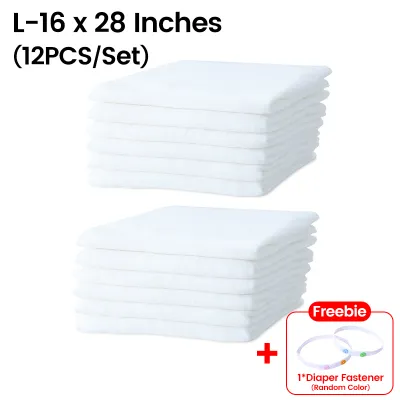

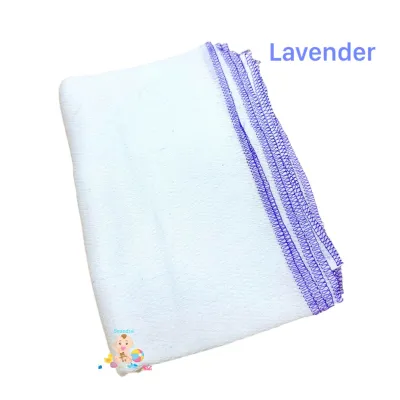

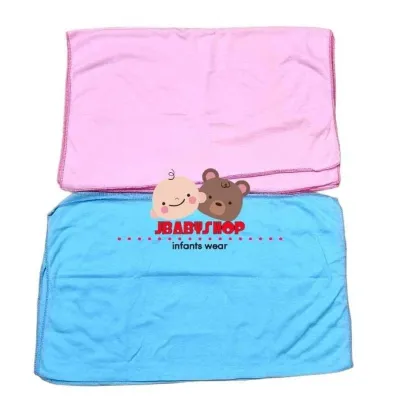

Prices are valid at publication and may change. Please refer to the product page for the latest price.
Environmental sustainability is another major factor for modern parents. Disposable diapers contribute millions of tons of non-biodegradable waste to local landfills, where they can take hundreds of years to decompose. By opting for reusable fabrics, you drastically reduce your household’s environmental footprint and minimize plastic waste from infancy.
For a newborn’s sensitive skin, the breathability of natural fibers is highly beneficial, especially in warm and humid tropical weather. Disposable diapers often contain plastics, fragrances, and chemical gels that trap heat and moisture against the skin, which can lead to heat rash or diaper dermatitis. Natural fabrics like cotton, bamboo, and hemp allow air to circulate freely, keeping your baby cool and dry.
However, it is important to acknowledge the learning curve and ongoing commitment required for cloth diapering. Prepping new diapers to reach maximum absorbency, mastering various folding techniques, and managing a consistent laundry schedule require time and effort. Recognizing these realities early helps you establish a manageable routine rather than feeling overwhelmed by the transition.
Building Your Newborn Cloth Diaper Stash and Supplies
To build a practical newborn cloth diaper stash, you must first understand the different diaper types available. Traditional flat diapers, often referred to locally as classical cotton lampin, are highly versatile, easy to wash, and dry quickly. Prefolds are similar to flats but feature a thicker, multi-layered center panel for increased absorbency. Both flats and prefolds require a separate waterproof diaper cover to prevent leaks.

For parents seeking convenience, newborn-sized All-in-One (AIO) diapers feature the absorbent layers sewn directly into the waterproof cover, mimicking the ease of a disposable. Pocket diapers are another option, featuring a stay-dry inner lining with a pocket opening where you can insert absorbent pads. When selecting diapers, look for adjustable sizing features, such as rise snaps or hook-and-loop closures, which are crucial for securing a snug fit around a newborn’s tiny, uneven legs.
In addition to the diapers, several essential accessories make daily diaper changes smoother:
- Secure Fasteners: Snappi diaper grips or rust-proof safety pins are necessary to secure flats and prefolds before putting on a waterproof cover.
- Waterproof Covers: You will need 4 to 6 breathable, waterproof polyurethane laminate (PUL) covers to rotate between changes.
- Breathable Storage: A wet bag or a dry pail with a mesh liner is essential for storing soiled diapers hygienically until laundry day.
- Cloth-Safe Diaper Cream: Standard petroleum-based or zinc oxide diaper creams can coat fabric fibers, creating a water-repellent barrier that ruins diaper absorbency. Always verify that your diaper cream is explicitly labeled as cloth-safe.
Before purchasing, always check the manufacturer’s product documentation for exact weight ranges and age suitability. Generic “newborn” marketing labels can be misleading, as some newborn-sized diapers are designed for babies weighing 2 to 5.5 kilograms, while others may not fit snuggly on smaller infants.
How to Achieve a Leak-Proof Fit for Your Newborn
Achieving a leak-proof fit with flats or prefolds begins with mastering basic folding techniques. The “Origami fold” and the “Kite fold” are popular choices that allow you to customize where the absorbency is concentrated. For newborn boys, fold the diaper to create extra fabric layers in the front; for newborn girls, focus the folded bulk in the middle or lower back section of the diaper.
Once the diaper is folded and placed under the baby, secure the sides snugly but comfortably. Always apply the “two-finger rule” around the waist: you should be able to slide two fingers easily between the diaper band and your baby’s tummy. This ensures the diaper is secure enough to prevent leaks without constricting the baby’s stomach, especially after feedings.
Special care must be taken to protect the healing umbilical cord stump of a newborn. To prevent friction, irritation, and potential infection, fold down the front of the cloth diaper so it sits safely below the navel. Alternatively, use a waterproof diaper cover designed with a contoured umbilical notch that naturally curves away from the stump, keeping the area dry and exposed to air.
After securing the diaper and cover, perform a thorough “leg gasket” check. Run your finger along the elastic edges in the groin crease, ensuring the fabric is tucked neatly into the leg joints like underwear. If the diaper elastics sit on the outer thighs, gaps will form, leading to leaks and blowouts. The elastics should be snug enough to seal against leaks but gentle enough not to leave deep, red marks on your baby’s skin.
Managing Changes and Handling Newborn Waste
Newborns have small bladders and feed frequently, requiring diaper changes every 2 to 3 hours, or immediately after a bowel movement. Allowing a wet diaper to sit for too long can cause ammonia buildup, which irritates delicate skin and leads to severe diaper rashes. Prompt changes are key to maintaining skin health.
Handling newborn waste varies depending on your baby’s diet and developmental stage. Meconium, the sticky, tar-like first stool passed in the initial days after birth, can be challenging to clean from fabric. Using biodegradable, flushable diaper liners during this brief period can make cleanup much easier. For older babies, breastfed stool is entirely water-soluble and can go directly into the washing machine without rinsing, while formula-fed stool is thicker and should be scraped into the toilet using a dedicated silicone spatula before washing.
Between laundry days, store soiled diapers safely to prevent odor and bacterial growth. Place them in a breathable dry pail or a zippered waterproof wet bag, keeping the container out of reach of children and pets. Avoid using airtight plastic containers, as the lack of airflow traps moisture and promotes the growth of mold and mildew, which can permanently damage diaper fibers and elastics.
Washing and Drying Routines for Humid Climates
Maintaining a clean, hygienic diaper stash in warm, humid climates requires a consistent two-step washing routine. Always start with a short pre-wash or rinse cycle using cold or warm water and a small amount of detergent to flush out surface soil and urine. Follow this with a heavy-duty main wash cycle using warm water and a full dose of laundry detergent to deep-clean the fibers. Always verify the manufacturer’s maximum temperature limits on the diaper labels before using hot water.
Certain laundry products must be strictly avoided to preserve the integrity and absorbency of your cloth diapers:
- Fabric Softeners: These coat fabric fibers with a water-repellent layer, causing the diapers to leak.
- Dryer Sheets: Similar to softeners, dryer sheets leave chemical residues that ruin absorbency.
- Unauthorized Bleach: Strong bleach can degrade waterproof PUL layers and weaken natural cotton or bamboo fibers over time.
In high-humidity environments, ensuring diapers are 100% dry before folding and storing them is vital. Damp fabrics stored in humid conditions quickly develop mildew, mold, and sour odors, which can cause fungal skin infections on your baby. If rainy weather prevents outdoor drying, hang diapers indoors under a ceiling fan or near a dehumidifier to ensure they dry completely.
Whenever possible, take advantage of natural sun-drying. Direct sunlight is an excellent natural sanitizer and stain remover, helping to fade stubborn yellow diaper stains through sun bleaching. However, do not leave diapers baking in the sun for hours after they have dried; bring them indoors promptly to protect the delicate elastics and waterproof PUL layers from long-term UV degradation.
Troubleshooting Leaks, Odors, and Skin Irritation
If you experience frequent leaks, begin by checking the diaper’s fit. Ensure the elastics are tucked into the groin crease and that no inner absorbent fabric is poking out from under the waterproof cover. If the fit is correct but leaks still occur, the baby’s output may have exceeded the diaper’s current absorbency, indicating that you need to add a booster insert or transition to a more absorbent fabric like bamboo or hemp.
Persistent sour or ammonia odors usually point to detergent buildup or an insufficient wash routine. If your diapers smell bad as soon as your baby urinates, they may need to be stripped of mineral or detergent residues. Adjust your washing routine by ensuring your washing machine is not overloaded, increasing the water level, or using a detergent that rinses out cleanly without leaving residues.
While mild skin redness can occur, persistent diaper rashes require careful attention. Standard contact rashes from wetness usually resolve quickly with more frequent diaper changes and a thin layer of cloth-safe barrier cream. However, if your baby develops a rash that is bright red, blistered, bleeding, or does not improve within a few days, stop using cloth diapers immediately, switch to disposables temporarily, and consult a pediatrician to rule out a yeast infection or other medical conditions.
Frequently Asked Questions (FAQ)
Can I use cloth diapers immediately after birth?
Yes, you can use cloth diapers immediately after birth. However, many parents choose to wait one to two weeks until the sticky meconium stool has completely passed and the umbilical cord stump has fallen off. If you choose to start from day one, ensure you fold down the front of the diaper to keep the umbilical cord stump dry, clean, and free from friction.
How many cloth diapers does a newborn need per day?
Newborns typically require 8 to 12 diaper changes every 24 hours due to frequent feedings. If you plan to wash your diapers every two days, you will need a starting stash of at least 24 to 30 diapers. This quantity ensures you have enough clean diapers to use while the soiled ones are being washed and dried.
Community discussion
Share your experience or ask a question. Comments are reviewed before publication.