
Properly storing breastmilk is one of the most critical tasks for breastfeeding mothers, especially when balancing household duties, returning to work, or managing busy schedules. Using a high-quality calmmom breastmilk bag helps preserve the essential nutrients of your liquid gold while offering a convenient, space-saving solution for daily storage. In a tropical climate like the Philippines, where high temperatures and humidity can accelerate bacterial growth, mastering the correct techniques for filling, sealing, freezing, and transporting breastmilk is vital to keep your baby safe and healthy.
By understanding the step-by-step process of handling these specialized storage bags, caregivers can confidently build a reliable milk bank. This guide outlines the best practices for maintaining strict hygiene, maximizing freezer space, safely thawing frozen milk, and managing on-the-go feeding logistics without compromising milk quality.
Preparation and Hygiene Before Pumping
Maintaining a sterile environment is the first line of defense against contamination when storing breastmilk. Before you even open a new calmmom breastmilk bag, wash your hands thoroughly with clean water and a mild, unscented soap for at least twenty seconds. Pay close attention to the backs of your hands, between your fingers, and under your fingernails, drying them with a clean, single-use paper towel or a freshly laundered cloth.
Products mentioned in this guide
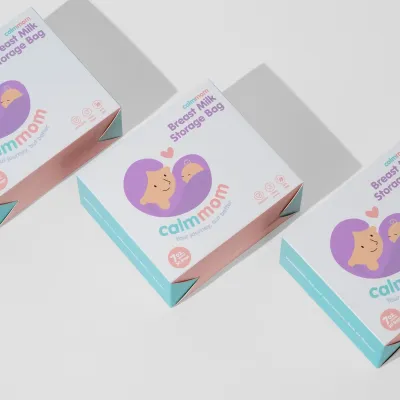
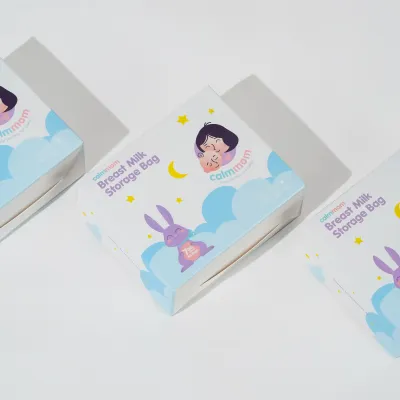
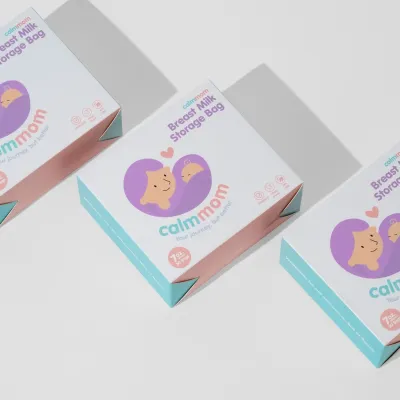
Prices are valid at publication and may change. Please refer to the product page for the latest price.
Next, prepare your pumping equipment according to the manufacturer’s instructions. Every part of the breast pump that comes into direct contact with your skin or the expressed milk—such as the breast shields, valves, and connectors—must be thoroughly washed and sterilized before use. In humid tropical environments, letting these parts air dry completely on a clean, dedicated drying rack is crucial, as lingering moisture can encourage mold or bacterial development.
Before transferring any milk, inspect the calmmom breastmilk bag carefully. Look for any visible manufacturing defects, tears, or compromised seals that might have occurred during shipping or handling. If a bag appears damaged, discard it immediately and select a new one to prevent leaks or contamination during storage.
Always read and follow the specific preparation and hygiene instructions printed on the Calmmom product packaging. Manufacturers regularly update their safety guidelines based on material specifications, and adhering to these direct instructions ensures you are utilizing the product exactly as intended for your infant’s safety.
Step-by-Step Guide to Filling and Sealing Your Calmmom Breastmilk Bag
Filling and sealing breastmilk storage bags requires a steady hand and a clear understanding of how the material behaves under different temperatures. Proper handling prevents accidental spills of precious milk and ensures the bag maintains its structural integrity throughout the freezing process.

Filling the Bag Correctly
To fill the bag safely, find a clean, flat surface where you can work without distractions. Open the bag by gently pulling the seal apart, taking care not to touch the inside of the bag or blow air into it, as this can introduce unwanted bacteria into the sterile interior. Hold the bag firmly near the top, or stand it upright if the design features a self-standing gusset bottom, ensuring it remains stable while you pour.
Carefully pour your expressed breastmilk from the collection bottle into the bag. Always leave adequate expansion space—about an inch of clear space—at the top of the bag. Because breastmilk is primarily water, it expands significantly as it transitions from a liquid to a solid state in the freezer.
Never overfill the bag past the maximum fill line indicated on the Calmmom packaging. Exceeding this limit puts immense pressure on the seams and the zipper seal during expansion, which often leads to the bag bursting or leaking when it thaws, wasting your hard-earned milk.
Sealing and Removing Air
Once the milk is poured, removing excess air from the bag is the next critical step. Excess air trapped inside the bag increases the risk of freezer burn, which degrades the quality and taste of the breastmilk over time. To remove the air, gently place your fingers just above the milk line and slide them upward to push the air out of the bag before closing the seal.
Align the double-zipper mechanism carefully and press firmly from one end to the other. Run your fingers across the seal multiple times to ensure the zipper is completely locked across its entire width. A partial seal can let air in or allow milk to seep out, especially when the bag is moved or stacked.
Verify the seal by gently squeezing the bag while holding it over a clean surface or sink. If you notice any small drops of milk escaping or hear air whistling through the zipper, the seal is not secure. Re-align the zipper and seal it again, or transfer the milk to a fresh bag if the seal remains compromised.
Labeling and Freezing for Safe Storage
Proper organization and temperature control in the freezer are essential for preserving the nutritional value of breastmilk and tracking its freshness. In many Philippine households, freezers are shared with other food items, making dedicated storage zones and clear labeling even more important.
Before placing the filled bag into the freezer, write the date of expression, the exact time, and the volume of milk on the designated label area. Always use a permanent, non-toxic marker and write on the bag before filling it, or write very gently on the labeled tab to avoid puncturing the plastic. Never use standard ballpoint pens or sharp pencils, as their sharp tips can easily pierce the bag’s protective layers.
To maximize your freezer space and facilitate faster thawing, lay the sealed calmmom breastmilk bag completely flat on a clean baking sheet or inside a dedicated freezer bin. Freezing the bags flat makes them thin and uniform, allowing you to stack them neatly like books once they are frozen solid. This method also ensures the milk freezes quickly and evenly, which helps preserve its beneficial properties.
Verify the maximum storage durations by checking the official guidelines on the Calmmom packaging or consulting local health authorities. While general guidelines suggest breastmilk can keep at room temperature for a few hours, in the refrigerator for a few days, and in a deep freezer for several months, these times can vary depending on your specific appliance and ambient room temperatures. In hot, humid climates, room temperature storage times are significantly shorter, so prompt refrigeration or freezing is always recommended.
Organize your stored milk using the “first in, first out” (FIFO) method. Position the oldest bags at the front or top of your storage stack so they are used first, preventing older milk from expiring. Regularly check your inventory to ensure no bags are left past their safe storage limits.
Thawing, Warming, and On-the-Go Feeding
Preparing stored breastmilk for your baby requires gentle handling to protect its delicate proteins, antibodies, and enzymes. Safe thawing and transport practices ensure your baby receives high-quality nutrition whether you are at home or traveling.
Safe Thawing and Warming Methods
The safest way to thaw frozen breastmilk is to transfer the sealed bag from the freezer to the refrigerator and let it sit overnight. If you need the milk more quickly, place the sealed bag into a bowl of lukewarm water, replacing the water as it cools until the milk reaches room temperature.
Never use a microwave or boiling water to thaw or warm breastmilk. Microwaves heat liquids unevenly, creating dangerous “hot spots” that can easily burn your baby’s sensitive mouth. Additionally, extreme heat destroys the vital nutrients, immunoglobulins, and active enzymes that make breastmilk so beneficial.
Once the milk is thawed, you may notice that the fat layers have separated, which is completely normal. Gently swirl the bag in a circular motion to recombine the cream layer with the rest of the milk; avoid shaking the bag vigorously, as this can break down the milk’s protective proteins. Always test the temperature of the milk by placing a few drops on the inside of your wrist before offering it to your baby.
Transporting and Feeding on the Go
When traveling or running errands in the Philippines, the high outdoor temperatures require extra precautions to keep stored milk safe. Transport fresh or thawed breastmilk in an insulated cooler bag packed with multiple frozen gel ice packs. Keep the cooler bag closed as much as possible, and place it in the coolest part of your vehicle rather than in a hot trunk.
Keep the milk sealed inside the calmmom breastmilk bag during transit to minimize the risk of contamination. Only pour the milk into a clean, sterilized feeding bottle when your baby is ready to eat. This practice prevents exposing the milk to ambient bacteria during your journey.
If your baby does not finish the entire bottle during a feeding session, you must discard any remaining milk within one to two hours. Bacteria from your baby’s saliva enter the bottle during feeding and can multiply rapidly in the warm milk, making it unsafe to save for a later feed or return to the refrigerator.
Common Mistakes and Safety Checks to Avoid
Avoiding common storage pitfalls is just as important as following the correct filling and thawing steps. Being aware of these mistakes helps protect your baby from foodborne illness and ensures no milk is wasted.
One of the most critical safety rules is to never re-freeze breastmilk once it has been thawed. Thawing allows dormant bacteria to multiply, and re-freezing does not kill these organisms; it merely pauses their growth, creating a high bacterial load when the milk is thawed a second time. Additionally, never add warm, freshly expressed breastmilk directly to a bag of already frozen milk, as the warmth can partially thaw the frozen layer and encourage bacterial growth. If you must combine batches, cool the fresh milk in the refrigerator first before mixing them.
Remember that breastmilk storage bags are strictly designed for single-use only. Never attempt to wash, sterilize, and reuse a calmmom breastmilk bag, as the plastic material and zipper seals are not engineered to withstand repeated cleaning processes. Reusing bags can lead to micro-tears, structural failure, and severe bacterial contamination.
Establish clear stop conditions for when to discard milk. If the thawed milk has a distinctly sour smell, a rancid taste, or shows unusual discoloration that does not resolve after gentle swirling, err on the side of caution and discard it. If you are ever unsure about how long a bag has been stored or whether your freezer’s temperature remained stable during a power outage, do not feed it to your baby.
Always consult your pediatrician or a certified lactation consultant if you have questions about your baby’s feeding habits, milk storage safety, or specific health concerns. Professional guidance is invaluable for tailoring storage and feeding routines to your infant’s unique developmental needs and health status.
Community discussion
Share your experience or ask a question. Comments are reviewed before publication.