
Using a finger brush for baby oral care is one of the most effective ways to transition your infant into a lifelong routine of healthy dental hygiene. This simple, flexible tool slips directly onto your index finger, allowing you to clean delicate oral tissues and emerging baby teeth with maximum control. For a teething baby, the soft silicone bristles serve a dual purpose: they sweep away bacteria-laden milk residue while providing highly satisfying counter-pressure to sore, swollen gums.
Introducing oral care early helps prevent early childhood cavities and gets your infant accustomed to having their mouth cleaned. By mastering the proper technique, maintaining strict hygiene standards, and learning how to soothe teething discomfort safely, you can turn what is often a fussy developmental phase into a soothing, bonding experience for you and your little one.
When to Start Using a Finger Brush for Your Baby
Many parents wonder when the right time is to introduce an actual brush to an infant’s mouth. Oral care should actually begin long before the very first tooth breaks through the surface of the gums. In the first few months of life, gently wiping your baby’s gums with a clean, damp, soft cloth or sterile gauze after feedings is sufficient to clear away breastmilk or formula residue.
Products mentioned in this guide
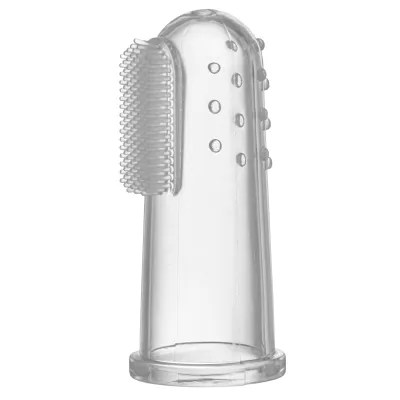
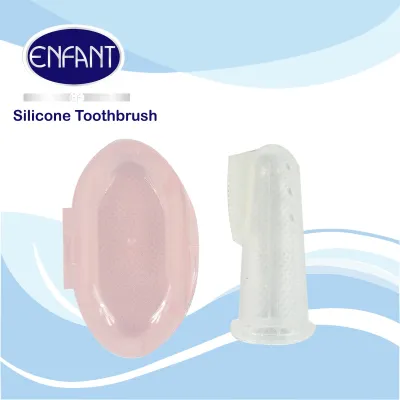

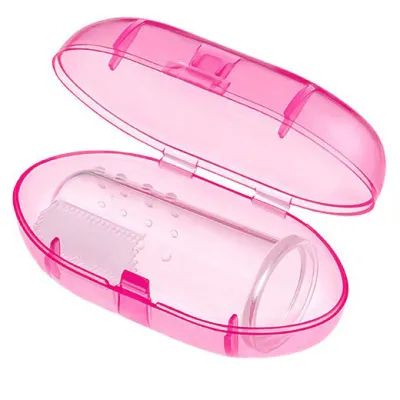
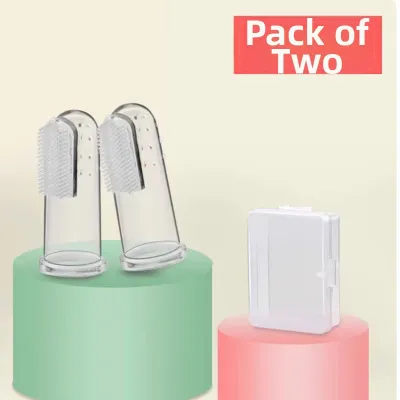
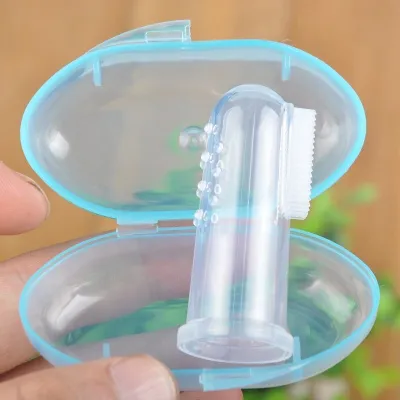
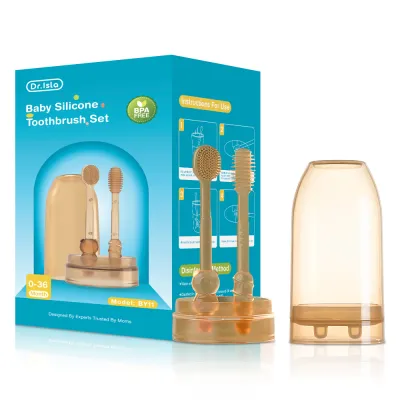
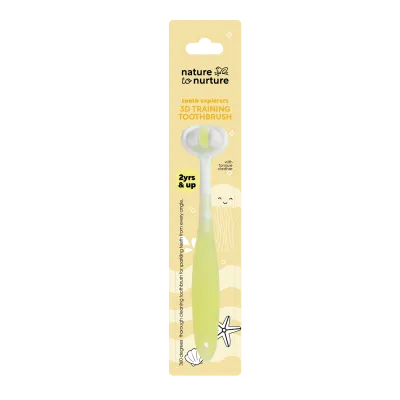
Prices are valid at publication and may change. Please refer to the product page for the latest price.
The transition to a silicone finger brush is ideal when you notice the first signs of teething, which typically occurs around six months of age. These signs include increased drooling, a constant urge to chew on toys or fists, and the visible swelling of the gum line where the primary teeth are preparing to erupt. Introducing the finger brush at this stage helps ease the transition to solid foods, which introduces new types of food particles and sugars into the oral cavity.
A finger brush is specifically designed for infants and young toddlers who do not yet possess the oral space or developmental coordination required for a traditional handled toothbrush. For parents, the finger brush offers unmatched tactile feedback; you can feel exactly how much pressure you are applying to the sensitive, inflamed areas of your baby’s mouth, ensuring a much gentler and more controlled cleaning session.
What You Need Before You Start
To ensure a safe, hygienic, and stress-free brushing session, gather all your essential tools beforehand. Having everything within arm’s reach prevents you from having to interrupt the process or leave your baby unattended.

- Food-grade silicone finger brush: Choose a high-quality brush made from 100% food-grade, BPA-free silicone. The material must be soft, flexible, and free of any sharp edges.
- Clean, lukewarm water: If you are in an area where tap water quality is variable, use cooled, boiled water or purified bottled water to rinse the brush and moisten your baby's mouth.
- Baby-safe toothpaste: Consult your pediatric dentist regarding the use of toothpaste. For very young infants, brushing with clean water is often recommended. If a baby-safe toothpaste is advised, use only a tiny smear—no larger than a single grain of rice.
- Comfortable, well-lit seating: Choose a quiet spot with excellent lighting. You need to clearly see inside your baby's mouth to monitor the progress of emerging teeth and check for any signs of gum irritation.
Position yourself in a comfortable chair where you can cradle your baby securely. Supporting their head and neck in the crook of your arm or resting their head gently against your lap will keep them stable and relaxed throughout the process.
Step-by-Step Guide to Brushing Your Teething Baby
Establishing a consistent, predictable routine is key to making oral care a positive part of your baby’s day. Following structured steps ensures thorough cleaning while keeping your baby comfortable.
Preparing Your Baby and the Brush
Before you begin, wash your hands thoroughly with soap and warm water for at least 20 seconds. Since your finger will be directly inside your baby’s mouth, absolute hand hygiene is essential to prevent introducing unwanted bacteria or viruses into their developing immune system.
Next, rinse the silicone finger brush thoroughly under clean, warm water to remove any dust or lint that may have accumulated during storage. If you plan to use a tiny smear of baby-safe toothpaste, apply it sparingly to the bristle side of the brush now.
Timing is crucial for a successful session. Avoid brushing when your baby is overly tired, extremely hungry, or in the middle of a teething pain flare-up. Instead, select a window when they are calm and receptive, such as shortly after a bath or as a peaceful transition step in their bedtime routine.
The Brushing Technique for Gums and Emerging Teeth
Carefully slip the silicone brush onto your clean index finger. It should fit snugly and securely. If the brush feels loose, dry your finger completely before putting it on, or look for a tapered design that matches your finger size to prevent it from slipping off inside your baby’s mouth.
Gently slide your finger into your baby’s mouth, encouraging them to open up by softly touching their lower lip. Start with the bare gums, using very small, light, circular motions. Gently sweep along the upper and lower gum lines to clear away bacteria and milk sugars.
When you reach the areas where teeth have begun to emerge, transition to gentle back-and-forth or sweeping strokes. Be sure to clean all accessible surfaces of each tooth, including the front facing the lips, the back facing the tongue, and the flat chewing surfaces.
Keep your pressure incredibly light. Teething gums are highly sensitive, swollen, and prone to tenderness. Applying too much force will cause discomfort, which can quickly lead to your baby resisting future brushing sessions.
Soothing Teething Discomfort During the Process
One of the greatest benefits of a silicone finger brush is its ability to naturally soothe teething pain. The soft, textured bristles and dimples on the reverse side of the brush provide the firm counter-pressure that teething infants instinctively crave to relieve deep gum pressure.
To maximize this soothing effect, you can place the clean finger brush in the refrigerator for 10 to 15 minutes before the session. The cool temperature provides a mild, temporary numbing sensation that reduces inflammation and calms irritated gum tissue.
Never place the finger brush in the freezer. Freezing the silicone solid can make the material too rigid and intensely cold, which risks causing thermal damage to the delicate, thin mucosal tissues inside your infant’s mouth. Always verify that your specific brush manufacturer’s instructions permit refrigeration.
Common Mistakes and When to Stop Brushing
While using a finger brush is generally straightforward, avoiding common pitfalls is essential for your baby’s safety and emotional comfort. Recognizing when to pause or seek professional advice prevents minor issues from escalating.
Never force the finger brush into your baby’s mouth if they are strongly resisting, crying, or clamping their jaw shut. Forcing the brush can cause accidental gagging, scratch the soft palate, or create a lasting negative association with oral care. If your baby is uncooperative, stop, comfort them, and try again at a later, calmer time.
Keep a close eye on the condition of your baby’s mouth during brushing. You should stop immediately and consult a pediatric dentist or pediatrician if you observe any of the following conditions:
- Bleeding gums: While mild tenderness is common during teething, active or persistent bleeding requires professional evaluation.
- Unusual redness or swelling: Severe inflammation that does not improve with gentle cooling or massage.
- White patches: Creamy white spots on the tongue, gums, or inner cheeks that do not wipe away easily, which may indicate oral thrush (a common fungal infection).
- Signs of localized infection: Such as pus, blister-like bumps, or a sudden, unexplained fever.
Additionally, never use adult toothpaste, whitening formulas, or harsh mouthwashes, as these contain high levels of fluoride and foaming agents that are toxic if swallowed. Always supervise your baby during oral care. A finger brush is a parent-operated tool, not a toy or a standalone teether. Never leave a finger brush unattended in your baby’s mouth or allow them to play with it, as it poses a serious choking hazard.
How to Clean and Maintain the Finger Brush
Silicone is highly durable, but because it is used in a warm, moist environment, it requires diligent cleaning and maintenance to prevent the buildup of mold, mildew, and bacteria. This is particularly important in tropical climates where high humidity can accelerate microbial growth.
Immediately after each use, rinse the finger brush thoroughly under warm, running water. Use your thumb to part the silicone bristles, ensuring that all traces of saliva, food particles, or baby toothpaste are completely flushed out from the base of the bristles.
For deep cleaning and sterilization, always consult the manufacturer’s care instructions first. Most high-quality, food-grade silicone finger brushes are heat-resistant and can be sterilized by boiling them in water for three to five minutes, placing them in a steam sterilizer, or washing them on the top rack of a dishwasher.
After washing or sterilizing, shake off any excess water and allow the brush to air dry completely. Store it upright in a clean, dry, and well-ventilated container. Avoid storing a damp brush in a sealed, airtight plastic case, as this traps moisture and creates an ideal breeding ground for mold.
Inspect the brush closely before every single use. Look for tiny tears, split bristles, thinning areas, or structural discoloration. Because babies may bite down hard on the silicone during cleaning, the material can degrade over time. Replace the finger brush immediately if you detect any signs of physical wear, or follow the manufacturer’s recommended replacement schedule, which is typically every two to three months.
Frequently Asked Questions (FAQ)
Can I use a finger brush if my baby has no teeth yet?
Yes, you can absolutely use a finger brush before your baby’s first teeth emerge. Using the textured side of the brush to gently massage bare gums helps clear away milk residue and limits bacterial accumulation. More importantly, introducing this sensation early helps get your baby accustomed to a daily oral care routine, making them much more cooperative when actual teeth begin to erupt.
How often should I use the finger brush on my teething baby?
Pediatric dental guidelines generally recommend cleaning your baby’s mouth at least twice a day. The most critical session is right before bedtime, ensuring that milk sugars do not pool around the teeth and gums overnight. Always consult your pediatric dentist to establish a customized oral hygiene schedule that aligns with your baby’s specific diet and dental development.
Is a silicone finger brush better than a traditional baby toothbrush?
A silicone finger brush is highly effective for the earliest developmental stages, specifically for infants with sensitive gums and only a few emerging front teeth. It provides parents with superior control and a gentler touch. However, as your baby grows more teeth—particularly the back molars—and develops the motor skills to mimic your movements, you should transition to a traditional, soft-bristled, long-handled baby toothbrush designed for toddlers.
Community discussion
Share your experience or ask a question. Comments are reviewed before publication.