
Using a breast hot compress is a highly effective, natural way to manage breast engorgement and clogged milk ducts. By applying targeted warmth to the breast, you stimulate the let-down reflex, dilate the milk ducts, and encourage milk to flow more freely. This simple step softens the breast tissue, making it much easier to empty the breast during nursing or pumping sessions.
In the tropical climate of the Philippines, where high humidity and heat can already make postpartum recovery physically demanding, finding quick and comfortable relief from milk stasis is essential. Understanding how to safely prepare and time your warm compress can prevent minor blockages from turning into painful infections.
Identifying Engorgement and Clogged Ducts Before Treatment
Before reaching for a warm compress, it is crucial to understand exactly what is happening to your breasts. Breast engorgement and clogged milk ducts are two distinct stages of milk stasis, and each requires a slightly different approach to care.
Products mentioned in this guide
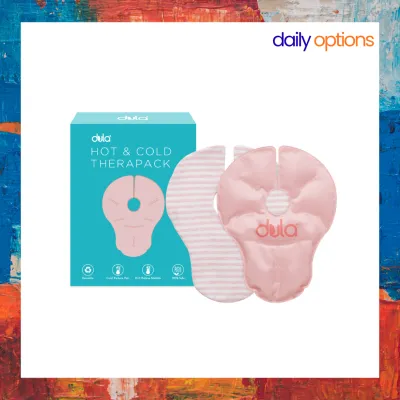
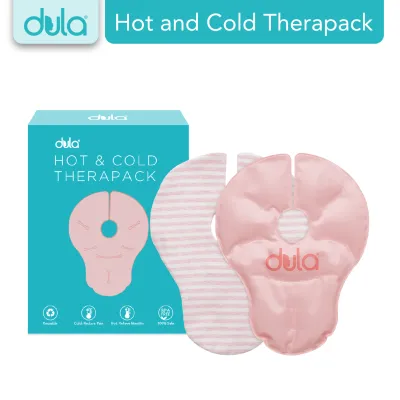
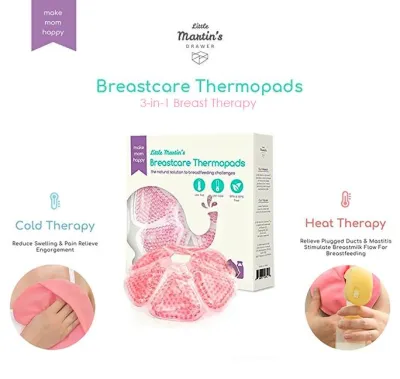
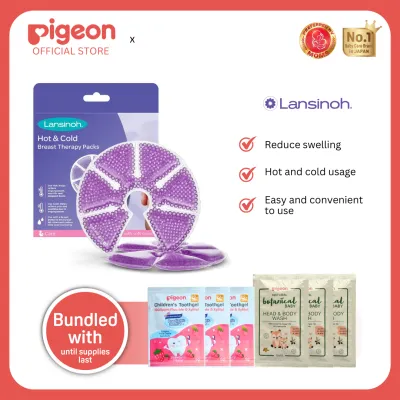
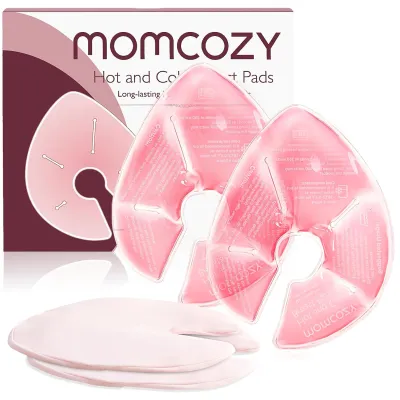
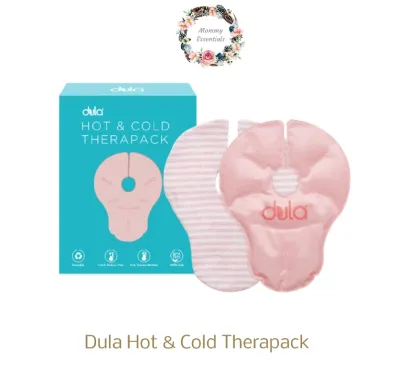
Prices are valid at publication and may change. Please refer to the product page for the latest price.
Breast engorgement typically affects both breasts, making them feel heavy, swollen, hard, and tender to the touch. This generalized tightness often occurs during the first week postpartum when your mature milk comes in, or whenever there is a sudden change in your baby’s feeding schedule. The skin over the breasts may look shiny, feel tight, or feel warm due to increased blood flow and fluid accumulation.
A clogged milk duct, on the other hand, is usually localized to one breast. You will typically feel a distinct, hard lump or a wedge-shaped area of tenderness that feels sore when pressed. The area directly over the clog might look slightly pink or red, and you may notice that milk flow from that breast has slowed down significantly during feeding or pumping. During a feed, you might notice a sharp, pinching sensation as the baby tries to draw milk from the blocked area, and the breast may not feel any lighter after the feed is finished.
It is vital to distinguish these common milk flow issues from early signs of a breast infection. If your breast pain is accompanied by a sudden high fever, chills, severe body aches, or rapidly spreading red streaks, you may be developing mastitis. These systemic symptoms require immediate medical evaluation rather than simple home remedies.
How Heat Helps and the Right Time to Apply a Breast Hot Compress
Applying heat to the breast works by dilating the blood vessels and milk ducts, which increases local circulation and relaxes the surrounding muscle tissue. This warmth triggers the release of oxytocin, the hormone responsible for the milk let-down reflex, allowing trapped milk to move past obstructions more easily.

In addition to physical dilation, the soothing sensation of warmth helps lower maternal stress levels. High stress triggers adrenaline, which can actively block oxytocin and inhibit the let-down reflex. By creating a relaxing routine with a warm compress, you support your body’s natural hormonal pathways to release milk more efficiently.
However, the benefits of a breast hot compress depend entirely on strict timing. You should apply warmth strictly before you nurse or pump, never after. Warming the breast for 10 to 15 minutes immediately before milk removal prepares the ducts and softens the tissue, making the feeding session much more productive.
Using heat at the wrong time can actually worsen your symptoms. Applying a hot compress after feeding, or when your breasts are already highly inflamed and swollen, increases fluid retention and tissue edema. This extra fluid compresses the milk ducts from the outside, making it even harder for milk to flow and significantly increasing your discomfort.
Safe Steps for Preparing and Applying a Warm Compress
Because breast skin is highly sensitive, especially during the postpartum period, you must take precautions to prevent thermal burns and skin irritation. Following a safe, step-by-step preparation routine ensures you get the maximum benefit without risking injury.
First, always perform a temperature check before placing any compress on your breast. Test the heat source on the inside of your wrist—a zone with similarly sensitive skin. If it feels uncomfortably hot or causes your skin to turn bright red quickly, let it cool down until it feels like a soothing, gentle warmth.
Limit each warm compress session to a maximum of 10 to 15 minutes. Leaving a heat source on your breast for too long can cause rebound swelling, which compresses the milk ducts and defeats the purpose of the treatment.
After removing the compress, inspect your skin. A mild, temporary pinkness is normal due to increased blood flow, but any intense redness, blistering, or pain indicates the temperature was too high. Always wash your hands before touching your breasts to prevent introducing bacteria to sensitive or cracked nipples.
You can easily create a warm compress at home using simple household items or specialized products:
- Warm damp towel: Soak a clean washcloth in warm water, wring out the excess moisture, and drape it over the affected breast. The moist heat is highly effective at penetrating the tissue.
- Reusable gel packs: Many parents prefer commercially available gel pads designed specifically for breastfeeding. These can be warmed in hot water or microwaved according to the manufacturer's instructions. A basic set of reusable gel packs can be found on local online marketplaces for around ₱200 to ₱600, offering a convenient, contoured fit that wraps around your breast pump flanges.
To maximize the effectiveness of the compress, combine the warmth with a gentle massage. Use the pads of your fingers to stroke firmly but gently from the outer edges of the breast down toward the nipple, focusing on any hard areas. Immediately after this massage, nurse your baby or use a breast pump to empty the softened breast.
Red Flags: When to Stop Home Care and See a Doctor
While a warm compress is an excellent first-line home remedy, it is not a cure-all for severe complications. Knowing when to stop home care and seek professional medical assistance is critical for your safety and long-term breastfeeding journey.
Watch closely for systemic red flags that indicate a developing infection, such as mastitis or a breast abscess. If you experience a fever of 38.5°C (101.3°F) or higher, persistent chills, flu-like body aches, extreme fatigue, or pus draining from the nipple, stop home treatment immediately and contact a doctor.
Time limits are also a key indicator of when you need professional help. If a clogged milk duct does not soften, shrink, or resolve after 24 to 48 hours of consistent, gentle milk removal and targeted warmth, it is time to seek guidance. Prolonged milk stasis increases the risk of bacterial growth in the trapped milk.
Do not hesitate to consult an International Board Certified Lactation Consultant (IBCLC) or your healthcare provider in the Philippines. They can assess your baby’s latch, evaluate your pumping setup, and provide personalized strategies to resolve persistent pain or recurring clogs safely.
Frequently Asked Questions (FAQ)
Can I use a hot compress if my breast is already red and hot?
No, you should avoid using a hot compress if your breast is already red, throbbing, and hot to the touch. These symptoms indicate active inflammation or a potential infection, and applying heat will only draw more fluid to the area, worsening the swelling and pain. Instead, switch to a cold compress or chilled cabbage leaves after feeding to soothe the inflamed tissue and reduce swelling. Always monitor your temperature and consult a healthcare professional if you suspect an infection.
Is it safe to use an electric heating pad directly on the breast?
Using a standard household electric heating pad directly on the breast is generally not recommended. These devices can easily overheat, and there is a high risk of falling asleep during use, which can lead to severe thermal burns on delicate breast tissue. If you choose to use any heated device, always place a clean cloth barrier between the device and your skin, check the manufacturer’s guidelines for maximum temperature limits, and ensure the device has an active auto-shutoff feature.
Community discussion
Share your experience or ask a question. Comments are reviewed before publication.